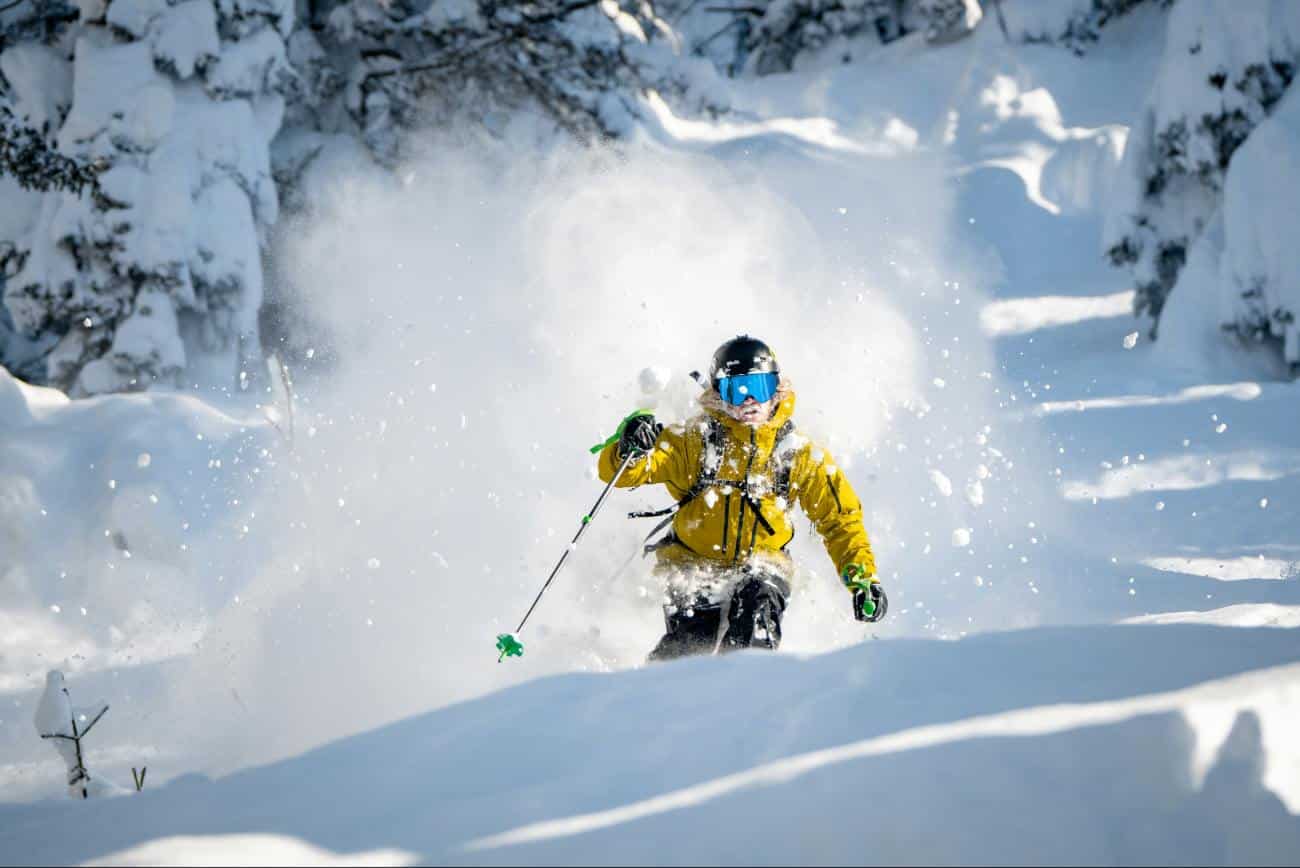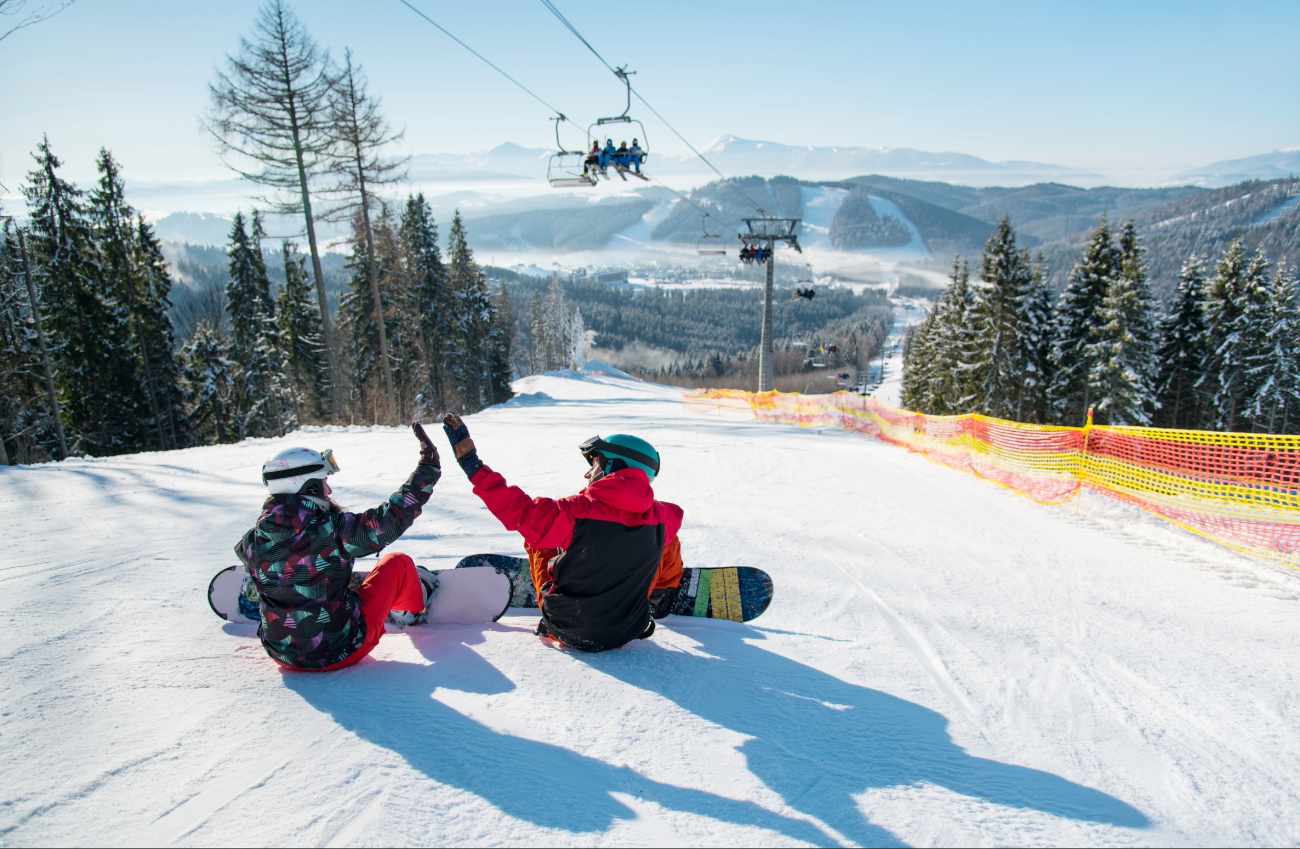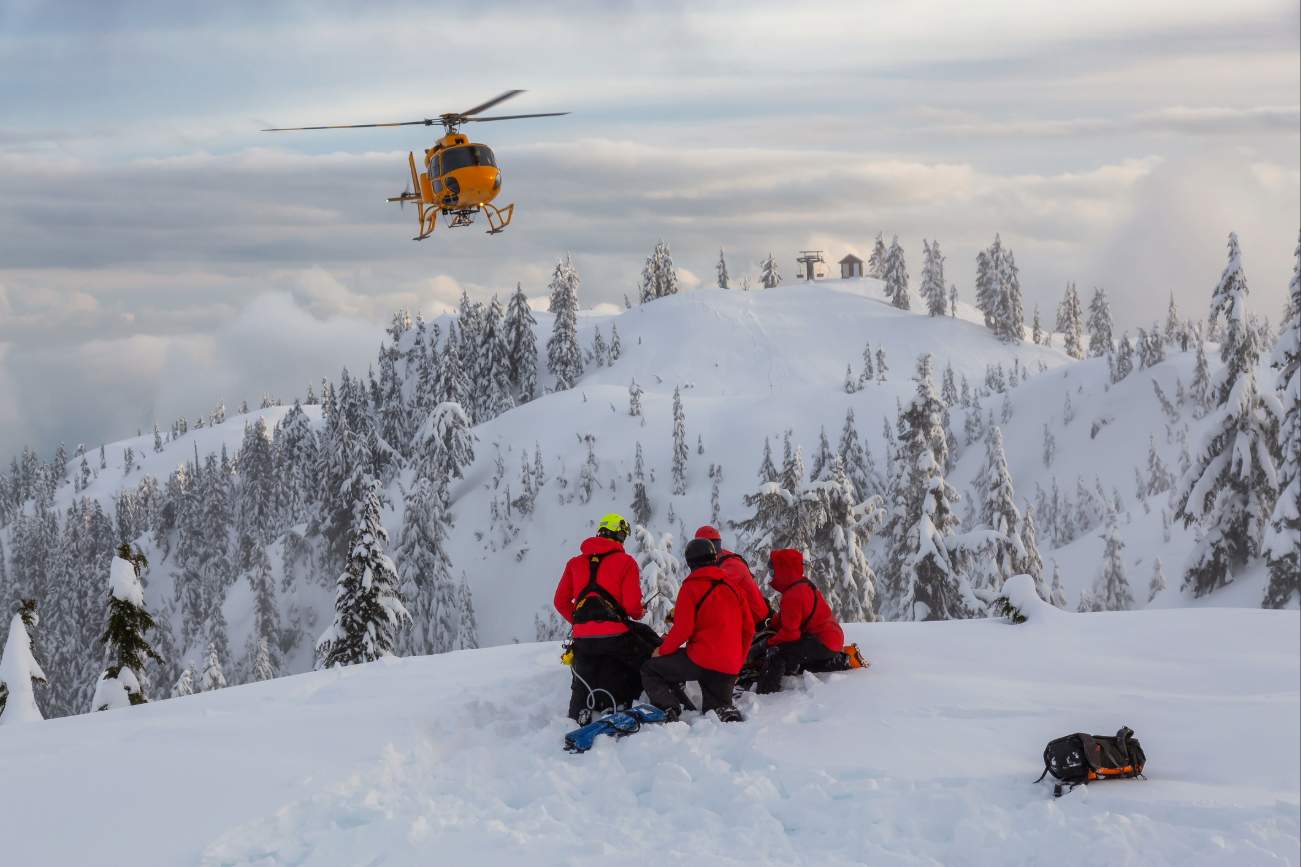


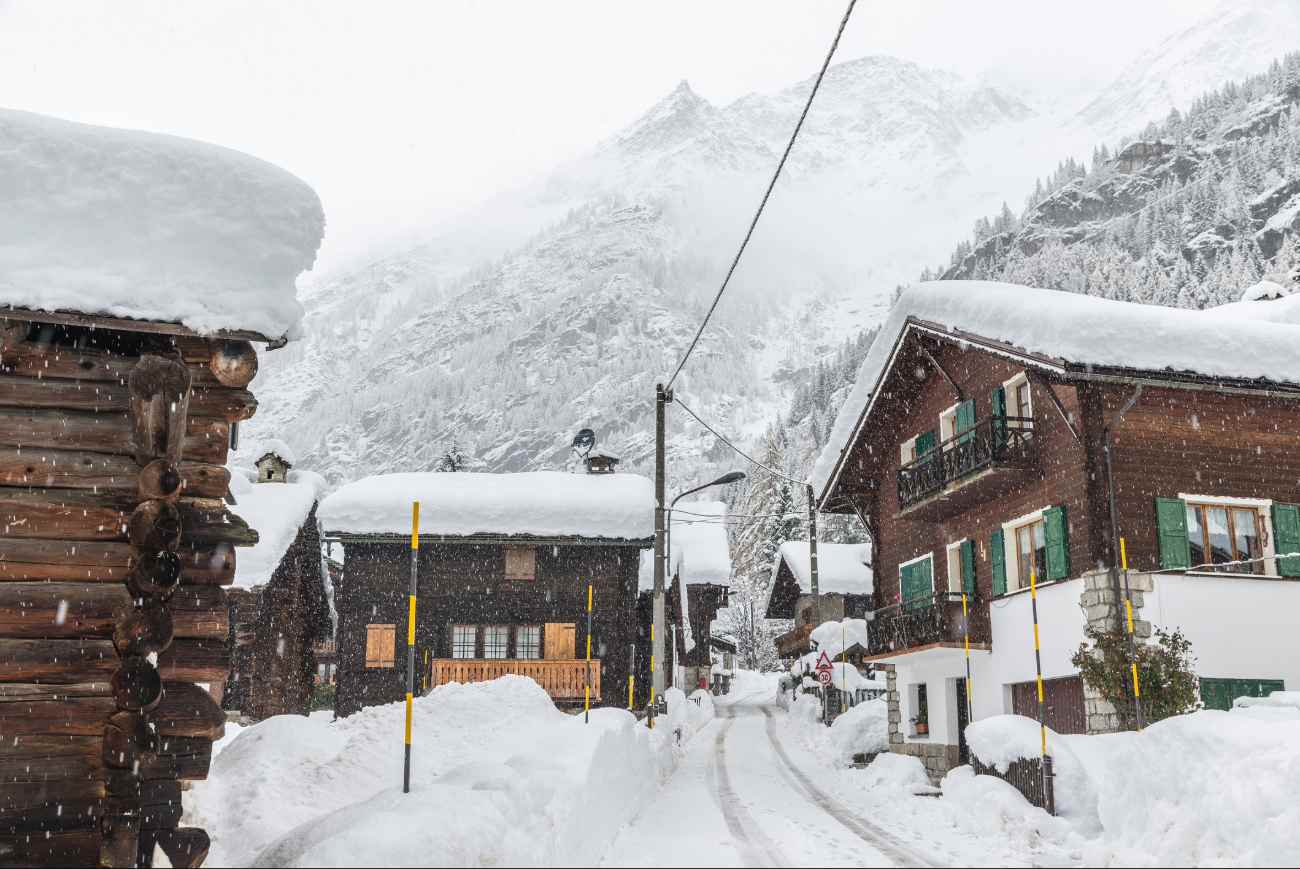
The first snowy mountain photos of the season have a way of bringing ski plans into focus. Social feeds fill with white peaks; snowfall predictions gather pace and talk of a “super El Niño” adds to hopes of a bumper winter.
But could warmer waters in the tropical Pacific really mean more powder in the Alps?
The answer is less straightforward than the headlines suggest. El Niño can influence winter weather, but it does not guarantee more Alpine snow. Local temperatures, altitude and storm tracks will shape what reaches the slopes and how long it stays.
Here’s what that could mean for your 2026–27 ski holiday.
How could El Niño affect snow in the Alps in 2026–27?
If you’re hoping El Niño means plenty of fresh snow for your Alpine trip, the answer is a little less clear-cut. It can influence European winter weather, but there’s no dependable rule that it will bring deep snow across France, Switzerland, Austria and Italy.
The Met Office points to an increased chance of milder, wetter and windier conditions in the UK during autumn and early winter, with wetter, stormier weather also more likely across north-west Europe. That gives us some clues about the season ahead, but it doesn’t tell us how much snow will settle on Alpine pistes.
What does the latest outlook say?
As of 23 October 2026, NOAA’s latest ENSO discussion, issued on 8 October, puts the chance of a strong-to-very-strong El Niño continuing through January–March 2027 above 83%.
That sounds encouraging if you’re picturing snowy slopes, but the percentage refers to El Niño’s strength, not the chances of fresh powder on your holiday.
For the Alps, the crucial question is how cold the air will be when storms arrive. A wetter spell could bring substantial snowfall if temperatures are low enough. Add milder air to the mix, though, and some of that extra moisture could arrive as rain.
Why altitude matters for rain and snow
You might arrive in resort with rain tapping against the transfer window, only to look up and see fresh snow coating the upper mountain. It’s quite possible for the same storm to bring both, with conditions changing as you head uphill.
Higher slopes are generally colder, so they have a better chance of catching snow when milder weather moves in. Further down, village runs and lower pistes may see rain or thawing instead. There’s no magic altitude that guarantees snow, though. The boundary between rain and snow moves with the weather, and temperatures during each storm matter more than the seasonal average might suggest.
When you’re weighing up resorts, look beyond the village height. Check where you’ll actually be skiing, particularly the slopes that suit your ability.
Could early and late winter bring different conditions?
Absolutely. One winter can squeeze in a slow start, a wonderfully snowy fortnight and a thaw, with the seasonal average doing little to tell the full story.
The Met Office notes that El Niño can be associated with colder, calmer conditions later in the UK winter. That doesn’t tell us what will happen in the Alps, though. Even when it turns colder, moisture and the right storm tracks still need to come together to deliver fresh snow.
So, if you’re planning Christmas skiing, a February half-term escape or an Easter trip, treat the seasonal outlook as an early guide. Local forecasts and resort reports closer to departure will give you a much clearer picture of what to expect during your week away.
What is a super El Niño, and how does it affect winter weather?
El Niño is a naturally occurring climate pattern involving warmer-than-usual surface waters in the central and eastern tropical Pacific. Changes in the ocean and atmosphere can influence weather far beyond the Pacific, including where rain falls and how storm tracks develop.
“Super El Niño” is a popular description of a particularly powerful event. The World Meteorological Organization uses the categories weak, moderate, strong and very strong, rather than “super”.
A stronger event can make some typical effects more likely, but it does not make weather everywhere predictable. Other climate influences and individual weather systems still play a part.
For skiers, it helps to think of El Niño as one influence on the winter ahead. The day-to-day forecast will provide the detail needed for your time on the mountain.
How has El Niño affected snow in previous winters?
Past El Niño winters show regional tendencies alongside plenty of variation. They also demonstrate why a season’s headline can tell a different story from a particular resort visit.
The Swiss Alps in 2015–16: a slow start, followed by change
The very strong 2015–16 El Niño coincided with a difficult start to winter in parts of the Swiss Alps.
Switzerland’s Institute for Snow and Avalanche Research, SLF, records a dry, exceptionally warm December with very little snow in many mountain areas. By late December, the Engadin valley at around 1,800 metres was practically snow-free.
Conditions changed in January. Snowfall improved the picture, particularly in western Switzerland, where some locations above 1,400 metres had above-average snow depths from mid-month. Later in January, rain reached above 2,500 metres. Kurzer und warmer Winter
That is a striking range of conditions within one winter. It illustrates the importance of timing, location and altitude, although it does not establish that El Niño caused each episode.
California: strong El Niño events, different outcomes
California offers another useful comparison. The very strong El Niño events of 1982–83 and 1997–98 brought well-above-normal precipitation across the state.
Yet 2015–16, another very strong event, produced near-normal precipitation across the northern two-thirds of California and below-normal precipitation in the southern third, according to the California Geological Survey.
These are precipitation records, covering rain and snow, rather than measurements of ski resort snowfall. They show that even powerful El Niño events do not deliver identical results.
How does El Niño affect snow in the USA and Canada?
North America has a more recognisable historical El Niño snowfall pattern, although it still varies substantially by region.
NOAA’s analysis of January–March snowfall during past El Niño winters shows a tendency towards increased snow in parts of the southern USA, especially higher, colder areas of the West. Reduced snowfall is more common across parts of the Pacific Northwest, northern Rockies and far western Canada.
These are averages across multiple winters, rather than guaranteed outcomes.
USA: could California and the southern Rockies benefit?
During El Niño, the Pacific jet stream tends to extend further east and shift south, helping direct moisture towards the southern USA. That can support mountain snowfall where temperatures are low enough.
For 2026–27, NOAA’s October winter outlook favours wetter conditions across the southern USA, including California, and warmer conditions across much of the north. Crucially, the outlook predicts temperature and total precipitation probabilities, rather than seasonal snowfall totals. National Oceanic and Atmospheric Administration
A wetter winter may be encouraging for some mountain areas, but storm temperatures will help determine how much arrives as snow.
Canada: does El Niño mean less snow?
El Niño often brings milder winter and spring conditions to western, north-western and central Canada. Eastern Canada generally experiences a weaker response, according to Environment and Climate Change Canada.
Alongside the historical tendency towards reduced snowfall in far western Canada, this can raise concerns for ski conditions. However, it does not mean Canadian resorts will be snow-free or that cold spells and significant snowstorms cannot occur.
For a Canadian ski holiday, consider the particular mountain and its elevation, rather than treating the country as one snow forecast.
How reliable are El Niño snow forecasts?
El Niño forecasts can help explain the likelihood of broad seasonal patterns. They cannot tell you whether fresh powder will arrive before your first lift ride.
Different information becomes useful at different stages:
| Information | What it helps you understand |
| Seasonal outlook | The likelihood of a warmer, colder, wetter or drier season across a broad area. |
| Local mountain forecast | Expected weather as your trip approaches, including temperature, wind and snowfall. |
| Resort snow report | Current snow cover, open pistes and operating lifts. |
| Avalanche bulletin | Current avalanche conditions and hazards relevant to mountain decisions. |
Snowfall and snow cover are also different measures. A large snowfall total does not reveal how much subsequently melted, how wind redistributed it or which slopes are open. Warmer conditions can reduce the snowpack even when snow has fallen.
For that reason, a dramatic seasonal headline is best followed by a closer look at the place you intend to ski.
Could heavy snow and El Niño weather disrupt ski travel?
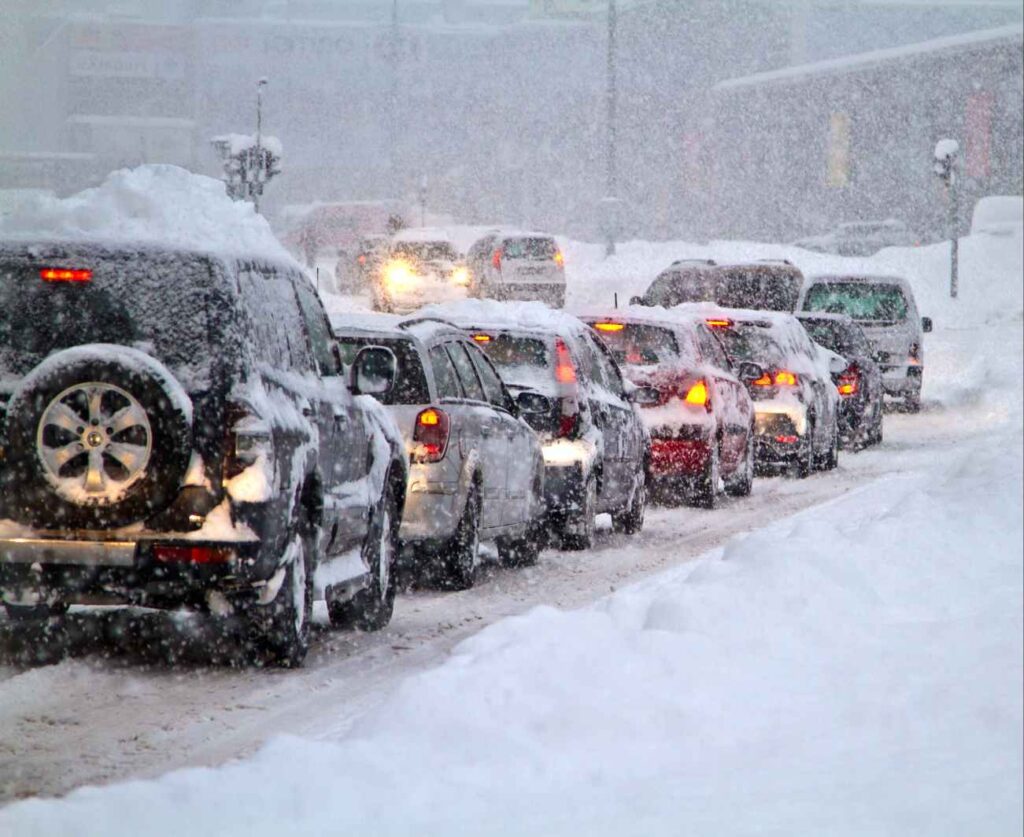
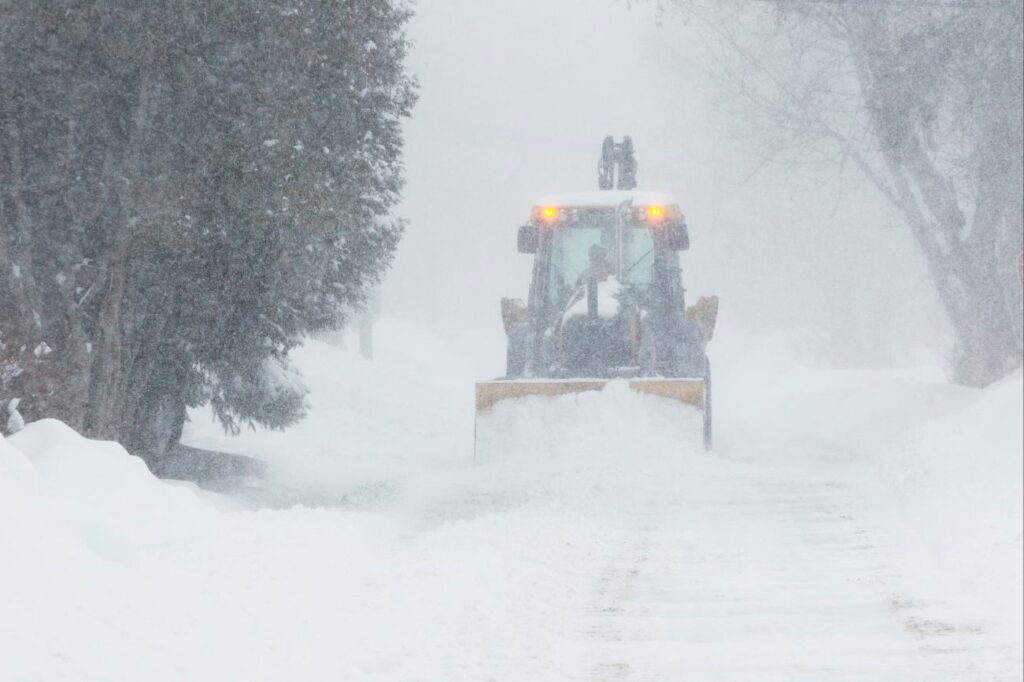
Fresh snow is exciting, although getting to it can sometimes take a little longer than you’d hoped. Heavy snowfall and ice can slow journeys, mountain roads may have temporary restrictions, and strong winds or avalanche-control work can put access to the slopes on hold.
You don’t have to be near the mountains to feel the effects, either. While snow builds higher up, heavy rain or storms could affect your airport or the roads along your transfer route.
Past El Niño winters offer examples of this wider disruption. California’s wet 1997–98 winter brought rain-related landslides and road damage. That said, travel disruption can happen in any winter, so El Niño shouldn’t automatically get the blame for every storm.
As your trip approaches, keep an eye on the whole journey, from getting to your UK airport to that final climb into resort.
What should you check before a ski holiday in 2026–27?
You don’t need to become a weather expert before packing your ski socks. A few practical checks can help you make sense of the headlines and feel more prepared for your trip.
Look beyond the village webcam
A snowy summit makes a lovely photograph, but what are conditions like where you’ll actually ski? Check the ski area’s elevation, which runs are open and whether there’s access to slopes that suit your ability. It’s also worth checking the beginner areas or your usual route back to the accommodation.
Keep an eye on local updates
As departure gets closer, follow local weather forecasts, resort snow reports and updates from your travel provider. Once you’re there, make checking lift information and local safety advice part of your morning routine.
Build some flexibility into your plans
Give yourself realistic transfer times and check your booking terms so you know your options if plans change. Having a few alternatives to skiing in mind can help, too. A day exploring the village or enjoying a leisurely lunch can still be a welcome part of the holiday while conditions settle.
Check your winter sports travel insurance
Before you head off, check that your winter sports travel insurance covers your destination, travel dates and the skiing or snowboarding you have planned. If your trip includes off-piste activities or competitions, take a closer look at any conditions that apply.
It’s also worth understanding the weather-related benefits, including any cover for travel delays, missed departure or piste closure. What’s included, and when you can claim, will depend on the policy’s terms, limits and exclusions. Disappointing snow conditions alone won’t necessarily mean you’re covered.
Watching the snow forecast is all part of the build-up to a ski holiday. With a little preparation and room for changing conditions, you can head away feeling ready to make the most of your time in the mountains.
Winter sports travel insurance for unexpected disruption
Unpredictable weather can be part of a winter sports holiday, but delays and changes to your plans are easier to manage with the right protection in place.
SportsCover Direct’s winter sports travel insurance can help protect you against unexpected costs, with cover for travel delay, missed departure, cancellation and curtailment, subject to the policy’s terms.
Alongside travel protection, the policy includes emergency medical treatment, search and rescue and sports equipment cover. Cover is also available for off-piste activities and certain disruption caused by a lack of snow, subject to specific conditions.
Discover more about what activities are covered in our winter cover, with skiing, snowboarding, ski racing and cross-country skiing, all available to add.
This blog has been created as general information and should not be taken as advice. Make sure you have the correct level of insurance for your requirements and always review policy documentation.