

When you’re skiing in freezing temperatures and challenging alpine weather, your first line of protection is your clothing. The right ski gear doesn’t just keep you comfortable, it protects you from cold, wind, moisture, and impact, giving you the security and confidence you need for a safe day on the slopes.
Alpine weather is naturally unpredictable. Conditions can change quickly, and it’s something you should always be prepared for. A bright, sunny morning can turn into strong winds and heavy snowfall within hours. This season in particular, many areas across the Alps have experienced heavier snowfall than usual. Media outlets are asking the question – has skiing become more dangerous?
There have been days of deep powder skiing, but also periods where avalanche risk has been unusually high. In some cases, resorts have partially or completely closed to reduce unnecessary danger.
If you’re a beginner, or simply new to skiing in heavy snow and colder conditions, the right gear becomes even more important. It’s not just about staying warm; it’s about protection, safety, and building confidence on the slopes.
It’s easy to focus on style, and cost is often a consideration, especially if you don’t plan to ski regularly. But understanding what your equipment is designed to do helps you make smarter choices and prioritize what truly matters.
This guide explains how ski clothing and equipment protect you, what each item is designed to do, and what to look for when choosing quality products.
Why ski gear matters for safety and performance
Skiing exposes you to:
- Cold temperatures and wind chill
- UV radiation reflected off snow
- Ice and hard-packed surfaces
- Variable visibility
- Fall and collision risks
- Avalanche danger (in certain terrain)
The right ski equipment reduces injury risk, prevents cold-related issues, and improves control helping you ski with confidence, especially in heavy weather conditions.
Essential ski clothing: Your first layer of protection
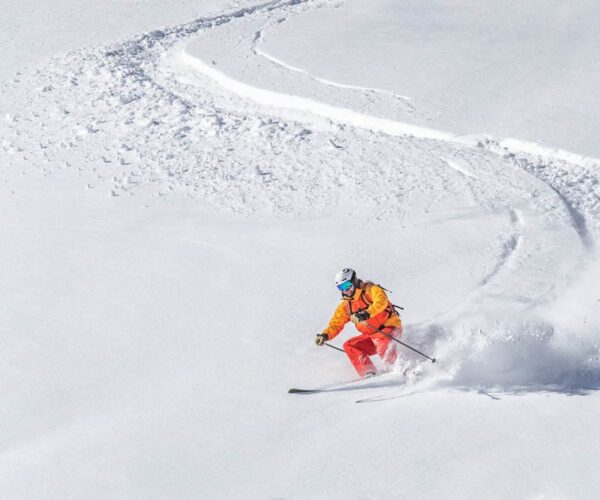
When you ski, you’re stepping into a fast-moving, cold, and unpredictable mountain environment. You’re exposed to freezing temperatures, wind chill, hard snow surfaces, changing visibility, and other skiers, all while moving downhill at speed.
The clothing and equipment you choose aren’t just about comfort. They’re your protection against injury, weather exposure, and loss of control. Each item plays a specific role in keeping you safe, warm, and confident on the slopes.
Ski helmet: Protecting against impact
When you ski, falls are part of the learning process. Even if you’re experienced, you can fall on icy patches, in poor visibility, or when another skier crosses your path. Without head protection, even a simple fall can become serious.
You need a ski helmet because it reduces your risk of traumatic head injury and gives you protection in unpredictable conditions.
What it protects you from:
- Concussion
- Head trauma from collisions
- Impact with ice, lift structures, or other skiers
What makes a good ski helmet:
- Certified safety standard (CE or ASTM)
- Snug, adjustable fit
- Ventilation control
- Lightweight design
- Optional MIPS technology for rotational impact protection
If you’re buying for a child, a helmet isn’t optional, it’s essential. Look for lightweight designs with secure chin straps and full coverage.
Ski goggles: Visibility equals safety
On the mountain, weather can change quickly. You might start in bright sunshine and find yourself skiing through flat light or snowfall an hour later. When you can’t clearly see the terrain ahead, your reaction time slows and your risk of falling increases.
You need ski goggles to protect your eyes and maintain clear vision in changing light and weather conditions.
What they protect you from:
- Snow blindness (UV reflection)
- Windburn
- Ice particles
- Reduced depth perception in low light
What makes a good pair:
- 100% UV protection
- Anti-fog double lens
- Lens category suited to conditions (low-light vs bright sun)
- Comfortable foam seal
- Helmet compatibility
When you can see clearly, you make better decisions, especially if you’re still learning.
Ski jacket: Shielding you from wind and snow
When you’re skiing, cold air alone isn’t the biggest threat, it’s the combination of wind, moisture, and sweat. If your clothing becomes wet, your body loses heat much faster. That’s when fatigue, stiffness, and even hypothermia becomes real risks.
You need a ski jacket that keeps you dry from the outside while allowing heat and moisture to escape from the inside.
What it protects you from:
- Hypothermia
- Heavy snowfall
- Wind exposure
- Internal dampness from sweat
What makes a good ski jacket:
- Waterproof rating of at least 10,000mm (20,000mm+ for heavy snow)
- Breathable membrane
- Snow skirt (powder skirt)
- Adjustable hood
- Ventilation zips
- Layer-friendly design
When you layer properly underneath (base layer + mid-layer), you give yourself flexibility to adapt to changing conditions.
Ski trousers or pants: Staying dry and mobile
As a beginner, you’ll likely spend time sitting in the snow while learning. Even experienced skiers sit on cold chairlifts and ski through wet snow. If your lower body gets wet, your muscles cool quickly and cold muscles are slower to react.
You need ski trousers that keep moisture out while allowing you to move freely.
What they protect you from:
- Snow soaking through fabric
- Wind exposure
- Restricted movement
What makes a good pair:
- Waterproof and breathable material
- Reinforced ankle cuffs
- Adjustable waist or bib style
- Insulation suitable for your climate
If you ski in deep snow, bib-style trousers give you extra protection from snow entering at the waist.
Ski gloves or mittens: Preventing frostbite
Your hands are constantly exposed, gripping poles, adjusting boots, touching snow, and riding lifts. They lose heat faster than most parts of your body. Once your hands become cold or numb, your grip weakens and your control suffers.
You need insulated, waterproof gloves or mittens to prevent frostbite and maintain dexterity.
What they protect you from:
- Frostbite
- Windburn
- Reduced grip strength
What makes a good pair:
- Waterproof outer shell
- Insulated lining
- Long cuffs
- Wrist straps
If you tend to feel the cold, mittens usually keep you warmer. If you need more dexterity, gloves may suit you better.
Ski boots
Your ski boots are the direct connection between your body and your skis. If they don’t fit properly, you’ll struggle to control your movements. Poor alignment or loose support increases your risk of falling and can strain your knees.
You need boots that fit snugly and support your ankles without causing pain.
What they protect you from:
- Ankle instability
- Loss of balance
- Knee strain from improper alignment
What makes a good ski boot:
- Proper fit (snug but not painful)
- Appropriate flex rating (softer if you’re a beginner)
- Warm insulated liner
- Secure buckles and strap
If you’re buying for a child, prioritize warmth and comfort — cold feet often end ski days early.
Skis and bindings
Your skis and bindings directly affect how stable and confident you feel. Bindings are designed to release during certain falls to help protect your knees. If your equipment isn’t correctly sized or adjusted, your injury risk increases significantly.
You need skis that match your height and ability level, and bindings that are professionally set.
What they protect you from:
- Knee injuries (bindings release during falls)
- Instability on icy slopes
- Loss of edge grip
What makes a good setup:
- Correct ski length for your height and ability
- Properly adjusted DIN binding setting
- Good edge condition
- Wider skis for deep snow conditions
Always have your bindings adjusted professionally — especially if you’re new to skiing.
Avalanche safety equipment
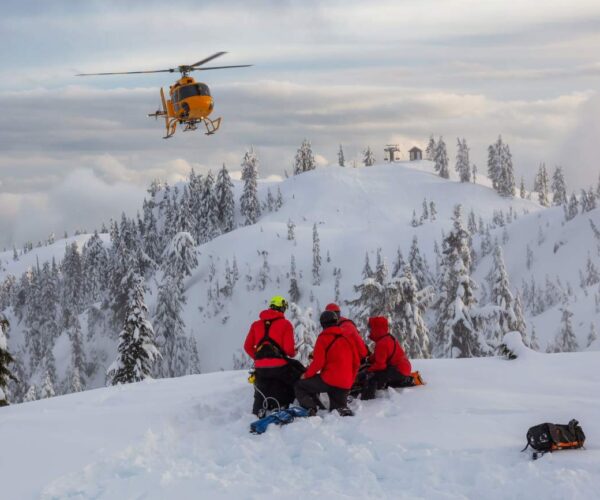
Avalanche kit (Transceiver, Probe, Shovel)
For those going off-piste, into backcountry or even alongside marked pistes having the proper avalanche equipment is so important as, if you do find yourself involved in one, avalanche safety equipment can be used to locate and rescue you.
What it protects against:
Delayed rescue time, which dramatically reduces survival chances.
What makes good equipment:
- Modern 3-antenna digital transceiver
- Lightweight aluminium shovel
- Durable probe (240–300cm)
Knowing how your equipment works, what to check that it all works correctly is as important as the gear itself.
Avalanche airbag
Designed to help keep you near the surface during an avalanche by increasing volume when deployed. Particularly recommended for advanced skiers exploring backcountry terrain.
Other essential ski accessories for safety
- Sunglasses
- Protect against UV radiation when not wearing goggles.
- High-SPF Suncream
- Snow reflects up to 80% of UV rays. Apply SPF 30–50+, even on cloudy days.
- First Aid Kit – Include blister plasters, bandages, pain relief, and an emergency blanket.
- Whistle
- Small but effective in poor visibility or emergency situations.
- Neck Warmer or Buff
How the right ski gear enhances your confidence
Wearing appropriate ski gear does more than protect you, it improves your skiing.
- Warm muscles react faster
- Clear visibility improves decision-making
- Properly fitted boots enhance control
- Reliable bindings reduce fear of injury
- Feeling protected increases confidence
For beginners especially, confidence is key to progression. When you’re not worrying about cold hands, foggy goggles, or slipping boots, you can focus on technique and enjoying the mountain.
Invest in protection
Skiing in modern alpine conditions, particularly during heavy snowfall and colder seasons, requires preparation. The right ski clothing and equipment protect you from injury, cold-related risks, and unpredictable weather.
If you’re unfamiliar with heavy snow conditions, focus first on the essentials. Make sure you have a properly fitted helmet to protect against impact. Choose waterproof outerwear that keeps you dry in changing weather. Invest in quality goggles to maintain clear vision in bright sun, flat light, or snowfall. And if you plan to venture beyond marked pistes, take avalanche awareness seriously and understand the additional equipment and training required.
The mountains are incredible, but they demand respect. With the right ski gear, you’ll not only stay safer, you’ll feel more confident and enjoy every run that much more.
It’s also sensible to protect yourself beyond the slopes. Even with the right equipment, accidents, medical emergencies, or travel disruptions can happen. Having suitable winter sports insurance in place ensures you’re covered for the unexpected, giving you added peace of mind throughout your trip.
Protect yourself and your gear with Winter Sports Insurance
Winter Sports Insurance can provide all the usual travel cover you’d expect, while also offering specialist protection for winter sports, helping you avoid costly setbacks if things don’t go as planned.
SportsCover Direct has a winter sports insurance policy that can be tailored to several different ski disciplines – select the activities you need when you get a quote.
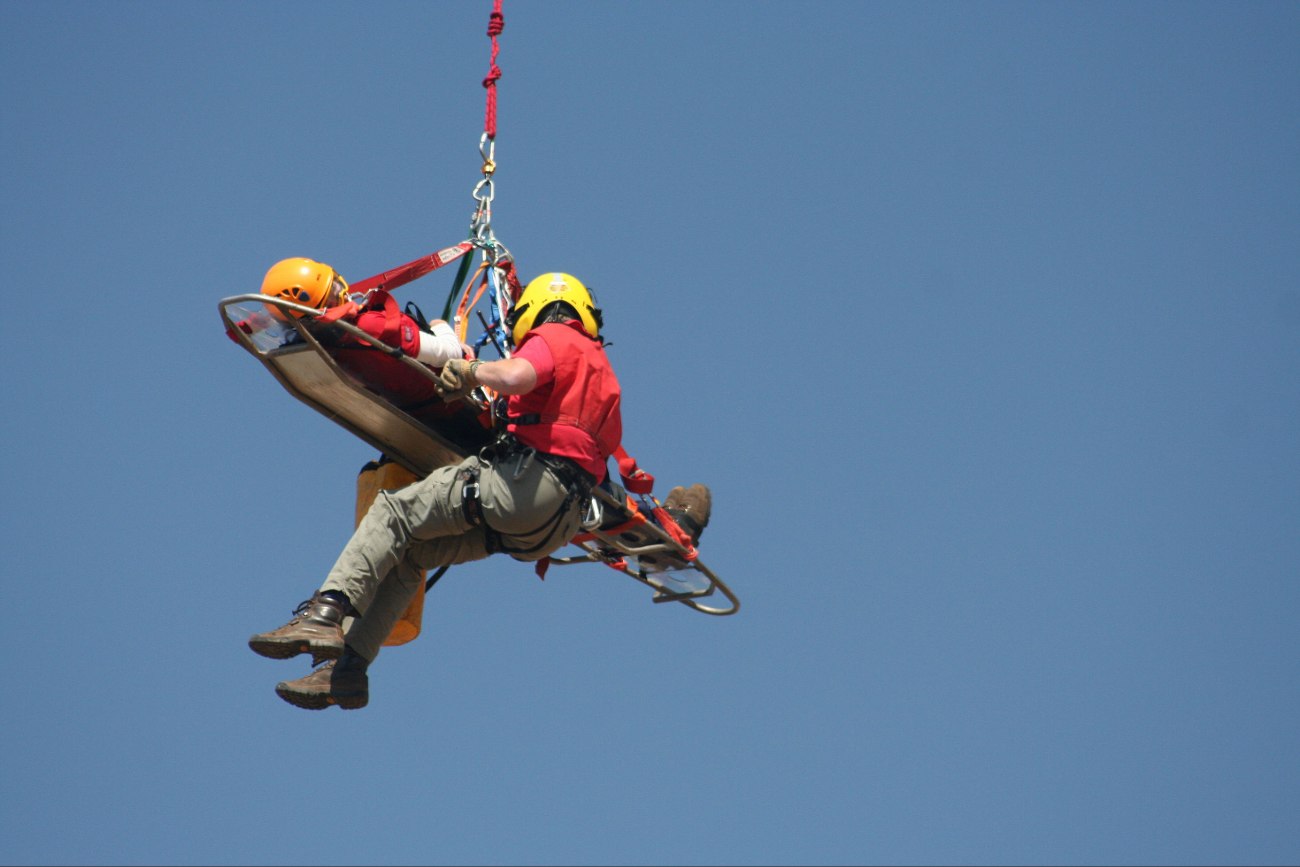
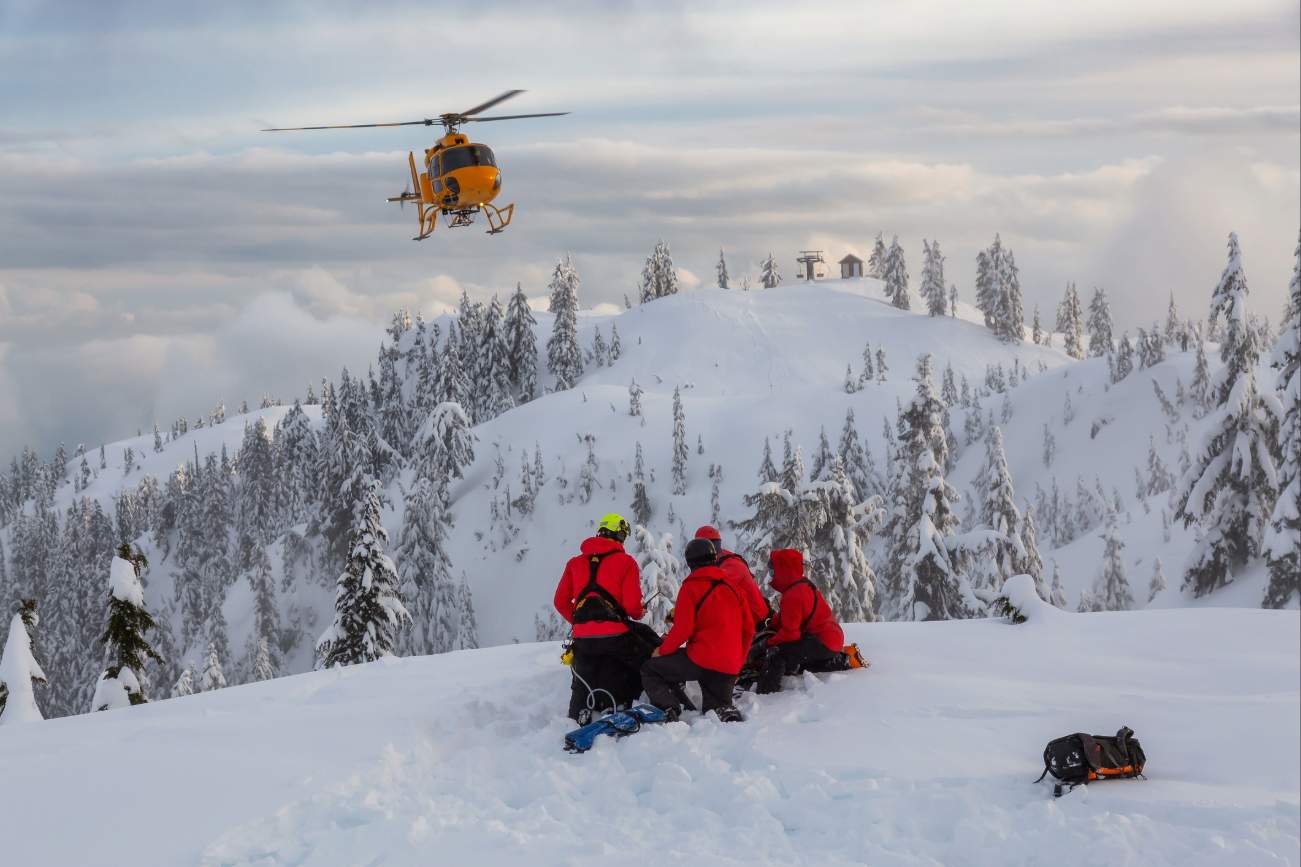
Our policy can cover for travel delay, abandonment and missed departure, medical emergencies, cancellations, personal liability, lost or damaged equipment, search and rescue operations, and even off-piste skiing, provided you follow local advice.
Find out more about our specialist winter sports travel policies online.
This blog has been created as general information and should not be taken as advice. Make sure you have the correct level of insurance for your requirements and always review policy documentation.