

For many travellers, when off on a winter sports trip the focus is on flights, accommodation, and lift passes, with insurance often an afterthought or a rushed final step. However, one of the most overlooked scenarios is that standard travel insurance rarely includes adequate cover for winter sports by default. As a result, many people only discover gaps in their protection when they need to make a claim.
Common errors include missing winter sports add-ons, undeclared activities, or misunderstandings around what is and isn’t covered. SportsCover Direct offers a specialist sports travel policy designed to help travellers avoid these pitfalls. This article aims to remove that uncertainty and highlight the key aspects of winter sports cover to be aware of.
One of our Senior Insurance Sales Executive, Hollie Dodds, has been following your most frequently asked questions. Drawing on her experience supporting customers and awareness of real claims scenarios, she’s helped clarify the areas of winter sports travel insurance that most often need extra explanation, before you travel.
Sports Equipment – Protecting Ski & Snowboard gear
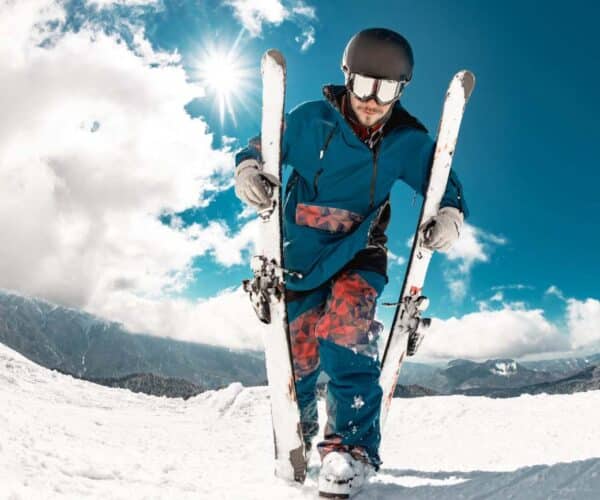
Ski and snowboard equipment is essential for taking part in winter sports and protecting it is a core feature of winter sports travel insurance. Whether owned or hired, this equipment is often high in value and can be vulnerable to loss, theft, or accidental damage while travelling or on the slopes.
Often overlooked is the full extent of the sports equipment cover and how it applies, particularly whether it extends to personal equipment, hired equipment, or both.
Hollie’s comments: With SportsCover Direct “Depending on the circumstances your cover can assist with repairs to your equipment, replacing stolen items or providing hired equipment in the interim, to the value of what you’ve selected.
Also worth considering is if a bag is lost or delayed by an airline, sports equipment cover can help towards the cost of hiring replacement equipment and specialist clothing, so customers can still take part in their activity.”
It’s important to note that if equipment is lost by an airline, responsibility usually sits with the carrier, and cover will depend on the airline’s own terms and conditions.
Search and Rescue
Search and Rescue is another area that can be useful to clarify as there can be misconception as to what’s involved.
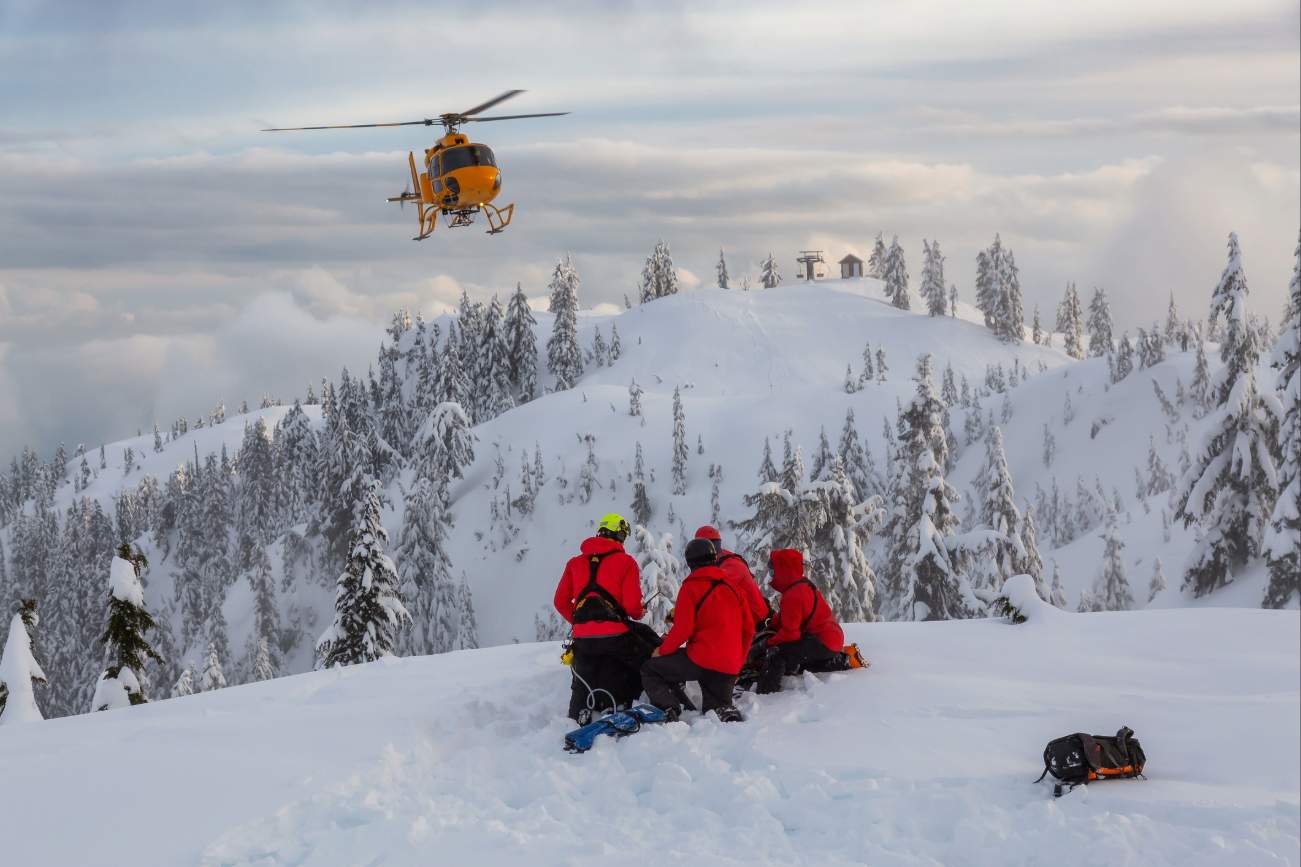
In a mountain environment, search and rescue can involve official civil or police rescue teams, sledges and specialist vehicles, helicopters or aircraft, and extraction from remote or dangerous terrain.
Importantly, Hollie highlights how Search and Rescue is not the same as Medical Evacuation. Here’s a simple distinction to clarify:
- Search and Rescue: This involves finding you, getting to you, and safely bringing you out of a place that’s dangerous or hard to reach.
- Medical Evacuation: This involves, transporting you to further medical care once rescuers have reached you and you need treatment elsewhere.
While search and rescue may be included under winter sports cover, medical evacuation and emergency treatment are typically covered under separate medical sections of the policy, along with repatriation if you need to return to the UK for further treatment.
Off-Piste Skiing
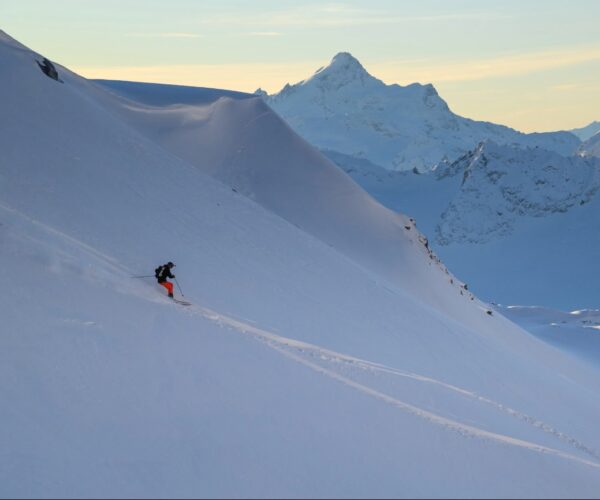
Many policies will require you to select a bolt-on to provide the cover you need for off-piste skiing. More specialist policies can cover you in one, provided you select the activities you’re taking part in.
On-piste vs off-piste defined
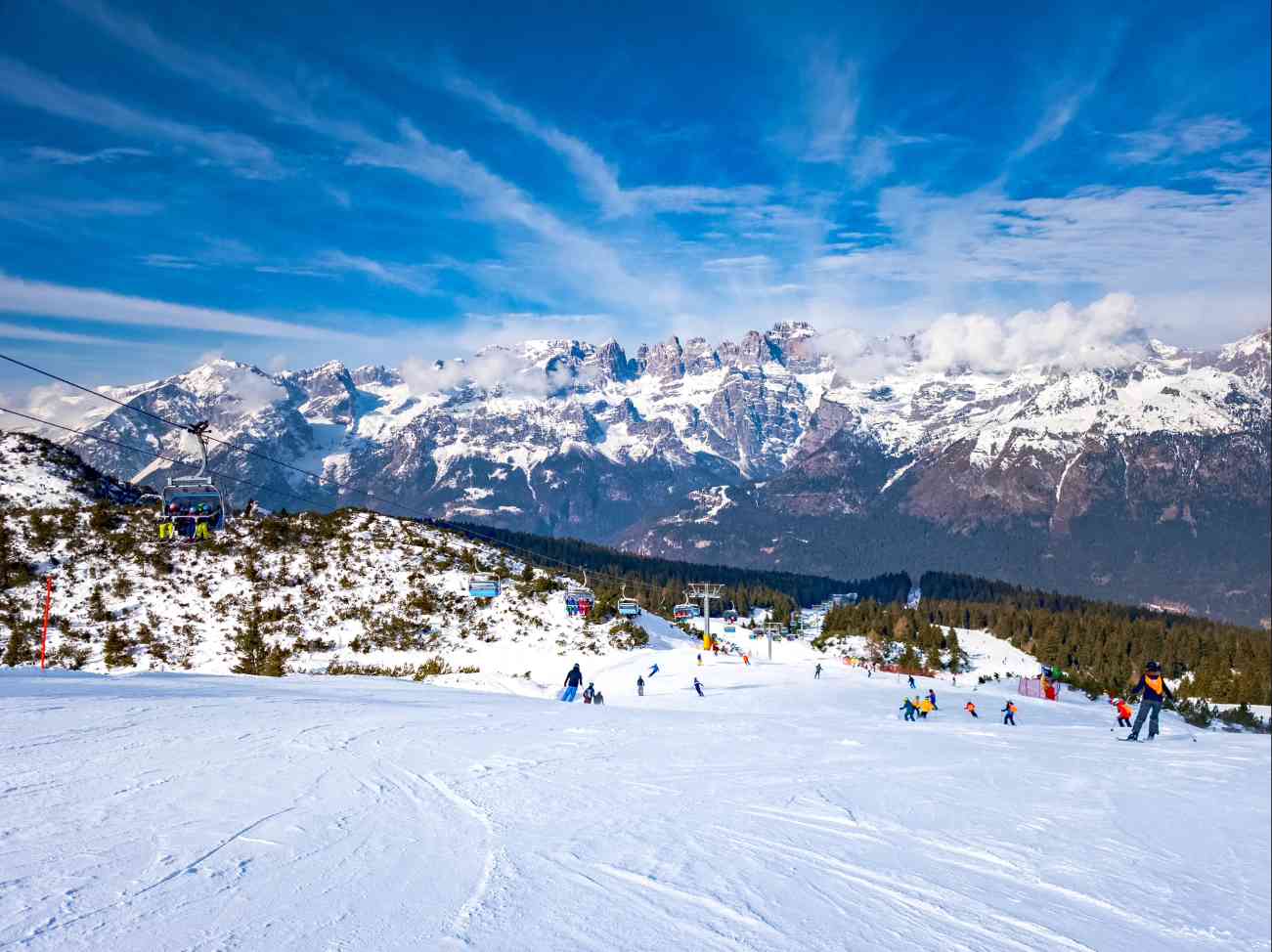
- On-piste: marked and maintained runs
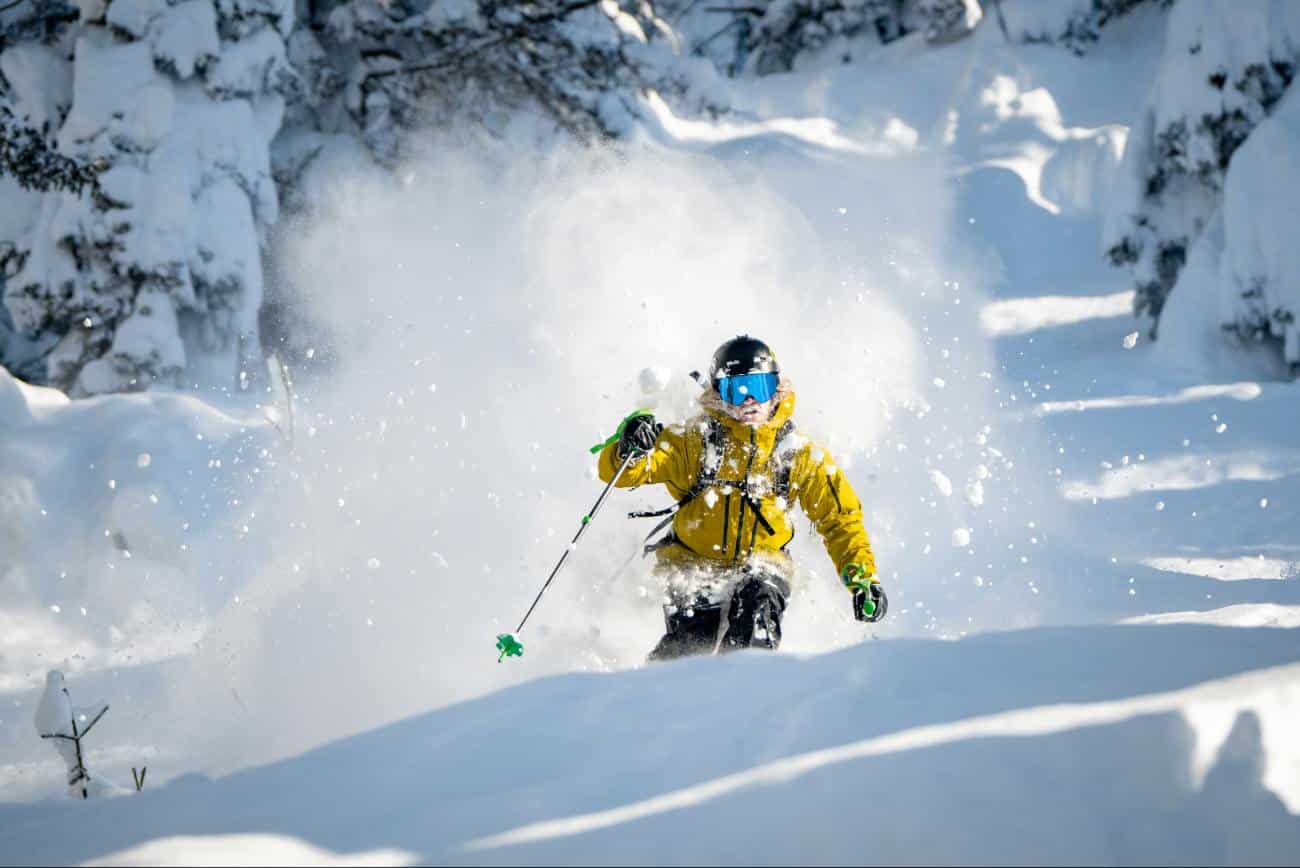
- Off-piste: any area outside marked runs, even if close to the resort
Hollie clarifies with SportsCover Direct: “You’re covered for off-piste activities as long as you’ve selected the activity, follow local resort guidance, and are accompanied by at least one other person who can raise the alarm if needed. A professional guide is not required.”
It’s also important to note that ignoring local advice, piste closures, or avalanche warnings can invalidate cover even if off-piste has been selected.
Choosing the right activities – alpine skiing, off-piste skiing, snowboarding?
Not all skiing is treated the same by insurers. One of the most frequent queries we receive relates to activity classification.
With SportsCover Direct we make it simple to select the activities you participate in. You can read our breakdown of different skiing disciplines to understand what you’ll need.
Hollie suggests “you’ll want to differentiate between the activities you’ll be doing as some carry a higher level of risk and may affect the premium. For example, off-piste skiing presents a higher risk than standard on-piste skiing.”
Activities to consider declaring include skiing or snowboarding, on-piste or off-piste skiing, alpine or cross-country skiing, snow parks and freestyle features, racing or training, and advanced disciplines such as ski touring or heli-skiing.
Motorised equipment and animal associated liability cover
Another common query relates to public liability cover when taking part in winter activities involving motorised equipment or animals.
Activities such as snowmobiling or reindeer sledding often fall outside standard winter sports definitions.
Hollie emphasises: “These activities may be excluded under public liability sections or require additional cover, so it’s important to check how they’re treated before taking part.”
Other common queries explained
Standard Travel Insurance vs Winter Sports Cover
Standard travel insurance usually includes:
- Emergency medical treatment
- Cancellation and curtailment
- Baggage and personal belongings
Winter sports are treated as higher-risk activities, which is why they usually require an additional winter sports extension.
Knowing what’s included in your policy is paramount to ensuring you’re properly protected. Activities can be limited in standard policies so it’s much easier to opt for a policy inclusive of winter sports cover.
Winter sports limits to be aware of
It’s frequently queried and important to know the limits of your policy. If you are skiing for a season, you will likely need a longer-term policy.
With SportsCover Direct our annual policies cover a limit of 60-day winter sports cover, which applies across the entire policy year. This can be one long trip or multiple shorter trips.
Emergency medical treatment & repatriation
Medical cover is one of the most critical aspects of winter sports insurance and is typically included in your travel insurance. However, with higher risk activities it’s worth ensuring you have the limits you need.
This may include:
- Hospital stays abroad
- Transfers between medical facilities
- Repatriation to your home country
Medical costs can escalate quickly in ski resorts, particularly outside Europe, making medical limits a key consideration.
Activity participation cover
These costs can be classified differently in winter sports policies, activity fees can represent a significant upfront cost.
If you’re unable to take part due to accident, illness, or injury, policies may reimburse the unused portion of:
- Lift passes
- Ski or snowboard lessons
- Permits and registration fees
- Equipment hire
- Race entry fees (where applicable)
Lack of snow & resort closure cover
With increasingly unpredictable snow conditions, travellers often ask what happens if a resort cannot operate.
Policies may offer cover if a resort is forced to close due to:
- Lack of snow
- Avalanches
- Natural disasters
This can include:
- Costs to relocate to another resort
- Compensation if relocation isn’t possible
- Limits, daily caps, and waiting periods apply
Details are usually found in policy documentation and may vary.
Common caveats that invalidate claims
Claims are most often impacted when:
- Piste closures or safety warnings are ignored
- Alcohol or drugs are involved
Read more on the après ski – skiing and drinking endorsement with insurance
- Local laws or resort rules aren’t followed
- Activities undertaken weren’t declared
Claims reality: The most common winter sports injuries
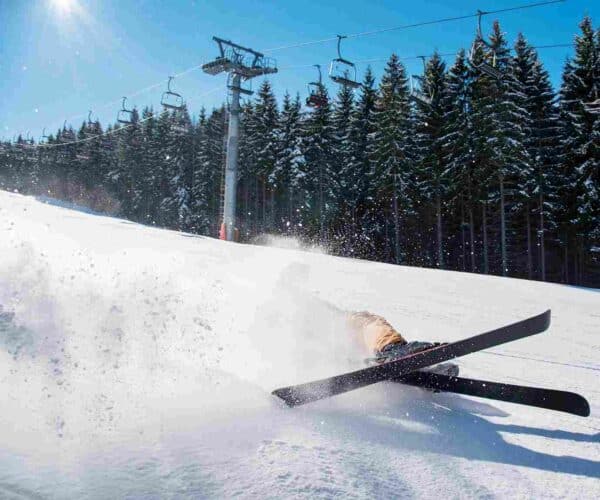
Winter sports injury claims from 2023–2024 show that most incidents stem from inexperience, loss of control, falls, or poorly maintained equipment. Of all winter sports claims reviewed, 60.4% involved an injury, with knee injuries being the most common (around 21%), followed by shoulder (18%) and leg injuries (13%).
Nearly half of all claims related to skiing, with off-piste skiing, snowboarding, ski racing and training, and off-piste snowboarding making up the remainder of the top activities.
Winter sports participants were twice as likely to make a claim compared to other sporting activities, highlighting the importance of suitable cover.
How to avoid being underinsured
Ultimately it is up to you to choose the right policy for your requirements
To reduce the risk of unexpected costs:
- Read policy wording carefully
- Declare all planned activities
- Understand exclusions and limits
- Select appropriate winter sports extensions
While it’s tempting to choose the cheapest option, winter sports claims show that insufficient cover can be far more expensive when it matters most.
Due to the nature of the sport, the possibility of getting injured whilst skiing is relatively high due to the nature of the sport. With this in mind, it’s important to financially protect yourself from the costs of receiving medical treatment in a foreign country.
Whilst there are ways to avoid injuries on a ski trip, taking out specialist winter sports insurance ensures you will have comprehensive cover and can enjoy your winter holiday without the worry of unexpected bills.
Be aware that some travel insurance policies will exclude skiing, snowboarding and many other activities on the slopes. So, if you have an accident and are not covered, you could be left to pick up the bill. Make sure you have the correct cover.
Securing Winter Sports Insurance is simple with SportsCover Direct
At SportsCover Direct we cover a variety of winter sports disciplines including off-piste skiing, cross-country skiing, ski jumping and a whole host of other activities on and off the mountain, select the activities you need when you get a quote.
Our policy provides comprehensive protection, including a 24-hour emergency medical helpline, emergency medical expenses, repatriation, search and rescue services, cancellation cover, personal liability, and cover for lost, damaged or stolen equipment.
Our winter sports travel insurance policy lets you choose the activities that suits you.
Get a quote for your sports and activities online.
This blog has been created as general information and should not be taken as advice. Make sure you have the correct level of insurance for your requirements and always review policy documentation.