

Winter triathlon brings these experiences together, combining running, mountain biking and cross-country skiing in one race on snow. It gives the familiar three-sport format a wintry twist, where technique and adapting to the terrain matter alongside fitness.
Part of its appeal is the meeting of two sporting worlds: the endurance of triathlon and the skill of winter sports. Even from the sidelines, it’s an intriguing combination — and a fresh source of inspiration for spending time outdoors during the colder months.
Here’s what winter triathlon involves, how it works and where it fits into the wider world of winter adventure.
What is a winter triathlon?
Winter triathlon is a multisport race combining running, mountain biking and cross-country skiing, usually on snow-covered terrain. Athletes complete the disciplines consecutively, changing equipment in transition areas. There is no swimming, and the distances, course conditions and number of stages depend on the event.
It is different from a conventional swim-bike-run triathlon that happens to take place during winter. Flying somewhere warm for a January race could extend your usual triathlon season. Winter triathlon introduces a different discipline altogether.
| Part of the race | What to expect |
| Running | A course where snow and changing grip can influence your pace |
| Mountain biking | Off-road riding, with snow conditions adding to the handling challenge |
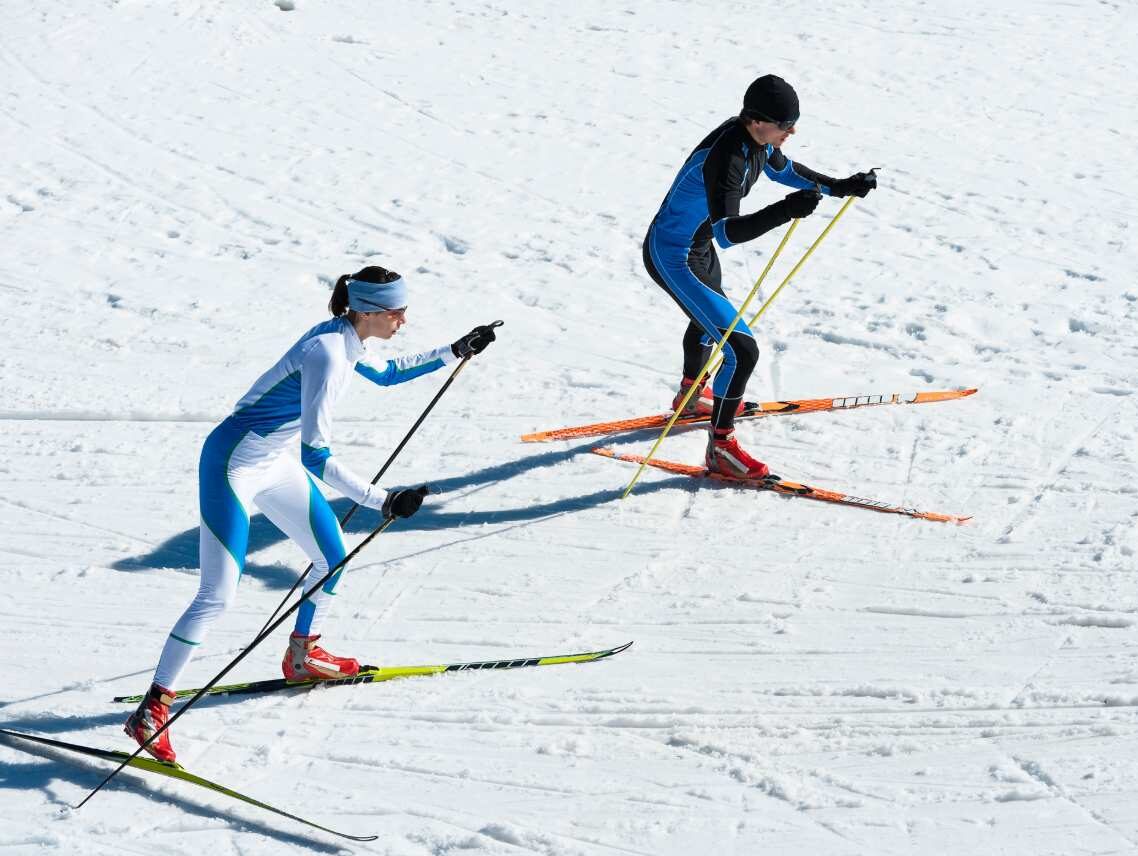
| Cross-country skiing | Propelling yourself along a Nordic ski course using skis and poles |
Cross-country skiing involves travelling across terrain under your own power, including flat sections and climbs. Also called Nordic skiing, it requires different equipment and techniques from downhill skiing.
The appeal is easy to see familiar race-day energy, a new skill to master and a very different view from your usual training route.
How long is a winter triathlon?
There is no single distance that describes every winter triathlon. Look at the event’s published course rather than assuming it matches a conventional sprint or Olympic-distance race.
As an example, the 2026 elite World Championship course in Padola, Italy, comprised of 8 km of running, 12 km of mountain biking and 12 km of skiing. Age-group athletes raced half that distance. Those were event-specific distances, rather than a template for every race.
Distance is only part of the picture. Check elevation, terrain, snow conditions and any cut-off times before deciding whether a course suits you.
Can amateurs enter a winter triathlon?
Yes – winter triathlon has amateur age-group racing, including at international championship level. Age-group athletes compete in categories, rather than as elite professionals. Championship participation is managed through national federations and subject to their eligibility and selection requirements.
For other organiser-led races, check whether international participants are accepted and what membership, licences or supporting documents are required. Ask about the course and expected ski competence before committing.
Where can you find a winter triathlon to enter?
Italy is a useful place to begin your research. Cogne hosted the Winter World Championships in 2025, followed by Padola in 2026. These are recent examples of the sport’s alpine settings, rather than confirmed future entry opportunities.
Looking ahead, the Italian Triathlon Federation has announced a four-race national winter triathlon circuit for January and February 2027.
You can also browse World Triathlon’s event calendar and national federation calendars for winter racing.
Before a promising location turns into a flight booking, establish:
- Can you enter? Check international eligibility, categories and required paperwork.
- Can you manage the course? Review the distance, elevation, technical demands and cut-offs.
- Can you arrange the equipment? Confirm what you must bring and what suitable kit is available locally.
- Can you prepare there? Look for lessons, practice trails and official familiarisation sessions.
A training trip to a Nordic ski destination could also be a worthwhile first step. You get the winter scenery and the pleasure of trying something new, with more room to learn at your own pace.
What equipment do you need for a winter triathlon?
You may already own some useful running and cycling kit. The ski equipment is likely to be the biggest new consideration.
| Discipline | Equipment to consider | Before buying or packing |
| Running | Footwear suited to the expected surface and any permitted traction aids | Check the athlete guide and anticipated conditions |
| Mountain biking | A suitable mountain bike, tyres, helmet and repair kit | Check the event’s bike and tyre requirements |
| Cross-country skiing | Skis, compatible boots and bindings, plus poles | Match the equipment to your size, ability and intended technique |
| Across the event | Layers, gloves, eye protection and warm clothing for before and after racing | Practise in your chosen kit and plan for changing conditions |
Cross-country ski equipment differs between classic and skate skiing. Hire can be a useful way to try the sport before investing but arrange it in advance and confirm that the equipment is suitable for your event.
Which rules should you know?
Under World Triathlon’s current winter triathlon rules, road handlebars and clip-on aero bars are prohibited on the bike. Athletes may push or carry their bike where needed and must carry out their own repairs. Skiing inside transition is prohibited.
How do you prepare for your first winter triathlon?
A strong engine helps. Being able to use it efficiently across three different disciplines helps even more.
Give the ski leg proper attention
Cross-country skiing has two main techniques: classic, with a forward striding movement, and skating, with a sideways push. They use different equipment, and you should check what your intended race permits or requires.
Book instruction so you can learn balance, braking, turning and climbing as well as moving forward. Gliding along a gentle trail is a good beginning; controlling your skis on a descent is another skill worth developing.
Downhill skiing experience may help you feel comfortable around snow but leave room to learn the Nordic technique itself.
Practise control as well as endurance
Ask yourself how much of your cycling experience matches the course you want to ride. Off-road practice can help you become more comfortable with uneven surfaces, cornering and changes in grip.
Where you have access to suitable snow conditions, seek local advice and practice within your ability. Use early sessions to learn how the equipment responds, rather than chasing your usual pace.
For running, prepare for the surface and terrain described by the organiser. Your road-running pace need not become your target on a snowy course.
Rehearse the small things
Practise changing footwear, fastening your helmet and handling skis and poles in the correct places. Test your layers, gloves and race-day food during training.
For an overseas event, leave enough time to assemble equipment, collect your number and attend any available official familiarisation session. A little breathing space can make the trip feel far more enjoyable.
What other winter sport challenges could you try?
You do not have to combine three sports immediately. A single-discipline event can give you a taste of winter competition while you build towards something bigger.
Winter duathlon
Winter duathlon combines running and cross-country skiing, removing the bike leg. It is contested alongside winter triathlon at the Winter Championships. Check the specific format, as some races repeat the disciplines.
It could appeal if running is your strongest sport and skiing is the new skill you want to develop.
A short cross-country ski race
Cross-country skiing brings some of the endurance appeal of triathlon into a sport you may recognise from the Winter Olympics. Winter triathlon itself is not currently an Olympic event.
Shorter distances still require preparation, but they can offer a more manageable first goal while you develop ski confidence.
Snowshoe races or amateur alpine racing
Snowshoe events could interest runners curious about competing on snow. Look carefully at elevation, terrain and required experience.
If downhill skiing is already your sport, an amateur alpine race may offer a different competitive goal.
The best first winter challenge is one that excites you and gives you a realistic opportunity to enjoy the experience.
What should you check before booking your winter sports trip?
Start with your entry eligibility and preparation, then bring the wider trip together.
Confirm transfers, equipment arrangements and accommodation access.
Insurance deserves the same attention as the race format. When arranging cover, explain that you will be running, mountain biking and cross-country skiing, including training and competitive participation. Check you’ve covered for the exact activities involved.
Triathlon Travel Insurance can help protect overseas sporting trips through benefits such as emergency medical treatment and repatriation, cancellation and equipment cover, subject to the selected policy and its terms.
However, this won’t necessarily extend to a winter triathlon due to the nature of the activities, you may need to add competitive skiing and mountain biking to your activity list.
Find out more about winter sports travel insurance and triathlon cover from SportsCover Direct. Explore the range of activities you can include, over 500 sports are available.
This blog has been created as general information and should not be taken as advice. Make sure you have the correct level of insurance for your requirements and always review policy documentation.