
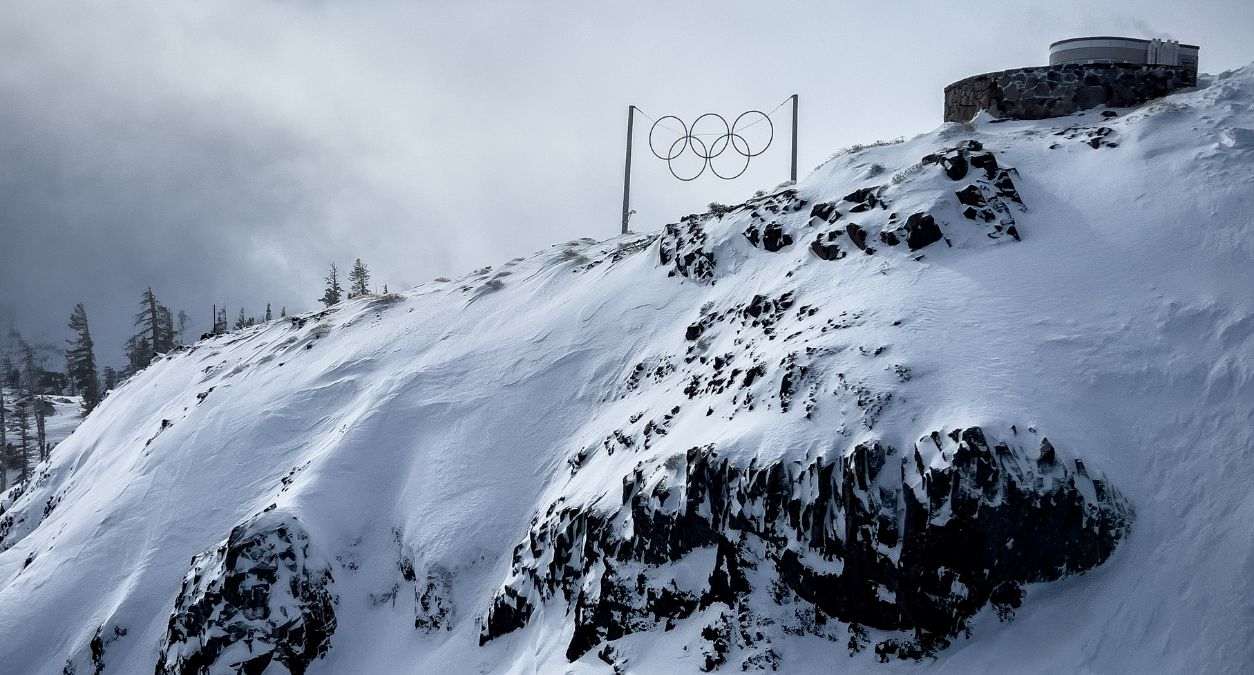
The 2026 Winter Olympics, officially known as the XXV Olympic Winter Games, are set to take place from the 6th to 22nd of February 2026 in Milan and Cortina d’Ampezzo, Italy. This marks the first time Italy will host the Winter Games since the 2006 Turin Olympics, making it a highly anticipated return to the Italian Alps. With 116 medal events across 16 disciplines, the Games offer a mix of classic winter sports and exciting new events designed to captivate both traditional fans and younger audiences.
Italy’s dual-city hosting strategy, combining the urban energy of Milan with the alpine charm of Cortina, provides a diverse Olympic backdrop. Milan, with its modern infrastructure, will host indoor events and the opening ceremony, while Cortina, historically hosting the games in 1956 and well situated in the heart of the Dolomites legendary ski terrain, will host skiing, snowboarding, and other alpine sports. This combination promises a unique Olympic experience for athletes and spectators alike.
New and returning sports at the 2026 Winter Olympics
The 2026 Winter Olympics will blend tradition with innovation. While familiar events like alpine skiing, ice hockey, and figure skating continue to draw massive global audiences, the introduction of new sports such as ski mountaineering highlights the International Olympic Committee’s (IOC) effort to modernise the Games.
New events
- Ski Mountaineering – Making its Olympic debut in 2026, ski mountaineering features men’s sprint, women’s sprint, and a mixed relay. Athletes climb steep slopes before racing down challenging alpine terrain, requiring endurance, technical skill, and split-second decision-making. From a British perspective, Graham Bell, a well-known winter athlete and coach, has been involved in ski mountaineering and extreme skiing events. While he may not be competing in 2026, referencing him adds a local connection and highlights GB’s involvement in this growing sport.
- Women’s Large Hill Ski Jumping – For the first time, women will compete in large hill ski jumping. Leaping off a 140-meter ramp, athletes must combine balance, precision, and courage, offering a spectacular display of athleticism while promoting gender equality. Rising British ski jumper Aisling Farrell has been making strides internationally, adding a homegrown athlete to watch in this historic event.
- Mixed Team Skeleton – Skeleton introduces a mixed relay, with men and women combining scores. Precision, team coordination, and mental focus are crucial as athletes hurtle head-first down icy tracks at speeds exceeding 120 km/h. Can current GB skeleton competitors, such as Laura Deas, match the legacy of Lizzy Yarnold’s gold medal wins?
- Women’s Doubles Luge –Reintroduced for 2026, women’s doubles luge requires perfect coordination and razor-sharp control. British luge competitors are fewer, but Adam Rosen, a retired GB sledder, can be referenced for historical context. The UK is also developing female athletes in luge, emphasizing growth and future potential in the sport.
- Team Alpine Combined – Replacing individual combined events, this team-based competition allows nations to field a team of skiers contributing to an overall score. The event showcases collaboration, technical skill, and speed. Graham Bell’s mentoring influence historically connects GB athletes to Alpine skiing, although medal chances remain challenging.
Returning events
While new events bring excitement, returning disciplines remain the backbone of the Winter Olympics:
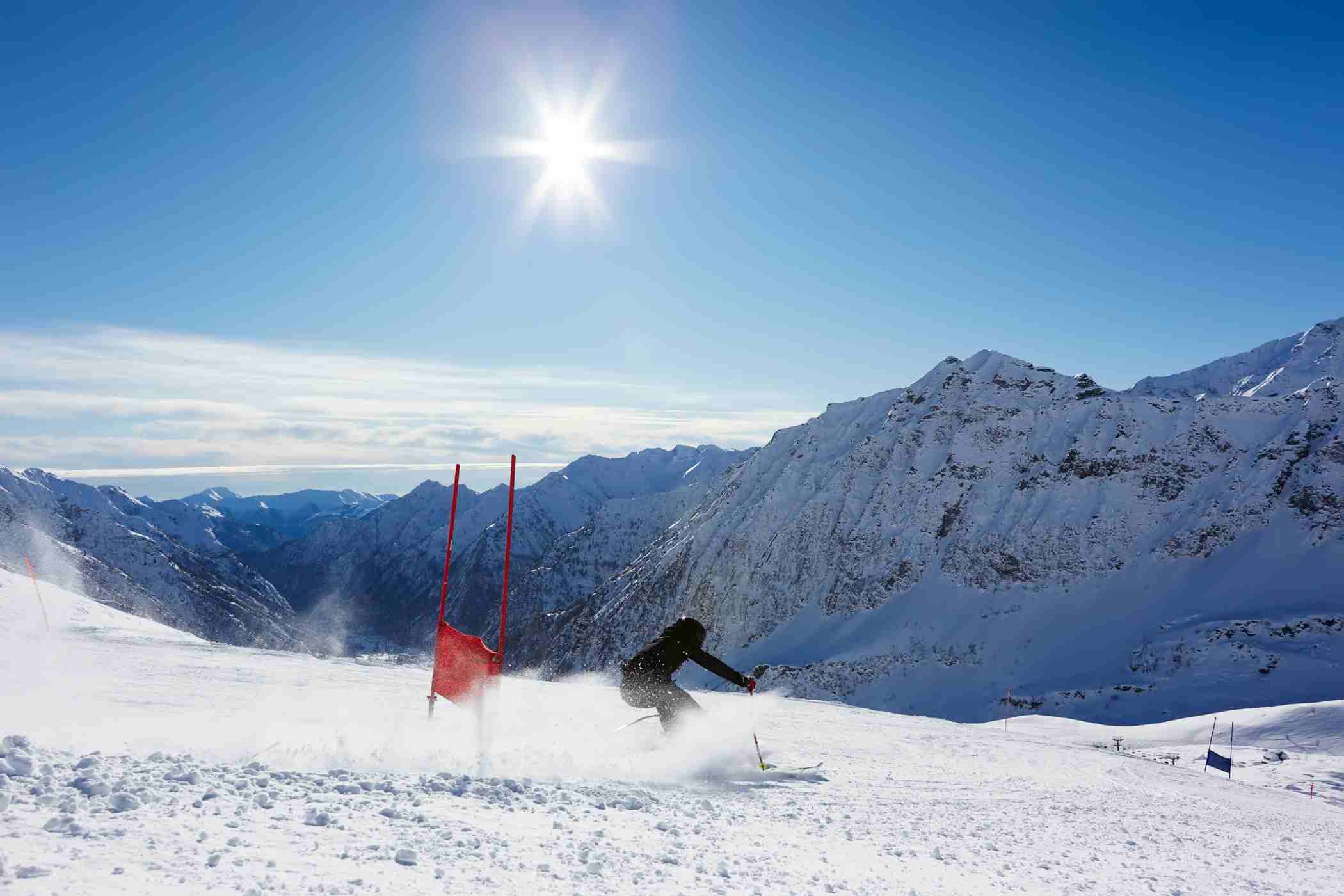
- Alpine Skiing: Downhill, slalom, giant slalom, super-G – thrilling combinations of speed and precision. Famous slopes like Kandahar in Cortina challenge athletes’ split-second decision-making.
- Biathlon: Cross-country skiing meets rifle shooting, testing endurance, focus, and calm under pressure.
- Bobsleigh: Teams of two or four navigate icy tracks with perfect timing and coordination. Fans can follow British pilots like Mica McNeill and captain Brad Hall, whose teamwork is key to high-speed success.
- Cross-Country Skiing: Stamina and technique shine over gruelling snow-covered courses.
- Curling: Precision and strategy combine in a fan-favourite ice sport.
- Figure Skating: Singles, pairs, and ice dance display artistry, athleticism, and technical mastery.
- Freestyle Skiing & Snowboarding: Halfpipe, slopestyle, and aerials highlight extreme skill and creativity.
- Ice Hockey: Fast-paced, high-intensity tournaments for men and women.
- Luge & Skeleton: Sledding sports requiring speed, control, and concentration. British stars Lizzy Yarnold and Laura Deas showcase GB dominance and skill.
- Speed Skating: Short-track and long-track events test agility, strategy, and explosive power.
Most popular winter Olympic sports
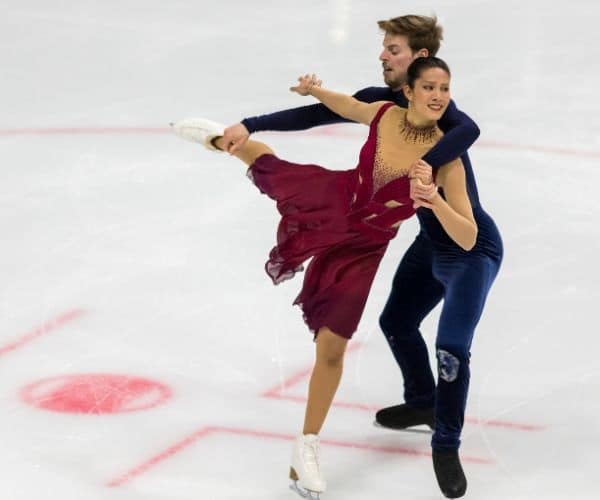
Some sports attract larger audiences due to their spectacle, drama, and emotional appeal. The most popular Winter Olympic sports include:
- Figure Skating
Figure skating blends athletic prowess with artistry, capturing audiences with dramatic routines, intricate spins, and technical jumps. Famous performances, such as Torvill and Dean’s iconic ice dance in 1984, remain a highlight in Olympic history. - Ski Jumping
The sheer thrill of athletes soaring hundreds of feet in the air, combined with the precision required to land safely, makes ski jumping mesmerising to watch. - Speed Skating
Fast-paced races with split-second finishes offer edge-of-your-seat excitement. The combination of endurance and explosive power keeps viewers engaged throughout events. - Bobsleigh
Bobsleigh draws crowds for its intensity and danger. Teams hurtle down icy chutes at speeds exceeding 120 km/h, where split-second timing and teamwork determine medal positions. - Alpine Skiing
From downhill races to giant slalom, alpine skiing combines speed and technical skill, offering some of the most dramatic moments in the Winter Olympics.
Winter sports skills: the high-skill disciplines
Instead of focusing on danger, it’s worth highlighting the skills behind the most thrilling winter sports:
- Luge: Steering with subtle body shifts while lying supine at high speed, with top velocities over 140 km/h.
- Skeleton: Head-first runs require track memorisation, aerodynamic form, and medal-winning runs are often decided by 0.01 seconds.
- Alpine Skiing: Skiers choose optimal lines at high speed, adapting instantly to changing terrain and snow conditions. Famous runs like Hermann Maier’s “Herminator” runs showcase technical mastery.
- Freestyle Skiing & Snowboarding: Aerial awareness, balance, and gymnastic skill are essential for flips and spins, with athletes performing over 3 rotations in halfpipe events.
- Bobsleigh: Push-start speed, weight shifts, and team coordination are critical. British athletes Mica McNeill and Brad Hall highlight the teamwork and skill required for success.
Best of British: Great Britain’s winter Olympic legacy
Great Britain has historically excelled in certain Winter Olympic sports, often surprising fans with strong performances despite a less snowy climate:
- Figure Skating: With 15 medals, including five golds, figure skating is GB’s most successful Winter Olympic sport. Historic moments include Jayne Torvill and Christopher Dean’s perfect scores in 1984.
- Skeleton: GB has dominated skeleton in recent decades, winning nine medals, including multiple golds. Athletes such as Lizzy Yarnold and Amy Williams have become household names.
- Curling: GB’s six medals, including three golds, highlight the nation’s consistency in this strategic sport.
- Bobsleigh: Tony Nash and Robin Dixon’s gold in 1964 remains a landmark achievement in British Winter Olympic history.
For the 2026 Games, British athletes are expected to be strong contenders in skeleton, curling, and figure skating, with hopes of adding to their medal tally.
When and where is the 2026 Winter Olympics?
- Dates: February 6th–22nd, 2026
- Host Cities: Milan and Cortina d’Ampezzo, Italy
The Games’ dual-city structure provides diverse venues, combining urban stadiums with alpine slopes. The opening ceremony will take place at Milan’s San Siro Stadium, a historic venue that adds modern flair and international appeal to the Games.
Cortina’s alpine terrain, meanwhile, offers ideal conditions for skiing, snowboarding, and ski mountaineering. Italy has also invested in state-of-the-art facilities, including new sliding tracks for bobsleigh, luge, and skeleton, ensuring the highest levels of athlete safety and performance.
Visiting the 2026 winter Olympics: tickets, transport, and hospitality
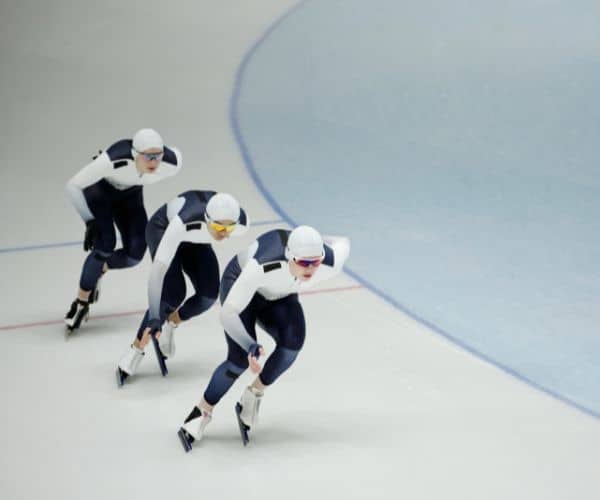
Going to the Winter Olympics is a dream for many sports fans, and with events spread across Milan and Cortina d’Ampezzo, it’s worth planning ahead to make the most of your trip. Whether you’re cheering in Milan’s arenas or watching skiers tackle the Dolomites, here’s what you need to know.
Tickets
The official IOC ticketing platform is your go-to for all Olympic tickets. Options include:
- Single-event tickets: Perfect if you want to catch specific competitions, like the opening ceremony, alpine skiing finals, or ice hockey matches.
- Session tickets: Give you access to multiple events in a single session — great for a full day at the venues.
- Packages: These bundles can include several events, plus hospitality perks and access to fan zones.
- A pro tip: book early. Popular events like figure skating, ski jumping, and medal finals sell out quickly, and early registration may even give you access to special hospitality packages.
Transport and getting around
With events happening across both Milan and Cortina, a bit of planning goes a long way to make sure you get around smoothly:
- Milan: This bustling European city has you covered with metro, tram, and bus networks. Shuttle buses will link key Olympic venues to hotels and the city centre, so you won’t have to worry about missing a beat. Flying in? Milan Malpensa (MXP) and Linate (LIN) airports handle international arrivals with ease.
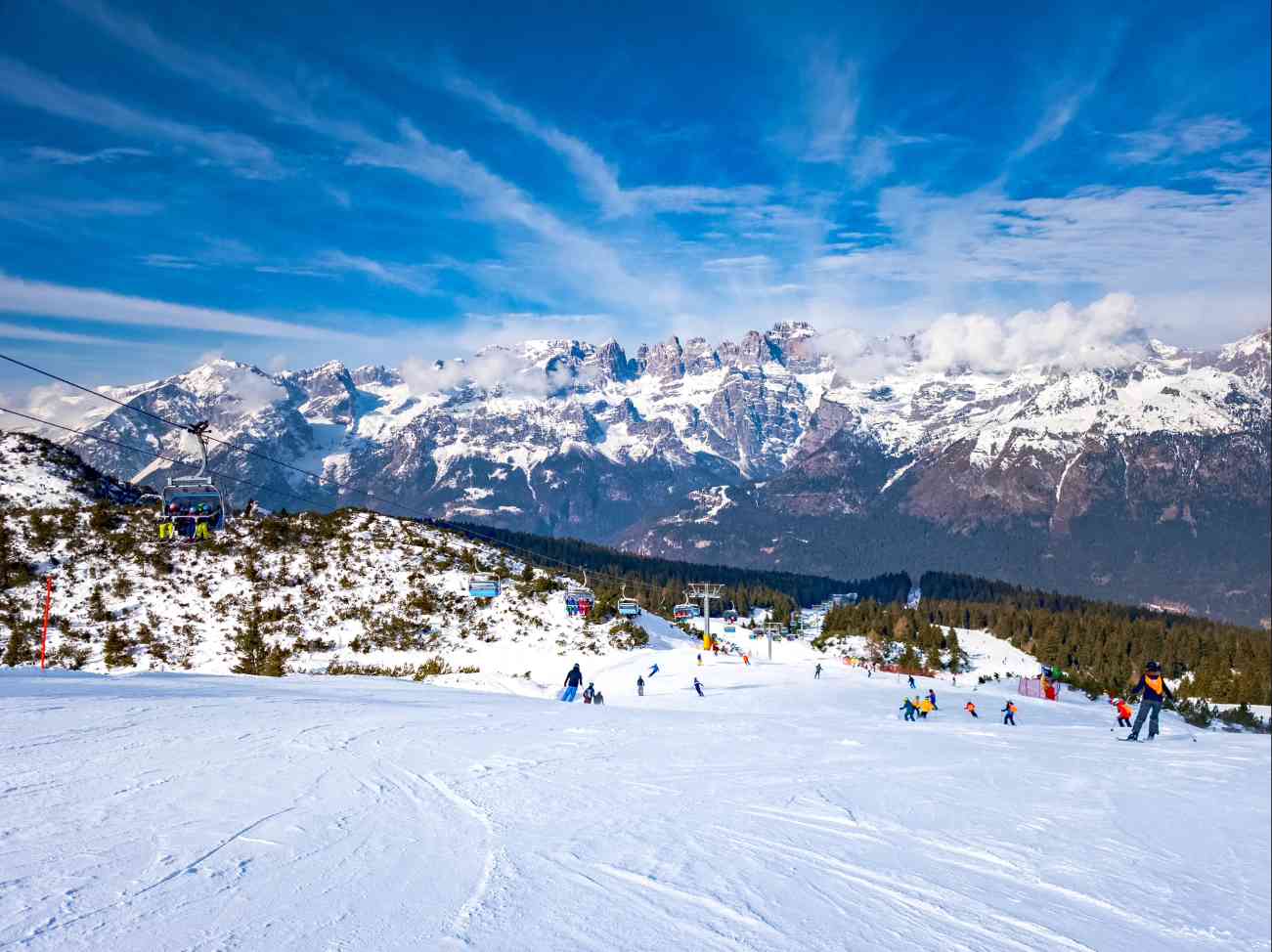
- Cortina d’Ampezzo: Nestled in the Dolomites, Cortina has a mix of buses and cable cars to get you up to the mountain venues. Shuttle services will run between hotels and sporting arenas, and ski lifts provide direct access to alpine events — perfect if you’re catching skiing or snowboarding competitions.
- Between the cities: Thanks to high-speed trains and regional buses, it’s easier than you might think to experience both Milan’s urban excitement and Cortina’s alpine charm.
A quick tip: plan ahead. Mountain events can be affected by snow and weather, so give yourself extra time to reach the venues.
Hospitality and Accommodation
Italy is famous for its hospitality, and the 2026 Games are no exception:
- Hotels: From luxury stays to cozy boutique inns, both Milan and Cortina offer a variety of options. Many hotels near venues will even have special Olympic packages.
- Food and drink: Whether you’re craving Milanese risotto or regional alpine treats like polenta and speck, you’re in for a culinary treat. Fan zones and Olympic villages will also serve up international dishes, so there’s something for every taste.
- VIP and corporate hospitality: Want the full VIP experience? Packages include premium seating, gourmet meals, and exclusive access to athlete zones or behind-the-scenes tours.
Tips for Spectators
- Book early: Hotels and tickets go fast, especially for the most popular events.
- Check the weather: Alpine events can be windy or snowy — pack accordingly.
- Use official transport: Shuttles and public transport are reliable and will get you where you need to be.
- Plan multiple venues: If you can, mix urban and alpine events to get the full Olympic experience.
- Fan zones: Both cities will have fan zones with big screens, entertainment, and cultural activities — perfect if you don’t have tickets but still want to feel part of the action.
Attending the 2026 Winter Olympics promises not only world-class sporting action but also an immersive Italian cultural experience, combining sports, cuisine, and breathtaking scenery. Whether it’s cheering in a packed stadium in Milan or watching skiers descend the Dolomites, visitors are in for a once-in-a-lifetime experience.
The cultural impact of the winter Olympics
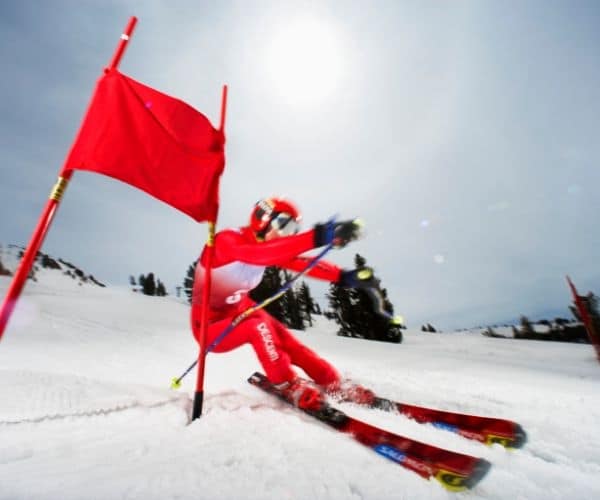
The Winter Olympics are more than just sport, they are a global celebration of athleticism, culture, and innovation. Each host country leaves its mark, from venue design to opening ceremonies and local festivities. The 2026 Games are expected to highlight Italy’s rich cultural heritage, fashion, and culinary excellence, making them not only a sporting spectacle but also a showcase of global tourism and culture.
Conclusion
The 2026 Winter Olympics promise an unforgettable mix of tradition and innovation. New sports like ski mountaineering, expanded women’s events, and extreme sports will appeal to both traditional fans and new audiences. Athletes will push the limits in figure skating, alpine skiing, and thrilling new events.
Great Britain will continue its legacy in skeleton, figure skating, and curling, with stars like Lizzy Yarnold, Laura Deas, Mica McNeill, and Brad Hall leading the charge. With Milan and Cortina as backdrops, the Games are poised to be a once-in-a-lifetime global event.
Don’t forget specialist Winter Sports Insurance
If you’re heading abroad to watch the Winter Olympics, there’s every chance you might also take the opportunity to get involved in some winter activities yourself. Whether it’s trying out a local ice rink, taking part in a recreational winter sport, or simply exploring snowy terrain, having the right insurance in place is essential. Many standard travel policies don’t cover the unique risks that come with winter activities – such as injuries, equipment damage, or the need for search and rescue – so it’s important to ensure you’re properly protected.
SportsCover Direct’s Winter Sports Travel Insurance offers comprehensive cover designed for anyone taking part in winter activities, whether competitively or just for fun. You can choose from Bronze, Silver or Gold levels of protection, including emergency medical expenses and repatriation (up to £10 million), trip cancellation or curtailment, lost or damaged sports equipment, personal liability, search and rescue, and more.
If you already have a general travel insurance policy but it doesn’t extend to winter sports, you can add our specialist sports bolt-on for complete peace of mind.
So, whether you’re cheering on your favourite athletes or joining in the winter fun yourself, make sure you have the right level of cover. Get a personalised quote today — and if you need help, our friendly team is just a phone call or email away.
This blog has been created as general information and should not be taken as advice. Make sure you have the correct level of insurance for your requirements and always review policy documentation.