

Another summer, another wave of headlines about soaring temperatures across Europe.
From record-breaking heat in recent years to temperatures climbing above 40°C in parts of Spain, Greece, Italy and Portugal, Europe’s summers are becoming increasingly hot. For travellers planning walking holidays, cycling trips or watersports adventures, it’s natural to wonder whether it’s simply too hot to stay active.
We say, the answer is no! Let’s be sensible and manage what we can.
Millions of people enjoy active holidays across southern Europe every summer. The difference is that they adapt to the conditions rather than trying to ignore them. With a little preparation and a few sensible adjustments, you can still enjoy everything from mountain hikes to paddleboarding sessions while staying comfortable and safe.
Why European summers feel different
Many of us spend much of the year hoping for warmer weather. So, when we arrive on holiday and see temperatures in the low 30s, it can seem manageable.
But a sunny 32°C in Spain or Greece isn’t quite the same as a warm summer’s day in the UK.
The sunshine is stronger, UV levels are significantly higher, the heat often lasts from morning until well into the evening and, during heatwaves, temperatures can rise well beyond 40°C in some regions.
Even overnight, the air may remain warm, giving your body less opportunity to recover before another active day.
That doesn’t mean you should avoid getting out and exploring. It simply means recognising that your body is working much harder than it would at home.
Your body is working harder than you realise
Whenever you’re active in hot weather, your body is constantly trying to keep itself cool.
It increases blood flow to your skin, your heart beats faster and you sweat more to regulate your temperature. All of that requires extra energy and leads to greater fluid and salt loss.
As a result, a hike, bike ride or game of tennis that would normally feel comfortable in the UK may feel noticeably more demanding abroad.
That’s completely normal.
Rather than seeing this as a sign, you’re less fit than expected, think of it as your body adapting to a different environment.
Adapt to the heat, don’t avoid it
One of the biggest misconceptions about hot weather is that you should stop being active altogether.
In reality, people living in southern Europe have adapted to these conditions for generations. Activities often begin earlier in the morning, there’s more emphasis on regular hydration, longer breaks during the hottest part of the day and a return outdoors later in the afternoon or evening.
Visitors can enjoy their holidays in exactly the same way.
Instead of trying to match your usual pace or schedule, work with the conditions. You’ll often find the experience is actually more enjoyable.
An early-morning walk before the sun reaches its strongest, a scenic café stop during the afternoon and an evening paddle as temperatures begin to fall can become some of the highlights of your trip.
Small adjustments can make a big difference
Staying safe in the heat isn’t about avoiding adventure, it’s about preparing for it.
Starting activities early is one of the simplest ways to stay comfortable. Temperatures are usually much lower first thing in the morning, making hiking, cycling and running considerably more enjoyable.
Hydration also becomes even more important. Rather than waiting until you’re thirsty, drink little and often throughout the day. If you’re exercising for extended periods or sweating heavily, electrolyte tablets or sports drinks can help replace the salts your body loses.
What you wear matters too. Lightweight, breathable clothing, sunglasses, a hat and high-factor sunscreen all help your body cope with the extra heat while protecting your skin from intense UV exposure.
Most importantly, listen to your body.
Feeling more tired than usual doesn’t mean you’ve failed, it simply means it’s time for a short break, some shade and another drink before continuing.
How to adapt your favourite activities for hot weather
There’s no reason to put your holiday plans on hold when temperatures rise. A few practical adjustments can help you stay active while making the most of Europe’s hotter summers.
| Activity | Adaptation Level (30–35°C) | How the Heat Can Affect You | How to Adapt Safely |
| Hiking | ? High | Long periods in direct sun, steep climbs and remote locations increase the risk of dehydration, heat exhaustion and fatigue. | Start early (ideally at sunrise), choose shorter routes, carry plenty of water and electrolytes, wear lightweight clothing and a hat, and take regular breaks in the shade. |
| Cycling | ? High | Heat raises your heart rate and fluid loss, while road surfaces radiate additional heat, making rides feel much harder. | Ride early morning or late afternoon, reduce your pace, drink every 10–15 minutes, refill bottles regularly and plan shaded rest stops. |
| Tennis & Padel | ? Moderate | Fast-paced bursts of movement quickly raise body temperature, especially on hard courts that absorb heat. | Book courts early or in the evening, take longer breaks between games, keep cold drinks courtside and don’t push through if you begin to feel dizzy or light-headed. |
| Kayaking & Paddleboarding | ? Moderate | Being on the water can make you feel cooler, masking dehydration, while sunlight reflecting off the water increases UV exposure. | Wear UV-protective clothing, drink regularly, take breaks on shore and always wear your buoyancy aid, even if it feels warm. |
| Climbing | ? High | Rock faces absorb heat, making climbing more physically demanding and increasing fatigue for both climbers and belayers. | Climb during cooler parts of the day, seek shaded routes where possible, carry extra water and avoid leaving helmets or ropes in hot vehicles. |
| Swimming | ? Low | Swimming keeps you cool, but you can still become dehydrated or sunburnt without realising it. | Take regular breaks out of the sun, drink water between swims, reapply waterproof sunscreen and supervise children closely, who can tire more quickly in the heat. |
| Surfing | ? Moderate | Paddling is physically demanding, while the breeze and water can disguise how much fluid you’re losing. | Wear a UV rash vest, stay hydrated between sessions, reapply sunscreen to exposed areas and know when to call it a day if you’re feeling unusually tired. |
| Running | ? High | Running significantly increases body temperature and places extra strain on your heart, even at an easy pace. | Run at dawn or dusk, slow your pace, shorten your distance, take walk breaks if needed and don’t expect to match your usual performance. |
| Sailing | ? Low–Moderate | Cooling sea breezes can make it easy to underestimate the strength of the sun, with UV reflecting from the water. | Wear a hat, sunglasses and UV-protective clothing, drink regularly throughout the day and reapply sunscreen every couple of hours. |
| Golf | ? Moderate | A round of golf can mean four or five hours in full sun, leading to dehydration and fatigue. | Choose an early tee time, use a buggy if appropriate, carry more water than usual, snack regularly and take every opportunity to rest in the shade. |
Don’t forget about your equipment
Preparing for hot weather isn’t just about looking after yourself.
Extreme heat can also affect the equipment you’re relying on.
Cycling tyres can become overinflated as temperatures rise, inflatable paddleboards and kayaks should never be left fully inflated in direct sunlight and climbing equipment is best kept out of hot vehicles whenever possible.
Even your phone or GPS device can overheat if left in direct sunshine.
A few simple checks before you head out can help prevent unnecessary problems later in the day.
Know the difference between being hot and heat exhaustion
Feeling warm and sweaty after exercise is completely normal.
Heat exhaustion is different.
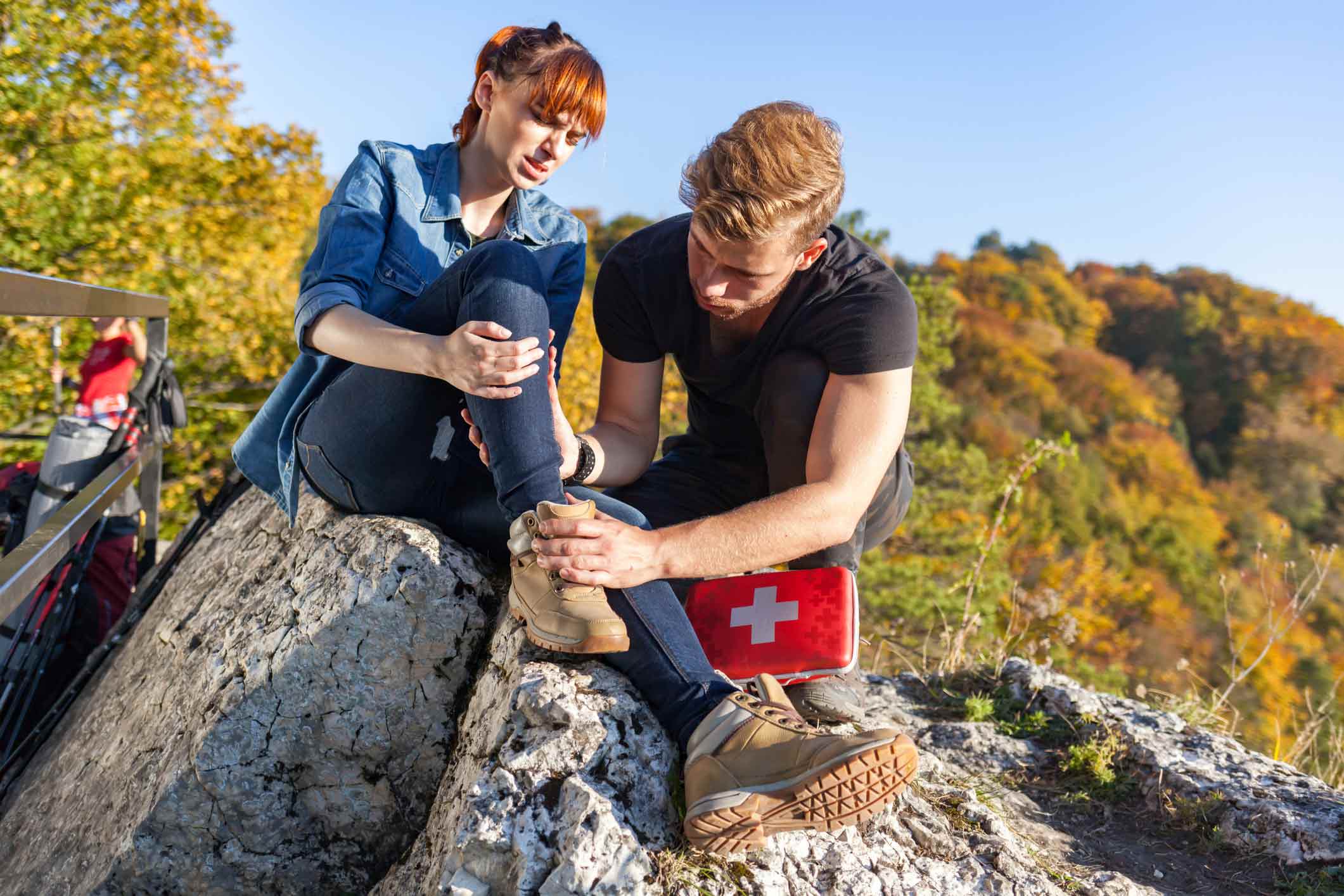
It happens when your body loses too much water and salt and struggles to cool itself effectively. Symptoms include dizziness, heavy sweating, headache, nausea, muscle cramps, weakness and feeling faint.
The good news is that it can usually be treated quickly if recognised early.
Move into the shade, loosen clothing, drink cool water or an electrolyte drink and cool the skin using damp towels or cool water.
Most people begin to recover within around 30 minutes.
When you should seek medical help
Heatstroke is much more serious and requires immediate medical attention.
If someone becomes confused, collapses, loses consciousness, has a seizure or fails to improve after cooling down, call the local emergency services immediately.
Continue cooling them while waiting for help by moving them into the shade, applying cool water to the skin and encouraging airflow where possible.
Acting quickly can save lives.
When families need to prepare differently too
Children often become so absorbed in holiday activities that they don’t realise they’re getting thirsty or overheating.
Regular water breaks, snacks, shade and encouraging them to tell you if they’re feeling tired all help everyone enjoy the day more comfortably.
Older adults may also find hot weather more demanding, particularly if they have existing health conditions or take medication that affects how their body regulates temperature.
Planning a slightly gentler pace doesn’t mean missing out, it often means enjoying the experience for longer.
Enjoy Europe’s hotter summers with confidence
Heatwaves may now be part of the European summer, but they don’t have to put your holiday plans on hold.
Whether you’re hiking through the mountains, cycling coastal roads, exploring historic towns or spending the day on the water, a little preparation goes a long way.
Start earlier, drink more often, wear the right clothing, pace yourself and pay attention to how you’re feeling.
The best activity holidays aren’t about pushing through the heat—they’re about making the most of every moment.
By respecting the conditions rather than fearing them, you’ll come home with exactly what you travelled for: unforgettable experiences, incredible scenery and memories you’ll talk about long after the tan has faded.
Protect your activity holiday with SportsCover Direct
A few simple precautions can make all the difference when staying active in the heat. And while you can’t plan for every eventuality, you can prepare for it.
Choosing sports travel insurance that covers your activities and includes emergency medical expenses means you can head off with confidence, knowing you’re protected if the unexpected happens.
Find out more about our sports travel policies online.
This blog has been created as general information and should not be taken as advice. Make sure you have the correct level of insurance for your requirements and always review policy documentation.