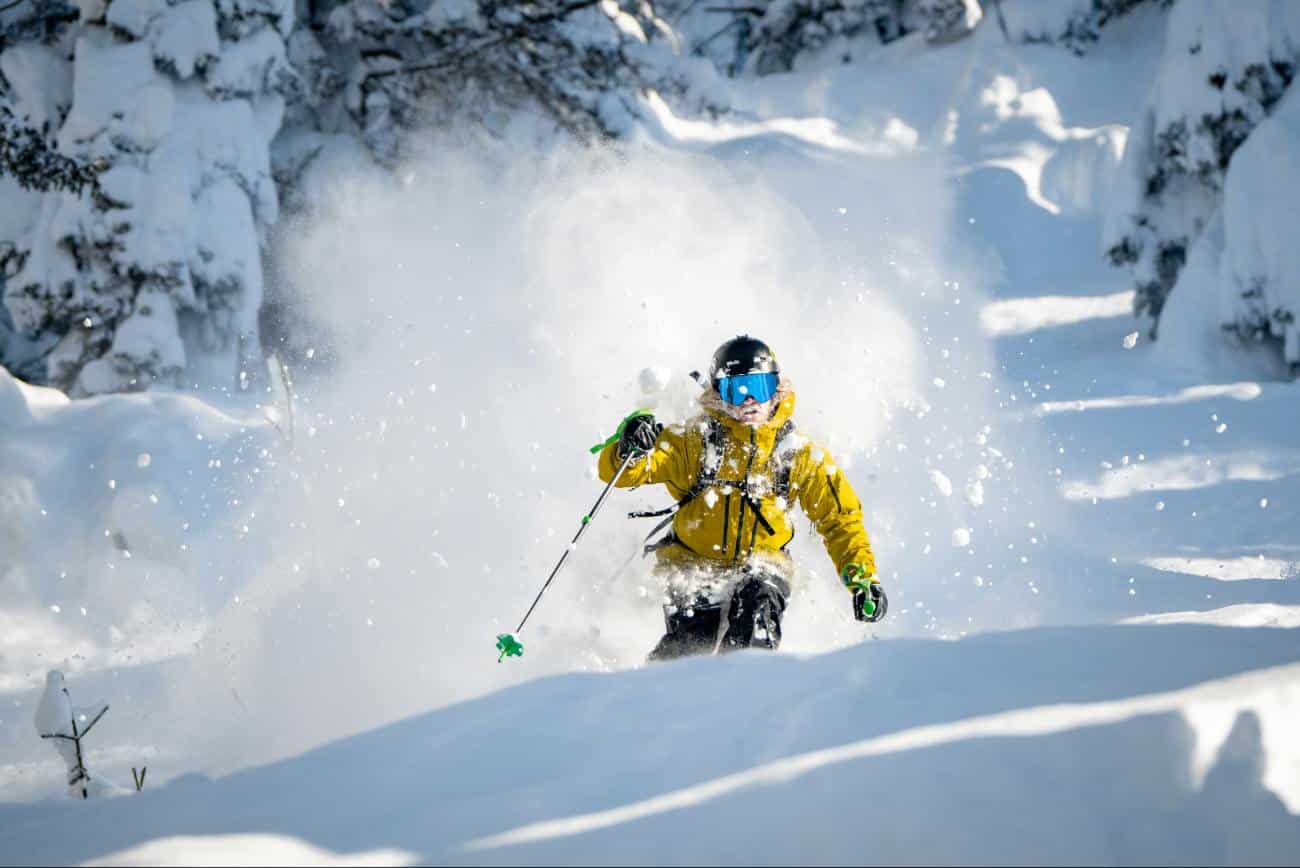


The 2025/26 winter sports season is now here – with many resorts having opened their doors in late November or December, we reviewed our first-party claims data from the last winter season (November 2024 to April 2025) to decipher the most common reasons that led to claims. Read on to find out more…
Winter sports claims data
Delving into our claims data to reveal the most common claims on winter sports holidays, we discovered that the large majority (70%) of the claims referred to accidents or injuries.
Issues with baggage or personal effects (10%), travel issues (8%) and other factors resulting in cancellation (6%) also featured, as well as other types of damage (2%), loss or theft (1%) and factors relating to racing competitions (1%).
Below we explore the accident and injury category in more detail…
Accident and injury claims
Most people who get injured from skiing do so for a number of reasons. These include a lack of experience; a loss of control, which leads to collisions; falling, due to poor technique, icy conditions and uneven terrain; or equipment issues, such as poorly fitted or maintained equipment.
Analysis of our first-party claims data found that 70% of the winter sports claims we received made reference to at least one injury type, and further digging showed which injuries were most common on winter sports holidays.
It revealed that leg injuries were the most common overall, with approximately 28% of claims citing this body part. Within this, the majority of these injuries included damage to the knee. Other injuries relating to the shoulder (14%) and foot (8%) also regularly featured amongst the recent claims, with arm, hand, head, back, hip, and groin injuries also included in the data.
These claims were also the most expensive – paid indemnity figures for claims relating to accidents and injuries were 31.5% higher than the average claim amount across all types. Also, France, Austria, and Italy were the destinations most likely to be mentioned in injury claims, and injuries acquired through accidents ranged in severity, spanning breaks, fractures, dislocations, twists, sprains, tears, and even concussion.
Knowing how to avoid ski injuries and stay fit on a skiing trip is so important… Whether you’re a seasoned pro or a first-timer still mastering the art of staying upright, safety on the ski slopes is paramount. Reading up on safety on the slopes, including rules of conduct and what to do in certain situations, ahead of your trip can help to minimise the chance of injuries on your trip.
Due to the nature of winter sports, there are risks attached to yourself and others, so it is worth ensuring you have appropriate insurance to financially protect yourself from the costs of receiving medical treatment in a foreign country. Whilst there are ways to avoid injuries on a winter trip, taking out specialist winter sports insurance ensures you will have comprehensive cover and can enjoy your winter holiday without the worry of unexpected bills.
Be aware that some travel insurance policies will exclude skiing, snowboarding and many other activities on the slopes. So, make sure you have right cover – otherwise you could be left to pick up the bill if you have an accident and are not covered. At SportsCover Direct we cover a variety of winter sports disciplines including skiing (including off-piste skiing, cross-country skiing, Nordic combined, ski jumping), snowboarding, and a whole host of other activities on the mountain.
How to choose a winter sports holiday destination
Skiing is one of the most expensive holiday types of holiday, with many variable (and in some cases, hidden) costs. Country choice, resort type, and time of year can all influence budgets, so it is worth doing your research if you have a fixed budget to keep within.
If you are still wondering how to book a cheap skiing holiday, a few ways to reduce the cost include: booking well in advance or at the last minute; driving rather than flying; watching for tour operator sales; considering self-catering apartments; staying lower in the valleys; getting off the beaten track; trying smaller resorts and networks; avoiding the school holidays; looking for all-inclusive (or lift-inclusive) packages; targeting rooms with extra beds; and using a prepaid card for a better exchange rate.
Another way in which a cheap ski holiday can quickly become expensive is when the unexpected happens. For example, you could suffer an accident or injury that requires a long stay in hospital to recover; your luggage and skis could be lost, stolen, or damaged in transit; or your travel and accommodation arrangements could be disrupted for reasons beyond your control. Therefore, taking out comprehensive ski insurance and winter sports insurance policies can give you peace of mind.
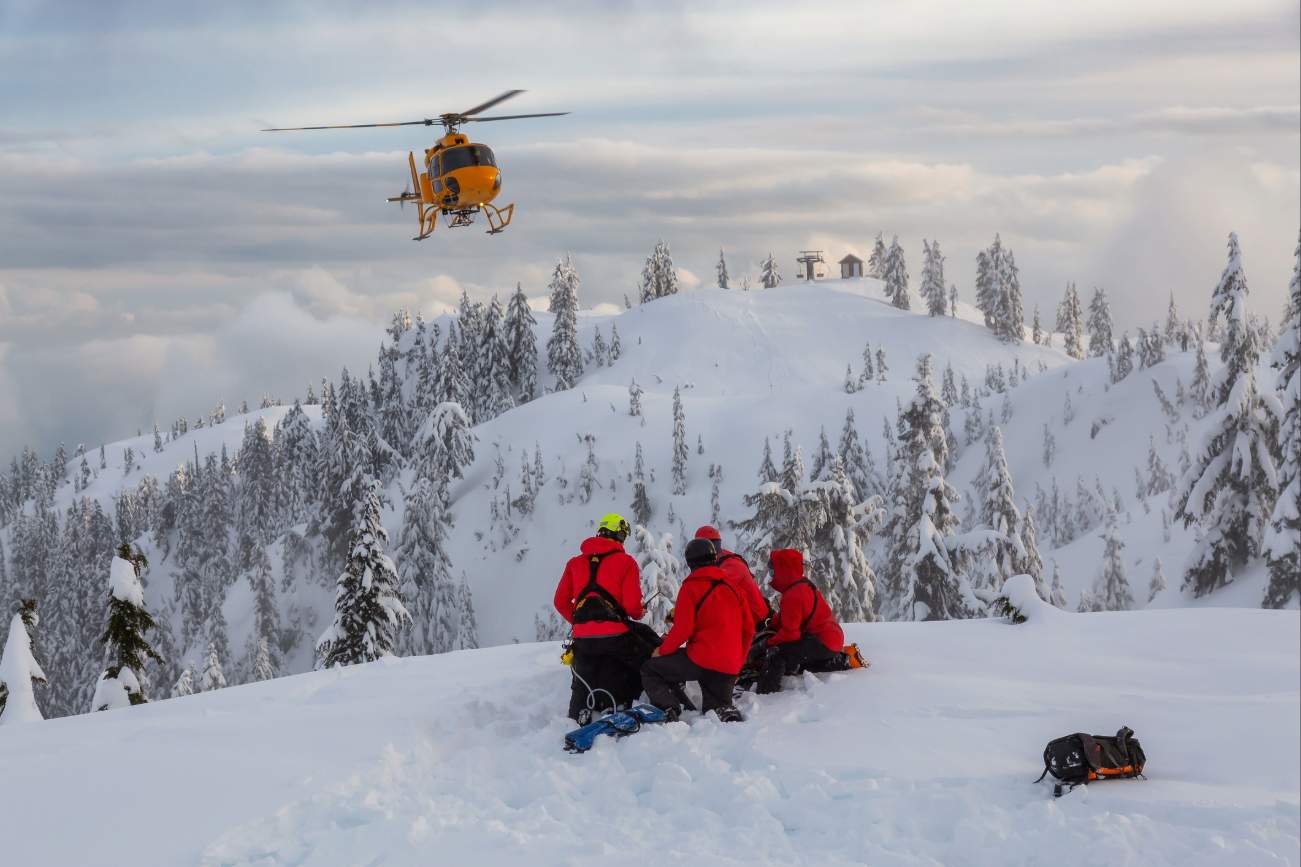
Our winter sports insurance policy comes with benefits such as 24 hour emergency medical assistance, search and rescue, cancellation cover and more. If you need to be evacuated from the mountainside or repatriated back home, this can be covered under our policy.
Skiing involves balance, coordination, and precise control, all of which take time to develop, so ski lessons are important for safety. Taking beginner ski lessons can ensure you grasp the basics that help you avoid injuries. With this in mind, we also collaborated with Mark Neville, business manager ESF UK, to offer specific advice on teaching children how to ski. See our Q&A below:
SportsCover Direct: What is the best age to start teaching your child to ski, and why does it help to teach them young/at this age?
Mark Neville: “Children can start the process of learning to ski from the age of 3. With children this young, the transition from the indoors to the mountainside is the key element, and getting children used to the winter outdoor environment and the trials and tribulations that come with cold weather.
“Getting the children excited to play in the snow is also key. Once a child is playing in the snow, the instructors can introduce equipment such as boots and skis in a playful manner.
“By attaching only one ski and walking on the other foot, this gives the child a chance to adapt to the unusual feeling of heavy ski boots, and slippery skis. Once the child has both skis firmly fixed, the instructor can walk the child around the kindergarten and begin to teach”.
SportsCover Direct: How can parents help prepare their child for an initial ski lesson? E.g. exercises, balance, speaking out what to expect, dealing with nervousness/excitement/etc.
Mark Neville: “Basically, getting one’s child to wear warm clothes and get used to the cumbersome elements of bulky clothing. Getting used to gloves on and off, and where mum or dad has placed their handkerchief or snack.
“Parents should not build hopes of exciting play and skiing in general, as weather conditions could spoil the dream immediately. A parent should encourage the benefits of skiing and how much fun skiing can bring.
“It’s the instructor who will put a child’s mind and nervousness at rest with dedicated professional tuition and care. Remember, when in a resort, an invisible parent when the lesson is in full swing is a clever parent. Being out of sight is being out of mind. Once a child sees its parents, the instructor loses all control”.
SportsCover Direct: Do you have any other tips/advice/insight on the topic?
Mark Neville: “A tip for parents is to not get upset when their little one cries. This is natural. A winter environment is unusual and uncomfortable at times as a child adapts to the surroundings and weather.
“A good parent will recognise that instructors are caring individuals who sometimes will encourage little ones to keep moving even though they are still crying. This is to ensure the group ALL keeps warm and others do not get cold, or distracted, as an instructor spends time with one upset individual.
“The objective for an instructor is to get the children on the bigger slopes once the basics are taught”.
Many European resorts have fantastic ski schools designed for young beginners, but if you are looking for other family-friendly winter sports activities, other age appropriate activities might include snow play areas, sledging, tobogganing, snowshoeing, ice skating, snow tubing, sleigh rides, and dog sledding.
For insights on how long it takes to learn to ski (and understand the risks of skiing without lessons), we have a blog post that answers the question of ‘do you really need ski lessons to learn?’.
Plus, if you are a beginner (or just a little rusty), our best ski resorts for beginners blog post shares more destination suggestions and tips on how to choose a good beginner ski resort.
Final thoughts
Whether you want more destinations insights (such as how to find unique skiing locations, are specifically looking for off piste ski holidays) or have other questions about what is involved on a winter sports holiday (such as whether you should buy or rent ski or snowboard equipment), our blog has tonnes of insights, advice, and suggestions to help with your research.
As a reminder – as soon as you book your winter sports trip you should buy insurance – ideally on the same day you make any payment for flights, accommodation, or packages. With us you can choose from different policy options, including travel insurance, a bolt-on to add to your existing provider, or accident insurance.
The earlier you buy, the more you’re protected… Taking out a specialist ski insurance policy lets you choose the skiing insurance that suits you – just tell us exactly what you will be doing on your holiday and we’ll provide you with the cover you need.
Find out more about Skiing Insurance
Ski insurance can provide all the usual travel cover you’d expect, while also offering specialist protection for winter sports, helping you avoid costly setbacks if things don’t go as planned.
SportsCover Direct has a ski insurance policy that can be tailored to several different ski disciplines – select the activities you need when you get a quote. Our policy includes cover for medical emergencies, cancellations, personal liability, lost or damaged equipment, search and rescue operations, and even off-piste skiing, provided you follow local advice.
Find out more about our specialist winter sports insurance policies online.
This blog has been created as general information and should not be taken as advice. Make sure you have the correct level of insurance for your requirements and always review policy documentation.