

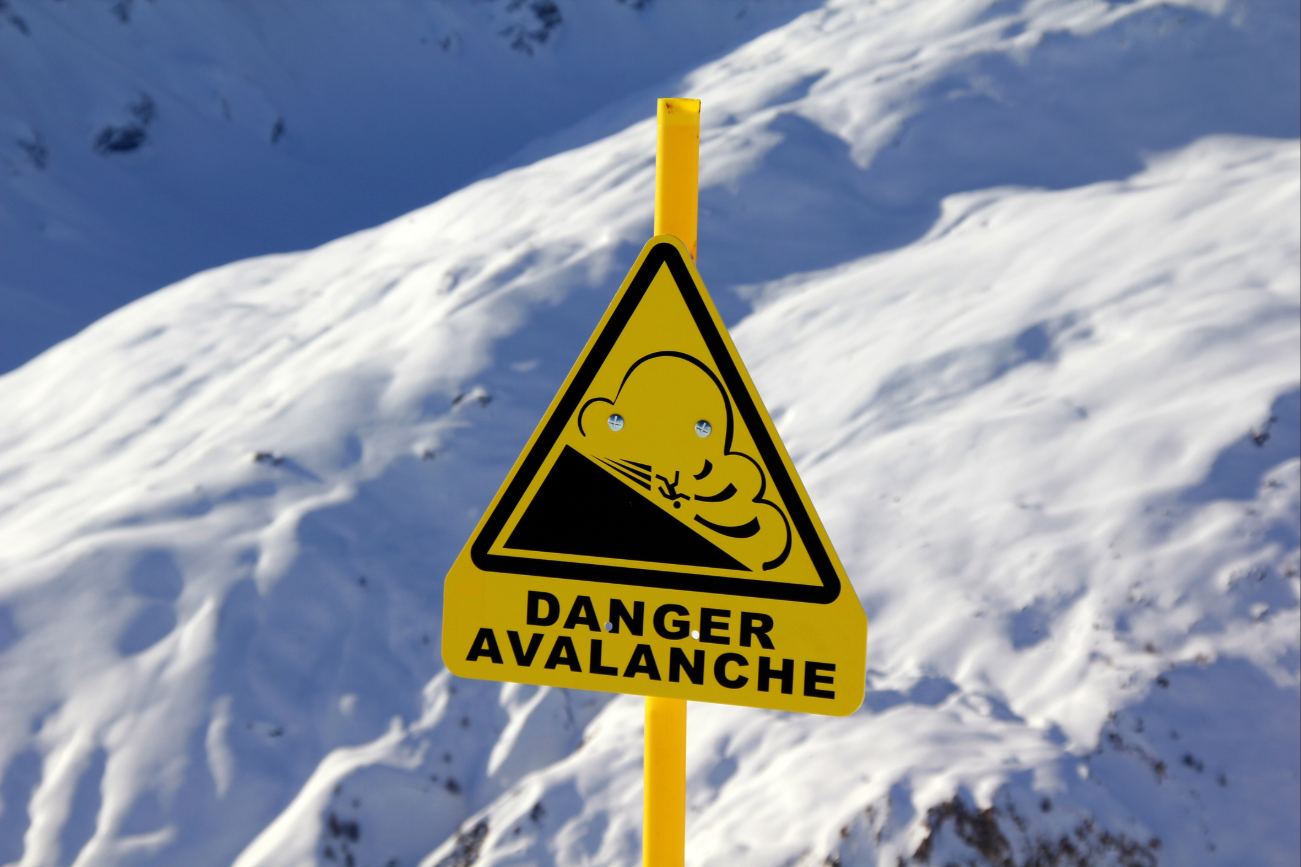
A little avalanche awareness can help you make more informed choices on a ski holiday. Snowfall, wind and changing temperatures can all affect snow stability, so conditions can change throughout your trip.
Knowing where to find reliable information, what the warning levels mean and how risks differ across the mountain gives you a useful starting point. Open, managed pistes have safety measures in place, while heading off piste requires additional knowledge and preparation.
Whether you plan to stay on the pistes, book an off-piste adventure or enjoy winter walks, understanding your surroundings is part of getting ready to enjoy the mountains.
Start with four habits: check official information, follow local advice, respect closures and make sure your insurance covers your planned activities.
How can you check the avalanche risk on your ski holiday?
Start with resort guidance
Your first port of call should be the latest guidance from your resort. Check its website or app, information boards and signs for piste and lift openings, avalanche warnings and closures. Follow instructions from resort safety teams and ask ski patrol or your guide if you’re unsure what the advice means for your plans.
Consult official avalanche forecasts
For a fuller picture, particularly if you’re considering off-piste activities, consult the official avalanche forecast for your destination. In France, Météo-France publishes avalanche bulletins known as BERA. In Switzerland, use the SLF website or White Risk app. For Austria and Italy, the European Avalanche Warning Services directory links to regional forecasting services.
It’s worth using alongside local guidance and appropriate professional advice.
Avalanche risk levels explained: what do levels 1–5 mean?
Alpine avalanche services use a five-level European danger scale. It describes avalanche conditions across a forecast area, rather than your personal chance of being caught.
| Level | Danger rating | What it means |
| 1 | Low | Generally stable conditions, although avalanches can still be triggered in isolated locations. |
| 2 | Moderate | Instability exists on particular slopes. Careful assessment remains necessary. |
| 3 | Considerable | Dangerous conditions. A single skier may trigger an avalanche on the steep slopes identified in the bulletin. |
| 4 | High | Triggering is likely on many steep slopes, and large natural avalanches are possible. |
| 5 | Very high | Extraordinary conditions, with numerous very large natural avalanches expected. |
Two points deserve particular attention: low does not mean no risk, and level 3 is not a reassuring middle score. It describes dangerous avalanche conditions.
These ratings also serve a different purpose from piste colours, which describe the difficulty of a ski run.
What causes avalanches?
The conditions behind snow instability vary. Avalanche forecasts commonly describe five core problems:
- New snow: fresh snowfall adds weight and may bond poorly with existing snow.
- Wind slab: wind transports snow into deposits that can be unstable.
- Persistent weak layers: weaknesses buried within the snowpack can remain a problem long after snowfall.
- Wet snow: rain, sunshine or warmer air can introduce water into the snowpack and weaken it.
- Gliding snow: the snowpack slides over the ground beneath it.
Warning signs include recent avalanches, cracks spreading through the snow and a deep, collapsing sound. Wind-drifted snow and rapidly wetting conditions also deserve attention. However, there may be no obvious warning, particularly when weaknesses are buried.
A sunny morning or tracks left by other skiers should never replace the official forecast and professional local assessment. If you are considering leaving managed pistes, learning to recognise avalanche terrain and interpret conditions requires broader training.
How does risk differ on piste, off piste and in resort?
On open, managed pistes
Open pistes are managed by resort safety teams. Avalanche protection can include monitoring, controlled avalanche releases and closures.
For holidaymakers, following the opening status and obeying signs are essential. A closed piste should never be treated as an alternative route simply because it appears on the map or has tracks on it.
Managed protection reduces exposure, but no mountain setting comes with a promise of zero risk.
Off piste and ski touring
Leaving a secured piste changes the situation. Snow beside a run, between pistes or close to a lift can still be unsecured terrain. The distance from the piste does not determine whether it is protected.
SLF notes that most avalanche accidents happen away from secured pistes. Strong skiing ability alone does not provide the knowledge needed to assess avalanche conditions. If you lack that experience, stay on secured routes or join a professionally guided group.
The same need to understand the terrain applies when planning snowshoeing or winter walking. Check the local status of a route rather than assuming that a marked trail has the same protection as an open piste.
Around the resort and on access roads
Avalanche protection also helps safeguard mountain communities and transport routes. Measures include protective structures, monitoring and temporary closures. Roads and paths may close, and authorities may issue instructions affecting where people can travel or stay.
How can you prepare for a day in the mountains?
Build a few checks into your morning routine:
- Read the latest information. Check weather, avalanche forecasts and resort opening status.
- Choose suitable activities. Match your plans to your experience and the conditions.
- Stay flexible. Be ready to change your route, activity or timing.
- Follow local instructions. Respect barriers, closures and advice from safety teams.
- Save emergency contacts. Know how to contact local ski patrol or mountain rescue and explain your location.
If you plan to go off piste, take reasonable safety precautions. Each participant needs suitable rescue equipment, including a transceiver, shovel and probe, together with practised skills. Carrying the equipment is only part of being prepared.
What can winter sports travel insurance cover if an avalanche affects your holiday?
Winter sports travel insurance can provide financial protection, but the benefits depend on your chosen policy and the circumstances.
If you’re injured and need rescue or treatment
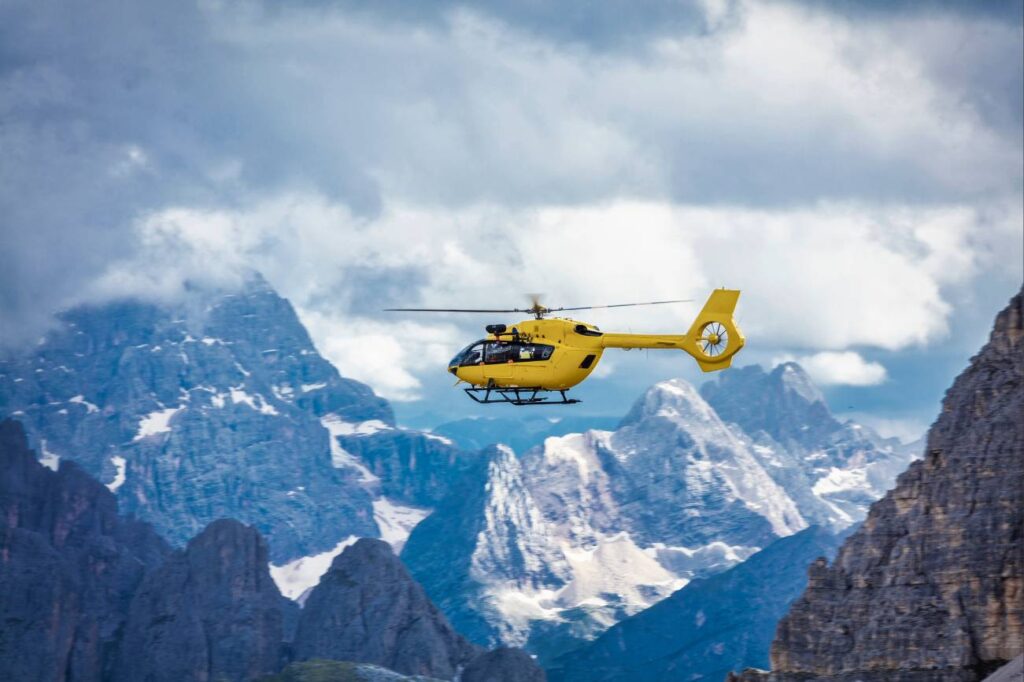
If you’re caught in an avalanche, you may need assistance getting off the mountain, emergency treatment or medical support to return home. Check for search and rescue, emergency medical expenses and medically necessary repatriation. Confirm how helicopter evacuation is covered, as search costs and medical evacuation may fall under different benefits.
Your GHIC or EHIC is not a substitute for travel insurance. It does not cover mountain rescue or being flown home to the UK.
If severe weather disrupts your journey
Heavy snowfall can disrupt flights, close mountain roads and delay transfers, potentially causing you to miss a departure or connection.
Travel delay or missed departure benefits may cover certain costs where severe weather is an insured cause.
If you’re planning to ski off-piste
Make sure your insurance covers the activities on your itinerary. Off-piste skiing, ski touring and other winter activities may have different requirements, so select each activity you plan to do when arranging cover.
Plan your holiday with avalanche awareness
Understanding avalanche risk gives you useful questions to ask before and during your holiday. Know where to find official forecasts, respect the decisions of local safety teams and choose activities that suit your experience and the conditions.
Before travelling, check that your winter sports insurance covers the activities you plan to do, and read the policy wording so you understand the protection available.
Winter Sports Travel Insurance with SportsCover Direct
Understanding avalanche risk and following local advice are valuable parts of preparing for a ski holiday. Having suitable winter sports insurance also means knowing what financial protection is available if an avalanche affects your trip.
SportsCover Direct’s Winter Sports Insurance includes search and rescue cover if you need to be located and recovered. If you’re injured, emergency medical treatment and repatriation cover can support your treatment and, where medically necessary, your return home.
Travel disruption cover can also provide protection if an avalanche interrupts your journey, including qualifying missed departures or connections.
Explore Winter Sports Insurance with SportsCover Direct and check the cover available for your next trip.
This blog has been created as general information and should not be taken as advice. Make sure you have the correct level of insurance for your requirements and always review policy documentation.