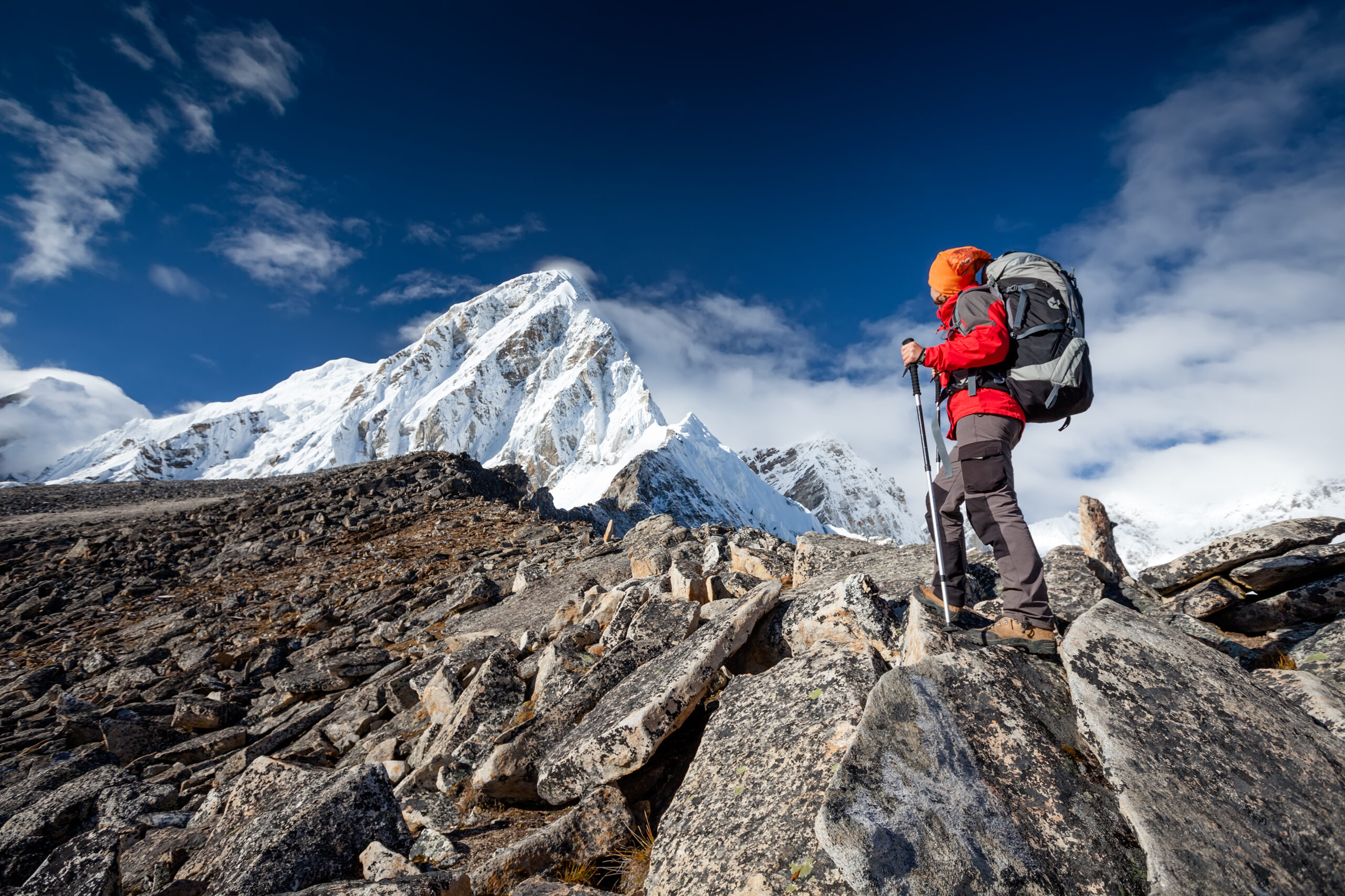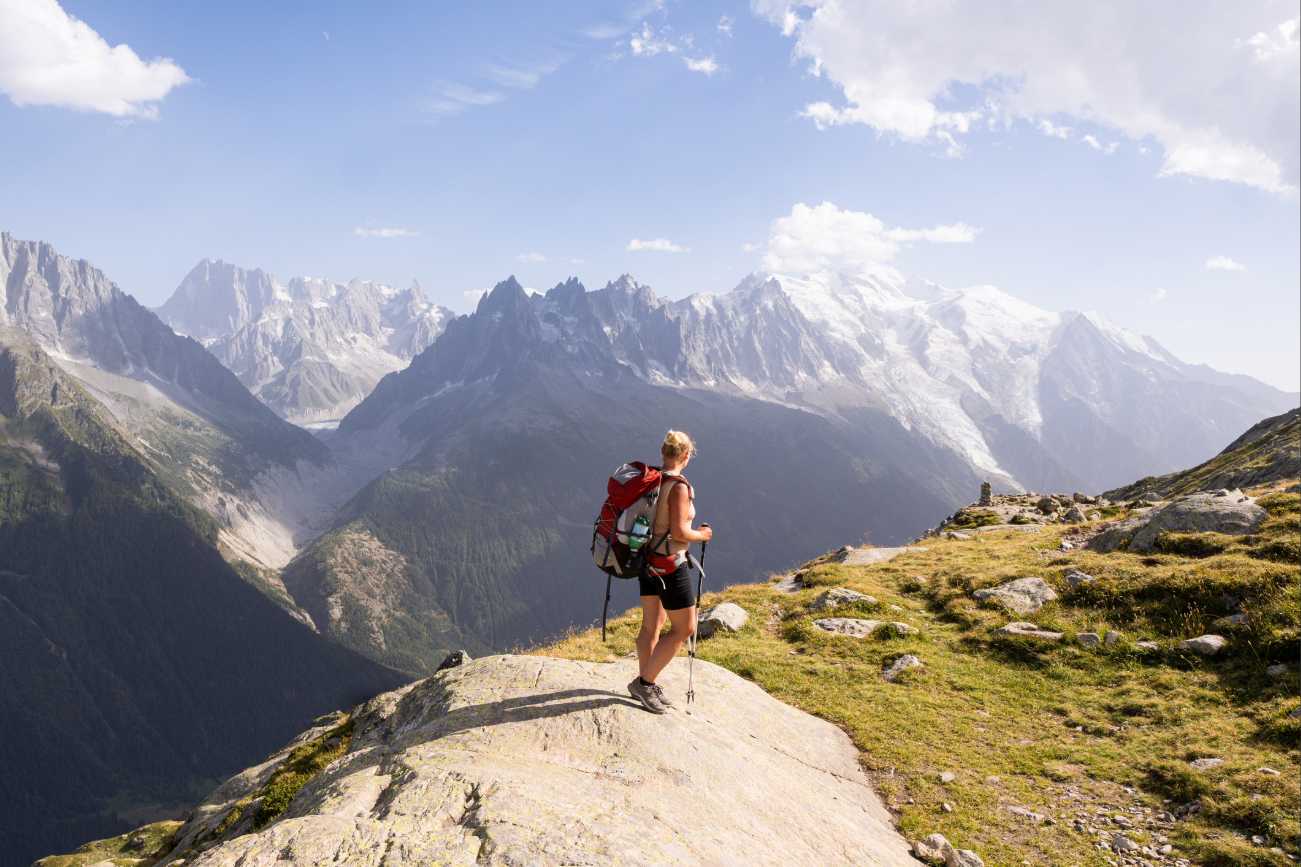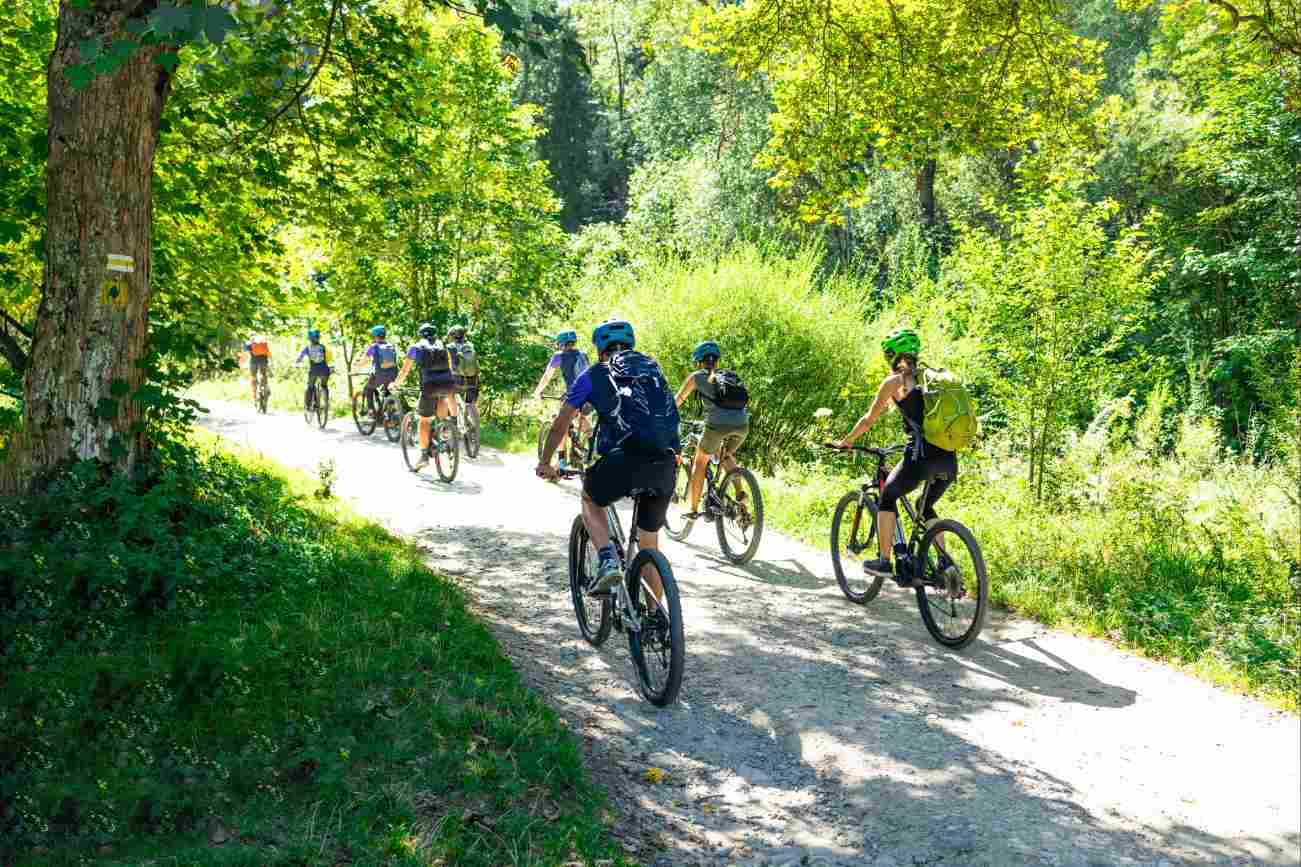


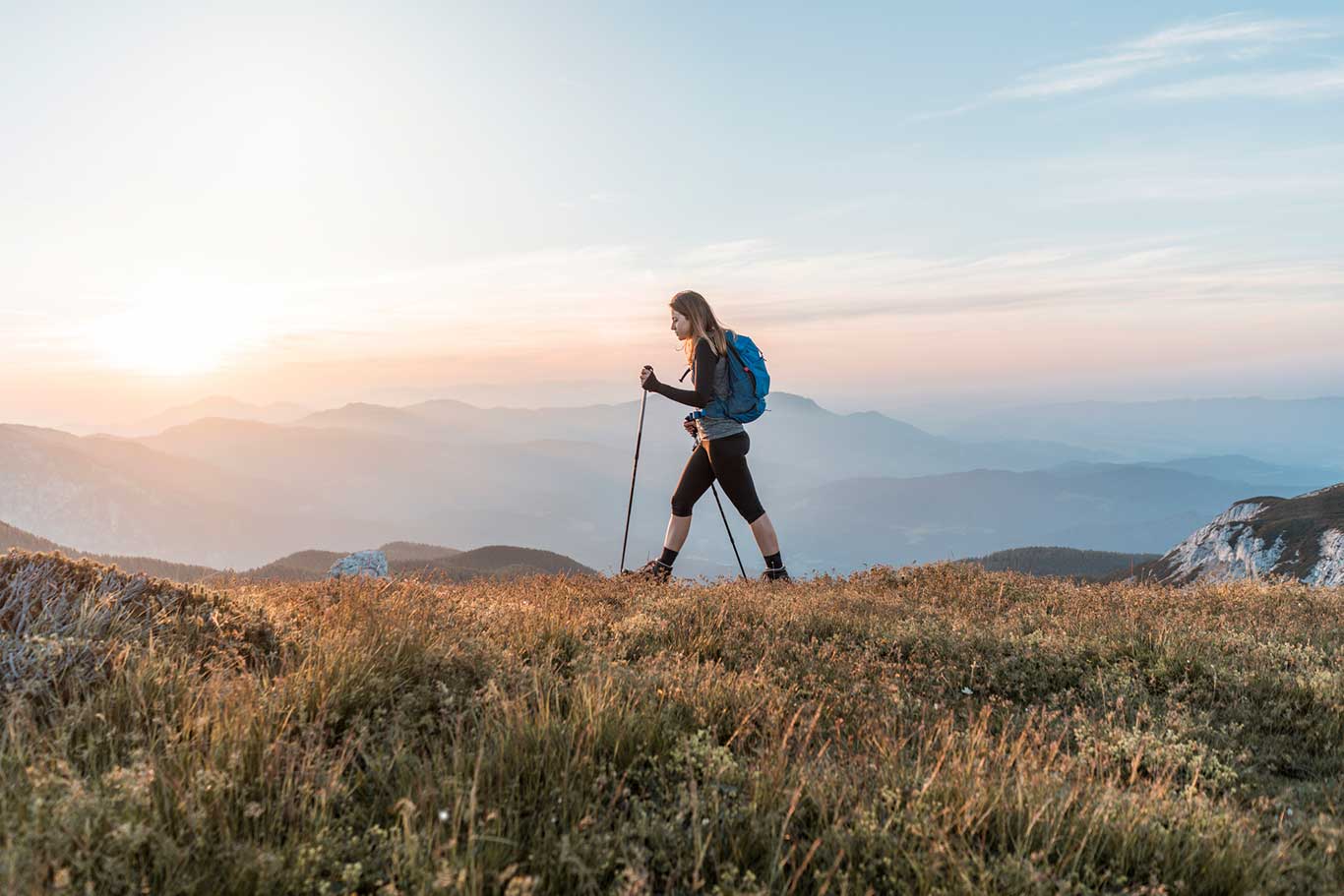
Taking part in hiking is a popular and enjoyable leisure pursuit. It is an ideal sport to start slow, with light walking and build up your ability with longer hikes and harder terrain. It is even recommended in NHS guidance Walking for Health highlighting the benefits of walking and hiking for your mind, body and soul.
It’s clear that it’s not just physical benefits of hiking that can make a positive impact but also the mental health benefits. We’ll explore the some of these key benefits in this guide and take a look at comparative activities to hiking and provide some tips on how to get started.
How is hiking good for your health?
Overall Fitness
Hiking is an excellent cardiovascular exercise that gets your heart rate up, promoting a healthy circulatory system. Regular hiking improves endurance, as it involves sustained physical activity over varied terrain.
Reduces Heart Disease
Hiking helps lower the risk of heart disease by improving cardiovascular health, reducing the likelihood of conditions like hypertension and atherosclerosis.
Lowers Blood Pressure
Hiking is a form of aerobic exercise, which has been shown to lower blood pressure by enhancing blood flow and promoting the efficiency of the heart.
Strengthens Muscles and Bones
As a weight-bearing exercise, hiking strengthens muscles and bones. The uneven terrain also engages stabilising muscles and contributes to improving overall strength. Weight-bearing activities like hiking can help maintain or increase bone density, reducing the risk of osteoporosis.
Improves Sleep Quality
Regular hiking can contribute to better sleep quality by promoting relaxation and reducing stress. Being outdoors exposes you to natural light and helps regulate circadian rhythms, positively influencing sleep patterns.
Mental health benefits of hiking
Stress Reduction and Relaxation
Spending time in nature, away from the hustle and bustle of daily life, can significantly reduce stress levels. Hiking provides an opportunity to disconnect from screens and immerse yourself in the natural world, promoting relaxation and mental clarity.
Improved Mood and Happiness
Being surrounded by scenic beauty and fresh air contributes to a positive mindset. Exposure to natural sunlight during hiking can boost serotonin levels which are a neurotransmitter associated with mood regulation.
The sense of accomplishment from reaching a summit or completing a challenging trail releases endorphins, enhancing overall happiness.
Enhanced Cognitive Function
Hiking engages your brain in various ways. Navigating trails, assessing terrain, and making decisions helps activate cognitive processes.
Nature’s tranquility allows for introspection, problem-solving, and creative thinking. Regular outdoor activity has been linked to improved memory and attention span.
Reduced Symptoms of Anxiety and Depression
Studies show that spending time in green spaces reduces symptoms of anxiety and depression. The combination of physical exercise, exposure to natural light, and the release of endorphins positively impacts mental well-being.
Social Connection and Community
Hiking can be a solitary activity, but it also offers opportunities for social interaction. Joining group hikes or exploring trails with friends fosters connections and a sense of community. Sharing experiences and stories with fellow hikers can lift spirits and combat loneliness.
Mindfulness and Presence
Hiking encourages mindfulness. Paying attention to the sights, sounds, and sensations around you promotes mental clarity. Mindful hiking allows you to escape worries about the past or future and focus on the present journey.
Social benefits of hiking
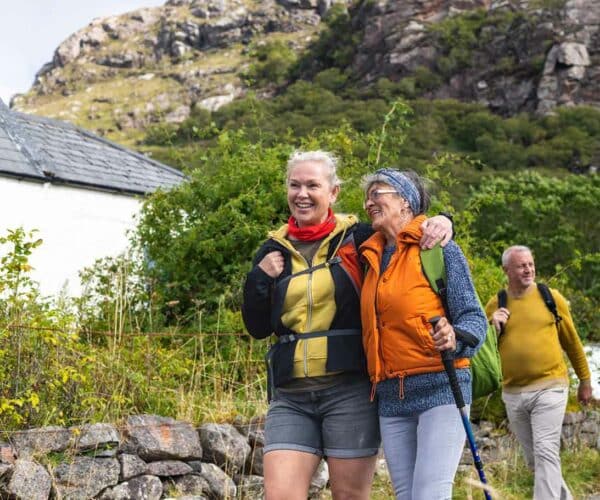
Shared Experiences and Bonding
Hiking is often enjoyed with friends, family, or fellow outdoor enthusiasts. Sharing the trail, overcoming challenges, and celebrating achievements can create strong bonds with other hikers. Conversations during hikes foster deeper connections and provide opportunities for meaningful interactions.
Community and Inclusivity
Regardless of background, age, or profession, hikers come together to explore nature. Trails become meeting grounds where everyone is welcome, promoting inclusivity.
Group Hikes and Friendships
Hiking with a partner or in a group strengthens relationships. Whether it’s an easy stroll or a challenging climb, the shared experience deepens friendships. The natural setting encourages open communication and genuine connections.
Meeting Like-Minded People
Hiking attracts individuals who appreciate nature and adventure. Joining group hikes allows you to meet like-minded people. Whether hiking solo or in a group there are many organisations you can join to meet and hike with other people. Various MeetUp groups or the Ramblers association can point you to groups in your area.
Is hiking better than the gym for health benefits?
Health Benefit
Interval Training
Hiking
The constantly changing terrain provides a natural form of interval training. Walking on flat surfaces one minute and climbing hills the next engages different muscle groups and keeps the workout interesting.
Gym
Interval training can be done on treadmills or other equipment, but hiking offers a more dynamic experience
Strong Leg Muscles
Constantly moving up and down hills or stairs during hikes strengthens leg muscles. The rugged terrain adds an extra challenge.
Leg exercises in the gym can isolate specific muscles, but hiking engages multiple leg muscles simultaneously.
Cardiovascular Health
Provides cardiovascular benefits due to varied intensity levels and natural surroundings.
Cardio machines like treadmills and ellipticals offer controlled workouts but lack the outdoor experience.
Cost-Effectiveness
Requires minimal investment, just sturdy shoes and appropriate clothing. No gym membership fees.
Membership costs can add up over time.
Exposure to Vitamin D
Sunlight exposure during hikes provides essential vitamin D.
Indoor workouts may not offer the same benefit.
Muscle Tone and Functional Training
Engages muscles in various motions, promoting functional strength.
Some exercises focus on isolated muscle groups but hiking mimics real-world movements.
Stress Relief and Mental Well-Being
Nature’s tranquillity reduces stress and enhances mental health.
While exercise is beneficial, the outdoor setting of hiking has additional advantages.
How to start hiking?
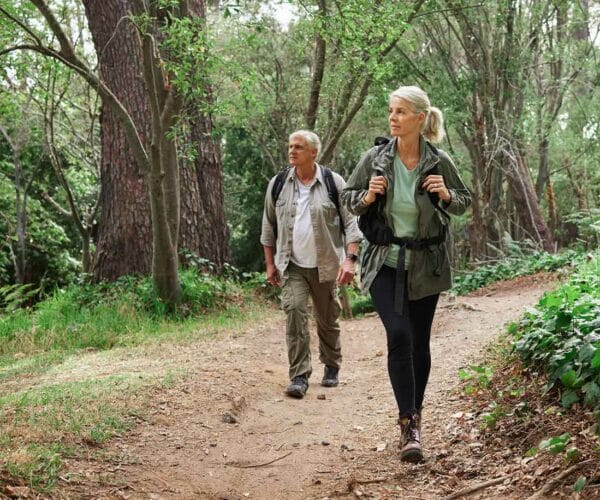
Who Can Hike?
Hiking is for everyone, regardless of age, fitness level, or body type.
Solo or Group: You can hike solo or with a group. Even your dog can join with a special dog hiking backpack!
Adaptive Hiking: People with disabilities can also enjoy hiking.
How to Get in Shape for Hiking
Begin with a daily 30-minute walk, gradually increasing duration to improve endurance.
Incorporate varied terrains to simulate hiking trails. Add cardio exercises like jogging, cycling, and swimming.
Focus on functional compound exercises like squats and deadlifts to strengthen legs, core, and glutes.
Maintain a diet rich in proteins, carbohydrates, and healthy fats.
Plan Your Hike
Research beginner-friendly trails. Look for local rail trails or flat paths.
Start with easy hikes and gradually progress to more challenging ones.
Take breaks, appreciate the scenery, and embrace the adventure.
Gear Up
Opt for breathable sporting clothing. Long trousers protect your legs from scratches, and long sleeves shield you from the elements.
Invest in comfortable hiking boots or trail runners. Good shoes are essential for a pleasant hiking experience.
Pack Smart
Use a small daypack to carry essentials like water, snacks, a first aid kit, and extra layers.
Stay hydrated by carrying enough water. A reusable water bottle or hydration bladder works well.
Bring a map, compass, or GPS device to navigate the trail.
Start Early
Set out early in the day to avoid crowds and enjoy cooler temperatures.
Be honest about your fitness level. Choose hikes that match your abilities.
Trail Etiquette
Respect the environment by not littering, staying on the official trail, and minimizing your impact.
Keep noise levels down, yield the trail to others, and follow any posted rules.
Safety First
Always let someone know your hiking plans. Share your expected return time and trail details.
Avoid shortcuts or off-trail exploration to protect fragile ecosystems.
Learn about local wildlife and how to safely encounter animals.
Read more on How to Stay Safe when Hiking Solo.
How to avoid hiking injuries?
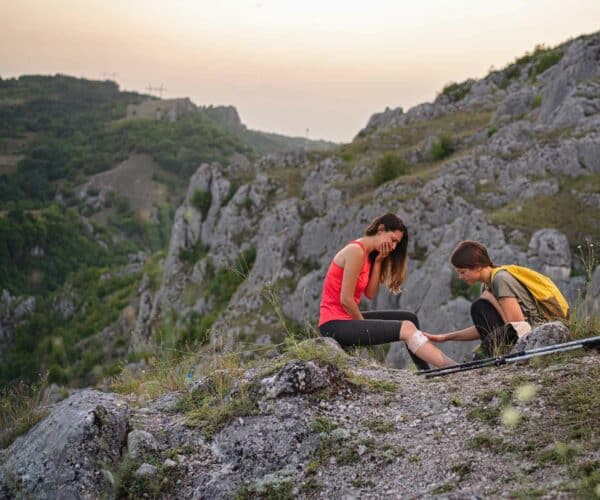
Avoiding hiking injuries involves a combination of proper preparation, awareness, and adopting safe practices. Here are some tips to help you minimize the risk of injuries while hiking:
Warm-Up
Before hitting the trail, engage in dynamic stretches to warm up your muscles and increase flexibility. Focus on major muscle groups, such as your legs and core.
Choose Appropriate Footwear
Wear sturdy, well-fitted hiking boots with good ankle support to reduce the risk of twists and sprains. Make sure your footwear is appropriate for the terrain.
Check the Trail Conditions
Know the difficulty level and conditions of the trail you plan to hike. Be aware of any potential hazards, such as loose rocks, slippery surfaces, or uneven terrain.
Use Trekking Poles
Trekking poles can provide extra stability and support, particularly on challenging terrain. They help distribute weight and reduce the impact on your joints.
Stay Hydrated
Dehydration can affect your concentration and coordination, increasing the risk of accidents. Drink water regularly throughout your hike, especially in hot or strenuous conditions.
Pack Light
Carry only essential items to minimize the weight of your backpack. A lighter load reduces the strain on your back and joints, decreasing the risk of overuse injuries.
Know Your Limits
If you’re new to hiking or exploring more challenging trails, start with shorter and less strenuous routes. Gradually increase the difficulty as your fitness level improves.
Be Weather-Ready
Wear weather-appropriate clothing and bring additional layers in case of temperature changes. Check the weather forecast before heading out to prepare for any unexpected conditions.
Pay Attention to Footing
Watch where you step, especially on uneven or rocky terrain. Be cautious of roots, loose gravel, and other potential tripping hazards.
Take Breaks
Schedule breaks during your hike to rest and rehydrate. This helps prevent fatigue, which can contribute to poor decision-making and an increased risk of injuries.
Stay on Designated Trails
Stick to marked trails and avoid shortcuts. Venturing off-trail can lead to injuries and harm the local ecosystem.
Be Prepared
Carry a basic first aid kit with essentials like bandages, antiseptic wipes, and pain relievers. Know how to use it and be prepared for minor injuries.
Inform Others
Let someone know your hiking plans, including your expected return time. In case of an emergency, this information can be crucial for rescue efforts.
Listen to Your Body
Pay attention to signs of fatigue, discomfort, or pain. Listen to your body and take breaks as needed. Pushing yourself too hard can lead to overuse injuries.
Get Hiking & Trekking Insurance with SportsCover Direct
It’s important to be aware of the risks associated with hiking as well as the benefits it can bring. Situations can occur that are beyond your control whether you’re hiking in the UK or on a trip abroad.
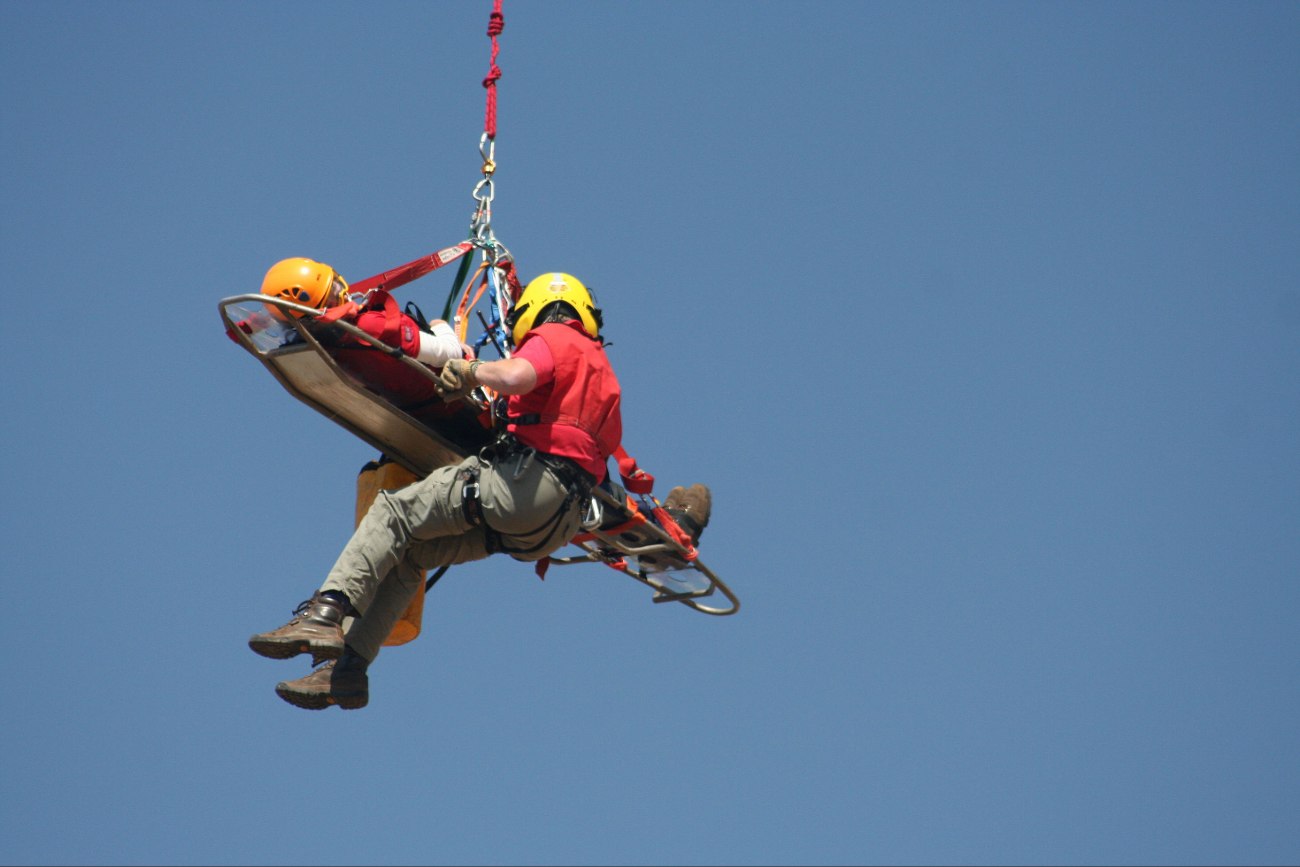
This is why specialist hiking and trekking insurance is essential, and why we’ve been insuring hiking enthusiasts like you for more than a quarter of a century. We can support you financially if your luggage is lost, stolen or damaged; if your travel plans are disrupted; if you suffer an accident or injury and need emergency rescue; and if you require healthcare over and above the limits of your European or Global Health Insurance Card.
Take a closer look at our affordable, flexible hiking and trekking insurance policies today.
This blog has been created as general information and should not be taken as advice. Make sure you have the correct level of insurance for your requirements and always review policy documentation.