

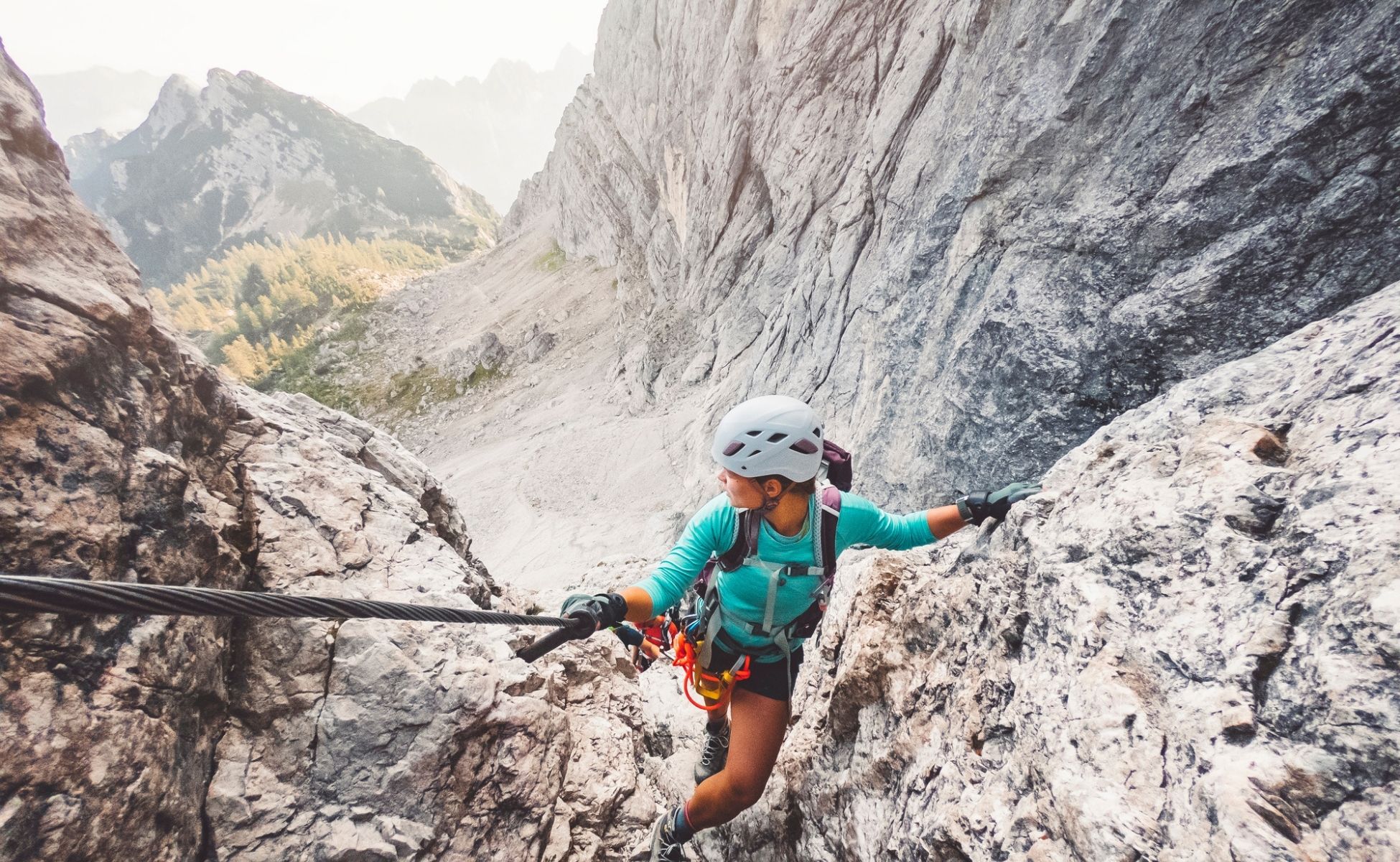
Rock climbing is a versatile and challenging physical activity that goes beyond being just a thrilling adventure. It’s a holistic exercise that nurtures many areas of your wellbeing. Whether you’re scaling mountains, indoor climbing walls, or bouldering, there are many physical and mental health benefits of climbing.
For everyone from beginners to experienced climbers, the positive impact of testing your strength and endurance through this sport can enrich your overall quality of life. It’s a truly transformative experience that allows you to ascend towering cliffs, conquer difficult walls, and explore the vertical beauty of nature.
In this guide, we’ll explore the numerous physical and mental benefits of rock climbing.
The physical benefits of rock climbing
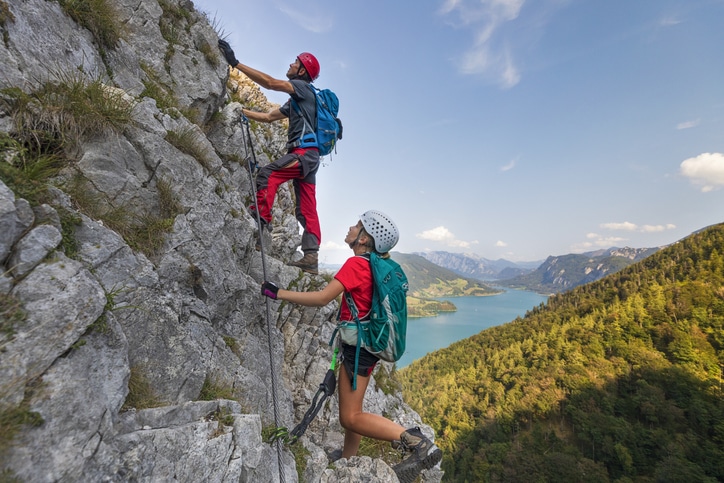
Here’s a selection of the physical benefits of rock climbing.
Full-body workout
Rock climbing stands out as a superb full-body workout, engaging multiple muscle groups simultaneously. The ascent demands the use of your arms, legs, back, and core muscles all at once. Constantly pulling, pushing, and balancing on various holds enhances strength, endurance, and flexibility. The dynamic and varied movements involved in climbing ensure that no muscle is left untouched, promoting a comprehensive and efficient full-body exercise.
Cardiovascular fitness
Rock climbing is an exceptional cardiovascular workout due to its dynamic nature. As you ascend, the continuous and rhythmic movement engages your large muscle groups, prompting your heart to work harder to deliver oxygen throughout your body. The sustained effort increases your heart rate and respiratory activity, enhancing cardiovascular fitness. This not only strengthens the heart and lungs but also promotes endurance.
Strength building
Rock climbing is an exceptional strength-building activity, targeting key muscle groups throughout the body. The constant need to pull and lift the body weight against gravity develops substantial upper body strength, particularly in the forearms, biceps, and shoulders. Additionally, leg muscles engage in powerful pushes, contributing to overall lower body strength.
The core muscles play a pivotal role in maintaining balance and stability. As you navigate challenging routes, the intensity of these movements promotes functional strength, making rock climbing an effective and dynamic way to build muscle strength across various regions.
Balance and coordination
Rock climbing is a superb activity for enhancing balance and coordination. As you make your way skywards, you’ll have to use precise weight distribution and calculated movements. The constant need to find secure footholds and handholds on varying surfaces challenges your body’s balance mechanisms.
Climbing requires coordinated efforts between the limbs, honing fine motor skills and spatial awareness. Negotiating complex routes, especially on natural rock formations, sharpens proprioception, the body’s ability to sense its position in space. The dynamic interplay of movements in rock climbing not only strengthens muscles but also refines balance and coordination, for better agility and control in both climbing and everyday activities.
Flexibility
Rock climbing is an excellent activity for enhancing flexibility. You’ll engage in a wide range of motions, requiring flexibility in the arms, legs, and torso. The necessity to reach for holds in various positions and adapt to the contour of the climbing surface promotes increased joint mobility.
Over time, you’ll develop improved flexibility in the hips, shoulders, and spine, contributing to a better overall range of motion. This enhanced flexibility not only helps you to navigate challenging routes but also translates into improved joint health, reduced stiffness and better posture.
Weight management
Rock climbing serves as an effective tool for weight management due to its high-intensity nature. The activity demands substantial energy expenditure as you navigate challenging terrains, resulting in significant calorie burn. Engaging multiple muscle groups simultaneously, climbing promotes muscle toning and contributes to increased metabolic rate, aiding in fat loss.
The full-body workout also enhances overall fitness and endurance. Whether climbing indoors or scaling natural formations, the combination of strength-building and cardiovascular exercise makes it an engaging and efficient way to manage weight, nurturing both physical health and a sense of accomplishment in the vertical realm.
Mental benefits of rock climbing
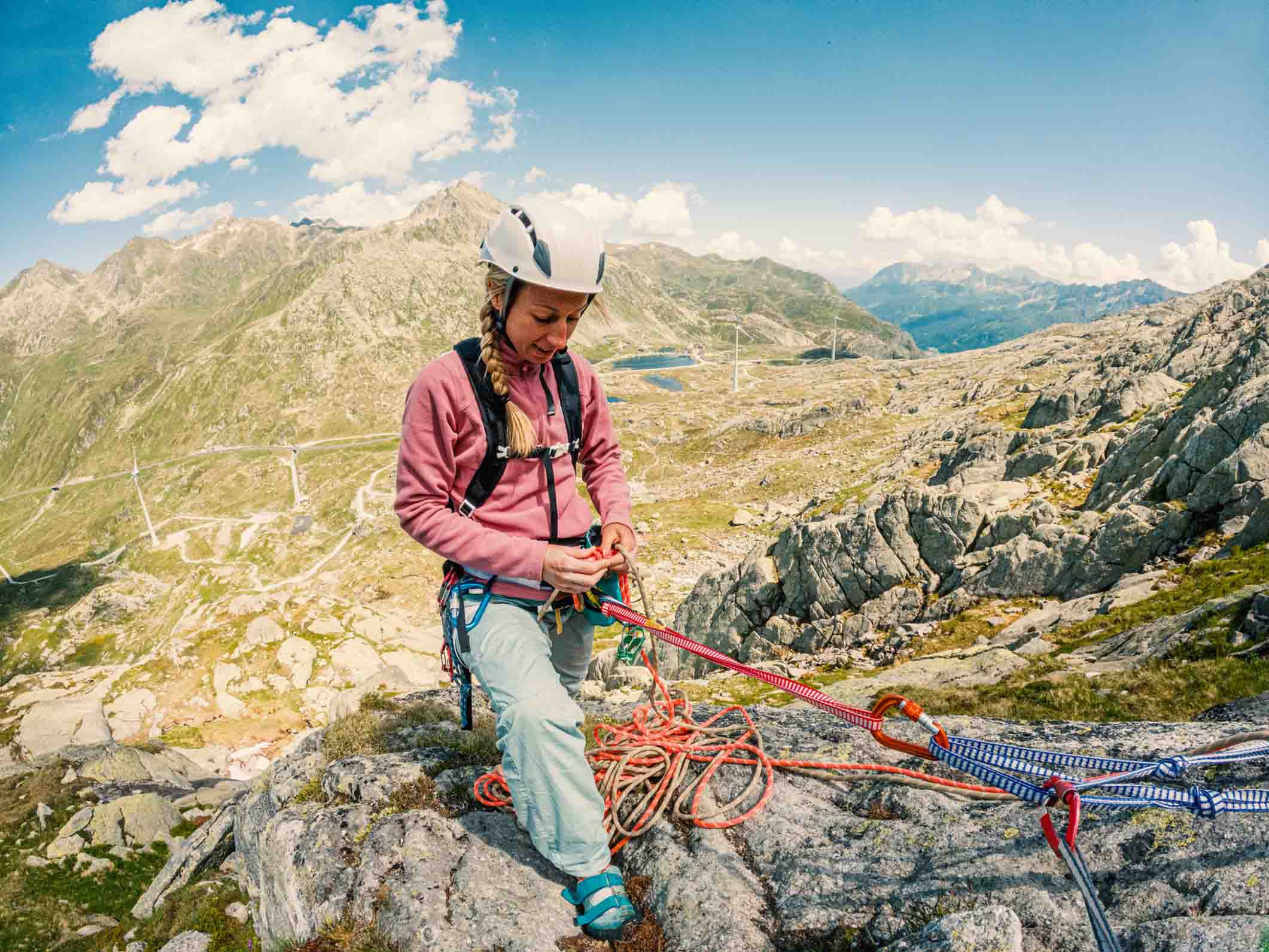
This is certainly one activity that’s great for the mind. Here are some of the mental benefits of rock climbing you can enjoy.
Stress reduction
Rock climbing can be a potent stress-reliever, as you use both physical exertion and mental focus. The immersive nature of the activity redirects attention away from daily stressors, promoting a mindful state as you concentrate on the immediate challenges. The release of endorphins during climbing induces a sense of euphoria, reducing stress and anxiety levels.
The combination of physical effort, rhythmic movements, and the thrill of conquering heights creates a meditative experience, providing you with a powerful means to unwind and disconnect. Because of this, rock climbing can become a therapeutic outlet, offering not just adventure but a comprehensive approach to stress reduction and mental wellbeing.
Problem-solving skills
Climbers often face intricate routes and challenging problems that require problem-solving skills. Strategising and adapting to changing conditions helps you develop excellent resourcefulness.
Increased confidence
Overcoming climbing challenges boosts your self-confidence and self-esteem, resulting in a lasting sense of accomplishment. Learning and practising risk management in a controlled climbing environment also provides you with a unique perspective on assessing and mitigating risks. This heightened awareness and confidence can improve your decision-making in daily life.
Improved resilience
Dealing with fear, uncertainty, and physical challenges builds mental resilience. Climbers learn to push through discomfort, developing tenacity and a positive mindset.
Creativity
Climbers regularly encounter unique routes and challenges, requiring creative thinking to navigate the changing terrain. This mental engagement enhances cognitive flexibility, creativity, and the ability to rise to various challenges in changing circumstances.
Goal setting and achievement
Setting and achieving climbing goals, whether it’s conquering a challenging route or reaching a specific summit, instils a sense of accomplishment. This goal-oriented approach can often extend beyond climbing, positively influencing other aspects of your life.
Other benefits of rock climbing
Beyond the physical and mental health benefits, rock climbing offers a range of additional advantages that give you a well-rounded and fulfilling experience.
Social connection
Rock climbing often takes place in a community setting, fostering a sense of camaraderie among climbers. Whether you’re scaling indoor walls with friends or joining a climbing group for an outdoor adventure, the shared challenges create strong social bonds. The social aspect is a huge draw for many people, as climbers often collaborate, share tips, and encourage one another.
Connection with nature
Outdoor rock climbing lets you connect with nature in a profound way. Climbing in scenic locations is a highly immersive experience in natural surroundings, giving you an undeniable appreciation for the environment and promoting outdoor stewardship.
Can you get fit from rock climbing?
Absolutely. Rock climbing offers a comprehensive workout that targets various muscle groups, for better strength, endurance, and flexibility. Regular climbing sessions contribute to overall fitness.
Does rock climbing burn belly fat?
Yes. Rock climbing is a high-intensity exercise that burns calories and promotes fat loss. Combined with a balanced diet, it can contribute to reducing belly fat.
Is rock climbing better than the gym?
The effectiveness depends on your own preferences and fitness goals. Rock climbing provides a dynamic and enjoyable alternative to traditional gym workouts, with just as many physical and mental benefits.
The benefits of bouldering
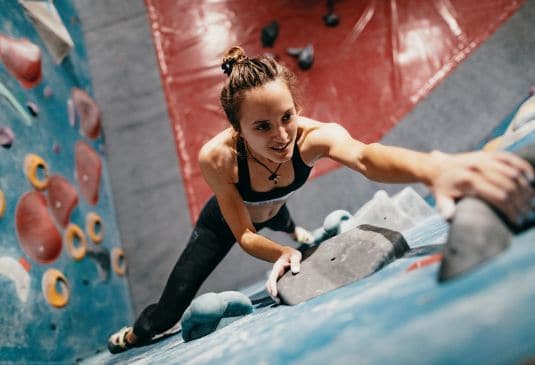
If you’re specifically interested in bouldering, there are a variety of advantages to taking up this form of climbing. A form of rock climbing typically performed on short walls without ropes, it offers its own physical and mental benefits. One of its key advantages is accessibility. It requires minimal equipment and can be enjoyed indoors or outdoors, making it an inclusive activity for climbers of all levels.
Bouldering serves as an excellent whole body workout, contributing to a lean and toned physique. The intense focus required to navigate short, challenging routes promotes mental agility and increased spatial awareness. The short, powerful bursts of energy required for bouldering also contribute to cardiovascular health and metabolic efficiency.
Get Rock Climbing Insurance with SportsCover Direct
Rock climbing is an exciting activity you can enjoy in a range of indoor and outdoor settings, so not even the weather can hold you back. However, you can’t control everything and there are still some associated risks to take precautions against. This is why it’s always a good idea to purchase rock climbing insurance for financial protection.
Get peace of mind with SportsCover Direct’s rock climbing insurance, covering heights of up to 7,000m. There are three different policy options to choose from, including travel insurance for leisure or competition abroad, with protection against trip cancellation, medical costs and more. If you have travel insurance with another provider that doesn’t include rock climbing, opt for our bolt-on protection. If you’re staying in the UK, our sports accident insurance covers you for personal liability, income protection and other benefits.
Read more and get an instant quote tailored to your needs.