

When you embark on any hiking trip it’s essential to focus on preparation to help you avoid unexpected problems along the way. For hiking much of this comes down to conditioning yourself physically to be able to handle the level of activity you intend to take part in. Additionally, there are other tips worth taking onboard to help you make the most of your hiking experiences.
In this guide we cover some of the most common hiking injuries that people sustain with some best practices to help avoid them. If you’re new to hiking, you may want to learn from experience and avoid the common pitfalls beginners can trip on. Plus, it’s always worth preparing for some basic first aid.
What Muscles are affected by hiking?
Hiking engages a variety of muscle groups throughout the body, providing a comprehensive workout.
Quadriceps
Quadriceps, often referred to as “quads,” play a significant role during hiking. These powerful muscles are located on the front of your thighs and are actively engaged throughout your hiking adventure.
These large groups of muscles remain constantly engaged while hiking. They help propel you forward, providing the necessary strength for each step on the trail. As you walk on the trail, the quadriceps come into play by straightening or extending the knee. This action is crucial for maintaining stability and efficient movement.
When you’re hiking uphill, your quads take on a majority of the burden. They work overtime to lift your legs and propel you up the incline. So, those steep ascents really put your quadriceps to the test!
Hamstrings
Located at the back of the thighs, hamstrings support knee flexion and provide balance during descents.
Hiking downhill puts your hamstrings into overdrive. These muscles work extra hard to control the rate at which you descend while maintaining balance. When you’re going downhill, your hamstrings work in combination with your quads. They help bend or flex the knee and pull the quads back during forward motion. So, hiking downhill can actually be harder on your hamstrings than your quads.
Walking, which is a fundamental part of hiking, uses hamstrings more strongly than running. When you walk, your leg reaches out in front of you, engaging those hamstrings. So, consider hiking as a killer hamstring workout—especially during those steep but safe declines.
Calves
The muscles in the lower leg help control ankle movements, particularly during uneven terrain.
Hiking puts your calf muscles to the test, and they play a crucial role during your outdoor adventures. Your calf muscles are responsible for lifting your heel and pushing off the ground with each step. When you hike, these muscles are constantly contracting and lengthening to propel you forward. This repetitive motion can lead to micro-tears in the muscle fibres, resulting in calf pain after hiking.
Hiking, especially on uneven terrain, adds extra stress to your calves. Whether you’re navigating rocky trails or ascending steep slopes, your calf muscles work hard to maintain balance and provide the necessary strength for each stride. Surprisingly, hiking downhill can be even tougher on your calves than going uphill. As you descend, your calves help control the rate of movement, preventing you from tumbling down too quickly.
Glutes
Responsible for hip extension and stability, glutes are crucial for maintaining balance and power during uphill climbs and stability on uneven terrain.
Your glutes also contribute to maintaining an upright posture while hiking. Weakness or fatigue in the glutes may lead to compensatory movements and postural changes, potentially causing discomfort in the lower back or hips.
Core Muscles
Abdominal and lower back muscles play a vital role in stabilizing the torso and maintaining balance on uneven terrain. Having a strong core can help support yourself correctly, provide force when walking uphill and also assist with load distribution when carrying a backpack.
What are the Most Common Hiking Injuries?
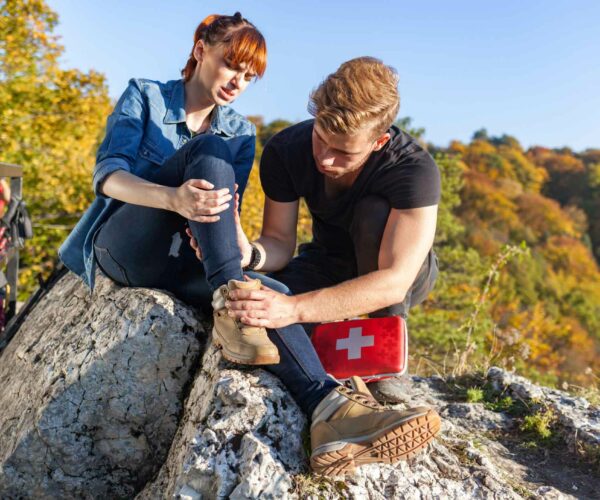
Knee Injuries
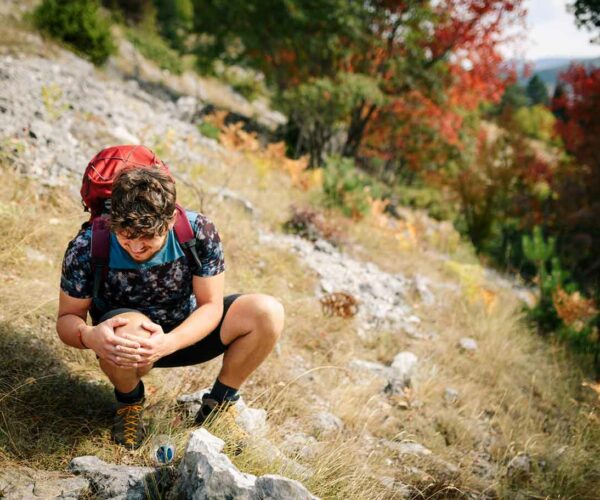
Overuse or improper alignment during descents can result in knee injuries. The most likely causes of knee injuries are from prolonged use and repetitive strains. Failing to adopt the proper technique or carrying excessive weight can also lead to or make this worse.
Sprained Ankles
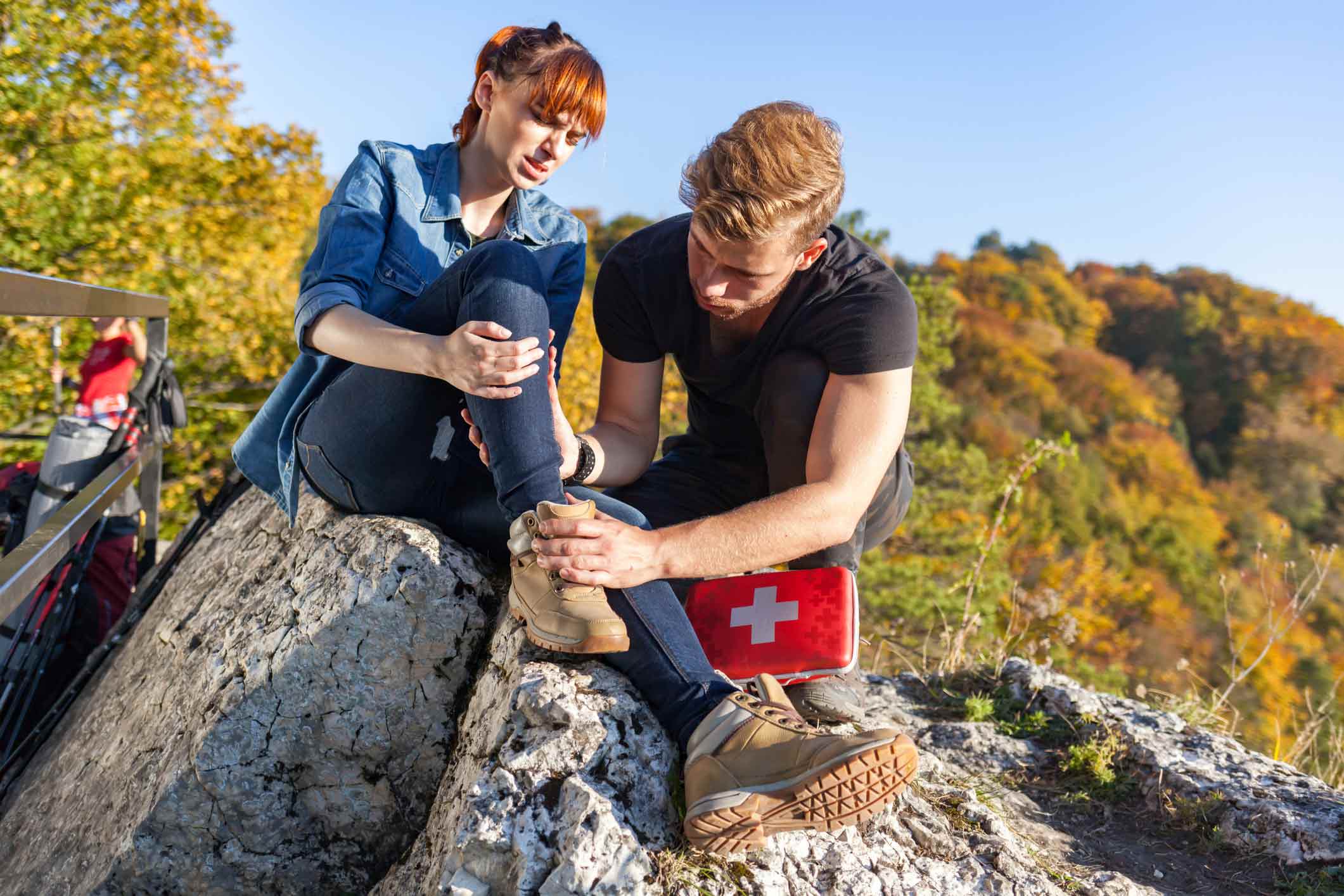
A sprained ankle occurs when the ligaments that support the ankle joint are stretched or torn, usually due to a sudden twist, turn, or awkward movement of the foot. Ligaments are tough, elastic bands that connect bones to each other and provide stability to joints. The severity of a sprained ankle can range from mild to severe, depending on the extent of ligament damage.
Muscle Strains
Strains can occur in various muscle groups, particularly the quadriceps, hamstrings, and calves, due to repetitive use or sudden movements. These strains are the result of overstretching or tearing muscle fibers. They will likely cause pain, inflammation and muscle tightness, which will impair your movement.
Blisters
Blisters are a common occurrence during hiking and are primarily caused by friction, pressure, and moisture. When these factors act on the skin, especially on the feet, they can lead to the development of blisters.
Dehydration and Heat-Related Issues
Inadequate hydration and exposure to extreme temperatures can result in conditions like heat exhaustion or heat stroke. It can have a severe impact when hiking as it impairs the body’s ability to function optimally.
Abrasions and Cuts
Contact with rocks, branches, or rough terrain can lead to scrapes, cuts, or abrasions. These may be caused from close encounters with vegetation such as thorns and low hanging branches or slips and falls from rough terrain.
Sunburn
Spending a prolonged period in the hot sun can cause sunburn, especially at higher altitudes with increased UV exposure. The implications of sunburn include dehydration and heat related illnesses, such as heat exhaustion and heat stroke as your body struggles to regulate its temperature.
Insect Bites and Stings
Encounters with insects, such as mosquitoes, ticks, or bees, can result in bites or stings, potentially leading to allergic reactions or infections.
Overuse Injuries
Excessive hiking or carrying heavy loads can lead to overuse injuries, such as tendonitis, shin splints, or stress fractures.
What mistakes are most common for first time hikers?
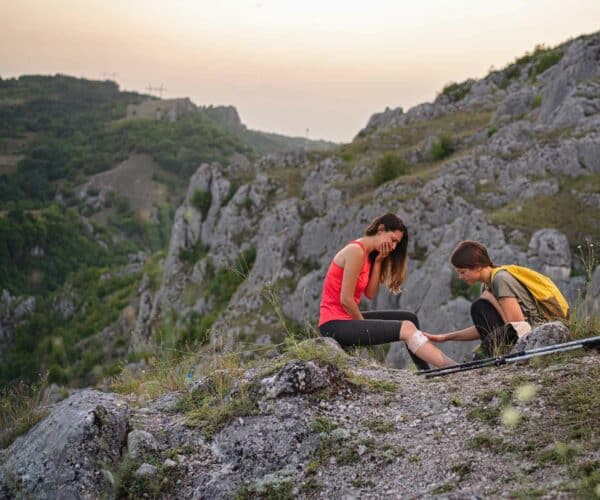
Overestimating Abilities
Starting with overly ambitious trails or distances can lead to fatigue, injuries, or getting lost.
Improper Footwear
Wearing inappropriate footwear, such as sneakers or sandals, can increase the risk of blisters, sprains, or foot injuries.
Lack of Preparation
Failing to research the trail, check the weather forecast, or pack essential gear can lead to discomfort, accidents, or emergencies.
Ignoring Signs of Fatigue
Pushing through fatigue or pain can increase the risk of injury or exhaustion. It’s essential to listen to your body and take breaks as needed.
Not Hydrating or Fueling Properly
Neglecting to drink enough water or eat nutritious snacks can lead to dehydration, fatigue, or weakness on the trail.
Overpacking
Carrying excessive weight in a backpack can strain muscles and joints. It’s essential to pack only what is necessary for the hike.
Lack of Conditioning
Overestimating physical fitness and attempting challenging hikes without proper conditioning can lead to fatigue and injuries. Failing to warm up before a hike can also increase the risk of muscle strains and injuries.
How to Prevent Hiking Injuries
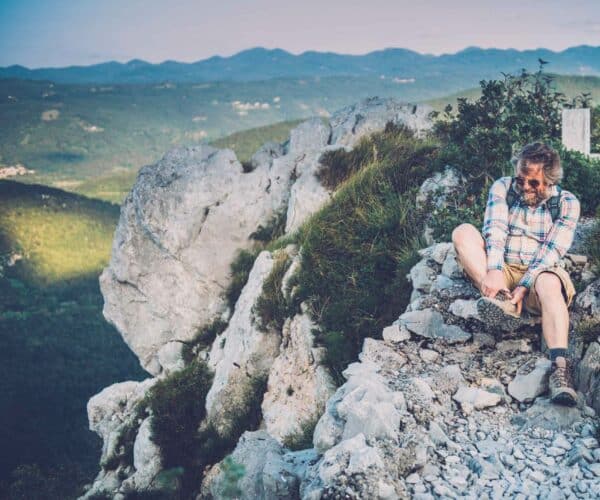
Proper Footwear
Wear sturdy, well-fitted hiking boots with ankle support to reduce the risk of ankle injuries.
Gradual Conditioning
Gradually increase the intensity and duration of hikes to allow your body to adapt to the physical demands. Perform dynamic stretches to warm up muscles before hiking, focusing on the legs, hips, and lower back.
Appropriate Gear
Use trekking poles for stability, and ensure your backpack is well-fitted and evenly loaded to prevent strain. Trekking poles can provide stability, reduce strain on the knees and ankles, and help distribute weight more evenly.
Stay Hydrated
Taking a suitably sized water bottle is essential. Drink water regularly to prevent dehydration, especially in hot or high-altitude environments.
Trail Awareness
Plan your routes and pay attention to trail markers, follow designated paths, and be cautious of potential hazards.
Pack Essentials
Bring essential gear, including a map, compass or GPS device, first aid kit, sunscreen, insect repellent, and extra clothing layers.
Know Your Limits
Be realistic about your abilities and limitations, and don’t hesitate to turn back or seek assistance if needed.
Hike with Others
Whenever possible, hike with a companion or group to provide support, companionship, and assistance in case of emergencies.
Basic first aid tips for Hikers
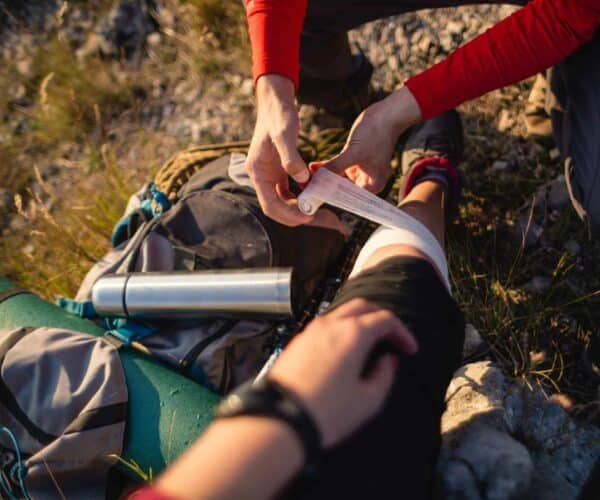
Address Minor Injuries Promptly
Treat blisters, cuts, or abrasions promptly to prevent infection. Clean wounds with water and apply antiseptic ointment and bandages. This will avoid discomfort from worsening and potentially allow you to carry on hiking.
R.I.C.E. for Sprains and Strains
Rest, Ice, Compression, and Elevation can help alleviate pain and swelling for mild sprains and strains.
Hydrate and Rest for Dehydration
Listen to your body. If you experience signs of dehydration, such as dizziness or weakness, hydrate and take a break in a shaded area. Drink plenty of water and pack re-hydration remedies with you.
Carry a Basic First Aid Kit
Include essentials like bandages, antiseptic wipes, pain relievers, and any personal medications.
Know When to Seek Professional Help
For more severe injuries, such as fractures or heat-related illnesses, seek professional medical assistance promptly. In case of emergencies, such as severe injuries or medical emergencies, stay calm, assess the situation, and seek assistance from other hikers or emergency services if necessary.
Know Basic First Aid Skills
Learn basic first aid skills, including CPR, treating shock, and stabilizing injuries, to provide immediate assistance to yourself or others in need.
Remember, prevention is key to avoiding hiking injuries. By preparing adequately, knowing your limits, and staying vigilant on the trail, you can enjoy a safe and rewarding hiking experience.
Get Hiking & Trekking Insurance with SportsCover Direct
However, fit you are or rigorously you take steps to avoid hiking injuries there is always the possibility that something might go wrong, so it is worth taking the time to be prepared. Having comprehensive insurance to support your trip and activities can protect you against unexpected situations, accidents and injuries that could result in costly claims.
SportsCover Direct’s trekking and hiking insurance gives you worldwide cover for peaks of up to 7,000 metres. Our travel insurance is designed to give financial protection for medical and repatriation costs, cancelled trips and more. You can also opt for a bolt-on to add to your existing policy for specialist activities and choose Sports Accident cover for personal accident protection in the UK.
Find out more and get a personalised quote online.
This blog has been created as general information and should not be taken as advice. Make sure you have the correct level of insurance for your requirements and always review policy documentation.