

Shooting game birds is an experience requiring specific skills and knowledge, whether you’re new to the pastime or more experienced. However, it can be difficult to know exactly how to approach different birds, as each has their own characteristics and preferred environments. Understanding these – and the tightly regulated shooting seasons – is essential for everyone taking part.
This guide tells you all you need to know about all the common game birds that feature at shooting venues in the UK. You’ll discover the designated seasons where shooting is permitted, tips on how to find them, and how to get the most enjoyment possible from your shooting experiences.
Grouse
Grouse is one of the most prized game birds to hunt, but there are two distinct species that can be very different in their characteristics, so it’s worth considering each one in turn:
Black grouse
The black grouse is the larger of the two types, and a very distinctive bird in its appearance: with red wattles and some white highlights on its plumage. They’re large, too, with the biggest adults weighing as much as 1.5kg.
The black grouse season starts on 20th August in most parts of England, Scotland and Wales; the exceptions are in Somerset, Devon and the New Forest, where it begins on 1st September. The season ends on 10th December nationwide. Black grouse tend to like moorland environments, which is why Scotland, the Pennines and higher regions of Wales are prime locations for hunting them.
Grouse fly fast and low in order to avoid one of its main predators, the peregrine falcon. While it’s possible to shoot multiple birds in a flight, they can be wary, so make sure you dress in dark colours so as not to startle them.
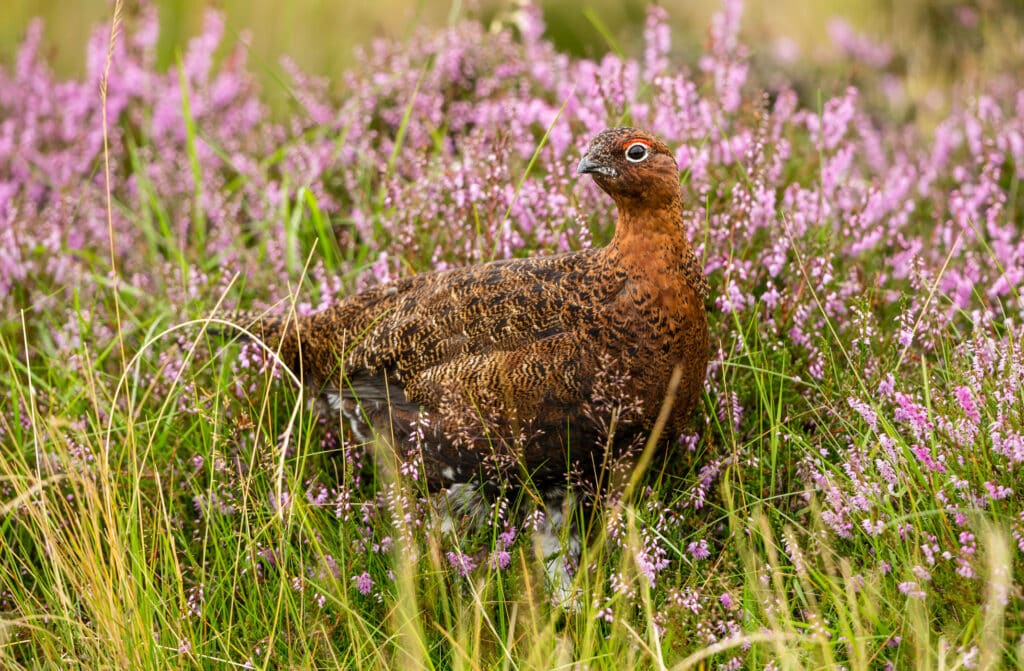
Red grouse
Red grouse are considered one of the tastiest of game birds: it’s full of flavour and relatively low in fat. This is especially the case for a younger one. At around 700g, the average adult is only around half the weight of its darker counterpart.
The shooting season for the red grouse starts on the centrepiece of the shooting year, the ‘Glorious Twelfth’ of August. The season runs until 10th December in England, Scotland and Wales, and until the end of November in Northern Ireland. Similar to black grouse, a discreet approach is key to hunting them, but the rewards for bagging one are worth it.
Mallard
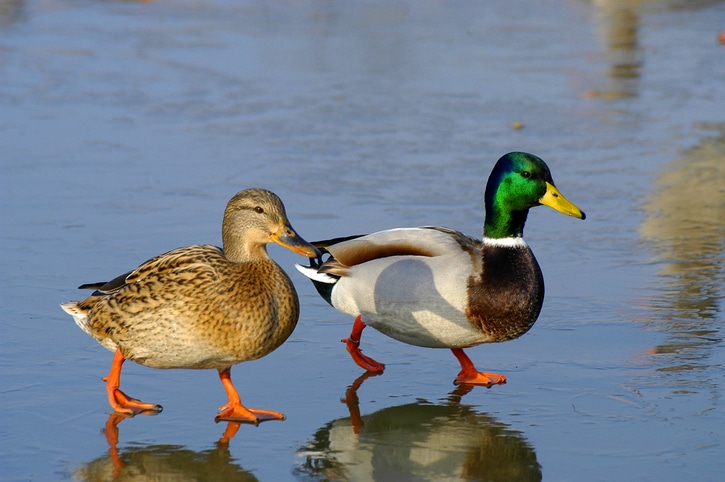
The mallard is more commonly known as a duck, perhaps because it’s the biggest and one of the most abundant wild duck species in the UK. Renowned for being part of a popular dish, especially when served with fruit such as orange.
But beware of the specifics regarding the mallard hunting season. Generally speaking, it runs from 1st September until 31st January; however, in England, Scotland and Wales, mallards can still be hunted until 20th February if they are below the high-water mark of their habitats.
Mallards tend to fly south during the winter months in search of better food access and warmer climates, which makes the first real freeze of the winter an ideal time for hunting. Using a small number of good-quality decoys can be a big benefit when trying to bring ducks out into the open.
Partridge
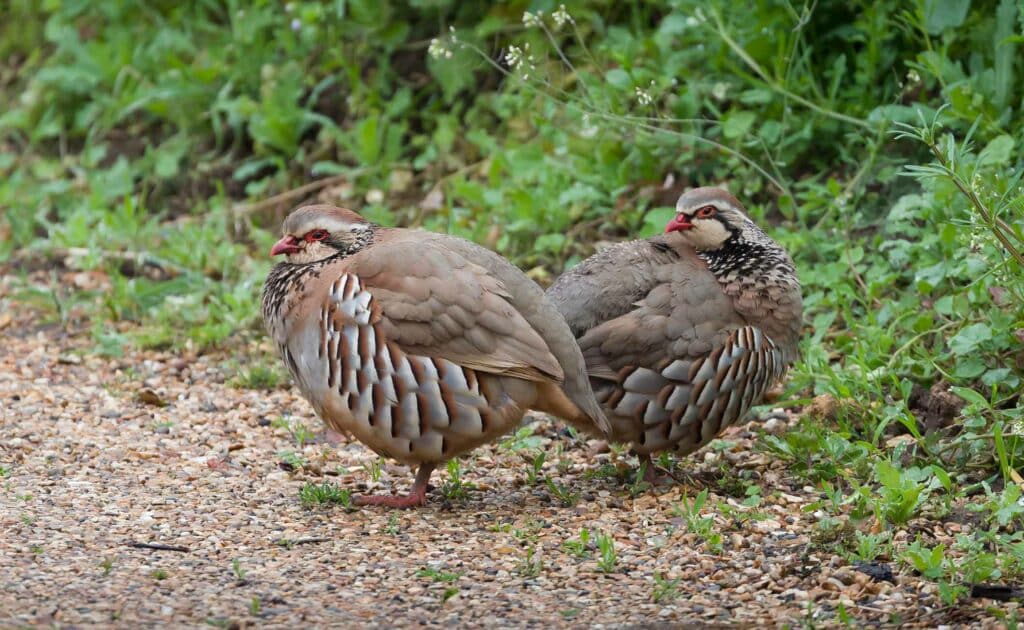
There are two kinds of partridge that you can hunt: the red-legged and the grey. The latter is smaller in size and quite a bit rarer in Britain these days as their numbers have declined.
Firstly, for the similarities between the two species. The designated hunting seasons are the same, from 1st September to 1st February, while their diet is broadly similar, consisting largely of roots, seeds and leaves (although young have been known to eat insects). Both kinds are generally found in open fields and on arable land, with the east of England and Scotland perhaps the most common areas.
Partridges can be a challenge to shoot successfully, being relatively small birds that can be deceptive in their movement. Shot sizes can be small, which means pressure on your shoulder can be minimised, but you’ll need to be quick to target whatever you can get in the group. Don’t waste time worrying about who in your group is targeting which bird.
Pheasant
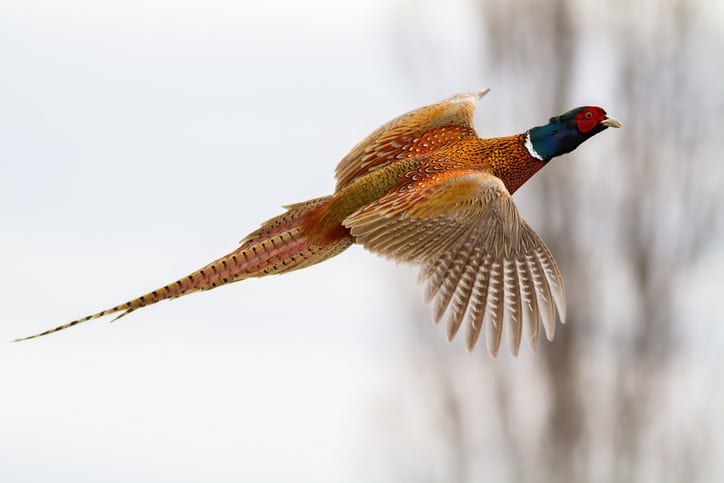
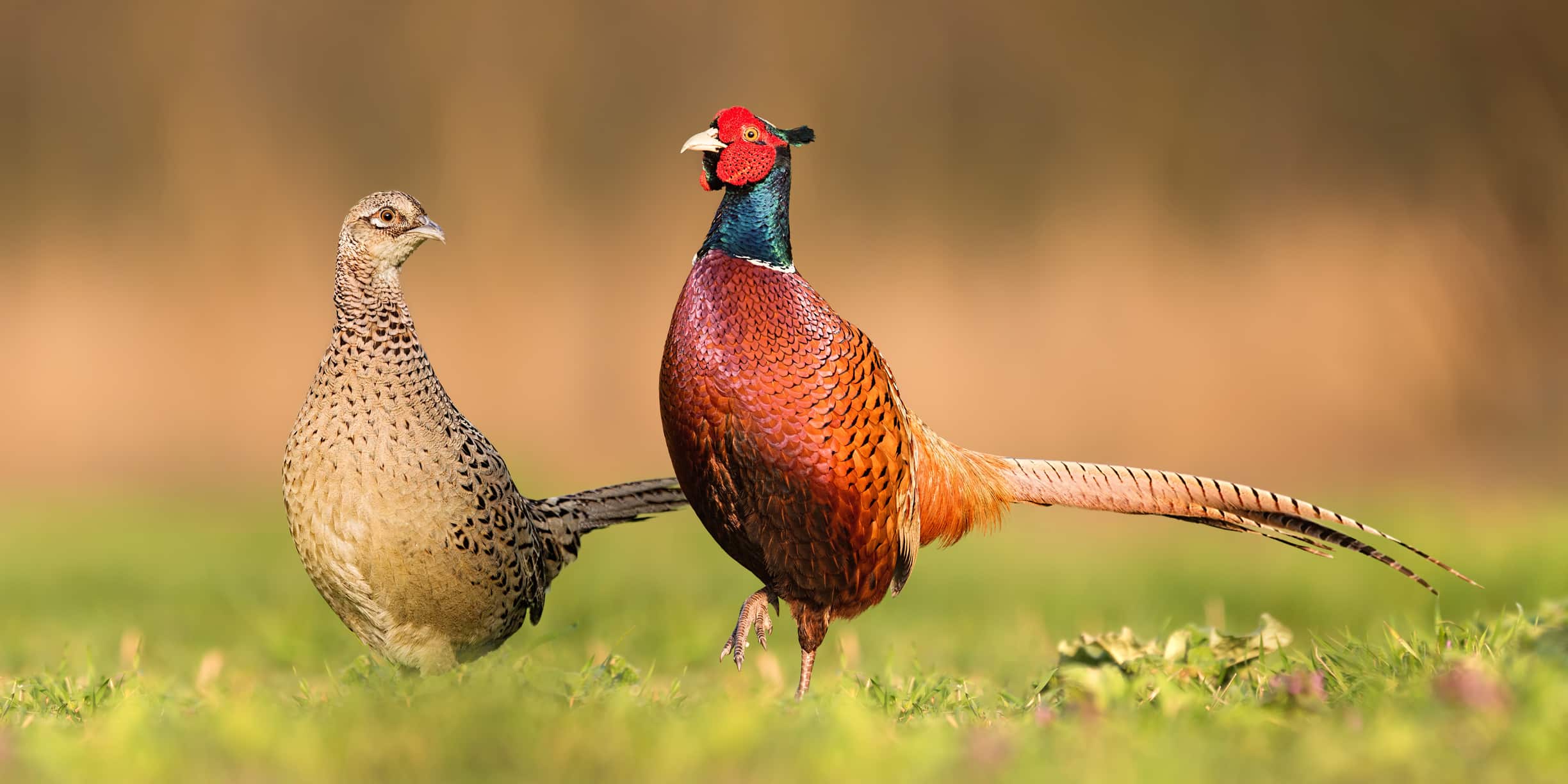
The pheasant is the most commonly sighted game bird in the UK by some margin. Every year, there are as many as 35 million of them released into the wild. Large, colourful and with a long tail, they’ve been hunted in this country for hundreds of years, they’re also a popular choice for Sunday roasts.
The pheasant shooting season starts on 1st October and finishes on 1st February (31st January in Northern Ireland). While you can theoretically find them all over the country, the best places generally tend to be in Devon, and in Wales where they were first introduced to this country from Ireland.
You’ll generally find them in and around the foliage of the open countryside, so you should look for them around hedgerows, wooded areas and even sometimes in wood-heavy wetlands. The key for success is to bide your time and keep quiet, as pheasants are smart birds that have an excellent sense of hearing. If you’re taking part in a shoot, hopefully you can rely on some beaters to flush them out in your direction.
Snipe
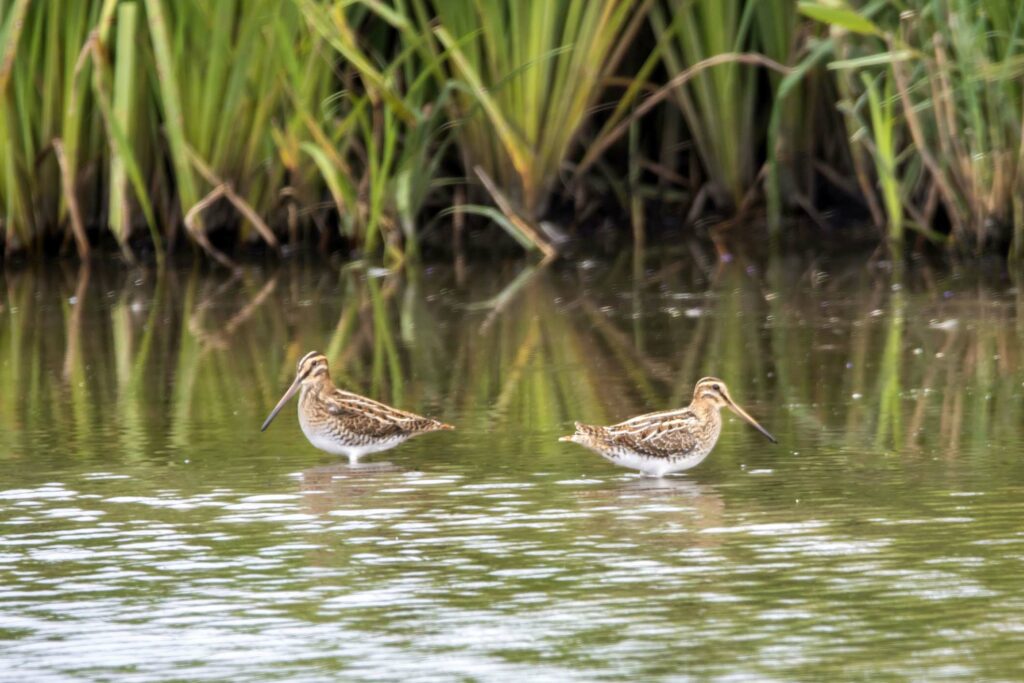
The common snipe isn’t quite as abundant around the UK as it once was, in no small part due to the decline in wet grassland available to them. Snipe are unique among game birds in that they are roasted whole, without their giblets being removed, and are often made into pate.
These are wading birds with a long beak, and they are one of the smallest birds in this guide: the average adult only weighs around 100 grams. The hunting season starts on the ‘Glorious Twelfth’ in England, Scotland and Wales, and on September 1 in Northern Ireland, finishing on January 31 UK-wide.
Snipes fly in a zig-zag pattern which, combined with their small size, makes them a challenging shot. Keeping quiet and your gun concealed is vital.
Teal
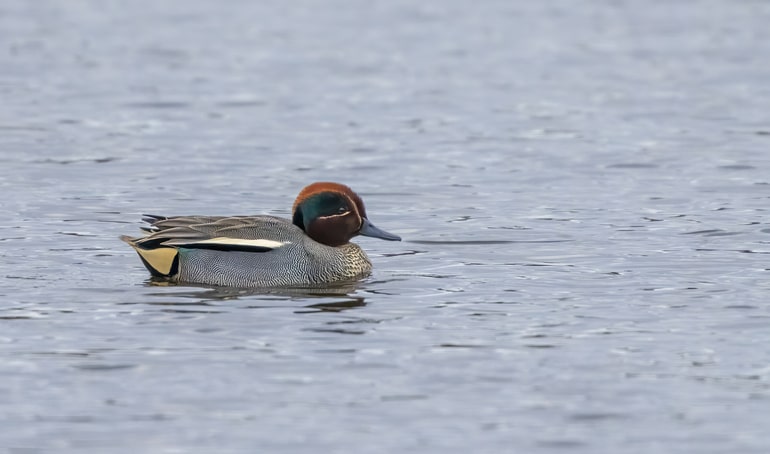
Teals are very small ducks that occasionally crop up as shooting opportunities. They’re distinctive by the peeping sound that they make as they fly across ponds and then land on the water. They’re even able to stand on their tails and launch directly upwards when moving away from ponds and predators. Precision and a smooth swing is important to shoot teal, and your gun should follow the line of the bird as best you can.
Woodcock
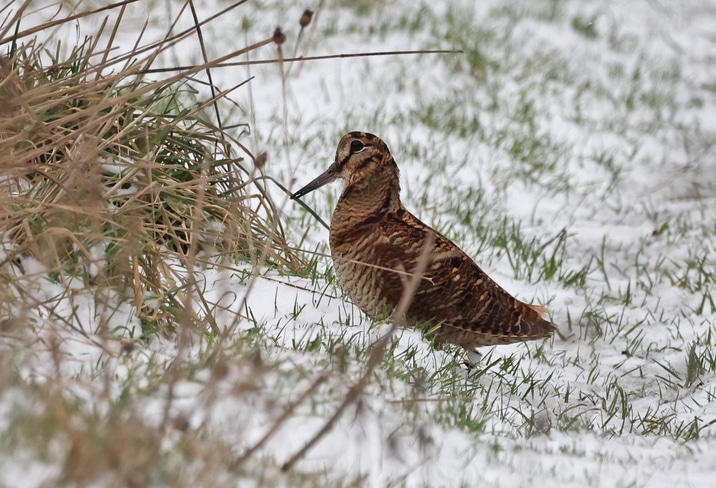
Woodcocks are generally nocturnal birds, but they do come out in the evening to feast on their diet of insects, snails and spiders. Like the snipe, they fly in zig-zags which can make it extremely difficult to shoot, and the eyes on the sides of their heads mean that they have 360-degree vision.
The hunting season for woodcocks starts earlier in Scotland on 1st September, with England, Wales and Northern Ireland following a month later. The season ends across the UK at the end of January. However, the woodcock population has been severely depleted across the UK, and many shooters have decided not to pursue the for the foreseeable future, to allow numbers to recover.
Get shooting insurance with SportsCover Direct
Shooting is a sport where it’s vital to take safety precautions wherever possible. In the event of unforeseen circumstances, such as an accident or the loss of guns and equipment, taking out comprehensive insurance should be essential.
SportsCover Direct has been providing shooting insurance to enthusiasts for the last 30 years. Our cover encompasses personal accident insurance; help with repairing or replacing guns and equipment if they’re lost, stolen or damaged; and up to £10million of public liability insurance in case you hurt someone else or damage their property. Indeed, public liability insurance is generally a requirement to shoot at game venues or on shooting ranges
Take two minutes to find out more about our shooting insurance policies today.