
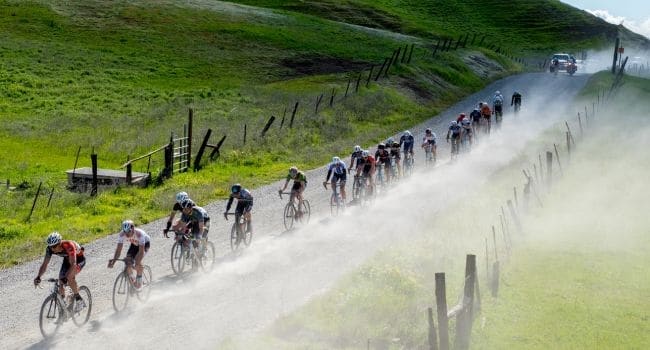
Gravel cycling has rapidly evolved from a niche discipline into one of the most popular forms of cycling across the UK and Europe. Offering a balance between road cycling efficiency and off-road exploration, gravel riding allows cyclists to escape traffic, explore remote landscapes, and experience cycling in its purest form.
It’s growth reflects a broader shift in how people approach cycling, prioritising freedom, exploration, and wellbeing over speed alone. According to Sport England’s Active Lives Survey, over 1.1 million adults participate in off-road cycling regularly in England, highlighting the growing demand for cycling experiences beyond traditional road routes.
For cyclists seeking quieter roads, multi-day adventures, or overseas riding holidays, gravel cycling provides unmatched flexibility and accessibility.
This guide explains what gravel cycling is, what makes gravel bikes unique, and the best places to gravel cycle across the UK and Europe. It also covers gravel cycling tours and why specialist cycling travel insurance is an important part of planning your trip.
What is gravel cycling?
Gravel cycling refers to riding on mixed terrain, typically including gravel roads, forestry tracks, bridleways, canal paths, and quiet rural lanes. Rather than focusing purely on speed or technical difficulty, gravel cycling emphasises endurance, adventure, and exploration.
It bridges the gap between road cycling and mountain biking. Gravel riders can cover long distances efficiently while still accessing off-road routes that road bikes cannot safely handle.
One of the key appeals of gravel cycling is its versatility. Riders can adapt routes to their fitness level and preferences, from short countryside rides to multi-day bikepacking adventures.
Gravel cycling offers several advantages:
- Access to traffic-free routes, improving safety and enjoyment
- Greater comfort on uneven surfaces compared to traditional road bikes
- The ability to explore remote landscapes and rural areas
- Increased flexibility for touring, commuting, and recreational riding
This discipline has become particularly popular among cyclists looking to avoid busy roads while still maintaining endurance fitness and enjoying scenic environments.
For those new to gravel riding, it forms part of a wider range of cycling disciplines, each with its own characteristics and equipment requirements.
What is a gravel bike?
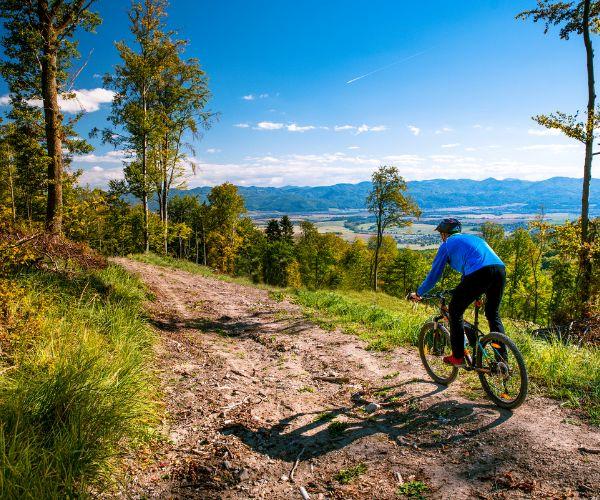
A gravel bike is specifically designed to handle mixed terrain efficiently while maintaining comfort over long distances. While gravel bikes resemble road bikes in appearance, several key design features make them better suited to rough surfaces.
Wider tyres for stability and comfort
Gravel bikes use wider tyres, typically between 35mm and 50mm. These tyres provide better grip, absorb vibrations from rough surfaces, and improve stability on loose terrain.
This allows riders to maintain control and ride comfortably over long distances.
Endurance-focused frame geometry
Gravel bikes are designed with a more relaxed riding position compared to road racing bikes. This reduces strain on the back, neck, and shoulders, making them more suitable for long rides and multi-day trips.
Improved stability also increases rider confidence on uneven terrain.
Increased durability and load capacity
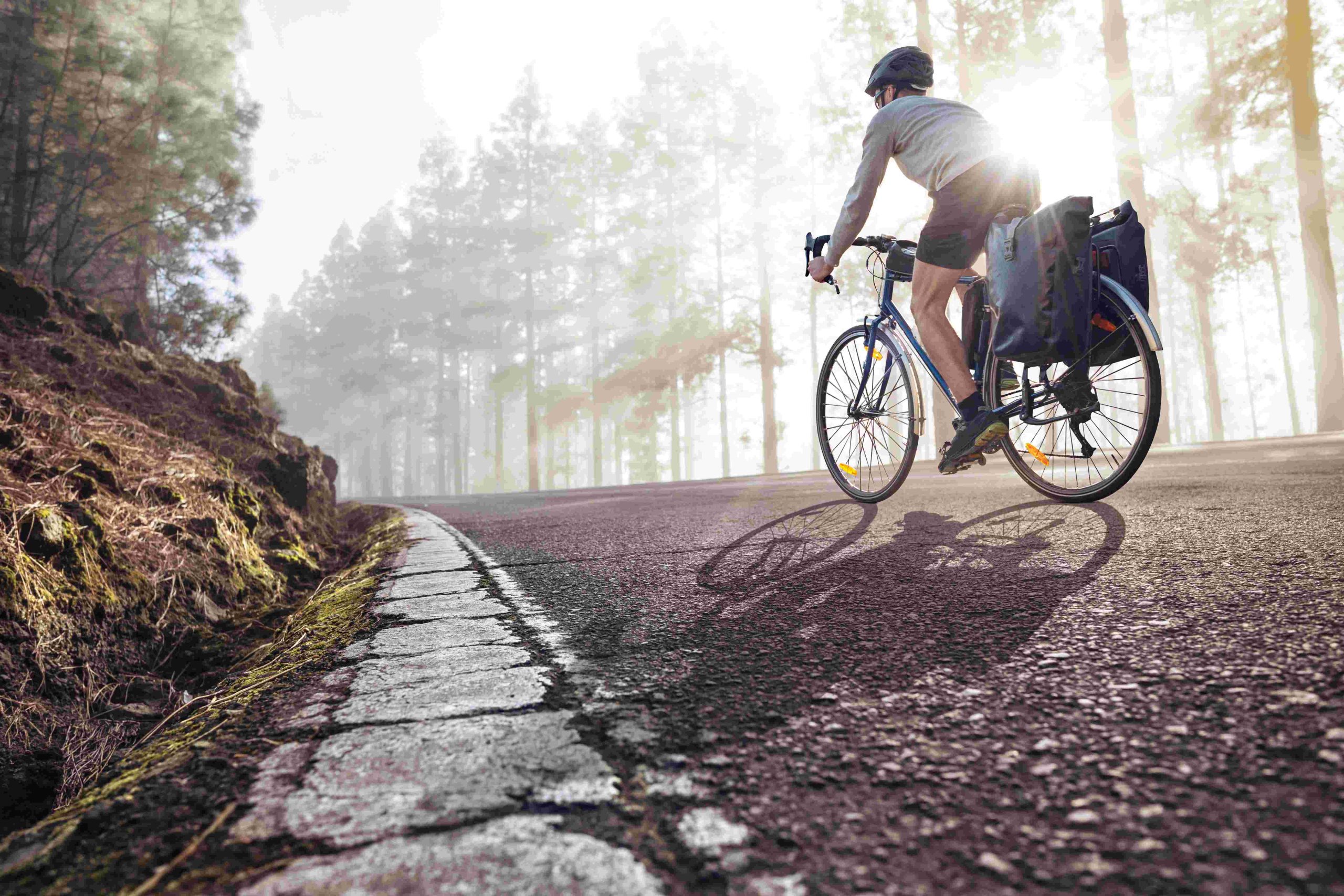
Gravel bikes are built to withstand rougher surfaces. Many models include mounting points for racks, panniers, and frame bags, making them ideal for touring and bikepacking.
This allows riders to carry essential equipment, clothing, and supplies for longer trips.
Exceptional versatility
One of the main advantages of gravel bikes is their versatility. Riders can use them for commuting, winter training, touring, and adventure cycling.
For many cyclists, gravel bikes offer the most practical all-round cycling solution.
Best places to gravel cycle in the UK
The UK offers exceptional gravel cycling opportunities, thanks to its extensive rights-of-way network, forestry tracks, and national parks. Many routes provide quiet, traffic-free riding through some of the country’s most scenic landscapes.
Scottish Highlands
The Scottish Highlands are widely considered the UK’s premier gravel cycling destination. The region offers vast wilderness, quiet estate roads, and extensive forestry trails, providing endless opportunities for exploration.
The Cairngorms National Park is particularly popular, offering well-maintained gravel tracks through forests, mountains, and remote valleys. Routes such as the Badger Divide provide multi-day adventures linking Inverness and Glasgow.
The Highlands are ideal for experienced riders seeking long-distance routes and bikepacking adventures. The remote environment provides a true sense of exploration rarely found elsewhere in the UK.
The Peak District, England
The Peak District is one of England’s most accessible and diverse gravel cycling destinations. Located near major cities including Manchester and Sheffield, it offers excellent riding within easy reach of urban areas.
Cyclists can enjoy traffic-free trails such as the Monsal Trail and Tissington Trail, alongside more challenging bridleways and climbs across open moorland.
The varied terrain makes the Peak District suitable for both beginners and experienced riders. Riders can choose gentle routes through valleys or more demanding climbs with panoramic views.
Its accessibility and route variety make it one of the UK’s most popular gravel cycling locations.
Wales: Snowdonia and Mid Wales
Wales offers some of the UK’s most scenic and peaceful gravel cycling routes. Snowdonia National Park provides dramatic mountain scenery, remote valleys, and extensive forestry tracks.
Mid Wales is particularly well suited to gravel cycling, offering quiet roads and remote trails with minimal traffic.
The region’s varied terrain provides opportunities for both day rides and multi-day bikepacking adventures. Riders can explore forests, mountains, and coastline while enjoying some of the UK’s most beautiful landscapes.
The South Downs, England
The South Downs National Park offers excellent gravel cycling, particularly for riders in southern England.
The South Downs Way is a popular long-distance route stretching approximately 100 miles from Winchester to Eastbourne. It provides challenging climbs, scenic countryside, and well-maintained trails.
Its accessibility from London makes it a convenient option for weekend rides and short trips.
Best Places to Gravel Cycle in Europe
Europe offers world-class gravel cycling destinations, combining reliable weather, diverse terrain, and well-developed cycling infrastructure.
Many regions actively promote cycling tourism, providing excellent route networks, accommodation, and support services.
Girona, Spain
Girona has become one of Europe’s most famous cycling destinations. Located in Catalonia, it offers extensive gravel routes through forests, hills, and countryside.
The region’s warm climate allows for year-round riding, making it particularly popular during winter months when conditions in northern Europe are less favourable.
Girona’s cycling culture, infrastructure, and route variety make it suitable for riders of all abilities.
Tuscany, Italy
Tuscany’s famous gravel roads, known as Strade Bianche, offer some of the most iconic gravel cycling routes in the world.
These white gravel roads wind through vineyards, hills, and historic villages, providing a unique cycling experience that combines sport, culture, and scenery.
The region’s quiet roads and scenic landscapes make it ideal for long rides and cycling holidays.
The Alps: France, Switzerland, and Austria
The Alps offer some of Europe’s most challenging and rewarding gravel cycling.
Riders can explore mountain passes, remote valleys, and forestry trails, experiencing breathtaking alpine scenery.
These routes require good fitness and preparation, but offer unforgettable experiences for experienced gravel cyclists.
Many alpine regions provide excellent infrastructure, including cycling-friendly accommodation and clearly marked routes.
Slovenia
Slovenia has emerged as a hidden gem for gravel cycling. Its forests, mountains, and quiet rural roads provide extensive opportunities for exploration.
The country’s compact size makes it easy to explore multiple regions within a single trip.
Slovenia offers excellent value compared to more established cycling destinations.
Gravel cycling tours: a growing trend
Gravel cycling tours have increased significantly in popularity as more riders seek structured adventure experiences.
Tours allow cyclists to explore new destinations without worrying about navigation, logistics, or accommodation.
Tour providers typically offer:
- Carefully planned routes designed by experienced cyclists
- Accommodation and luggage transfers
- Mechanical support and assistance
- Local knowledge and guidance
This allows riders to focus entirely on enjoying the experience.
Gravel cycling tours are particularly valuable when travelling abroad, where local expertise can improve safety and route quality.
Planning your gravel cycling trip
Preparation is essential to ensure a safe and enjoyable gravel cycling experience.
Key considerations include route planning, equipment, weather conditions, and physical preparation.
Researching terrain and distances helps ensure routes match your fitness level. Carrying essential equipment, including tools, nutrition, and appropriate clothing, improves safety and comfort.
When cycling abroad, additional planning may be required, including transport, accommodation, and insurance.
Final thoughts: why gravel cycling is worth exploring
Gravel cycling offers a unique combination of adventure, accessibility, and exploration. It allows riders to escape traffic, discover new landscapes, and experience cycling in a more immersive and rewarding way.
The UK offers exceptional gravel riding, from the Scottish Highlands to the South Downs, while Europe provides world-class destinations including Girona, Tuscany, and the Alps.
Whether exploring local trails or planning an overseas cycling holiday, gravel cycling provides opportunities for riders of all experience levels.
With the right preparation, equipment, and cycling travel insurance, gravel cycling can provide safe, memorable, and rewarding experiences across some of the most beautiful landscapes in the UK and Europe.
Why cycling travel insurance is important for gravel cycling
Gravel cycling often takes place in remote areas, sometimes far from immediate assistance. This makes appropriate cycling travel insurance an important consideration.
Cycling travel insurance can help cover unexpected incidents such as injuries, medical treatment abroad, or equipment damage.
Bikes and equipment can represent a significant financial investment. SportsCover Direct’s specialist policy can provide protection for your sports equipment during your trip.
Travel insurance can also provide support if trips are cancelled due to illness, injury, or unforeseen circumstances.
Standard travel insurance policies may not fully cover cycling activities, particularly off-road riding or high-value bikes. Specialist cycling travel insurance helps ensure yourself and other cyclists are properly protected.
Sources
Sport England’s Active Lives Survey
This blog has been created as general information and should not be taken as advice. Make sure you have the correct level of insurance for your requirements and always review policy documentation.