
If you fancy swapping your office chair for alpine air, and your morning coffee for a sunrise over snow-capped peaks, then trekking the Tour du Mont Blanc (TMB) might just be your next great adventure.
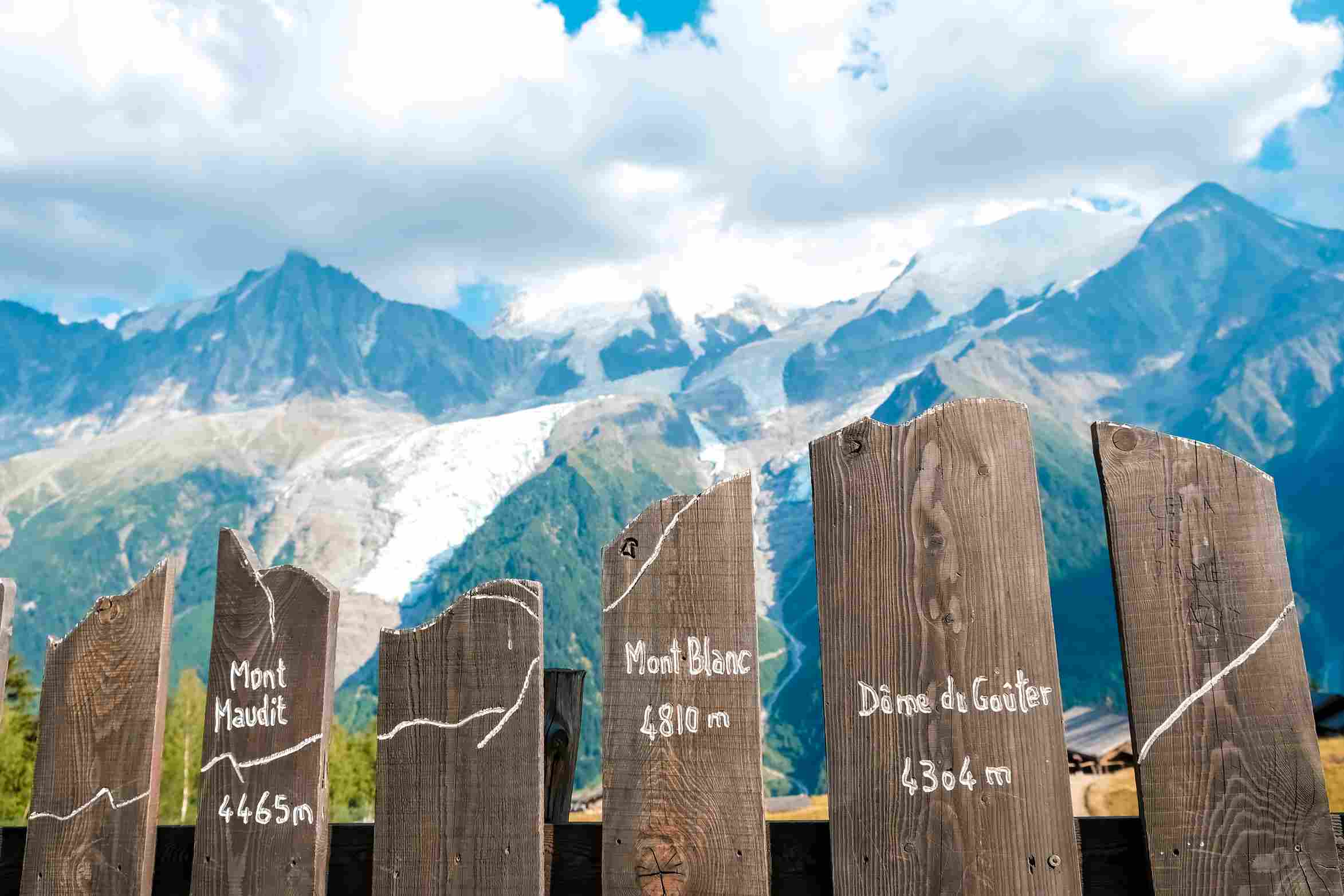
This legendary long-distance trek circles Western Europe’s highest mountain- Mont Blanc – taking you through the heart of the Alps via France, Italy, and Switzerland. It’s scenic, challenging, full of character (and cheese), and firmly earns its place on many a hiker’s bucket list.
Each year, over 10,000 people take on the full circuit, with thousands more hiking shorter sections, proof that the TMB’s mix of dramatic landscapes, charming mountain towns, and three-country culture has undeniable appeal. Its accessibility from the UK makes it even more appealing: just a short flight to Geneva and you’re within easy reach of multiple trailheads. Whether you’ve got two weeks to spare or just a long weekend, there’s a version of the TMB to suit your schedule.
If you’re thinking of making it happen, we’ve pulled together everything you’ll need to plan the trip – from choosing the right route and knowing when to go, to what it costs, where to stay, and how to stay safe on the trail.
What is the Tour du Mont Blanc?
The Tour du Mont Blanc is a roughly 170km (105-mile) circular trekking route that circumnavigates the Mont Blanc massif. Along the way, you’ll pass through three countries, each with its own charm, culture, and culinary delights. Think panoramic alpine views, charming mountain villages, and hearty meals to reward a day’s hike.
How long does it take to trek the TMB?
Most people take around 10 to 12 days to complete the full circuit, walking between 10–20km per day. That said, it can be shortened or stretched depending on your pace, fitness level, and time constraints. There are plenty of access points, so you don’t need to do the full loop if you’re short on time.
Where to start your TMB adventure
One of the most common and popular starting points for the Tour du Mont Blanc is Les Houches, a small village just outside of Chamonix in France. It’s considered the traditional starting point and is particularly convenient for international travellers, especially those flying from the UK, as it’s easily accessible via shuttle or train from Geneva Airport. Chamonix itself is a lively alpine town with great accommodation, gear shops, and mountain views that make it a fun place to spend a night or two before setting off.
That said, the TMB is a loop, so you can technically start anywhere along the route. Some trekkers begin in Courmayeur, Italy, which offers beautiful access to the southern side of the circuit and a distinctly Italian flair—think espresso and pasta before you hit the trail.
Others opt for Champex-Lac in Switzerland, a quieter and more tranquil starting point ideal for those seeking a more low-key beginning. Where you start might depend on where you’re flying into, what part of the trail you want to tackle first, or even how much time you have. Whether you’re arriving via Geneva, Milan, or even Zurich, there are great transport connections to all these towns, giving you flexibility in planning your perfect alpine adventure.
Choosing your route: From leisurely to challenging
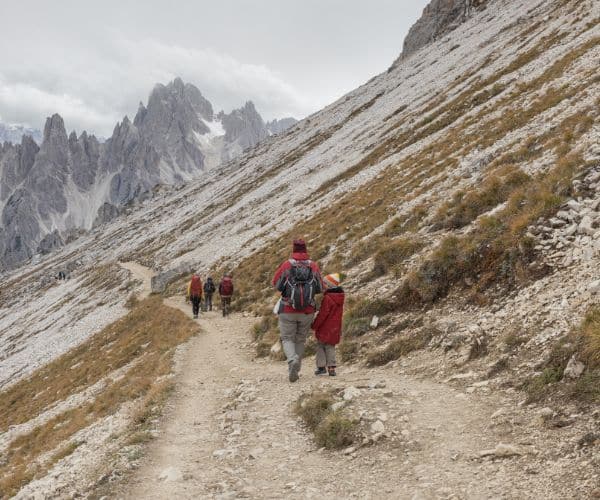
The Tour du Mont Blanc isn’t a single, fixed path—it’s more like a flexible framework. While there’s a well-trodden “classic” route that most trekkers follow, you can adapt your journey to suit your fitness level, time constraints, or appetite for adventure.
The full trail loops around the Mont Blanc massif through France, Italy, and Switzerland, typically broken into 11 stages. The trails are well-marked throughout, and each section offers its own unique blend of scenery—from glacier views to alpine meadows to charming mountain villages.
The Classic Route
Ideal for first-time TMB hikers. It’s well-established, with good signage and plenty of places to stay along the way, ranging from mountain refuges to small hotels.
Starting in Les Houches (just outside Chamonix), the trail heads south toward Les Contamines, climbs into the Italian side near Courmayeur, crosses into Switzerland via the Grand Col Ferret, and then loops back around through Champex and Trient, eventually returning to France.
Most people hike the full circuit in 10 to 12 days, covering around 170 km (105 miles). Expect a mix of steep climbs, rewarding views, and a chance to experience three distinct cultures in one journey.
For the easier experience
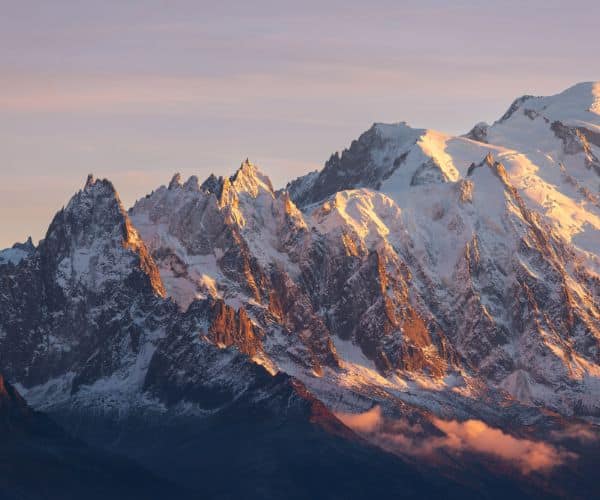
There are plenty of ways to soften the challenge without missing out. You can take alternative low valley routes that avoid the steepest ascents or make use of cable cars and public buses to skip tough climbs or long descents. This can be a great option if you’re new to long-distance hiking or just want to enjoy the scenery without pushing your limits every day.
Challenging routes
On the flip side, harder variants exist for the more experienced or adventurous. Popular detours include the Fenêtre d’Arpette, a high mountain pass in Switzerland known for its dramatic views and rugged terrain, or the Col des Fours in France, which gives a wilder, more remote feel. These routes are more demanding in terms of fitness and navigation, but the payoff is solitude and jaw-dropping vistas.
Shorter options for those short on time
If you’re short on time, you can still get a satisfying taste of the TMB by doing a section of it.
For a 3-day option
This stretch from Les Houches to Courmayeur is a fantastic choice. You’ll cross the Col de la Croix du Bonhomme and the Col de la Seigne—two iconic passes—with plenty of classic refuges to stay in along the way.
5 days
Try Champex to Les Contamines via Courmayeur. This route includes alpine trails, lakeside views, and varied cultural stops, making it a rich, compact adventure. Both options are easily accessible by public transport, perfect for long weekends or shorter getaways.
Whether you follow the classic loop or carve out your own version, the beauty of the TMB lies in its flexibility so you can hike to your own plan.
When’s the best time to go?
Timing your TMB trek can make a big difference to your experience, from the weather and trail conditions to how many fellow hikers you’ll meet along the way. But what’s the best month for hiking?
- June: Quieter trails, but snow might still linger on higher passes.
- July & August: Peak season. Warm weather, everything’s open, but expect more hikers.
- September: Fewer crowds and beautiful autumn colours. Slightly cooler and some huts may start to close.
Avoid October to May unless you’re snowshoeing or ski touring – the trail is usually snowbound.
Can you hike the TMB solo?
Yes, you absolutely can—and many people do. In fact, hiking the Tour du Mont Blanc solo has become increasingly popular, especially among those looking for a mix of challenge, reflection, and independence. The trail is well-marked throughout, with excellent infrastructure, regular accommodation options, and plenty of other hikers along the way, so you’re rarely ever truly alone.
That said, solo trekking does require a bit of preparation. It’s important to have a basic grasp of navigation—whether that’s using a physical map, a GPS app, or a reliable guidebook – and for safety let someone know your rough itinerary.
Going solo gives you the freedom to move at your own pace and savour peaceful moments in the mountains, but if you’d rather not go it completely alone, you can always join a guided group or connect with fellow trekkers on hiking forums or local walking clubs before your trip.
Where to stay: Huts, Hotels, and Campsites
Depending on you comfort preferences – you’ve got options:
- Mountain Refuges: Shared dorms, hearty dinners, and mountain vibes.
- Hotels/B&Bs: More comfort, private rooms, great for rest days.
- Camping: Allowed in some areas, but check local regulations (France = more relaxed, Switzerland = strict).
It’s a good tip to book early, especially for refuges in July and August.
What to pack for the Tour du Mont Blanc
Depending on your accommodation you’re aiming for, may vary what you pack. We’ve based this staying in refuges and huts.
- Waterproof jacket & trousers
- Layers (it can be 30°C or snowing!)
- Sturdy boots & blister plasters
- Lightweight sleeping bag liner (for huts)
- Water bottle & snacks
- Power bank, map/GPS, head torch
Don’t overpack! Your knees will thank you by day three.
Safety on the Trail
While the Tour du Mont Blanc is considered one of Europe’s most accessible long-distance hikes, it still takes you deep into the mountains, so safety should always be part of your planning. Mountain weather can be unpredictable, and long days of hiking at altitude can take their toll, even on experienced walkers. Here are a few useful safety tips to keep in mind:
- Check the weather daily – conditions can change fast in the mountains
- Carry a basic first aid kit – blisters and bumps are common on long hikes
- Know your limits – altitude and steep climbs can be more demanding than expected
- Skip tricky sections if needed – buses or cable cars can help you avoid the toughest parts
- Take rest days – especially if you’re feeling tired, unwell, or adjusting to the altitude
- Ensure your insurance covers hiking above 2,000m – not all policies include this by default
Mobile phone reception is available in many parts of the trail, but not everywhere. For peace of mind, download offline maps on GPS apps like AllTrails or Gaia GPS, or bring a standalone GPS device to help with navigation if visibility drops.
With a little preparation and the right mindset, the TMB is a safe and unforgettable experience—but as with any mountain adventure, it’s wise to respect the terrain and hike smart.
How much will it cost?
Wondering what kind of budget you’ll need for the Tour du Mont Blanc? While it’s not the cheapest trek out there, it also doesn’t have to cost a fortune. Your overall spend will depend on your travel style, whether you go basic or opt for a few creature comforts, but here’s a general idea:
- Accommodation: £35-£80 per night in refuges/hotels
- Food: £20-£40 per day
- Transport: £60-£90 return from Geneva to the trail
- Extras: Maps, gear, insurance
It’s not a budget backpacking trip, but it doesn’t have to break the bank either.
Cultural highlights
Each country brings its own flavour:
- France: Tartiflette, fresh baguettes, and dramatic mountain views
- Italy: Espresso breaks, pasta dinners, and the stunning Val Veny
- Switzerland: Chocolate, chalets, and postcard-perfect landscapes
Expect friendly locals, cowbells, and a few chances to practice your rusty French or Italian.
Why UK hikers love the TMB
It’s close to home, easy to plan, and full of reward. Whether you’re out for a full circuit or dipping your toes with a shorter trek, the Tour du Mont Blanc offers epic scenery, a sense of achievement, and stories you’ll be telling for years.
The Alps are calling – go chase some mountains!
Get Hiking & Trekking Insurance for the Tour du Mont Blanc
Trekking through the Alps is an unforgettable adventure, but it’s not without its risks, twisted ankles, sudden storms, lost luggage, or unexpected travel delays can happen to even the most prepared hikers. That’s where a good insurance policy comes in.
SportsCover Direct has been supporting adventurous travellers for decades, offering specialist hiking and trekking insurance designed to protect you when things don’t go to plan. Their policies cover everything from emergency medical treatment and helicopter evacuation to repatriation, stolen belongings, and trip disruption.
With cover starting from just a few pounds a month, it’s a small investment for peace of mind on a big adventure. If you’re heading out onto the TMB, it’s well worth taking a moment to make sure you’re properly covered. Explore our hiking and trekking insurance policies in more detail today.
This blog has been created as general information and should not be taken as advice. Make sure you have the correct level of insurance for your requirements and always review policy documentation.