


Snowboarding disciplines are typically divided into 3 categories – alpine, freeride and freestyle. Most holidaymakers will stick to alpine, perhaps dabbling in snow park activities and some off-piste freeriding. Then there’s competitions.
As riders progress beyond the beginner stage, snowboarding becomes less about simply getting down the slope and more about how they ride. Whether it’s carving groomed pistes, floating through off-piste powder, racing set courses, or developing freestyle skills in terrain parks, the sport offers many different paths. Since its early beginnings, snowboarding has evolved significantly, branching into distinct disciplines shaped by terrain, creativity, speed, and adventure.
This guide breaks down the main snowboarding disciplines, explaining what each involves — and perhaps inspiring you to take your snowboarding to the next level.
Snowboarding (the main one)
The most popular of the disciplines, snowboarding is the most common and widely enjoyed way to ride. It takes place within resort boundaries, using lifts to access marked and groomed runs.
For many riders, this is where snowboarding begins, and for plenty, it’s the style of riding they return to again and again. It offers an easy, rewarding way to experience the mountains, whether you’re learning the basics or simply enjoying time on the snow.
Terrain & conditions
Snowboarding happens on groomed pistes that are clearly marked and graded by difficulty, making it straightforward to choose runs that match your ability. Snow conditions are managed by the resort, with regular grooming helping to keep surfaces consistent. Clear signage and patrolled areas create a controlled environment where riders can focus on progression, confidence, and enjoying each run.
Who’s it for
Beginners benefit from structured terrain that supports learning and steady improvement, while recreational riders enjoy cruising the mountain and exploring different areas of the resort. More experienced snowboarders are drawn to the opportunity to carve clean turns, ride faster terrain, and enjoy long, flowing descents. You may even be a skier venturing to the dark side.
Why riders love it
Striking a balance between freedom and simplicity, this side of the sport is social, accessible, and endlessly fun. You can lap your favourite runs, explore the resort, and ride all day with minimal preparation, pure mountain enjoyment.
Freeriding or Off-piste snowboarding
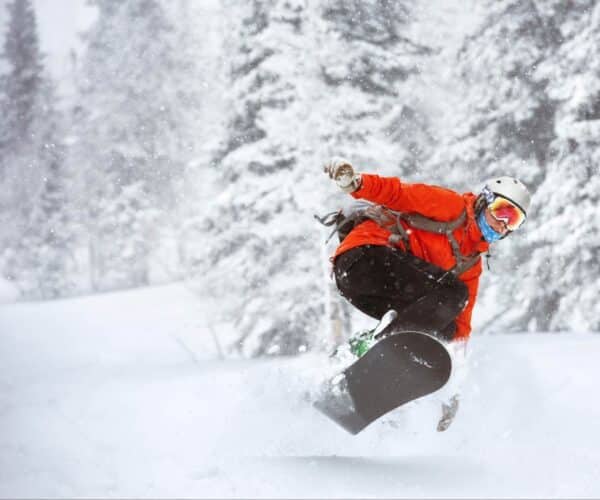
Off-piste snowboarding takes place, as you’d expect, away from groomed and marked runs, in natural, ungroomed terrain. This can include ungroomed areas accessed directly from resort lifts, as well as more remote backcountry zones that require hiking or touring to reach. It’s a step beyond resort riding and introduces a very different mountain experience.
Terrain & challenges
Freeride terrain is shaped entirely by nature rather than grooming machines. Riders can expect deep powder, tree runs, open bowls, and steeper features such as couloirs. There are no piste markers or prepared surfaces, and snow conditions can change quickly depending on weather, wind, and temperature. This makes every descent unique, but also more demanding than riding on-piste.
Skills & preparation
Freeriding requires confidence in variable snow and the ability to adapt to changing terrain. A solid foundation in general snowboarding is essential, along with a good understanding of mountain environments. Many riders invest time in avalanche awareness and safety training, and off-piste snowboarding typically involves carrying specialist safety equipment designed for use in uncontrolled terrain.
The appeal
For many snowboarders, off-piste riding represents a new level of freedom. There’s nothing quite like dropping into untouched snow, choosing your own line, and flowing with the natural shape of the mountain. It’s quieter, more immersive, and deeply rewarding, a chance to experience snowboarding in its rawest and most memorable form.
Split boarding
Split boarding allows snowboarders to travel uphill under their own power by using a board that separates into two skis. Once the climb is complete, the board is reassembled for the descent, opening access to terrain far beyond lift-served areas.
Typical terrain
Split boarding is most commonly used in backcountry and off-piste environments, often far from groomed runs and resort infrastructure. These areas are typically unpatrolled and remote.
Skills & preparation
Successful split boarding requires careful route planning, strong navigation skills, and a good level of fitness. Riders usually undertake avalanche training and carry appropriate safety equipment, as self-sufficiency is essential in remote terrain.
Why riders choose it
Split boarding offers access to untouched lines, quiet landscapes, and a deeper connection with the mountains. For many, it represents the most immersive and rewarding way to experience snowboarding.
Snowboarding in snow parks
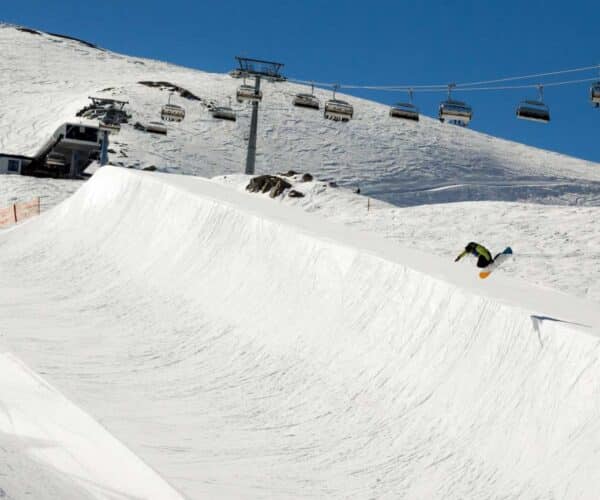
Terrain parks are dedicated areas within ski resorts designed specifically for freestyle snowboarding. They feature a variety of man-made obstacles and jumps, allowing riders to practise tricks, build confidence, and develop personal style in a controlled setting.
Common features
Parks include a mix of rails, boxes, kickers, and creative features that cater to different ability levels. Layouts are often updated throughout the season, keeping things fresh and encouraging progression.
Progression & style
Most terrain parks are graded by difficulty, making it easier for riders to move up gradually as their skills improve. This structured approach helps riders learn new tricks safely while developing confidence, flow, and individual expression.
Why parks are popular
Terrain parks are social, expressive, and constantly evolving. They bring riders together, encourage creativity, and play a huge role in shaping snowboarding’s culture and identity.
Big Air & jumping
Snowboard jumping focuses on launching off kickers or natural features, with an emphasis on airtime, control, and clean landings. It can be part of park riding or found naturally across the mountain, wherever the terrain allows.
Where it happens
Jumping commonly takes place in terrain parks, but many riders also seek out natural hits on pistes or in off-piste terrain. These features often form organically and offer a different kind of challenge compared to shaped jumps.
Skill requirements
Successful jumping relies on strong speed control, solid take-off technique, and confident landings. Awareness of surroundings and conditions is essential, especially when riding outside of park environments.
For many riders, jumping is a natural step towards more advanced freestyle snowboarding.
Slopestyle
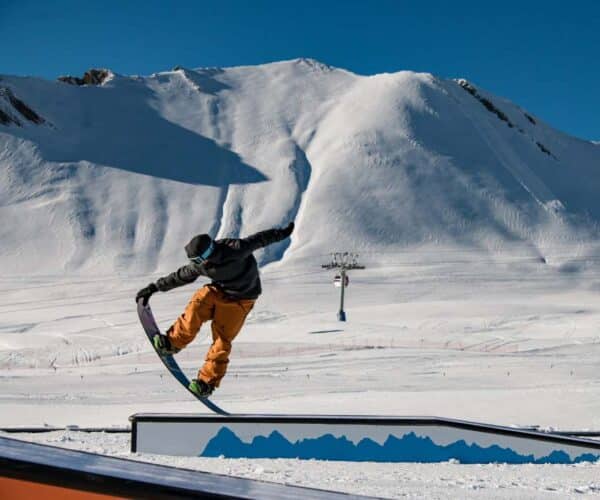
Snowboarding slopestyle competitions are organised events where riders follow a course including various obstacles. Depending on the discipline, competitions may focus on speed, technical ability, creativity, or overall style. They take place across a wide range of environments, from purpose-built courses with half pipes, rails in snow parks to natural freeride venues.
Competition environments
Competitive snowboarding happens in carefully planned settings that suit the discipline being contested. Some events are held on custom-built courses or in terrain parks, while others take place on natural mountain faces where riders are judged on their line choice, control, and fluidity. These environments are designed to showcase performance while maintaining structure and consistency across competitors.
Who competes
Competitions attract a broad mix of riders. Many start at club level or enter amateur events, while others progress through national circuits and onto international stages. Competitive riders often train regularly, work with coaches, and follow structured development programmes as they build skills and experience over time.
Why competitions matter
Slopestyle competitions play a big role in the sport’s evolution. It drives progression, inspires creativity, and pushes athletic performance forward across all disciplines. Even for those who never plan to compete, it influences how snowboarding is ridden, watched, and enjoyed worldwide.
Snowboard slalom & race training
Snowboard racing is all about speed, precision, and technique. Riders race against the clock through a series of gates, aiming to complete the course as quickly and cleanly as possible. It’s one of the most physically demanding and technically focused snowboarding disciplines, rewarding consistency, power, and control.
Common formats
Racing formats vary, but all centre around timed runs and clearly defined courses. Some events focus on longer, flowing turns, while others demand quick reactions and rapid direction changes. Parallel formats add an extra competitive edge by placing riders side by side on mirrored courses.
Training & commitment
Race training is highly structured and repetition-heavy, with riders spending long sessions working on gate technique, edge control, and line choice. Many racers train as part of clubs or development programmes, building strength and discipline alongside their on-snow skills.
Who it suits
Snowboard racing appeals to riders who enjoy measurable performance and technical progression. If you like chasing faster times, refining small details, and seeing clear results from focused training, racing offers a highly rewarding challenge.
Boardercross (or snowboard cross)
Boardercross is one of the most fast-paced and physically demanding snowboarding disciplines. Multiple riders race head-to-head down the same course, navigating jumps, rollers, berms, and technical sections while competing for position from start to finish.
What makes it unique
Unlike timed racing, boardercross places riders directly against each other. High speeds, tight racing lines, and tactical decision-making all come into play, with courses designed to keep riders constantly reacting to changing terrain and competitors around them.
Rider profile
Boardercross attracts confident, aggressive riders who are comfortable riding at speed in close proximity to others. Success in this discipline comes from combining racing ability with freestyle balance, strength, and quick decision-making under pressure.
Finding your snowboarding style
Snowboarding is a sport with many personalities. It can be fast, creative, technical, adventurous, or expressive, and for most riders the fun is exploring different styles as their confidence grows and their interests evolve.
However you choose to ride, the goal stays the same. Enjoy being in the mountains, challenge yourself at your own pace, and keep the stoke alive season after season.
Get Snowboarding Insurance from SportsCover Direct
SportsCover Direct’s Winter Sports policies provide worldwide cover and include tailored policies for snowboarding travel insurance, skiing travel insurance and other popular snow sports.
Our policy provides comprehensive protection, including a 24-hour emergency medical helpline, emergency medical expenses, repatriation, search and rescue services, cancellation cover, personal liability, and cover for lost, damaged or stolen equipment.
If you already have travel insurance, our bolt-on product protects you for winter sports. Meanwhile, our Sports Accident Insurance is designed to give cover for personal liability and income protection.
Read more about snowboarding insurance options and get an instant quote tailored to you.
This blog has been created as general information and should not be taken as advice. Make sure you have the correct level of insurance for your requirements and always review policy documentation.