


Winter can be a busy time of year for certain transport hubs as travellers head to the Alps for skiing, snowboarding, and snowy escapes. Partnering this extra pressure can be another regular visitor, in the form of travel disruption. Snowfall, storms, fog and freezing temperatures can affect airports, roads, rail networks, and mountain access routes across Europe.
The good news? With the right knowledge and preparation, you can stay calm, stay informed and keep your holiday on track, even when the weather has other ideas. This guide provides an overview of what to expect, how weather affects travel, what your insurance may cover, and what to do if things don’t go to plan.
Typical winter weather that can impact travel
Winter travel always comes with a dash of unpredictability especially when you’re heading somewhere famous for snow. Before you start imagining yourself sipping mulled wine in a cosy chalet, it’s worth knowing how winter weather can interfere with your plans. From frosty UK mornings to Alpine blizzards, let’s take a little tour of the seasonal troublemakers.
Winter weather in the UK
The UK doesn’t often experience extreme winter weather, but even a small amount of snow or fog can cause significant disruption. UK airports aren’t built around frequent snowfall, so even modest wintry conditions can cause delays.
Typical issues include:
- Snow and ice causing runway closures or slower aircraft movements
- Freezing fog, one of the biggest causes of winter flight delays
- Strong winds leading to go-arounds or diversions
- De-icing queues, especially during the morning rush
- Road or rail disruption on your way to the airport
Knock-on effects from early delays often ripple into the afternoon, making morning flights a safer bet.
Winter weather across the Alps
The Alps may look serene and picturesque on a postcard, but winter weather here can be dramatic, fast-changing, and occasionally chaotic. On peak weekends, thousands of travellers pour in and out of resorts using a handful of mountain roads. Add a snowstorm or fog bank into the mix, and things can get interesting rather quickly.
Travel forecasts can usually pick up periods of disruptive weather but occasionally disruption can be unpredictable and come in unexpectedly.
Common causes of disruption include:
- Heavy snow and blizzards
- Strong winds
- Low cloud and valley fog
- Ice on runways or taxiways
Mountain airports often sit in narrow valleys with limited approach paths, making them more sensitive to wind and visibility compared to large flatland airports.
How winter weather affects air travel
Aeroplanes are engineered to handle cold weather extremely well but airports and air traffic systems are more vulnerable to winter conditions than the aircraft themselves.
Common causes of air travel disruption
Winter can disrupt air travel in several ways, including:
- De-icing delays: essential for safety but time-consuming
- Runway snow clearance slowing or reducing capacity
- Low visibility requiring greater spacing between aircraft
- High winds preventing safe landings
- Ice build-up restricting operations
- Staffing challenges when employees struggle to reach the airport
Remember: even if your airport looks fine, the aircraft you’re waiting for might be stuck somewhere else entirely, creating a domino effect across Europe.
How winter weather might affect your journey to the Alps
The good news is that aircraft are incredibly well-designed for cold conditions. The bad news? Airports, ground crews and air traffic systems are not always as hardy. It’s often the supporting cast, not the plane, that slows things down when the weather turns frosty.
Effects on UK departure airports
Winter can cause:
- Slower baggage handling
- Longer queues at security or check-in
- Delays due to de-icing
- Rail or coach cancellations
- Icy roads increasing travel time to the airport
Effects on alpine airports
Many Alpine airports are beautiful but notoriously weather-sensitive due to their geography.
Trouble spots include:
- Innsbruck – valley fog and crosswinds
- Salzburg – fog and snow
- Chambéry – low visibility and wind
- Sion and Bolzano – short runways and mountain approaches
- Grenoble – snow and fog on approach
When weather hits, flights are often diverted to larger, more reliable hubs such as Munich, Zurich, Lyon or Milan.
Effects on ground travel in the Alps
Once you land, the journey isn’t always over. Winter can create:
- Closed mountain roads due to heavy snow
- Chain requirements for vehicles
- Transfer companies adjusting times or routes
Peak “changeover days” (usually Saturdays) are especially vulnerable, one snowstorm can double journey times.
Does travel insurance cover winter weather disruption?
Travel insurance is like the thermal base layer of your holiday admin, it’s not glamorous, but it keeps everything running smoothly when things get chilly. The key is knowing what’s covered before you travel, rather than while you’re stranded at an airport café clutching a lukewarm coffee.
Missed departure cover
Many policies include cover if you miss your flight due to:
- Road closures
- Public transport being cancelled or delayed
- Vehicle breakdown caused by ice or snow
You usually need proof such as photos, statements, or reports.
Tips when choosing Winter Travel Insurance
Beyond planning for snowy slopes, make sure your winter sports insurance policy includes cover for getting there in the first place.
Look for:
- “Travel disruption” cover
- “Journey abandonment” provisions
- Missed connection benefits
- Higher limits for accommodation and transport
- Winter sports add-ons
- Coverage for lost, delayed or damaged ski equipment
You can also get cover for missed ski days due to resort closures.
What to do if your flight is diverted this Winter
Being diverted is never ideal, you wanted to land in Innsbruck, not Munich, but diversions are common in the Alps and usually happen for your safety. The trick is knowing what to expect so you can stay calm and carry on (preferably to the nearest coffee stand).
Know the high-risk airports
Airports most prone to weather diversion include:
- Innsbruck
- Salzburg
- Chambéry
- Sion
- Bolzano
Airlines often have backup airports planned in advance, so diversions rarely come as a surprise to them (even if they do to passengers).
What to do when faced with diversions
If you find yourself landing somewhere unintended:
- Stay calm – don’t sprint to a hire car desk just yet
- Wait for airline instructions
- Keep receipts for food, drink or travel
- Keep your phone charged and check the airline app for updates
Airlines often arrange onward coaches when diversions occur. Your transfer company may also be flexible if they’re used to Alpine winter travel (most are!).
Practical tips to reduce winter travel stress
You can’t negotiate with winter weather (trust us, people have tried), but you can outsmart it by being well-prepared.
- Fly as early as possible
- Add buffer time to connections
- Treat yourself to flexible booking options
- Pre-book transfers with good terms
- Have backup power or a portable charger
- Download airline, airport and weather apps
- Carry snacks, water, medication and entertainment
Additional thoughts for winter travellers
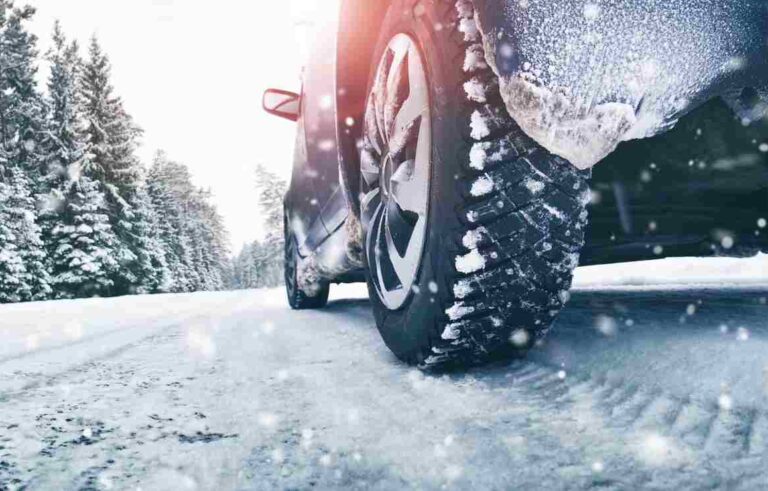
Driving to or through the Alps can be a great way to travel; flexible, scenic, and perfect for carrying all your gear. But winter roads in mountainous regions can be challenging, and preparation is key. These additional topics help round out your winter travel knowledge.
Driving to the Alps
A road trip to the Alps can be scenic, flexible and great for bringing all your gear. But it’s also the travel method most affected by winter weather. With a bit of preparation (and perhaps a podcast or two), it can be a brilliant way to kick off your ski holiday.
Winter proofing your car
Before you set off:
- Fit winter tyres this is legally required in several Alpine countries during winter, alternatively having the right snow chains ready for your vehicle.
- Check coolant and antifreeze levels and ensure your windscreen washer fluid is winter grade.
- Test your battery, which can struggle in cold temperatures.
- Ensure lights and wipers are in full working order visibility is everything in snowy conditions.
- Keep your fuel tank topped up; delays or diversions can be long in the mountains.
Road risks to be aware of
Mountain driving introduces a few unique challenges:
- Black ice, especially in shaded valleys.
- Narrow switchbacks and steep climbs that can be difficult during snowfall.
- Sudden weather changes: fog can appear within minutes.
- Snowplough convoys, which may slow traffic but are vital for safety.
What happens if your resort access road closes?
It’s rare, but it does happen. A heavy snowstorm can shut access roads completely, especially in areas like the Tarentaise region leading to Tignes and Val d’Isère. Heavy snow can shut access roads such as the Tarentaise region to d’Isere.
If this happens:
- Resorts may stagger opening times
- Transfer companies may delay departures
- Police may only allow vehicles with chains
- Hotels may help re-arrange arrivals
The good news? It usually only takes a few hours for ploughs to clear the routes again.
Final thoughts
Winter travel is not always straightforward. With snowstorms, fog, strong winds and icy conditions, it’s wise to plan ahead, understand your rights, choose good insurance and stay flexible.
Most trips go ahead without a hitch, but when weather does strike, being prepared can turn a stressful situation into a manageable one. After all, the reward at the end of the journey is worth it: fresh snow, crisp mountain air, and unforgettable days on the slopes.
Travelling to the Alps? You’ll need Winter Sports Travel Insurance
Winter Sports Insurance can provide all the usual travel cover you’d expect, while also offering specialist protection for winter sports, helping you avoid costly setbacks if things don’t go as planned.
SportCover Direct has a winter sports insurance policy that can be tailored to several different ski disciplines – select the activities you need when you get a quote.
Our policy can cover for travel delay, abandonment and missed departure, medical emergencies, cancellations, personal liability, lost or damaged equipment, search and rescue operations, and even off-piste skiing, provided you follow local advice.
Find out more about our specialist winter sports travel policies online.
This blog has been created as general information and should not be taken as advice. Make sure you have the correct level of insurance for your requirements and always review policy documentation.