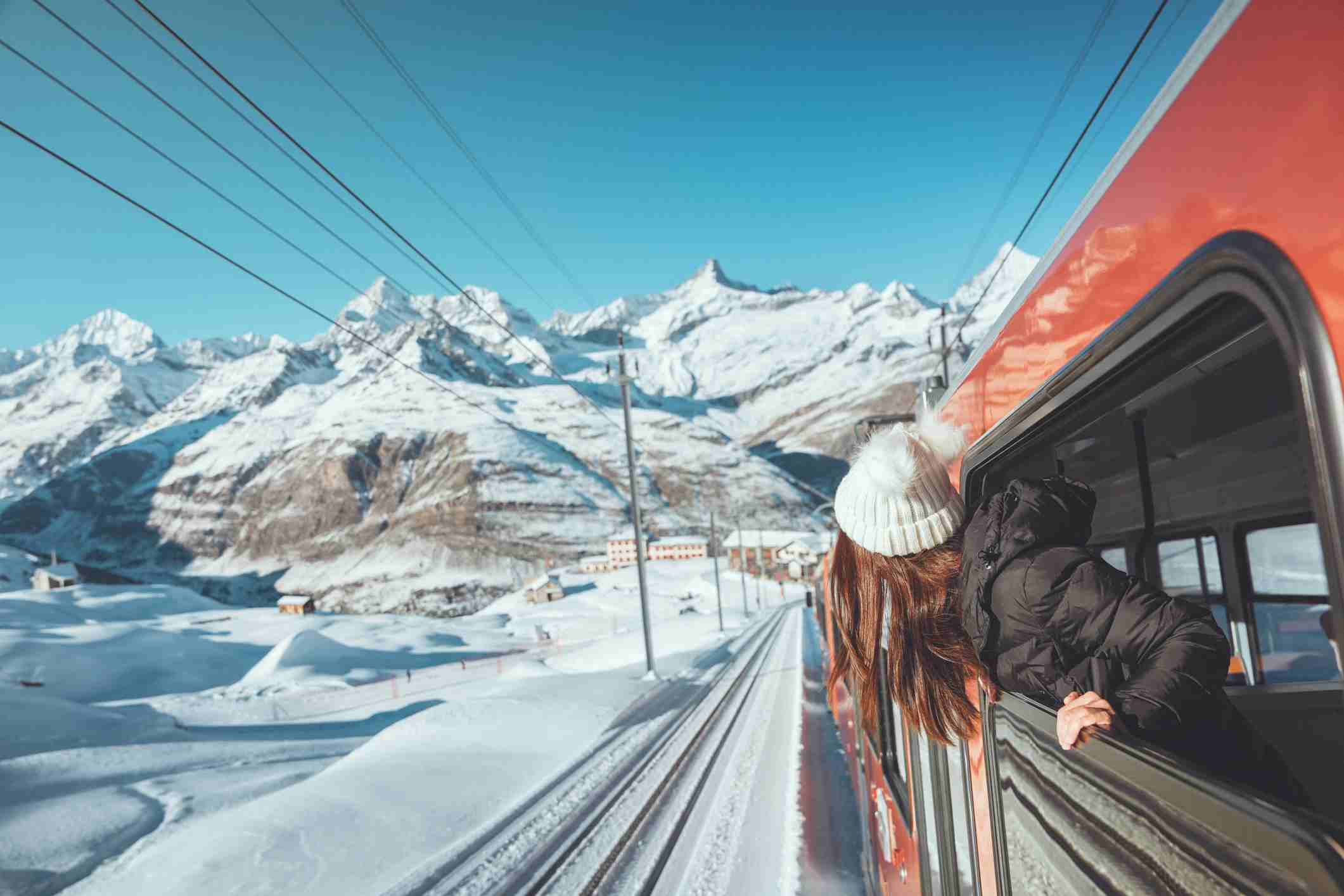

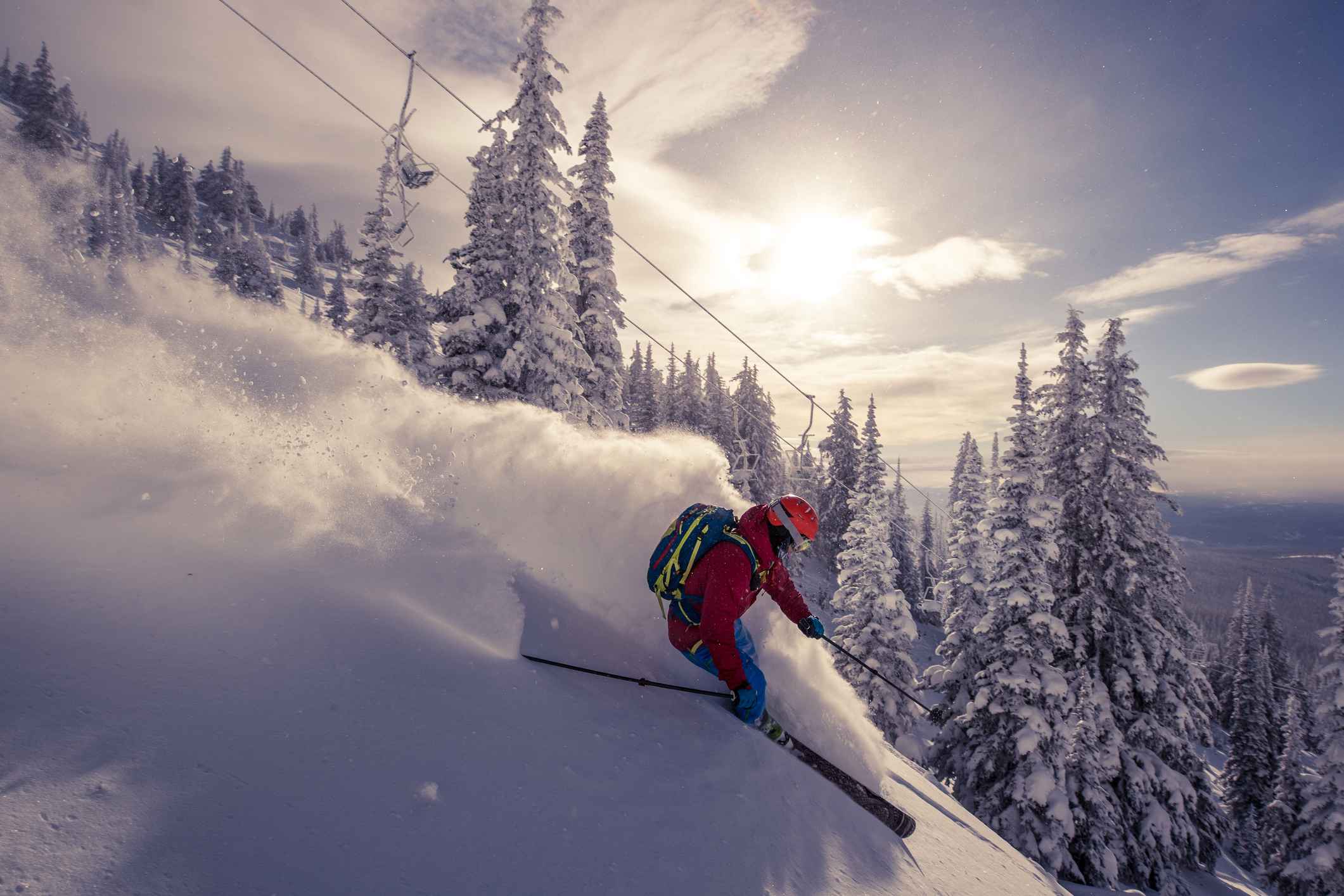
Whether you’re learning to ski on the dry slope near you or snowboard down the black run in the Alps this winter, winter sports can be fantastic fun and a great way to keep fit. However, it’s not a sport that’s to be taken lightly: equipment and travel expenses make it a costly endeavour, and the speeds involved – combined with the unforgiving nature of snow and ice – can make it hazardous, too.
That’s why it’s advisable for every participant, regardless of their experience or ability, to have dedicated skiing insurance or snowboarding insurance, or general winter sports insurance if you are doing some form of other winter activity on your trip abroad. In this guide, we’ll look at how it works, why it’s so indispensable, and what to look out for in a good policy.
What is winter sports travel insurance?
Winter sports travel insurance refers to specialist policies designed to protect against the wide range of circumstances that could affect participants during their activities. Whether you’re skiing down alpine slopes or enjoying a leisurely snowshoe trek, these policies ensure you won’t face financial loss due to accidents, injuries, or damage to your equipment. They also provide protection if you’re held liable for injuries or damages caused to others.
Crucially, they offer peace of mind that any unexpected bills—medical, transport-related, or otherwise—will be covered, allowing you to focus on enjoying your time on the slopes.
Why is travel insurance for winter sports important?
In short, winter sports can be dangerous. Whether speeding down a mountain on skis or gliding across a rink on ice skates, there is always a risk of injury. Accidents can happen due to falls, collisions, overexertion, or even exposure to extreme cold if your clothing or equipment is insufficient.
Even the most experienced winter sports enthusiast can find themselves caught off guard, whether through human error or bad luck. Beyond injuries, you could face disruptions such as damaged or lost equipment, or cancelled travel plans. A comprehensive insurance policy safeguards against these risks, offering financial protection and practical support so that you’re not left stranded—or out of pocket—should something go wrong.
What kind of winter sport activities are covered?
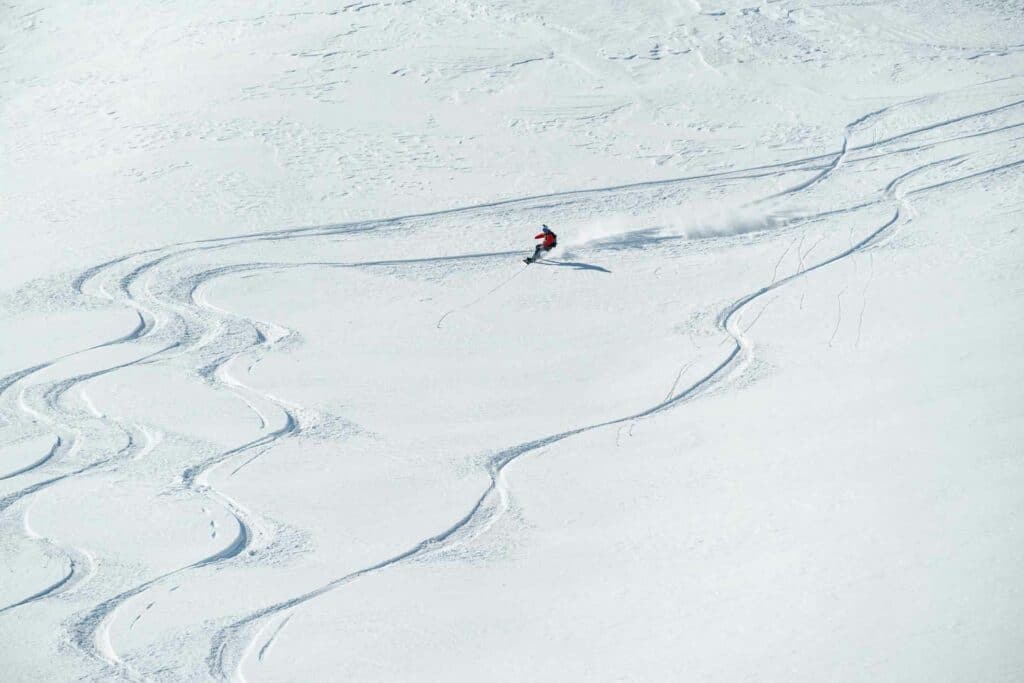
Most winter sports insurance policies provide cover for a wide range of activities, from the common to the adventurous. Whether you’re skiing at a bustling resort or participating in niche winter sports, there’s likely a policy to suit your needs. Activities often covered include:
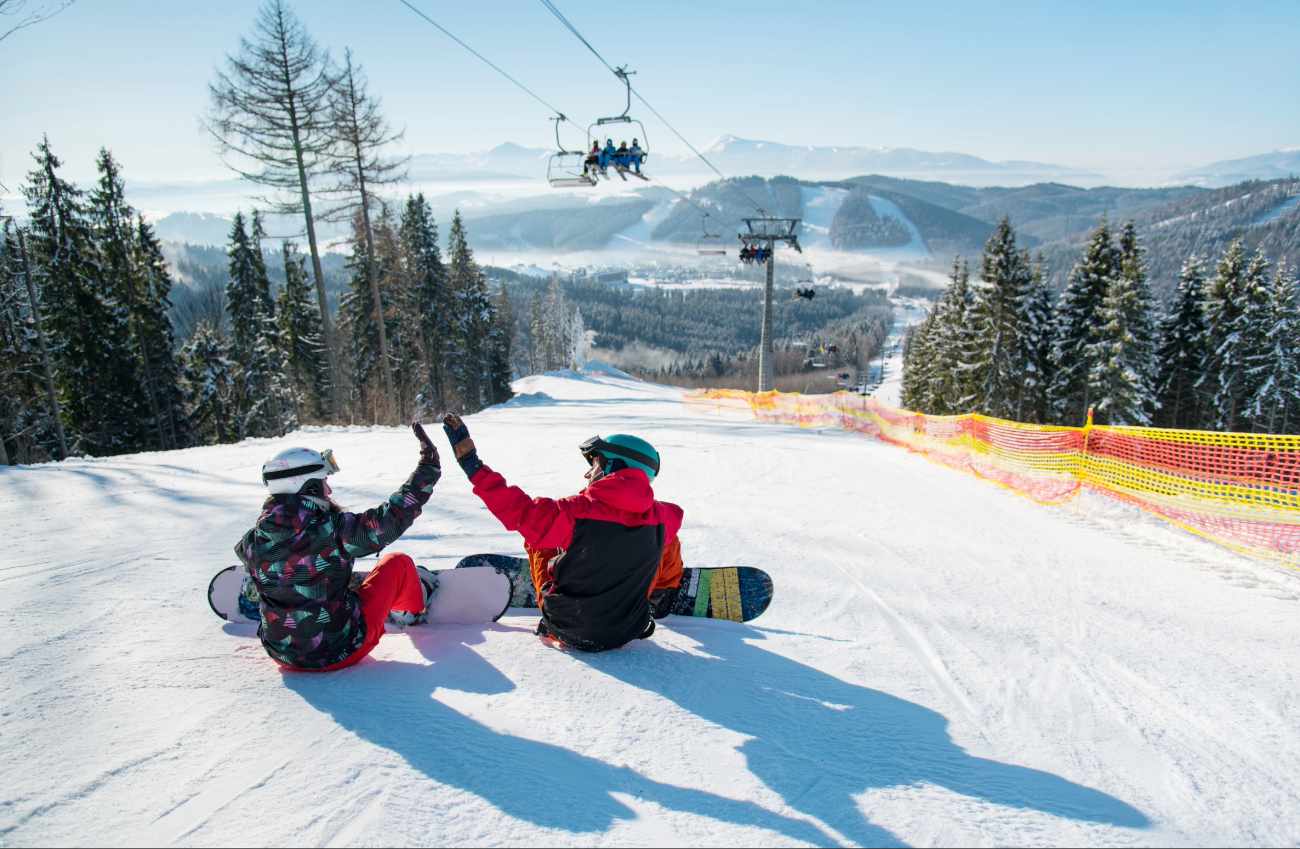
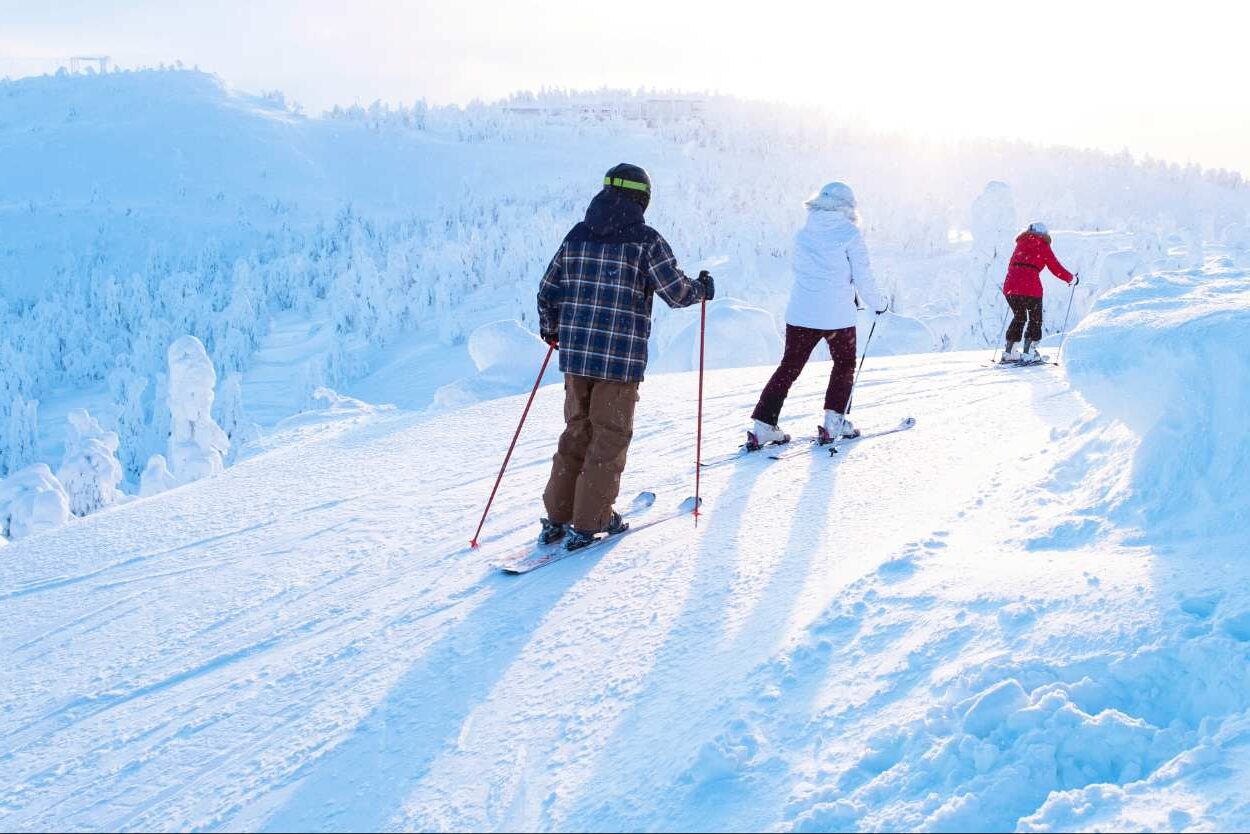
Downhill skiing and snowboarding: On natural or artificial snow, at resorts or indoor slopes.
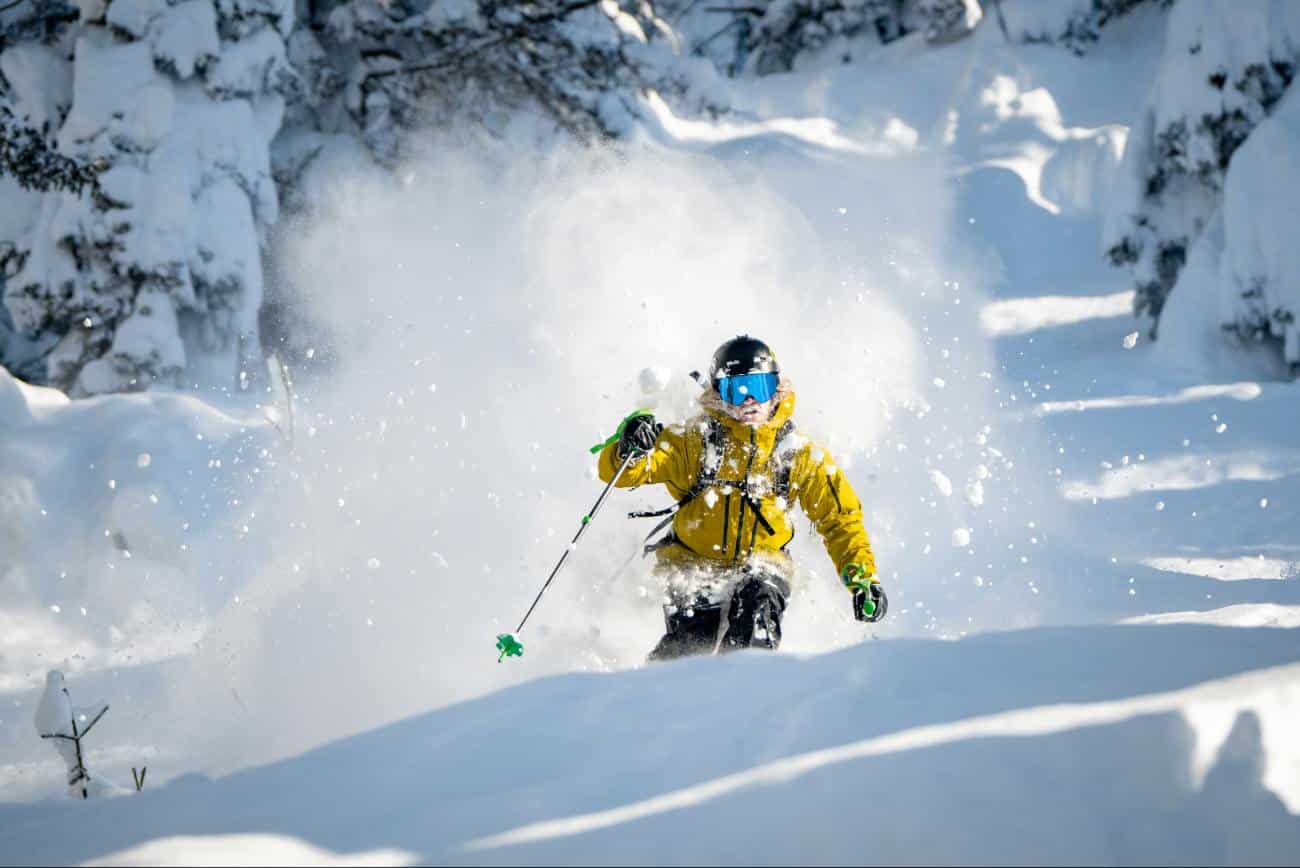
Off-piste skiing and snowboarding: Providing you’re adhering to safety guidelines and skiing in designated areas.
Cross-country skiing: A popular endurance sport in snowy terrains.
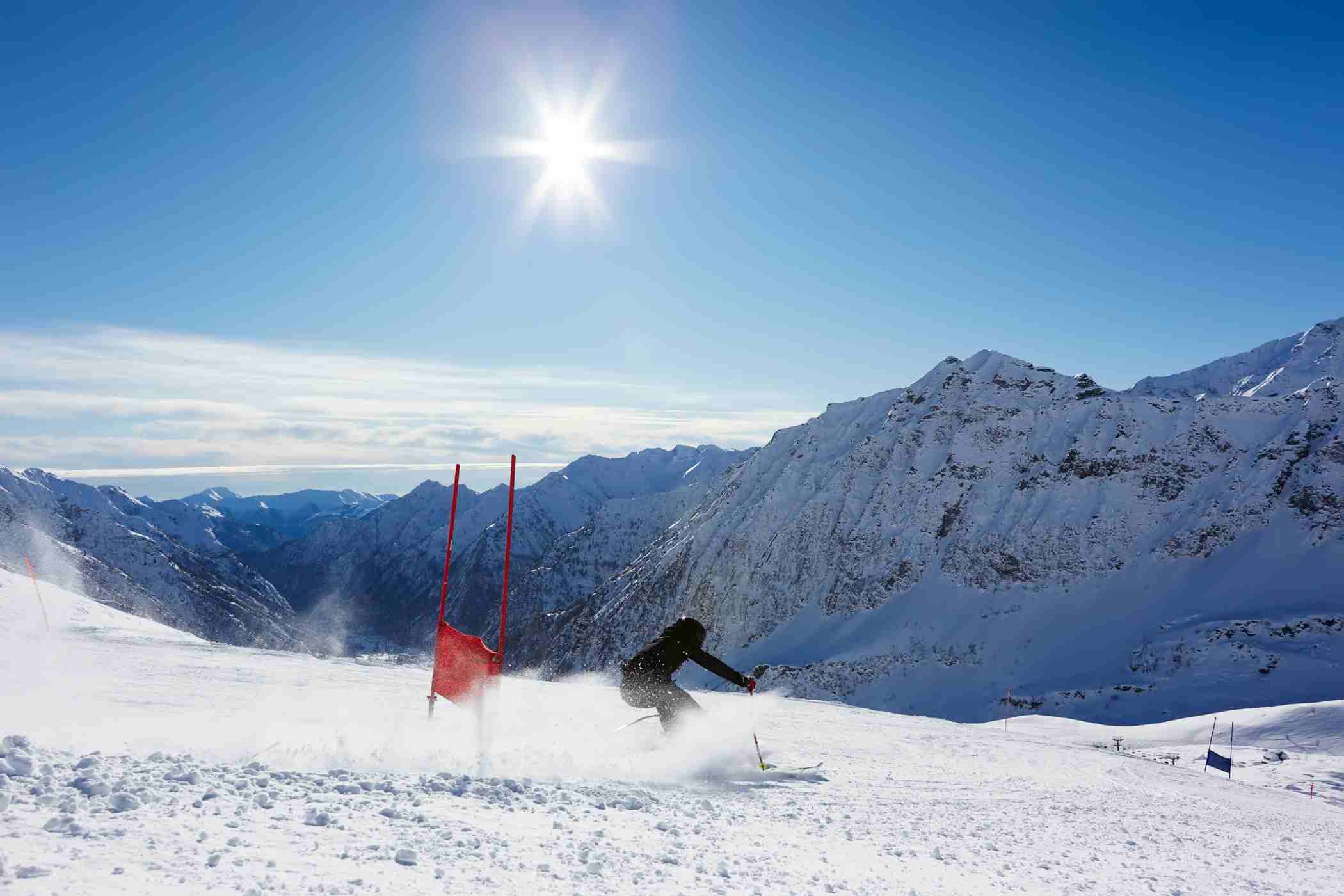
Ski touring and ski racing: High-energy activities often requiring specialised coverage.
Freestyle skiing or snowboarding: For those tackling terrain parks and half-pipes.
Snowmobiling: A thrilling, high-speed activity across snowy landscapes.
Dog sledding: For a more traditional, yet adventurous, snow experience.
Snowshoeing and tobogganing: Gentler pursuits, but still carrying their own risks.
It’s important to note that many insurers differentiate between recreational activities and competitive events. If you’re entering a competition or attempting a more extreme variant of a sport, make sure your policy specifically covers these activities.
What is included in winter sports travel insurance?
The details of a winter sports travel insurance policy can vary depending on the provider and the activities covered, but most will include the following essential components:
Personal Accident and Liability
Accidents on the slopes can lead to injury or damage to your own equipment. Additionally, if you injure someone else or cause damage to their gear, you may be held liable. Personal Accident cover ensures you’re protected if you suffer harm, while Personal Liability cover safeguards against claims made by others.
Cover for Equipment and Luggage
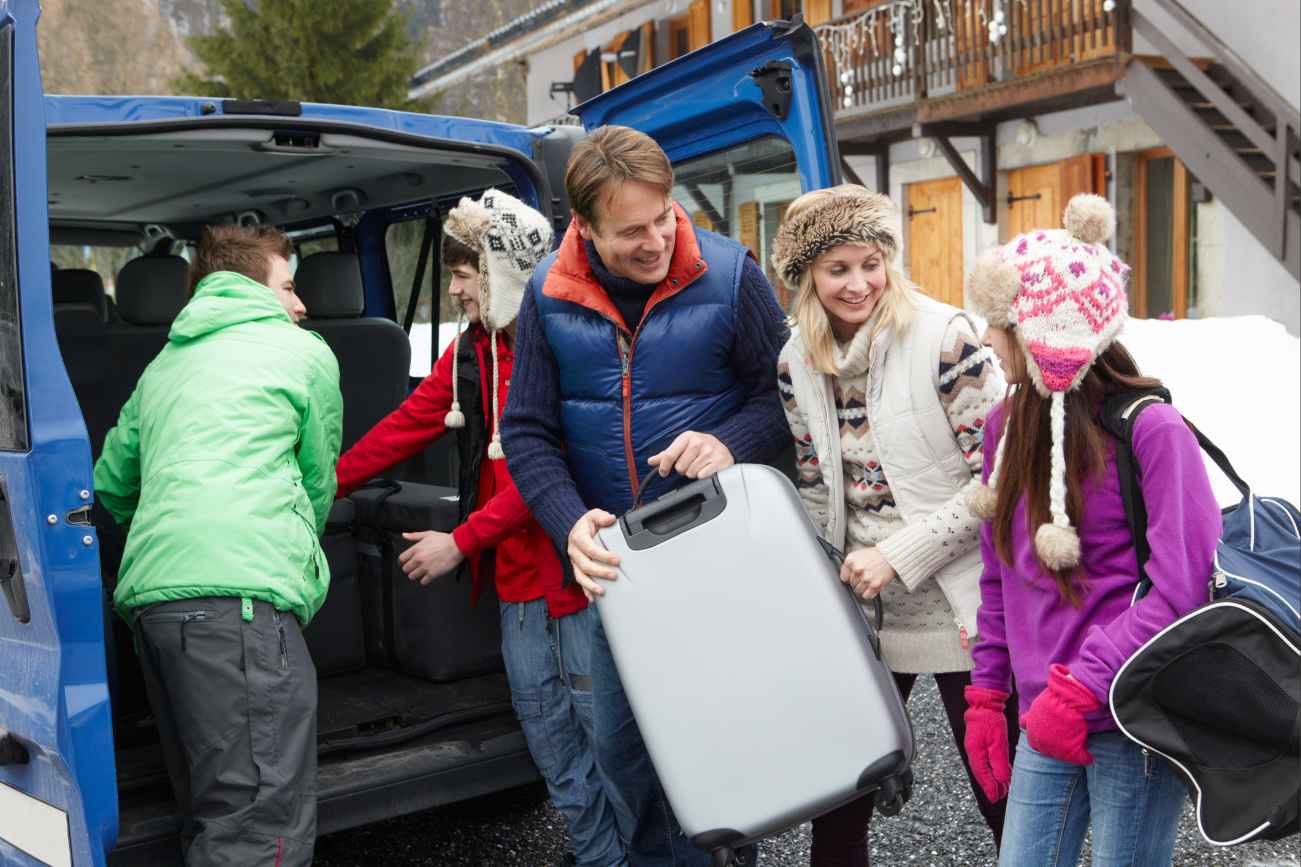
Winter sports equipment is often costly and essential for your trip. From your skis to your clothing, these items are at risk of being lost, stolen, or damaged. Insurance can cover repair or replacement costs, and even provide for temporary equipment hire if needed. Additionally, your policy should cover other luggage you bring, ensuring you’re compensated for mishaps such as misplaced bags at the airport.
Insurance for Travel Arrangements
Unexpected disruptions, such as flight delays or cancellations, can derail your plans. Travel insurance can reimburse you for pre-booked costs or alternative arrangements, so you can avoid financial stress. Some policies may also compensate you for additional costs incurred due to travel disruptions.
Competition Cover
If you’re entering a competition or organised event, a good policy can provide coverage for non-refundable entry fees or costs if unforeseen circumstances prevent your participation. Be sure to check that your policy explicitly covers competitive events.
Medical Expenses and Repatriation
Medical treatment following a winter sports accident can be expensive, particularly if it involves overseas hospital care or emergency surgery. In extreme cases, you may require air evacuation from a remote area or repatriation to the UK. Comprehensive insurance covers these potentially astronomical costs, ensuring you receive the care you need without financial hardship.
Search and Rescue
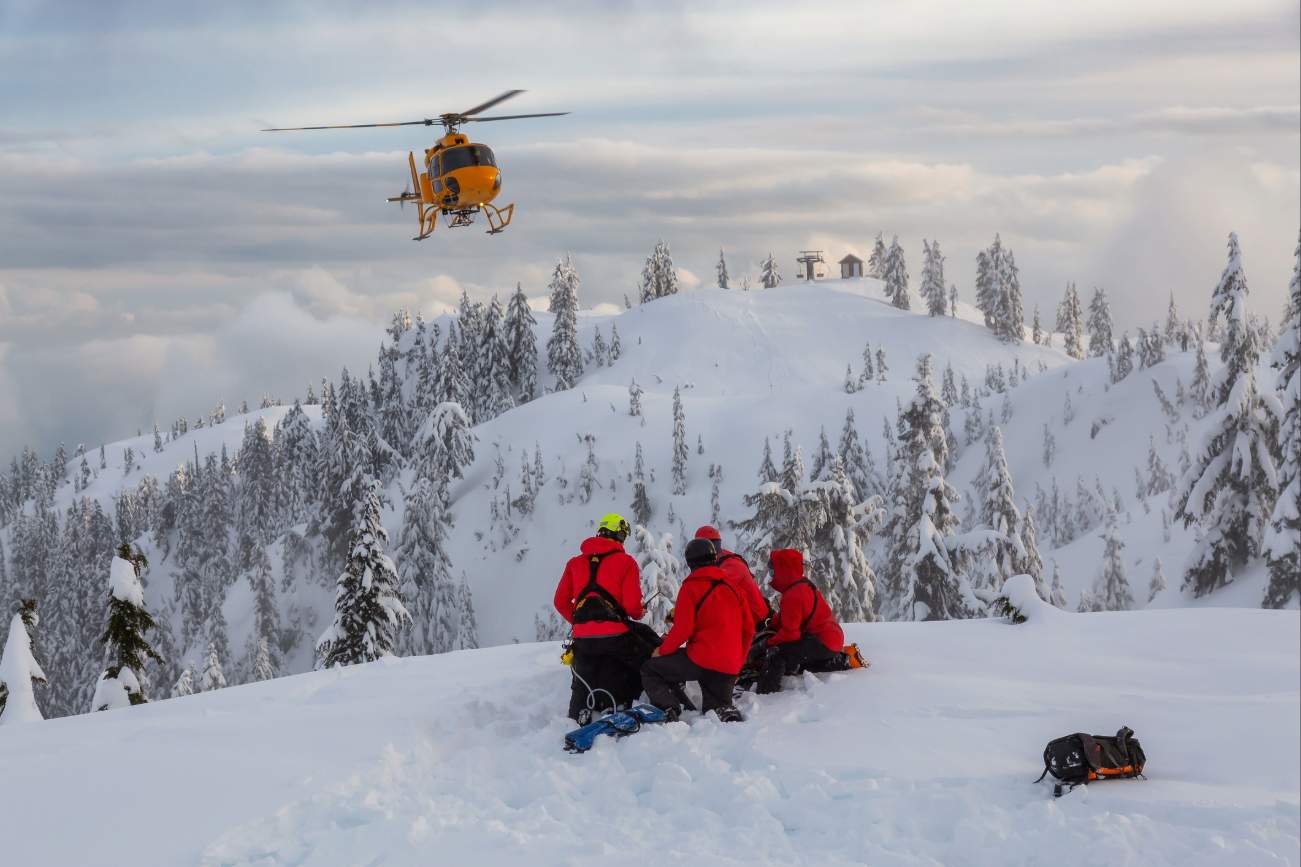
Being stranded on a mountain is a frightening prospect. Good winter sports insurance will cover the costs of search and rescue efforts, including the deployment of professional teams, helicopters, or other necessary resources.
Does an EHIC or GHIC cover winter sports activity in Europe?
While having a European Health Insurance Card (EHIC) or Global Health Insurance Card (GHIC) is always recommended when travelling abroad, it’s not a substitute for winter sports travel insurance.
EHICs and GHICs provide access to emergency medical care in participating European countries, ensuring you receive treatment on the same terms as local residents. However, these cards have limitations—they don’t cover private medical care, mountain rescue, or repatriation. For instance, if you need to be airlifted off a mountain or transported back to the UK, you would face significant costs.
Dedicated winter sports travel insurance offers comprehensive coverage, filling the gaps left by an EHIC or GHIC, and ensuring you’re protected in all eventualities.
Tips for choosing the right winter sports insurance policy
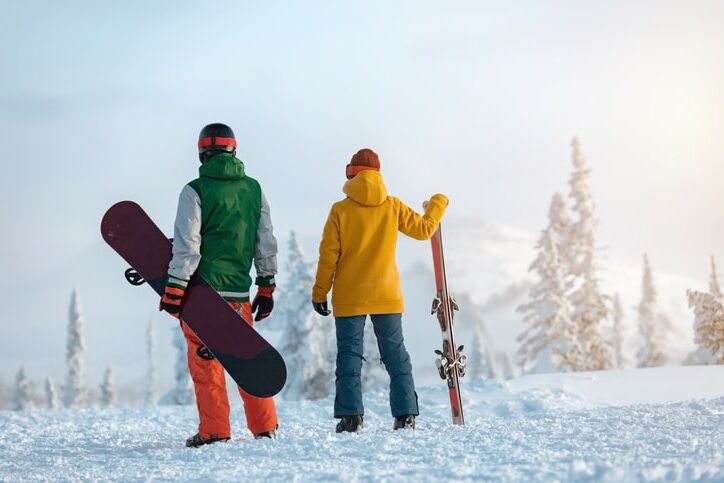
Selecting the right winter sports insurance policy is essential to ensure you’re adequately protected for your trip. Here are a few key factors to consider:
Cover Limits
Begin by checking the policy’s financial limits for medical expenses, personal liability, and equipment replacement. Medical costs can quickly escalate, especially if mountain rescue or repatriation is involved, so ensure the coverage is sufficient to avoid out-of-pocket expenses.
Exclusions
Carefully review the exclusions in your policy to avoid unpleasant surprises. Some policies may not cover certain high-risk activities, competitive events, or incidents arising from alcohol consumption. Always ensure your chosen policy aligns with your planned activities and behaviours.
Add-ons and Customisation
Many providers offer optional add-ons, such as coverage for off-piste skiing, extreme sports, or additional travel disruptions. If you’re planning something unique, like heli-skiing or ski racing, verify that these are explicitly covered. Add-ons can tailor the policy to your needs, providing peace of mind that no aspect of your trip is overlooked.
Pre-existing Medical Conditions
If you have any pre-existing medical conditions, disclose them when purchasing your policy. Some insurers may cover these at an additional cost, while others may exclude them altogether. Transparency is key to ensuring valid cover.
By taking these considerations into account, you can choose a policy that suits your trip and provides specialist winter sports protection.
Common exclusions in winter sports insurance
While winter sports insurance is designed to cover a wide range of risks, it’s important to be aware of common exclusions to avoid invalidating your policy:
Alcohol-related incidents
Many policies exclude claims arising from incidents where alcohol consumption has impaired your judgement. Enjoying après-ski is part of the fun, but overindulgence could leave you without coverage if an accident occurs.
Unapproved off-piste skiing
Off-piste skiing is a popular activity, but most insurers require you to stay within approved or designated areas. Skiing off-piste without proper guidance or safety measures can lead to claims being denied. Always check the policy wording and adhere to its terms.
High-risk activities not listed on your policy
Engaging in activities not specifically listed or covered in your policy is another common exclusion. For example, if you decide to try something spontaneous like ice climbing or heli-skiing without updating your policy, you may not be covered for accidents or injuries. Always inform your insurer of any activities you plan to undertake to ensure full protection.
Understanding these exclusions can help you avoid mistakes that could invalidate your insurance and leave you financially exposed.
Staying safe whilst doing winter sports
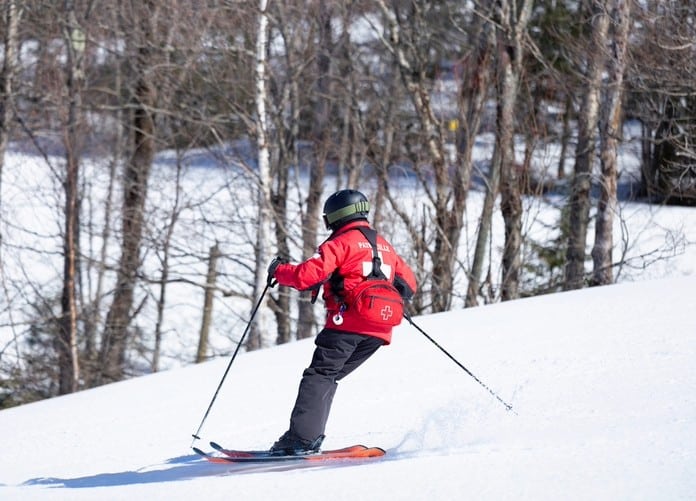
Winter sports are thrilling, but they come with inherent risks. By taking a few precautions, you can reduce the likelihood of injury and ensure a safe, enjoyable experience.
Avoiding Injuries
Prepare physically: Build your fitness levels before your trip, focusing on strength, flexibility, and balance to handle the demands of winter sports.
Use the right equipment: Ensure your gear is in good condition and properly fitted, whether it’s skis, snowboards, or protective clothing. Poorly maintained equipment can increase the risk of accidents.
Warm-up and stretch: Take time to warm up and stretch before hitting the slopes to prepare your muscles for the physical activity ahead.
Read more about how to avoid injuries when you’re participating in winter sports.
Adhering to Safety Guidance on the Slopes
Observe local rules: Familiarise yourself with the resort’s safety guidelines, signage, and trail markings.
Stay within your limits: Avoid attempting slopes or activities that exceed your skill level, as this significantly increases the risk of accidents.
Be aware of weather conditions: Keep an eye on the forecast and avoid skiing in poor visibility or hazardous weather.
Wear a helmet: Protect yourself against head injuries by wearing a helmet, which is mandatory at many resorts.
For a broader checklist, read our full article covering safety on the slopes.
What to do if you have an accident
Seek immediate help: Notify ski patrol or resort staff as soon as possible. They can provide first aid and arrange for further assistance if needed.
Document the incident: Take notes and photos of the accident scene and gather contact details from any witnesses. This can be crucial for insurance claims.
Contact your insurer: Notify your insurance provider as soon as possible to initiate the claims process. Keep receipts, medical reports, and any other relevant documentation to support your claim.
By following these safety tips and knowing how to respond in case of an accident, you can minimise risks and focus on enjoying your time on the slopes.
Get winter sports insurance with SportsCover Direct
At SportsCover Direct, we have over 25 years’ experience covering people just like you in almost every type of winter sport, ensuring you’re fully protected whenever you hit the slopes and rinks. Our policies include medical and repatriation cover, insurance for trip cancellation and curtailment, personal accident and liability cover, and help if your equipment is lost, damaged or stolen.
Our policies are available at competitive rates, and can be bought either for single trips, or on an annual multi-trip basis. Explore all our winter sports insurance policies in detail.