


Skiing in Japan has surged in popularity among British skiers and snowboarders – and for good reason. With deep powder snow, postcard-worthy landscapes, soothing hot springs and some of the most reliable winter conditions in the world, Japan offers an experience entirely different from anything in the Alps or the UK.
Whether you’re wondering “Where to go skiing in Japan?”, comparing the Japan ski season to Europe, or planning your first trip from the UK, this guide covers everything you need to know, including the best skiing in Japan, travel tips, snow conditions and more.
Why skiing in Japan is so special
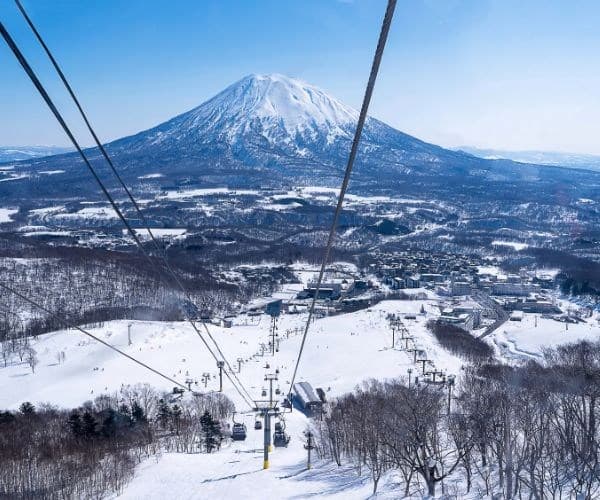
If you’ve only ever skied in Europe or the UK’s indoor centres, skiing in Japan might feel like stepping into another world. The country is famous for its Japow – the incredibly light, dry powder that falls in huge quantities throughout winter thanks to cold Siberian winds meeting the moisture of the Sea of Japan.
The result? – Day after day of soft snow that piles up into deep, fluffy powder fields. Many visitors say it’s the best snow they’ve ever experienced.
Beyond the snow, there’s the culture. Japanese ski resorts are known for their warm hospitality, relaxing onsen (hot springs), efficient lift systems, and uncrowded slopes compared with Europe’s peak weeks. If you’re asking, “What’s different about skiing in Japan?”, the answer is: almost everything, and in the best possible way.
Japan ski season: when to go
One advantage of skiing in Japan is the long, reliable season. Most ski areas open in late November or early December, and many stay open until April, some even into early May.
Typical ski season timeline
- December – January: Cold temperatures, excellent snowfall; ideal for powder seekers.
- January – February: The peak for deep powder. This is when Japan’s snowstorms are at their strongest.
- March: Still good snow, more sunshine, fewer crowds.
- April: Spring skiing with softer snow and quieter pistes.
Compared to the UK, where skiing outdoors is extremely limited and dependent on sporadic snowfall, the Japan ski season is almost guaranteed to deliver.
The best ski resorts in Japan
Japan has more than 500 ski resorts, ranging from small family-run hills to large international destinations. If you’re wondering about the best place to ski in Japan, here are the most popular regions and standout resorts.
1. Niseko (Hokkaido) – the powder capital
Often topping lists of the best ski resorts in Japan, Niseko is the country’s most famous ski destination. Located on the northern island of Hokkaido, it receives astonishing amounts of snow, often over 15 metres per season.
Why people love it:
- Incredibly consistent powder
- English widely spoken
- Modern infrastructure
- Extensive off-piste skiing
If you want the “classic” Japow experience, Niseko is the best place to start.
2. Hakuba Valley (Nagano) – big mountains, euro-style terrain
Hakuba, located in the Japanese Alps near Nagano, hosted the 1998 Winter Olympics and remains one of the most varied ski areas in the country.
With several interconnected resorts, it offers a mix of steep bowls, long pistes and excellent freeriding opportunities.
Highlights:
- Majestic mountain scenery
- Great for intermediate and advanced skiers
- Larger village atmosphere
- Excellent backcountry
Hakuba is ideal for those who want a blend of Japanese culture with more familiar European-style skiing.
3. Nozawa Onsen – tradition meets powder
Nozawa Onsen is one of the most atmospheric places to ski in Japan thanks to its traditional village, cobbled lanes, and dozens of free public hot springs.
Why it stands out:
- Beautiful, historic village
- A mix of beginner-friendly and advanced terrain
- Rich cultural experience
- High snowfall and great tree runs
It’s the perfect choice if you want skiing and authentic Japanese culture in equal measure.
4. Rusutsu (Hokkaido) – quiet powerhouse
Rusutsu is known for its perfectly spaced tree runs and dry powder. While smaller than Niseko, many experienced skiers actually prefer it because it’s quieter and offers superb off-piste terrain.
Expect:
- Fewer crowds
- Wide groomed runs
- Deep, consistent powder
- Fantastic tree skiing
5. Furano – sunny, family-friendly and underrated
Furano receives less hype than Niseko, but many argue it offers the best skiing in Japan for families. Snowfall is still excellent, but the resort also enjoys more blue-sky days.
Best for:
- Families
- Skiers wanting fewer crowds
- Those who prefer a calmer, more relaxed atmosphere
Where to go skiing in Japan? Quick comparison
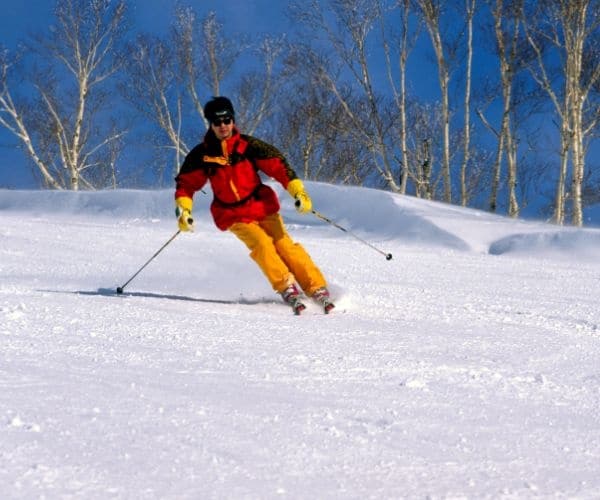
Resort | Best For | Snowfall | Atmosphere |
Niseko | Powder & nightlife | Extremely high | Modern, international |
Hakuba | Big mountain skiing | High | European-Japanese mix |
Nozawa Onsen | Culture + skiing | Very high | Traditional Japanese |
Rusutsu | Powder without crowds | Very high | Quiet |
Furano | Families & sun | High | Relaxed |
Snow conditions in Japan: what to expect
The snow conditions in Japan are world-class. What makes the snow so special?
- Dryness – The cold air produces extremely light, fluffy snow.
- Regularity – It snows frequently and heavily throughout winter.
- Quality – Powder remains soft for longer thanks to low temperatures.
- Tree skiing – Gladed areas are common and ideal for powder days.
In contrast, UK ski conditions rely entirely on short winter cold spells. Japanese mountains, on the other hand, benefit from a reliable meteorological pattern that produces consistent world-leading snowfall.
What’s different about skiing in Japan compared to the UK?
Skiing in Japan differs from the UK in several keyways:
- Snow Quality – Japan’s snow is lighter, deeper and more dependable than anything in the UK.
- Resort Culture – Japanese resorts are friendly, polite and often far quieter than European slopes.
- Food & Après-Ski – Instead of pubs and loud après bars, expect ramen, sushi, cosy izakayas and hot springs.
- Terrain – The UK offers indoor slopes and small outdoor centres, whereas Japan gives you entire mountain ranges, backcountry bowls and world-class tree skiing.
- Crowds – Even the busiest Japanese resorts feel spacious compared to Europe during peak weeks.
Travelling from the UK to Japan for Skiing: essential tips
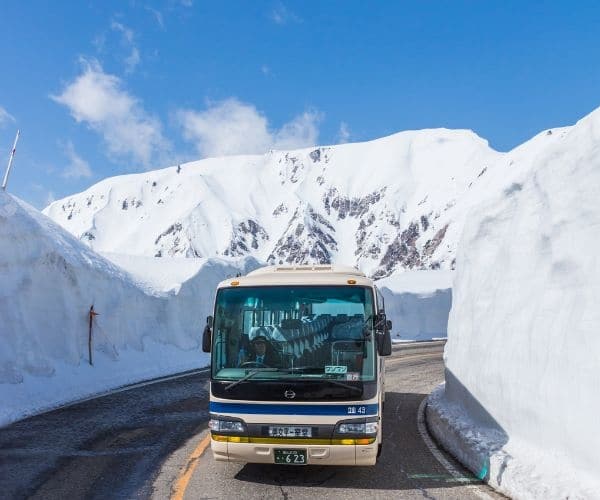
Getting to Japanese ski resorts from the UK is more straightforward than many people realise.
Flights
Most travellers fly from London to either:
- Tokyo (Haneda or Narita) for resorts like Hakuba, Nozawa Onsen and Shiga Kogen
- Sapporo (New Chitose Airport) for Hokkaido resorts like Niseko, Rusutsu and Furano
Total travel time is typically 14–17 hours including transfers.
Transfers to Ski Resorts
Once in Japan, you can reach ski areas via:
- Shinkansen (bullet train): fast, clean and reliable
- Express buses from airports
- Private transfers for larger groups
Accommodation
Options range from luxury hotels to traditional ryokan inns and modern apartments. Book early for peak dates in January and February.
Language & Etiquette Tips
Most resort staff speak some English, especially in Niseko and Hakuba. Politeness is highly valued – simple gestures like bowing, speaking quietly, and removing shoes indoors go a long way.
Food to Try
- Ramen
- Katsu curry
- Gyoza
- Sushi and sashimi
- Hokkaido dairy treats (in Niseko and Furano)
Is Japan expensive for skiing?
Skiing in Japan can be surprisingly good value. Lift passes, rentals and accommodation are often cheaper than in the Alps, although flights make the overall trip cost higher.
Ways to save:
- Travel outside peak weeks (avoid New Year and Chinese New Year)
- Stay in local guesthouses instead of Western hotels
- Use trains rather than private transfers
- Book in advance for discounts
Is skiing in Japan worth it?
Absolutely. Whether you’re chasing bottomless powder, seeking an adventure far beyond Europe’s slopes, or hoping to experience a unique blend of culture and scenery, Japan delivers.
With reliable snowfall, world-class resorts, friendly locals and unforgettable landscapes, it’s easy to see why so many UK skiers return year after year.
Do you need ski insurance for Japan?
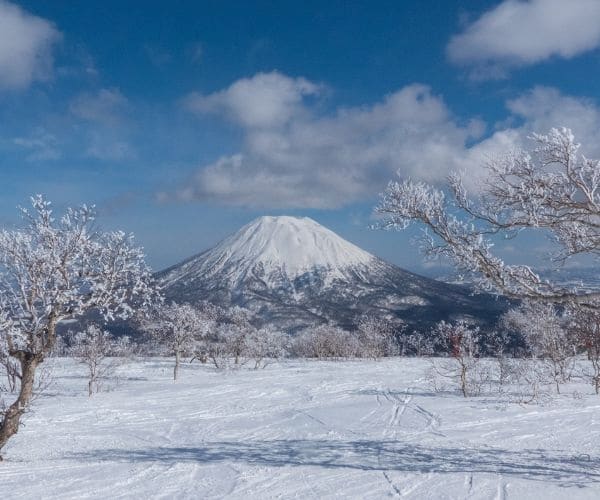
Yes, ski insurance is essential when skiing in Japan, especially if you plan to ski off-piste, explore the backcountry, or participate in guided tours. Medical costs in Japan can be expensive, and some resorts require proof of adequate cover for certain activities.
Look for insurance that includes:
- Winter sports cover
- Off-piste and backcountry protection
- Medical expenses
- Repatriation
- Equipment and cancellation cover
Protect yourself with Ski Insurance from SportsCover Direct
Skiing in Japan is incredible, but accidents and unexpected events can happen, even to experienced skiers. That’s why ski insurance is essential. Beyond the usual travel cover, specialist ski policies provide protection for winter sports, helping you avoid costly setbacks if things don’t go as planned.
A good ski insurance policy, like those offered by SportsCover Direct, can be tailored to the activities you plan to do, including off-piste skiing, freestyle, or cross-country. Cover typically includes medical emergencies, cancellations, personal liability, lost or damaged equipment, and even search and rescue operations.
With the right policy, you can enjoy Japan’s slopes with peace of mind, knowing that you’re protected whether you’re skiing the deep powder of Niseko, exploring Hakuba’s backcountry, or enjoying family-friendly runs in Furano. Ski insurance ensures that if anything goes wrong, you can focus on your trip instead of worrying about unexpected costs.
Explore your options and get a quote online to make sure your Japanese ski adventure is fully protected.
This blog has been created as general information and should not be taken as advice. Make sure you have the correct level of insurance for your requirements and always review policy documentation.