
As the ski season kicks off, you might already be dreaming of fresh powder and planning your next trip to the slopes. But this year, things may look a little different — perhaps pregnancy is on the horizon, or you’ve recently discovered you’re expecting just before a ski holiday. So, the question arises: is it safe to go skiing while pregnant? Or, if you’re the partner, is it safe for her?
For seasoned skiers, confidence on the slopes is second nature, but pregnancy introduces new considerations. If you’re less experienced, the potential risks shift. While skiing during pregnancy is possible for some, there are important factors to weigh, from safety concerns and trimester-specific pros and cons to how your skill level might affect the experience.
This blog offers practical tips and insights to consider for skiing when pregnant, helping you make a well-informed decision tailored to your unique situation.
Is it safe to ski while pregnant?
Skiing during pregnancy can be safe, but it depends on several factors. Doctors often advise pregnant women to be cautious with high-risk activities, and skiing can certainly fall into this category due to the risk of falls and collisions. However, if you’re a seasoned skier with a strong skill level and you stick to safer slopes, some doctors may give you the green light – with caveats.
As with any physical activity during pregnancy, it’s best to consult your doctor. They can consider your unique situation, including your fitness level, any pregnancy complications, and personal comfort, and help you decide whether skiing is a good idea for you.
Risks of skiing during pregnancy by trimester
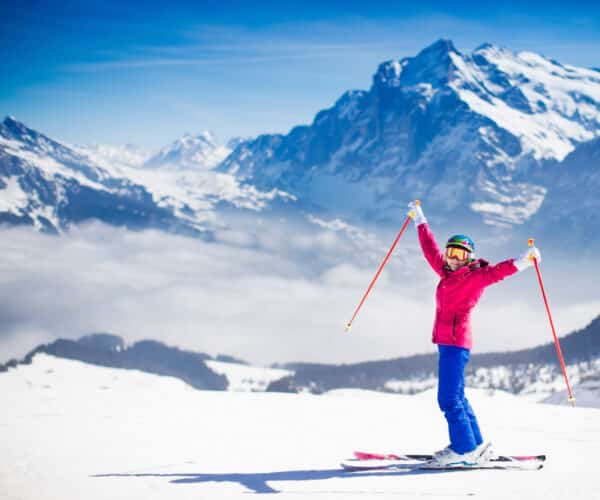
Pregnancy affects your body differently as you progress through each trimester. Here’s a look at how skiing might impact you differently at each stage:
First Trimester
In the early months of pregnancy, you may feel like you’re able to ski as usual. However, early pregnancy can come with unique challenges, like morning sickness, fatigue, and hormonal shifts. Additionally, the risk of miscarriage is highest in the first trimester, and although the uterus is still quite protected, any fall or jolt can potentially cause complications.
At this stage, you might be tempted to ski as you normally would, but it’s worth being cautious and sticking to easier runs to minimise the risk of falls.
Second Trimester
Many women find the second trimester the most comfortable period for physical activity, as energy levels often return, and nausea may subside. However, as your baby grows, your centre of gravity changes, which can affect balance – essential for skiing. It’s also a time when falling could have a greater impact on the baby’s development. Whilst a light fall is a low risk, it’s larger falls to be careful to avoid.
If you decide to ski in your second trimester, it’s best to stick to gentler slopes and avoid over-exertion. Staying mindful of your changing body can help you avoid unnecessary risks.
Third trimester
In the third trimester, skiing becomes more challenging and riskier for most women. Your bump is bigger, mobility may be limited, and balance is even more affected. At this stage, a fall or any sudden impact could pose significant risks, including early labour.
For most women, it’s recommended to avoid skiing in the third trimester. However, if you feel comfortable and your doctor approves, some gentle, low-altitude skiing may still be manageable – but always prioritise safety.
Pros and cons of skiing while pregnant
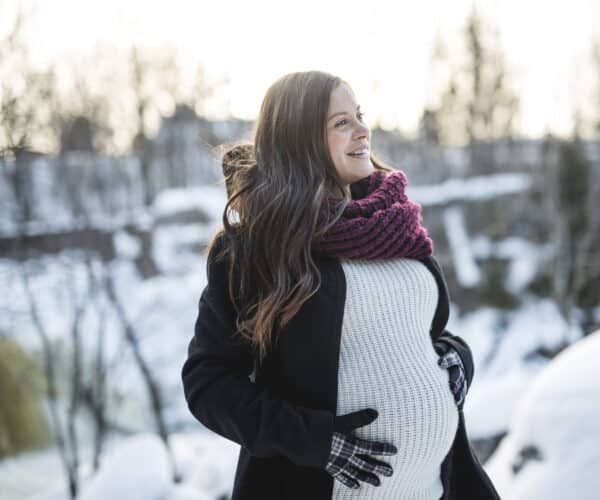
Before making a decision, it can be helpful to weigh the pros and cons of skiing during pregnancy.
Pros:
• Physical activity: Skiing keeps you active and can be great for cardiovascular health, muscle tone, and mental well-being.
• Mental health: Being in nature, surrounded by beautiful snowy mountains, can reduce stress and lift your mood.
• Circulation and fitness: Staying physically active can improve circulation and fitness, which can benefit both you and your baby.
Cons:
• Risk of injury: The primary concern is the risk of falling, which could impact both you and your baby.
• Balance changes: Pregnancy alters your centre of gravity, making it harder to maintain balance on skis.
• Limited terrain: Pregnant women are generally advised to stick to gentle slopes, which can limit the terrain options and make the experience less exciting for experienced skiers.
Risks of skiing for different levels of skiers
Your level of experience plays a big role in determining how safe skiing might be during pregnancy.
Beginners
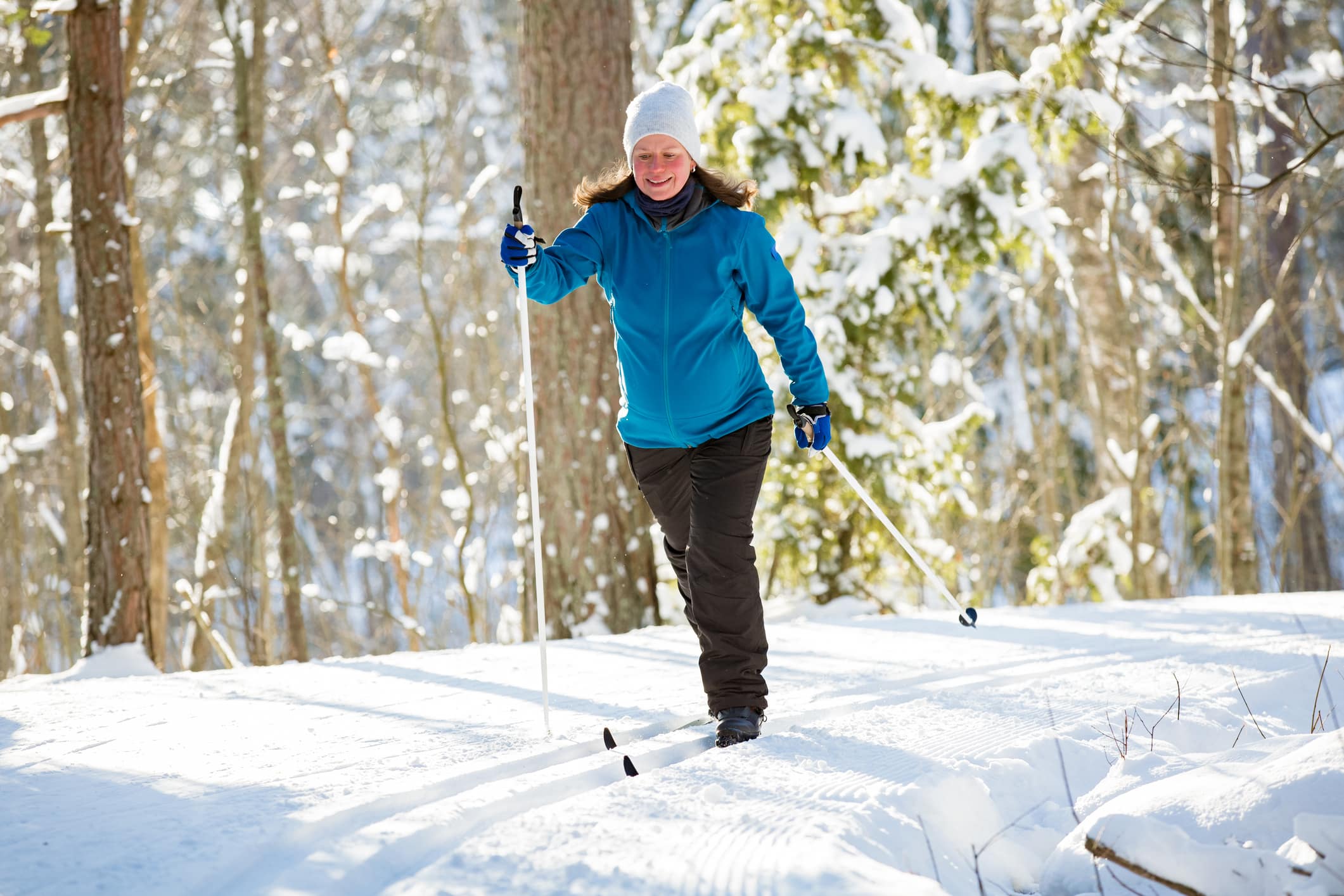
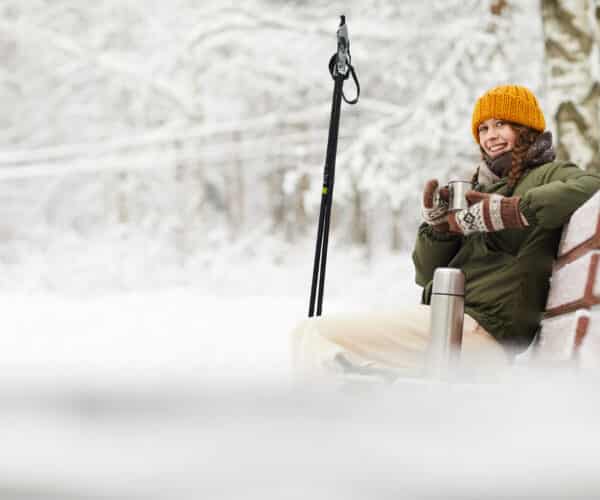
For beginner skiers, the risks are generally higher. Newer skiers are more likely to fall or struggle with balance, especially on icy or challenging terrain. If you’re a beginner, skiing might not be the best activity during pregnancy. Instead, consider alternatives like snowshoeing or cross-country skiing for a lower-risk winter workout.
Intermediate and advanced skiers
If you’re an intermediate or advanced skier, you might feel confident skiing while pregnant, but it’s still important to be cautious. Experienced skiers may be able to control their movements better and avoid hazards, but they should still avoid steep or icy runs and keep their speed in check. Even advanced skiers should remember that pregnancy changes your body and, in turn, your skiing performance.
Common questions and additional considerations
What terrain is safest for pregnant skiers?
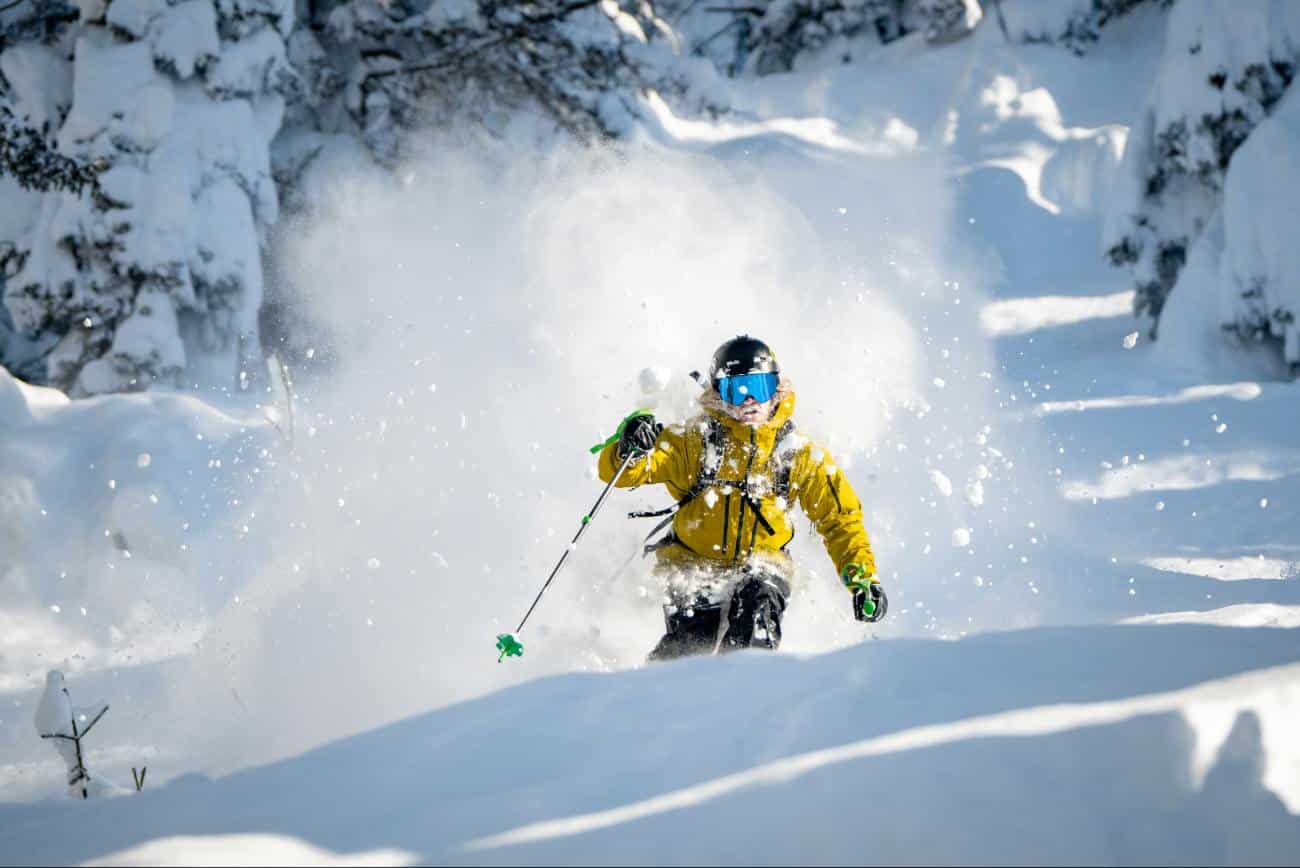
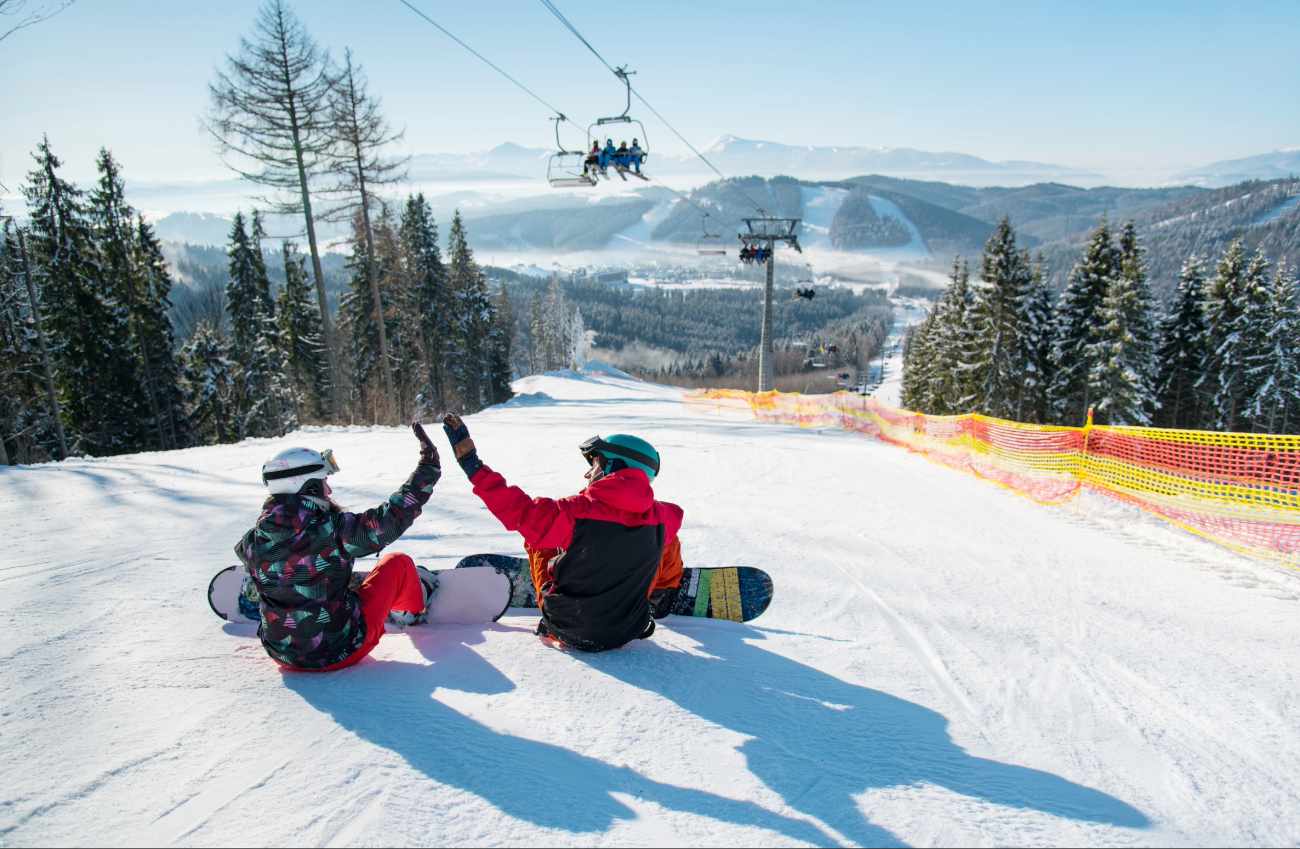
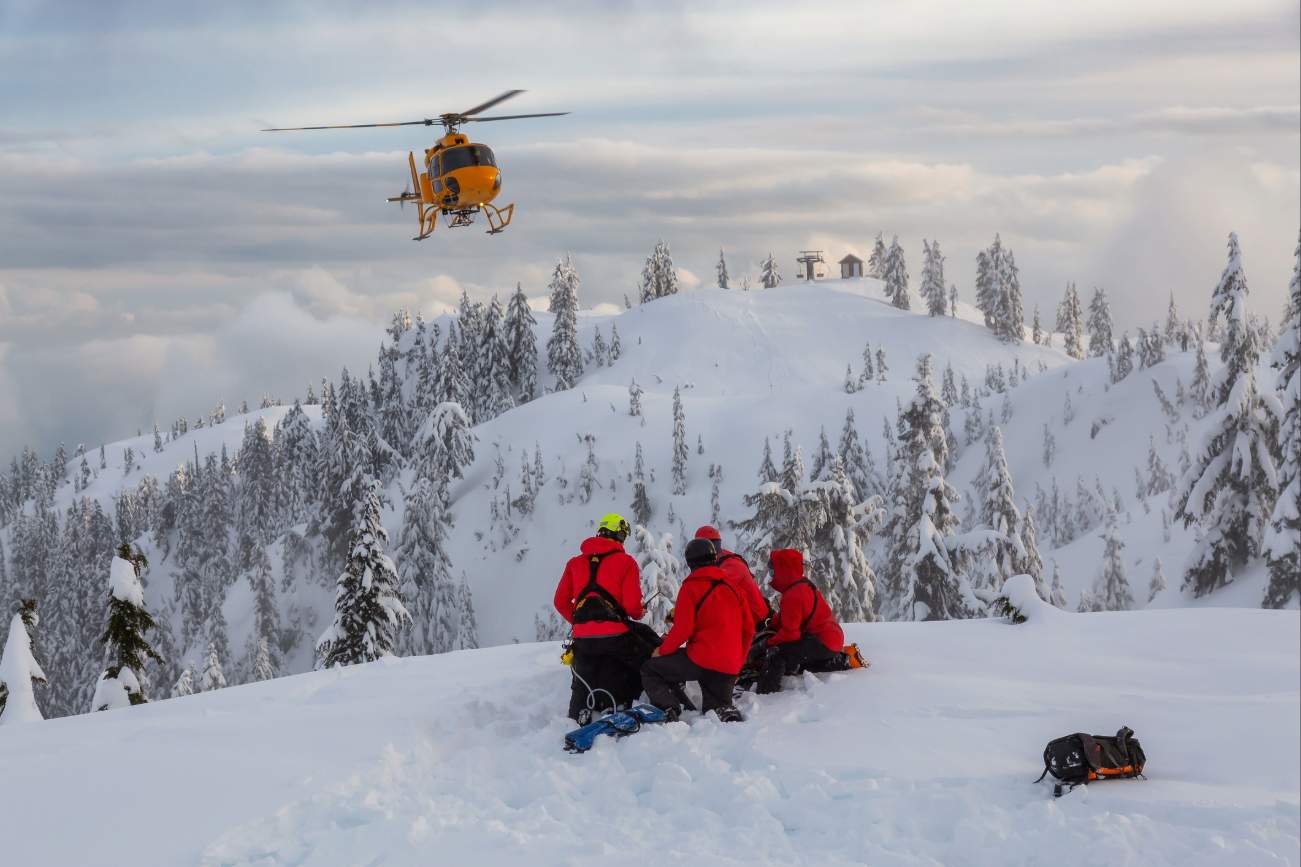
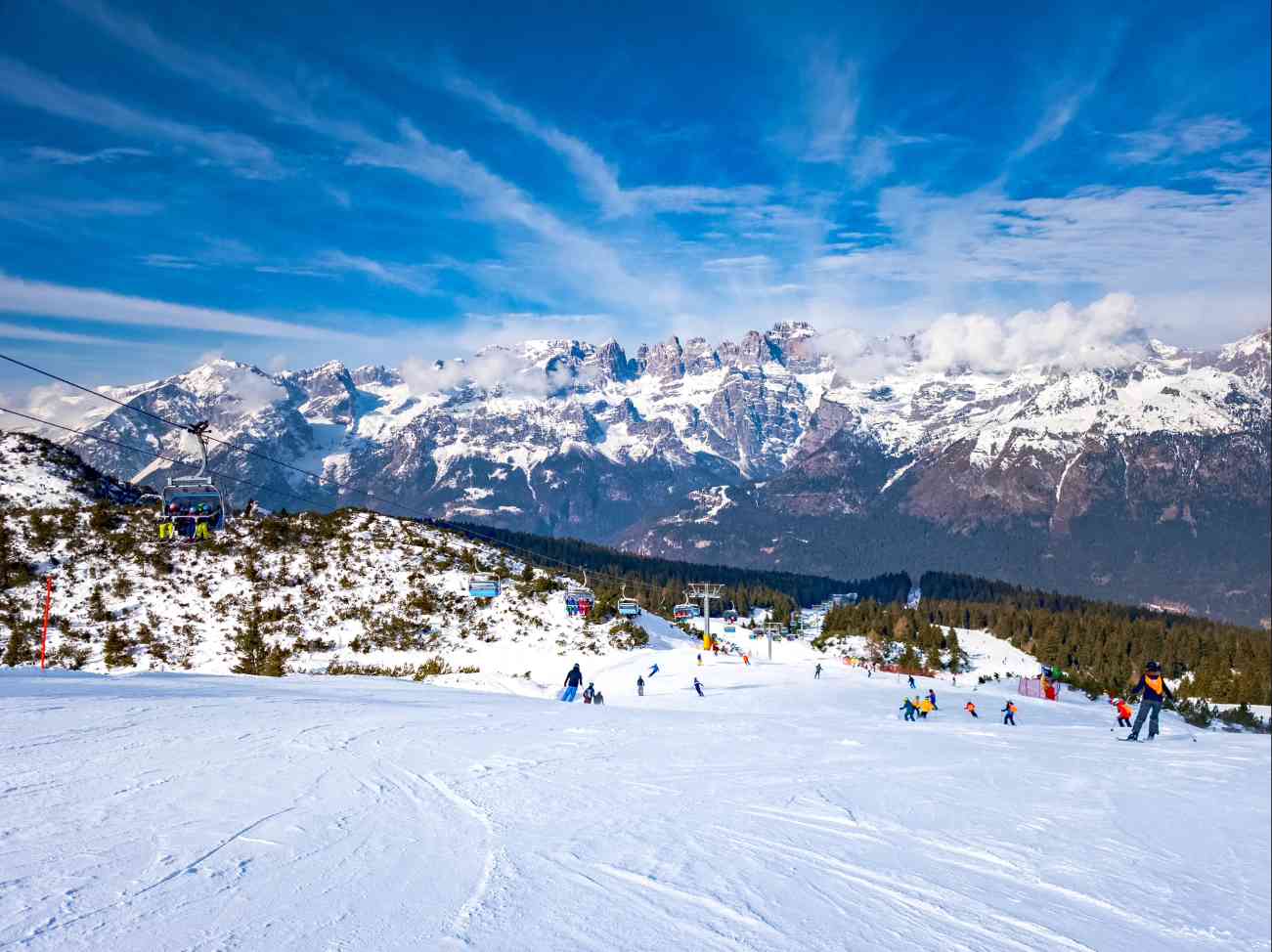
Stick to gentle, groomed slopes that are well-maintained and less likely to be icy. Avoid backcountry skiing, off-piste areas, and busy or crowded runs, where you’re more likely to encounter other skiers or unexpected terrain changes.
How to adjust skiing technique and equipment when pregnant
Your usual skiing technique might need a few tweaks to accommodate your changing body. Keep your stance wider for extra balance, and avoid twisting or jerking motions. Well-fitting gear is essential, especially boots that offer extra support. Make sure your clothing is comfortable and not restrictive, as you’ll likely feel warmer than usual.
Alternatives to skiing during pregnancy
If skiing feels too risky or challenging, consider alternatives that still allow you to enjoy the snow. Cross-country skiing, snowshoeing, and gentle snow hiking are great, low-risk options for staying active outdoors. They also require less balance and pose less risk of falling.
Health and safety tips for pregnant skiers
Staying safe on the slopes requires extra care when you’re pregnant. Here are a few tips to keep in mind:
• Stay hydrated: Dehydration is a common risk at altitude, so keep water on hand.
• Take breaks: Pregnancy is tiring, so rest as often as you need.
• Wear layers: Dress in warm, breathable layers so you can adjust as you warm up or cool down.
• Bring snacks: Keep prenatal-friendly snacks on hand to maintain your energy and blood sugar levels.
Consult your doctor: Key health questions to ask before skiing
Before skiing, have a conversation with your healthcare provider about your specific health situation. Here are a few questions to consider asking:
• What specific health risks I should be aware of?
• What signs should I look out for while skiing that would indicate it’s time to stop?
• Are there particular activities or modifications that could reduce risk?
Your doctor can provide guidance based on your medical history and any current pregnancy symptoms or conditions.
When to avoid skiing during pregnancy
There are certain circumstances when it’s best to avoid skiing altogether. If you have a history of pregnancy complications or if your doctor has advised against strenuous activities, it’s best to skip skiing this season. Additionally, if you feel dizzy, have any unusual pain, or just don’t feel comfortable on the slopes, it’s wise to take a break.
Does travel insurance cover you to ski pregnant?
When planning a ski trip while pregnant, it’s crucial to review your travel insurance policy to understand what’s covered. Policies vary significantly, and pregnancy can sometimes impact the level of coverage, especially for activities like skiing.
Most standard travel insurance policies cover pregnancy-related issues up to a certain point, usually around 26-32 weeks, but this often only applies to medical care and emergencies, not high-risk activities. Since skiing is generally classified as an “adventure sport” or “extreme activity,” it may require additional coverage, especially if you’re pregnant.
When reviewing or selecting a policy, consider the following:
Adventure sport add-ons
Check if skiing is included in your policy or if you need to purchase an additional sports or adventure add-on for ski coverage. Some insurers may have exclusions for pregnant travellers engaging in high-risk activities, so read the fine print.
Pregnancy-related medical coverage
Confirm if the policy covers pregnancy-related issues, such as early labour, if they occur on or off the slopes. Standard policies may cover routine medical care or emergencies unrelated to skiing, but may not cover incidents linked to high-risk activities.
Cancellation protection
Look into trip cancellation coverage in case your doctor advises against travel or skiing closer to your trip date. Some insurers may cover cancellations if your health status changes, but this isn’t always guaranteed, so it’s worth verifying.
Exclusions and limits
Review any exclusions that apply specifically to pregnancy or skiing. Many policies have strict limitations, particularly in the third trimester, and might exclude certain claims if the incident is related to a high-risk activity.
It might be best to consult directly with your provider to understand your options or seek a policy tailored for skiing while pregnant to ensure you’re covered in case of an emergency.
Get Ski Insurance from SportsCover Direct
For pregnant travellers looking to go abroad and ski you can be assured you can get cover with SportsCover Direct, provided there have been no complications. However, it’s recommended that you speak to your doctor before participating and follow any advice given.
SportsCover Direct’s skiing insurance can provide essential cover for your ski trip, saving you from the financial burdens if you need to make a claim. You’ll find travel insurance for medical costs, trip cancellations, sports equipment and more while skiing abroad. There’s also a bolt-on option if you have an existing travel insurance policy that doesn’t cover you for skiing.
Find out more and get a quote online.
This blog has been created as general information and should not be taken as advice. Make sure you have the correct level of insurance for your requirements and always review policy documentation.