

Comparing beginners, intermediates, and experts
If you’ve ever stood at the base of a snow-covered mountain, trying to decide between skiing and snowboarding, you’re not alone. This classic winter sports dilemma leaves many first-timers wondering: “Which one is harder?”
The answer isn’t straightforward because both sports present unique challenges that vary depending on your skill level, fitness, and even your personality. Whether you’re envisioning your first wobbly attempts, refining your techniques as an intermediate, or mastering advanced slopes, the learning experience will be different for everyone.
This guide will investigate the comparison between skiing and snowboarding at every stage—beginner, intermediate, and expert—giving you a clearer picture of what to expect. We’ll break down the learning curves, physical demands, terrain suitability, and injury risks for each sport, so you can choose the one that suits your goals and preferences best. Plus, we’ll explore how factors like fitness, mindset, and proper gear can make or break your experience, along with practical tips to overcome common challenges.
By the end, you’ll not only have a better understanding of whether skiing or snowboarding is “harder,” but also gain insights to help you confidently hit the slopes and make the most of your time in the mountains.
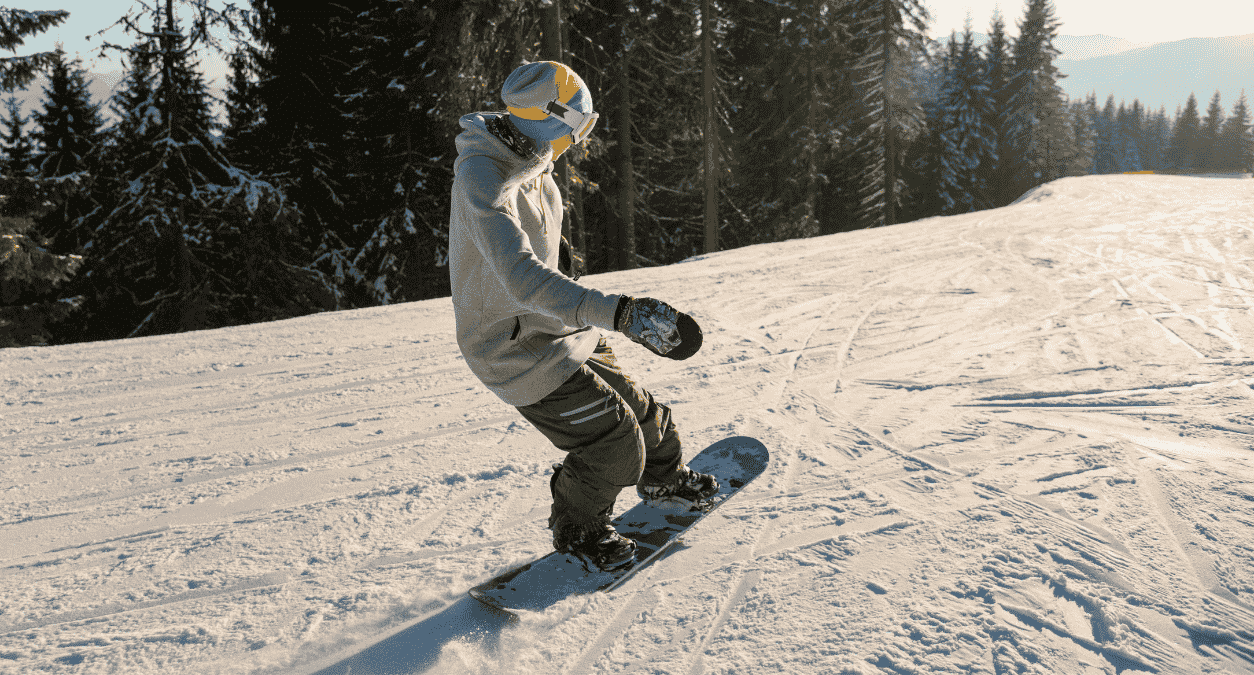
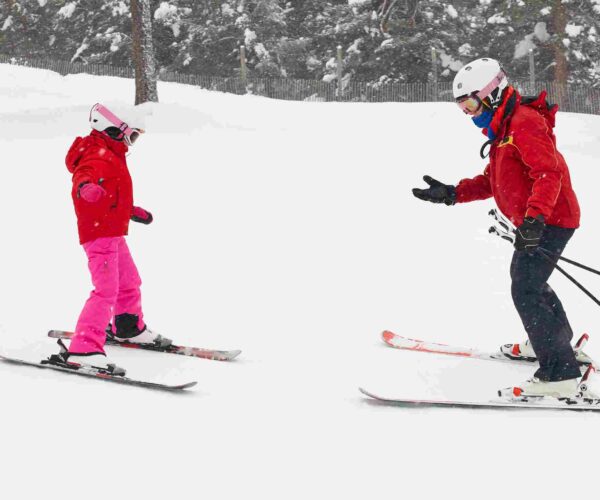
For beginners: Learning the basics
Learning Curve
Snowboarding
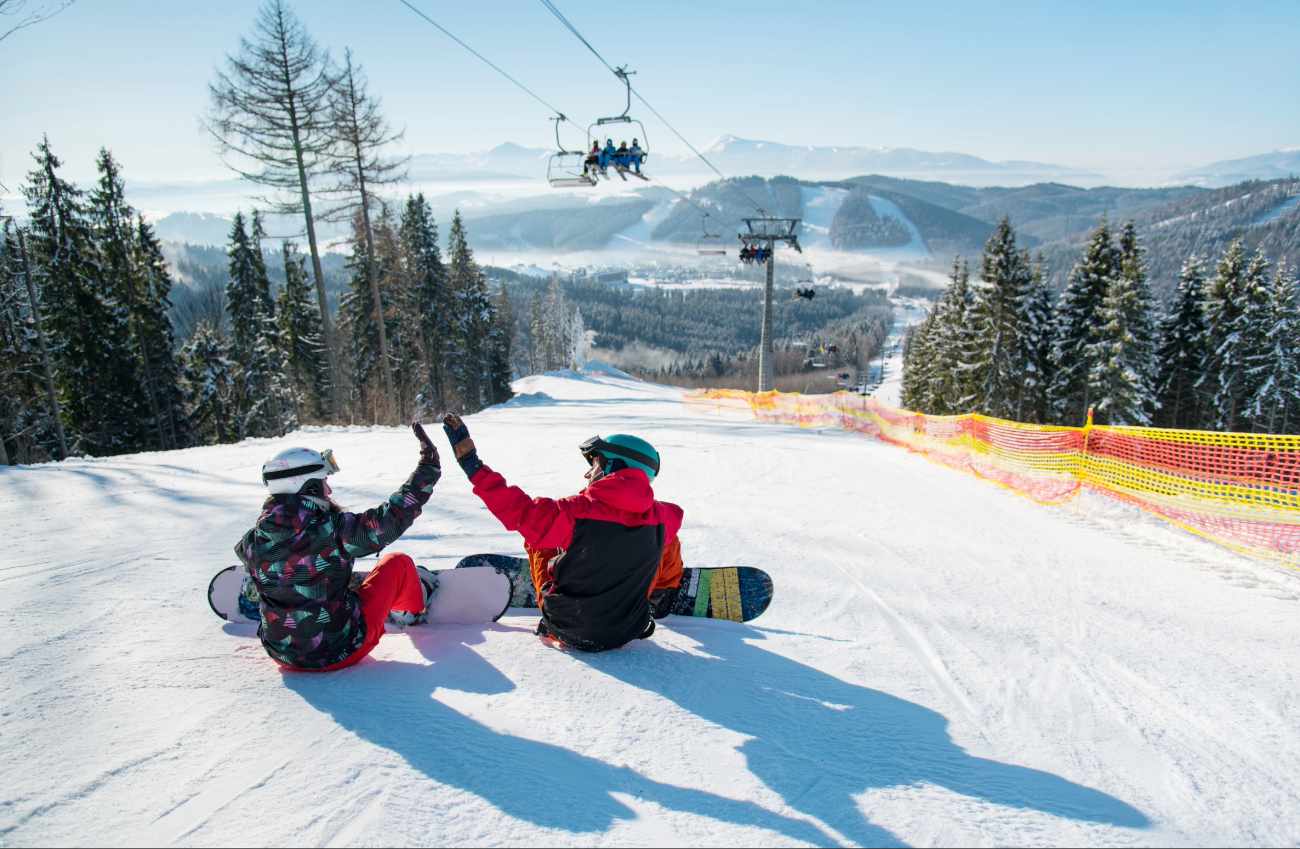
Beginners often find snowboarding tricky at first. Balancing on a single board with both feet strapped in can feel restrictive, and falling (a lot!) is part of the process. However, once you learn how to control your edges, progress can come quickly.
Skiing
Starting on skis is often easier, as the independent leg movement feels more natural.
Techniques like the snowplough stop are beginner-friendly and provide a sense of control early on. That said, it can take time to get comfortable steering and avoiding the infamous crossed skis.
Physical Demands
Snowboarding
Snowboarding relies heavily on core strength and balance. Your lower body does most of the work, particularly when turning.
Skiing
Skiing engages a broader range of muscles, including your legs, arms (if you use poles), and core. It’s also more cardio-intensive, especially on longer runs.
Terrain and Speed
Snowboarding
Controlling speed and turning requires edge control, which can feel daunting on steeper slopes.
Skiing
Beginners often feel more confident managing speed using techniques like the snowplough. However, controlling skis on uneven terrain can take practice.
Injury Risks
Snowboarding
Beginners are prone to wrist fractures and shoulder dislocations from falls. Wrist guards and padded gear can help reduce risks.
Skiing
Knee injuries are common, particularly from twisting falls. Proper form and lessons can minimise the risk.
For intermediates: Building confidence
Adaptability and progression
Snowboarding
Once you’ve mastered the basics, progression often feels quicker. Carving turns, tackling steeper slopes, and even learning tricks in terrain parks become achievable milestones.
Skiing
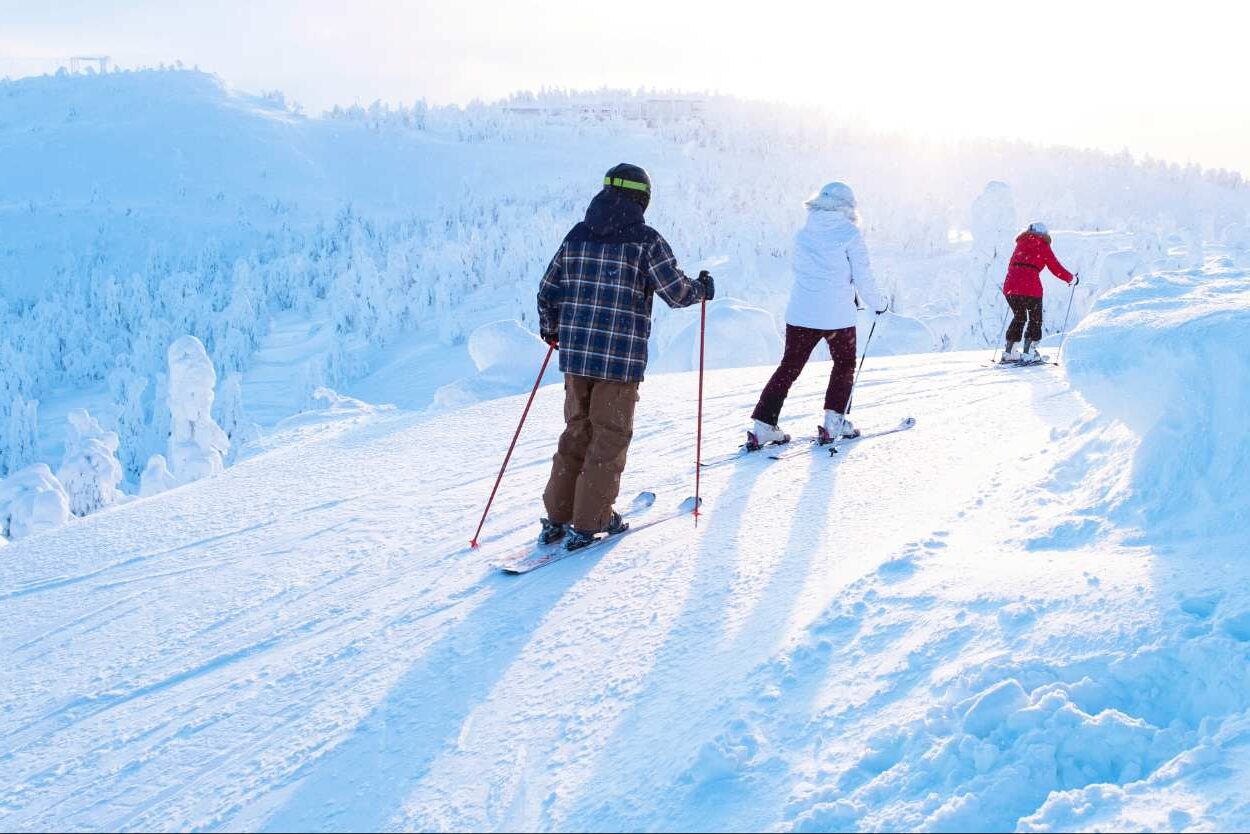
Intermediate skiers often focus on refining parallel skiing and transitioning to blue slopes. While progress can feel slower, the rewards of mastering techniques like carving are worth the effort.
Physical Demands
Snowboarding
Snowboarding becomes less tiring as you improve your technique and balance. Core and lower-body strength remain key.
Skiing
Skiing continues to demand leg endurance and stamina, especially on longer or steeper runs. Arms and poles also play a greater role in maintaining balance and rhythm.
Terrain and Speed
Snowboarding
Flat terrain can be frustrating, as it often requires unstrapping and walking. Steeper slopes and powder, however, become a snowboarder’s playground.
Skiing
Intermediate skiers often enjoy the control and stability of their skis, even at higher speeds. However, moguls and icy patches can pose challenges.
Injury Risks
Snowboarding
Icy conditions and terrain parks increase the risk of falls, but injuries tend to decrease with experience.
Skiing
Knee strain remains a concern, especially when navigating tricky terrain or recovering from falls.
For experts: Mastering the sport
Advanced Skills
Snowboarding
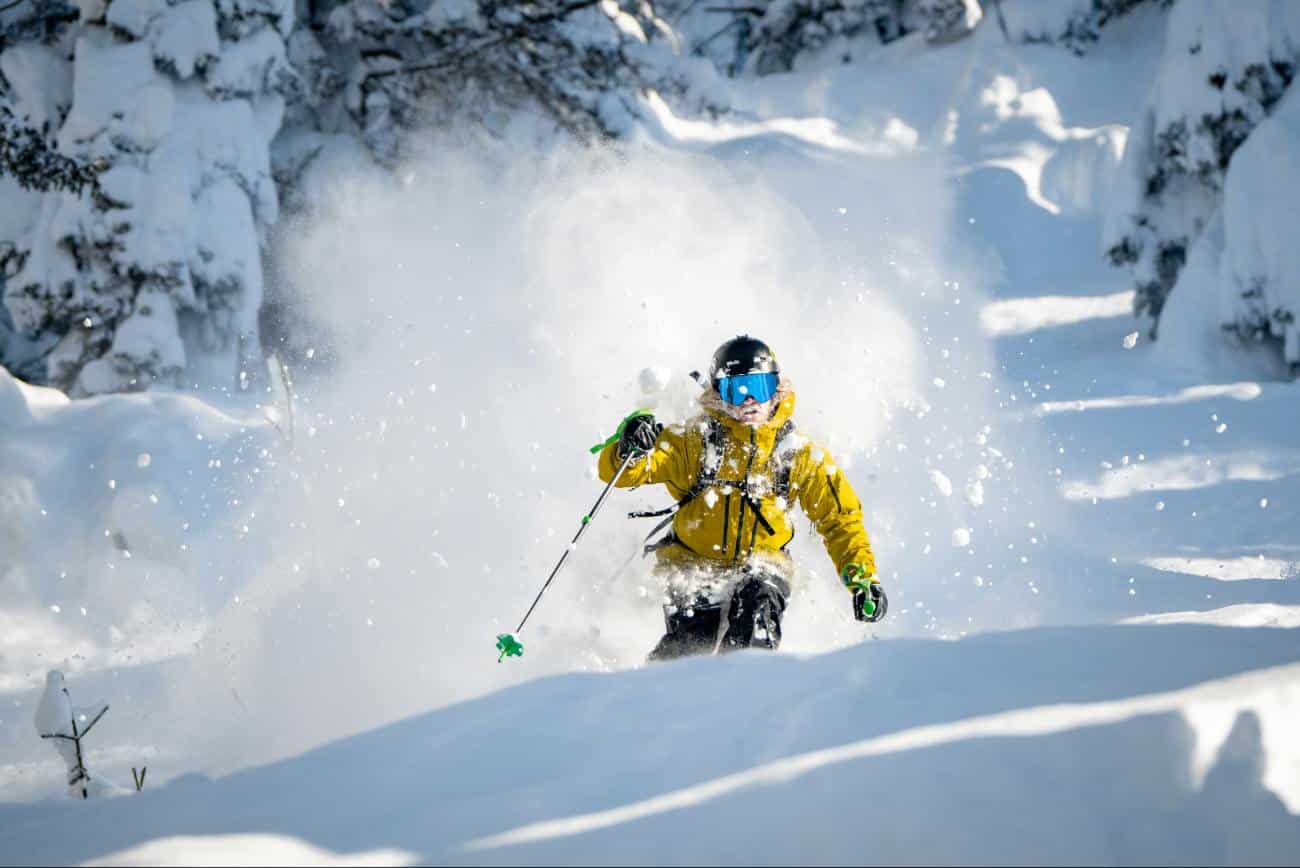
Freeriding, powder runs, and terrain parks challenge precision, balance, and creativity. Advanced snowboarders excel in carving and tackling off-piste slopes.
Skiing
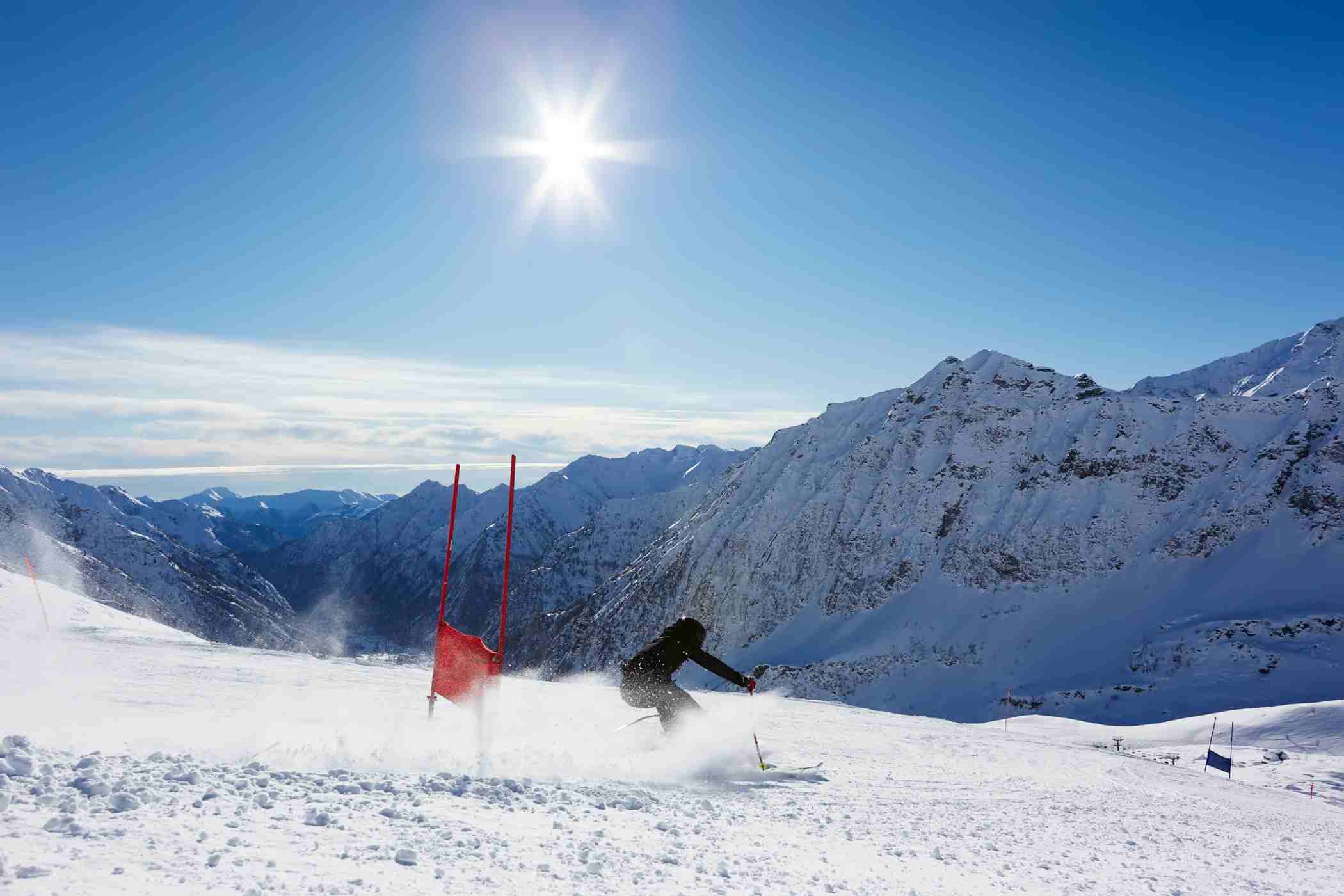
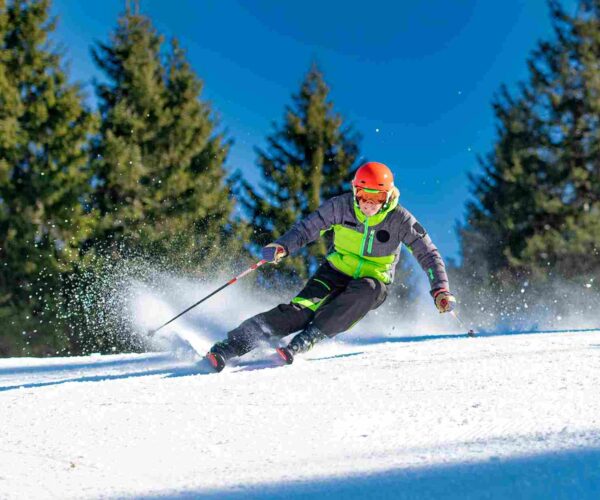
Experts often tackle moguls, black diamond slopes, and backcountry runs. Precision and technical mastery are key at this level.
Terrain and Speed
Snowboarding
Powder and freeriding terrains are a snowboarder’s dream. However, icy slopes can still pose challenges.
Skiing
Steep inclines and high-speed runs are more manageable for skiers due to their ability to control each leg independently.
Injury Risks
Snowboarding
Risks increase with advanced tricks and freeriding in difficult conditions. Falling from a height or tumbling on hard snow.
Skiing
Long, technical runs can strain knees, making exercises and conditioning crucial.
Skiing vs Snowboarding – What can hold you back?
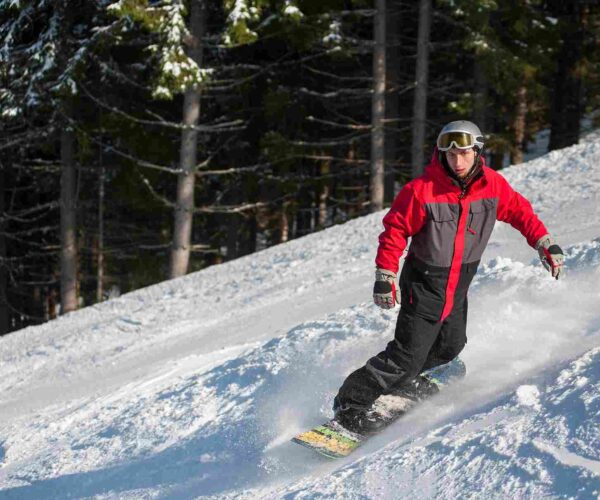
Even with enthusiasm and determination, some common challenges can make learning snowboarding or skiing harder than it needs to be.
Wrong Gear
The importance of proper equipment can’t be overstated—poorly fitted or unsuitable gear can make either sport unnecessarily difficult and even unsafe.
Snowboarding
Ill-fitting boots are a common culprit for beginners struggling with snowboarding. Boots that are too loose can lead to instability, while overly tight ones cause discomfort and restrict movement.
Bindings that don’t suit your stance or aren’t properly adjusted can throw off your balance, making it harder to stay upright. Always get professionally fitted gear and check that everything is correctly adjusted before hitting the slopes.
Skiing
Skis that are too long, too short, or poorly maintained can make controlling your movements a nightmare. For beginners, ski edges that haven’t been sharpened properly can cause slips on icy patches, while incorrect binding settings increase the risk of injury.
Renting from a reputable ski shop and asking for guidance on the right size and type of skis is crucial. Don’t forget to ensure your ski boots fit snugly without pinching, as discomfort will quickly ruin your day on the slopes.
Fitness Levels
Both snowboarding and skiing demand a certain level of physical fitness, and being underprepared can make learning far more challenging.
Snowboarding
This sport heavily relies on your core strength for balance and control, as well as lower-body endurance to maintain posture during turns and descents. If your core and leg muscles aren’t used to working in these ways, you may find yourself quickly fatigued.
Incorporating exercises like squats, lunges, and balance drills into your routine before your trip can significantly improve your experience.
Skiing
Skiing requires strong legs and good overall stamina. Long runs, consistent turning, and the use of poles all add to the physical demands.
Cardiovascular fitness is also key—if you’re out of breath after a few minutes, it will be difficult to enjoy the sport. Activities like cycling, jogging, or stair climbing are excellent ways to prepare for the slopes.
Lack of Lessons
Learning to snowboard or ski without professional instruction might seem tempting to save money, but it’s a shortcut to frustration.
Snowboarding
Beginners often struggle to understand how to balance properly on the board or how to use their edges without guidance.
A professional instructor can teach you the correct techniques to turn, stop, and stay upright, making your progress far smoother and safer.
Skiing
Without lessons, beginners often rely on instinct, which can lead to bad habits like leaning too far back or using poles incorrectly. These habits become hard to break and may limit your ability to progress.
Lessons will not only help you master the basics faster but also instil confidence and good form.
Mental Blocks
Your mindset plays a huge role in how quickly and comfortably you pick up snowboarding or skiing. Fear and hesitation are common among beginners but can be managed with patience and practice.
Snowboarding
The fear of falling or catching an edge is a significant mental hurdle for many beginners. Falls are inevitable, but with proper protective gear like wrist guards and padded clothing, they don’t have to be painful or scary.
Accepting falls as part of the process and focusing on small victories—like mastering a single turn—can help build confidence.
Skiing
Speed and steep slopes can intimidate new skiers, especially when they feel out of control. Gradual exposure to more challenging terrain is the best way to overcome this fear.
Start on gentle, wide runs and practice stopping confidently before attempting steeper slopes. Positive reinforcement from instructors or ski buddies can make a world of difference in building self-assurance.
Final verdict: Which is harder?
• Beginners: Snowboarding is harder to start but easier to master after the first few days. Skiing feels more intuitive but requires more time to refine techniques.
• Intermediates: Snowboarding progression is often quicker, while skiing becomes more technical at this stage.
• Experts: Both sports offer unique challenges, depending on your goals and terrain preferences.
Ultimately, the choice between snowboarding and skiing depends on personal preference, fitness, and what you enjoy most. Why not try both and see which one suits you?
Whatever you choose, remember: the slopes are for fun—so embrace the falls, enjoy the adventure, and make the most of the mountain!
Get Winter Sports Insurance from SportsCover Direct
SportsCover Direct’s Winter Sports policies provide worldwide cover and include tailored policies for skiing travel insurance, snowboarding travel insurance and over 500 other sports. Our travel insurance offers cover medical costs in case of an emergency, so that’s one less thing to worry about if you do happen to have a mishap on the slopes. There are also options for financial protection if your trip is cancelled.
If you already have travel insurance, our bolt-on product protects you for winter sports. Meanwhile, our Sports Accident Insurance is designed to give cover for personal liability and income protection.
Read more about your options and get an instant quote tailored to you.
This blog has been created as general information and should not be taken as advice. Make sure you have the correct level of insurance for your requirements and always review policy documentation.