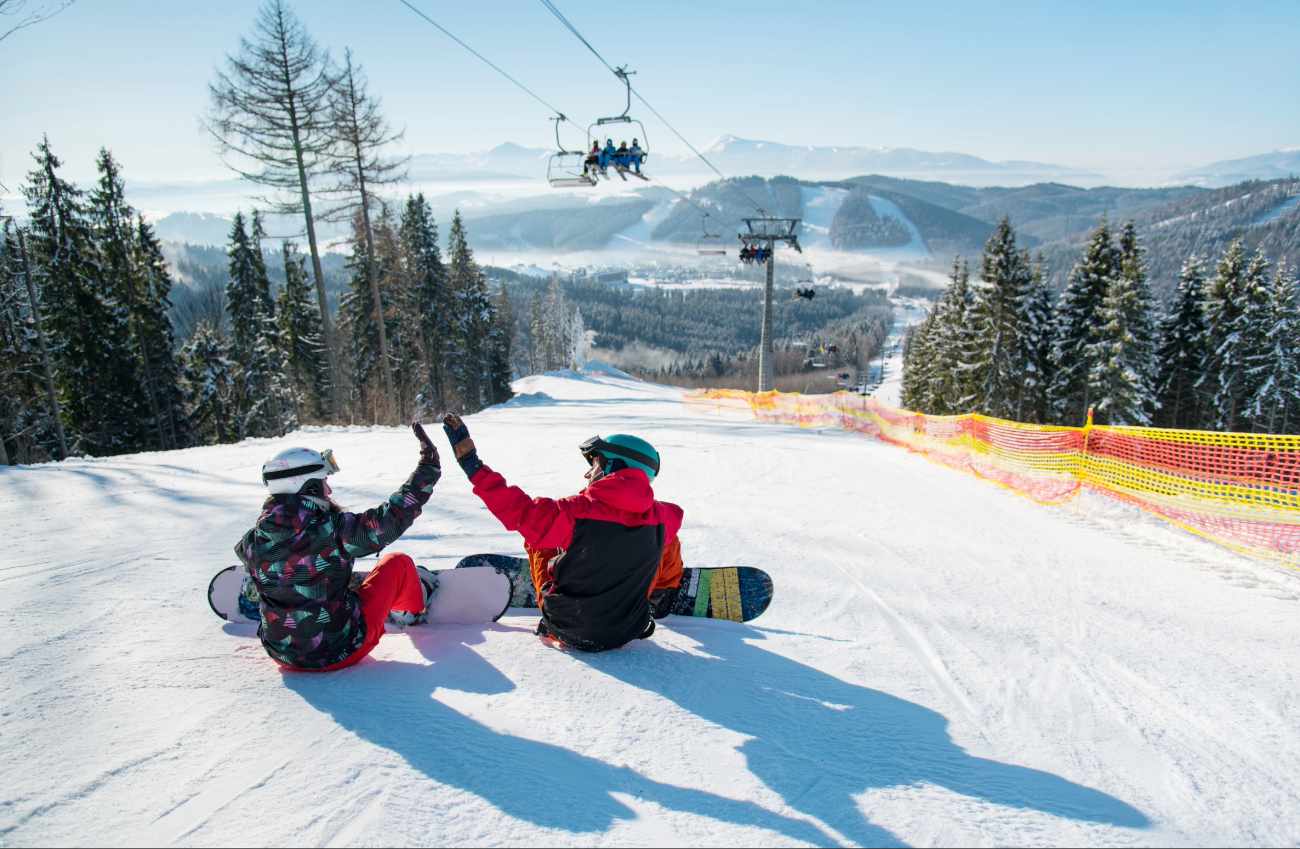



For some, summer is golf weekend season.
Longer days, firmer fairways and the chance to spend a few days away with friends make it one of the highlights of the golfing calendar. But if you’ve been nominated as the organiser, you’ll know a golf weekend involves far more than simply booking a tee time and hoping for sunshine.
This year, planning ahead may be more important than ever. With ongoing travel disruption affecting some traditional overseas golf destinations, including Turkey, Cyprus and Greece, many golfers are choosing to stay closer to home.
At the same time, industry reports (Golf Tourism England) suggest demand for UK golf breaks continues to grow, as golfers look for accessible, reliable destinations that offer great courses without the uncertainty of travelling abroad.
The result? More competition for popular golf resorts, accommodation and weekend tee times throughout the summer.
If you’re planning a golf trip this summer, preparation is obvious, but a few crucial tips can save a lot of stress later. Getting organised and ahead of the crowd will help keep everyone happy – including you!
A quick read golf weekend checklist…
Before you hit the road, here are some pointers to follow:
✓ Agree a budget
✓ Confirm who’s actually coming
✓ Choose a destination & golf courses
✓ Book accommodation
✓ Secure tee times
✓ Organise transport
✓ Plan for the weather
✓ Check golf equipment
✓ Confirm evening plans
✓ Share the itinerary
Here are 10 tips to help you plan the perfect golf weekend this summer.
1. Pick the destination & the golf courses
Popular golf weekend destinations
The UK is fortunate to have some of the world’s best golf destinations on its doorstep. The right choice for your group will depend on budget, travel time and the type of weekend you’re looking for.
Here are some of the most popular regions for a golf weekend for a bit if inspiration.
North West – Lancashire’s Golf Coast
Often described as England’s answer to Scotland’s famous golf regions, Lancashire’s Golf Coast boasts more than a dozen courses within a relatively short stretch of coastline.
The area is home to some of England’s finest links golf, including:
- Royal Birkdale
- Royal Lytham & St Annes
- Formby Golf Club
- Hillside Golf Club
Golfers are drawn to the quality and concentration of courses, while nearby Southport offers plenty of accommodation, restaurants and nightlife for groups looking to make a weekend of it.
North East – Northumberland
Northumberland is one of the UK’s most underrated golfing destinations.
The region combines dramatic coastline, excellent value and far fewer crowds than some of the country’s more famous golf hotspots.
Standout courses include:
- Goswick Golf Club
- Dunstanburgh Castle Golf Club
- Alnmouth Golf Club
With castles, beaches and market towns nearby, it offers plenty to enjoy away from the course as well.
South East – Home Counties
If your group is based in or around London, the Home Counties offer a huge selection of golf courses without requiring a lengthy journey.
Counties such as Surrey, Berkshire and Hertfordshire are packed with prestigious golf clubs, including:
- The Berkshire Golf Club
- Sunningdale Golf Club
- The Addington Golf Club
While accommodation can be more expensive than other regions, the convenience is difficult to beat.
South East – Kent & The South Coast
Kent is often overlooked despite offering some of the best links golf in England.
The region’s standout venues include:
- Royal St George’s Golf Club
- Prince’s Golf Club
- Royal Cinque Ports Golf Club
The concentration of championship links courses makes this one of the strongest golf destinations in the country, while coastal towns provide plenty of options for food, drinks and accommodation.
Scotland – East Lothian
If there is a gold standard for golf weekends, East Lothian is probably it.
Located just outside Edinburgh, the region boasts more than 20 courses within a relatively small area and some of the most famous links golf in the world.
Highlights include:
- Muirfield
- North Berwick Golf Club
- Gullane Golf Club
Add Edinburgh’s restaurants, pubs and nightlife into the mix and it’s easy to see why so many golfing groups return year after year.
2. Matching the golf to the group

One of the biggest mistakes golf weekend organisers make is choosing courses based purely on reputation or rankings.
A course that’s ranked highly isn’t necessarily the right fit for your group.
For example, a challenging links course with deep bunkers, firm fairways and strong coastal winds can be an unforgettable experience for low-handicap golfers, but it may prove frustrating for less experienced players. Equally, a well-presented parkland course can often provide a more enjoyable day for mixed-ability groups.
When selecting courses, think about:
- Average handicaps within the group
- How competitive the trip is likely to be
- Walking difficulty and course terrain
- Whether players are used to links or parkland golf
- The balance between challenge and enjoyment
The most successful golf weekends aren’t always played on the most famous courses. They’re played on courses that everyone enjoys and wants to play again.
3. Set a friendly budget
One golfer’s budget golf weekend is another golfer’s luxury holiday.
Before the group chat fills with links and suggestions, agree a rough budget. It’s one of the quickest ways to eliminate unsuitable options and avoid awkward conversations later.
As a rough guide:
Budget Golf Weekend
£200-£350 per person
Typically includes:
- One night’s accommodation
- One or two rounds of golf
- Shared travel costs
- Meals at local pubs or restaurants
Mid-Range Golf Weekend
£350-£600 per person
Typically includes:
- Two nights away
- Better accommodation
- Premium courses
- Resort packages
Premium Golf Weekend
£600-£1,000+ per person
Typically includes:
- Luxury golf resorts
- Championship courses
- Fine dining
- Spa facilities and extras
Overseas Golf Weekend
£800-£1,500+ per person
Typically includes:
- Flights
- Transfers
- Resort accommodation
- Golf packages
One of the easiest questions an organiser can ask is:
“Are we thinking £300, £500 or £1,000 per person?”
People usually find it much easier to agree on a budget than they do on a destination.
4. Book tee times earlier than you think

Summer weekends are the busiest period of the golfing year, and prime tee times disappear quickly.
That’s becoming even more noticeable as participation continues to grow. The latest figures from the R&A (May 2026) show golf participation in the UK increased by 5% between during 2025 and continues to rise, meaning more golfers are competing for the same weekend tee times.
For organisers, that means leaving bookings until the last minute can significantly reduce your options, particularly at popular golf destinations and resort courses.
This becomes even more important when you’re organising a larger group.
Finding consecutive tee times for eight, twelve or sixteen golfers can be challenging, especially if you’re hoping to play at a specific time.
When booking, consider:
- Consecutive tee times for the whole group
- Buggy availability
- Practice facilities
- Group discounts or stay-and-play packages
The earlier you book, the more flexibility you’ll have. You might be an early bird, but convincing the group that a 7:04am Sunday tee time was the best option available may be a tougher sell.
5. Sort Accommodation
Accommodation is often where golf groups discover they have very different priorities.
Some golfers want:
- A luxury golf resort
- Spa facilities
- Full breakfast
- Comfortable beds
Others simply want:
- A clean room
- A nearby pub
- Somewhere to charge their phone
The reality is that location usually matters more than luxury. Being close to the golf course and evening plans often contributes more to a successful weekend than upgraded rooms.
6. Plan how everyone is getting there
Travel arrangements become surprisingly complicated once golf clubs are involved.
Four adults can comfortably fit into a car. Four adults, four golf bags, four overnight bags and a trolley or two is a completely different calculation.
Before travelling, think about:
- Car sharing arrangements
- Train travel logistics
- Taxi requirements
- Parking availability
- Transport between venues
The smoother the travel arrangements, the more relaxed everyone will be when the weekend begins.
7. Consider golf clubs & security

Golf clubs are often the most valuable items being taken on a golf weekend, so it’s worth spending a few minutes thinking about equipment before everyone sets off.
A modern set of clubs, electric trolley, rangefinder and golf accessories can easily be worth several thousand pounds, so it’s sensible to have a plan for both transport and storage throughout the weekend.
Common risks to golf equipment
Most golfers don’t think about their clubs until something happens to them.
Some of the most common issues include:
- Theft from unattended vehicles
- Theft from golf clubs or locker rooms
- Accidental damage during transport
- Loss of equipment whilst travelling
- Clubs being left behind after a round
While nobody wants to spend their golf weekend thinking about golf insurance, it’s worth making sure everyone understands what protection they have in place before travelling.
It’s also worth noting any conditions that may apply. For example, leaving golf clubs unattended in a car, overnight or in plain sight may invalidate a claim under some policies.
Hopefully nobody needs to make a claim, but checking cover before the trip is far easier than discovering a problem afterwards.
8. Prepare for whatever the weather decides to do
British summers remain wonderfully unpredictable.
You can experience sunshine, wind and heavy rain within the same round of golf.
A weather forecast will give you some idea, if you’re in for a heatwave, but before you travel, make sure you’ve packed for:
- Warm weather
- Wet weather
- Cool evenings
- Windy coastal conditions
A lightweight waterproof and a bottle of suncream might seem like an odd combination, but experienced golfers know both are often needed during the same weekend.
9.Easy things to forget
As the departure date approaches, attention naturally shifts towards the golf and social plans.
This is also the perfect time to check the practical details.
Take a few minutes to confirm:
- Tee times
- Room arrangements
- Restaurant reservations
- Travel arrangements
It’s also worth checking whether everyone has suitable golf insurance in place.
Golf weekends often involve travelling with valuable clubs, trolleys and accessories, staying away from home and moving between multiple venues. Checking equipment is protected against theft, accidental damage or loss may not be the most exciting part of planning a trip, but it’s far better than dealing with a problem after the event.
10. Remember why you’re going
It’s easy to become obsessed with schedules, bookings and logistics.
But the best golf weekends are rarely perfect.
Someone will lose golf balls.
Someone will be late.
Someone will miss a putt they’ll still be talking about at Christmas.
You’re reward for your efforts is to spend time with friends, play some great golf and create a few stories you’ll still be laughing about next year.
Before you go on your summer golf break…
Organising a golf weekend can sometimes feel like managing a small sporting event. Between budgets, bookings, travel plans and group logistics, there’s plenty to think about.
Start early, keep communication simple and expect a little chaos along the way.
And if you’re the organiser, don’t be afraid to remind everyone who spent weeks making it happen when it’s time to order the first round.
And last question…
Has everyone got the golf insurance they need?
With valuable equipment travelling between courses, hotels and vehicles throughout the weekend, having the right cover in place can help protect both your clubs and your wallet, leaving you free to focus on the golf.
Find more about golf insurance from SportsCover Direct.
Sources
This blog has been created as general information and should not be taken as advice. Make sure you have the correct level of insurance for your requirements and always review policy documentation.