

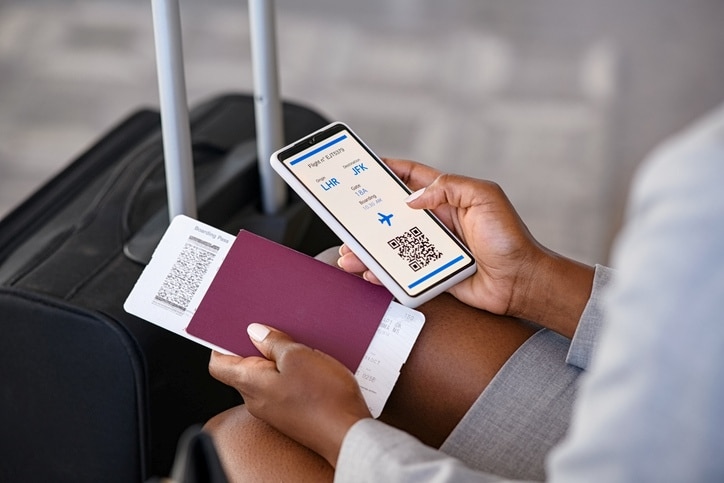
Losing your passport abroad is one of the quickest ways to derail a trip. Whether it’s been stolen, misplaced, or accidentally left behind, being without your passport can affect everything from checking into flights to proving your identity.
It’s also more common than many travellers realise. More than 83,000 UK passports were reported lost or stolen abroad over a five-year period, according to 2024 research by Confused.com.
The good news is that if your British passport is lost abroad, there is a clear process to follow. Acting quickly and knowing what to expect can make the situation far more manageable.
First things first: check it’s really lost
Before taking further steps, it’s worth slowing down and double-checking your surroundings. In many cases, a lost passport while abroad turns out to be misplaced rather than permanently gone.
Think back through your recent movements – hotels, restaurants, taxis, or airport security trays. Hotel reception desks and lost property services are often the best place to start, as passports are regularly handed in.
If you’ve checked thoroughly and still can’t locate it, it’s time to treat the situation as a passport lost abroad and act quickly.
Step 1: Report your lost passport
Once you’re sure your passport is missing, reporting it should be your top priority. This not only starts the replacement process but also helps protect you from potential identity fraud.
You’ll need to report the loss online and contact your nearest embassy or consulate. If you believe your passport was stolen, you should also report the incident to the local police and request a written report.
This step is important because it creates an official record of your lost UK passport abroad, which may be required for both replacement documents and insurance claims. The UK Foreign, Commonwealth & Development Office can guide you through what to do based on your location.
Step 2: Apply for an Emergency Travel Document (ETD)
If your passport is lost abroad, you won’t be able to travel internationally until you have a replacement. For most UK travellers, this means applying for an Emergency Travel Document (ETD).
An ETD is a temporary document that allows you to complete your journey. In most cases, it’s issued for a single trip, usually to return to the UK.
To apply, you’ll typically need to provide:
- A completed application
- A passport photo
- Proof of identity (if available)
- Details of your travel plans
Processing times vary depending on where you are, but many are issued within a couple of days. However, delays can happen, particularly during busy travel periods or in locations with limited consular services.
Step 3: Adjust your travel plans
Losing your passport often means accepting that your original plans may change. Even with a fast ETD turnaround, you may need to rearrange parts of your trip.
This could involve rebooking flights, extending your accommodation, or reorganising onward travel. If you’re travelling on a tight schedule, especially for events or activities, this disruption can be significant.
The key here is flexibility. The sooner you begin making alternative arrangements, the easier it will be to manage the situation and avoid additional stress.
Step 4: Contact your travel insurance provider
At this stage, it’s important to notify your travel insurance provider as soon as possible. A lost passport abroad can lead to a range of unexpected costs, and this is where insurance becomes particularly valuable.
Many policies can help cover:
- Emergency document replacement fees
- Additional accommodation costs
- Travel delays or rebooking expenses
If you’re travelling for sport, specialist sports travel insurance may offer broader protection tailored to your trip, including disruption to planned activities.
It’s always worth reviewing your policy wording carefully, as coverage limits and conditions can vary.
Step 5: Apply for a replacement passport once home
An Emergency Travel Document is only intended for temporary travel. Once you return to the UK, you’ll need to apply for a replacement passport as soon as possible.
You can do this online through the UK government website. You’ll usually need to complete a standard passport application, provide updated photographs, and pay the relevant replacement fee.
Processing times can vary depending on demand, so it’s worth applying quickly if you have future travel planned.
How losing your passport can affect your trip
A lost passport abroad can have a wider impact than many travellers expect. Beyond the immediate inconvenience, it may disrupt ongoing travel plans, delay return journeys, and create additional unexpected costs.
For example, travellers moving between multiple countries may face issues with visas, border entry requirements, or onward transport bookings. Pre-arranged tours, activities, and events can also be affected if travel delays force changes to your itinerary.
For sports and activity-based trips, the disruption can be even more significant. Missing a competition, training camp, or scheduled experience may lead to financial losses as well as disappointment, particularly if bookings are non-refundable.
This is why having suitable travel insurance and a contingency plan in place before travelling can make a substantial difference if something goes wrong.
How sports travel insurance can help
If your trip revolves around sport or activities, losing your passport can have wider consequences than a standard holiday. Travel delays may mean missed events, cancelled bookings, or lost participation fees.
Sports travel insurance is designed with these scenarios in mind. In addition to standard cover, it can help with:
- Disruption to pre-booked sporting activities
- Additional travel and accommodation costs
- Access to emergency assistance while abroad
This added level of protection can make a difficult situation far easier to manage, especially when your plans are time-sensitive.
Final thoughts
A lost passport abroad is never ideal, but it’s far from the end of your trip. With the right approach, you can resolve the situation and get home safely.
The most important things are to act quickly, follow the correct steps, and make use of the support available, whether that’s from the UK Foreign, Commonwealth & Development Office or your insurance provider.
And while no one expects to lose their passport, being prepared with the right cover, particularly for sports travel, can give you peace of mind when you need it most.
Get peace of mind with Sports Travel Insurance
Losing your passport abroad can quickly turn a great trip into a stressful situation, especially if you’re travelling for sport or activities with fixed schedules. Sports travel insurance can provide an extra layer of reassurance, helping cover unexpected costs such as travel delays, additional accommodation, emergency document replacement and disrupted plans.
SportsCover Direct’s sports travel insurance is designed for travellers taking part in sports overseas. With cover available for over 500 sports, policies can include protection for cancelled or curtailed trips, medical and repatriation expenses, and travel disruption caused by unforeseen events like a lost passport abroad.
Read more about our cover options and get a quote online before your next trip.
This blog has been created as general information and should not be taken as advice. Make sure you have the correct level of insurance for your requirements and always review policy documentation.