


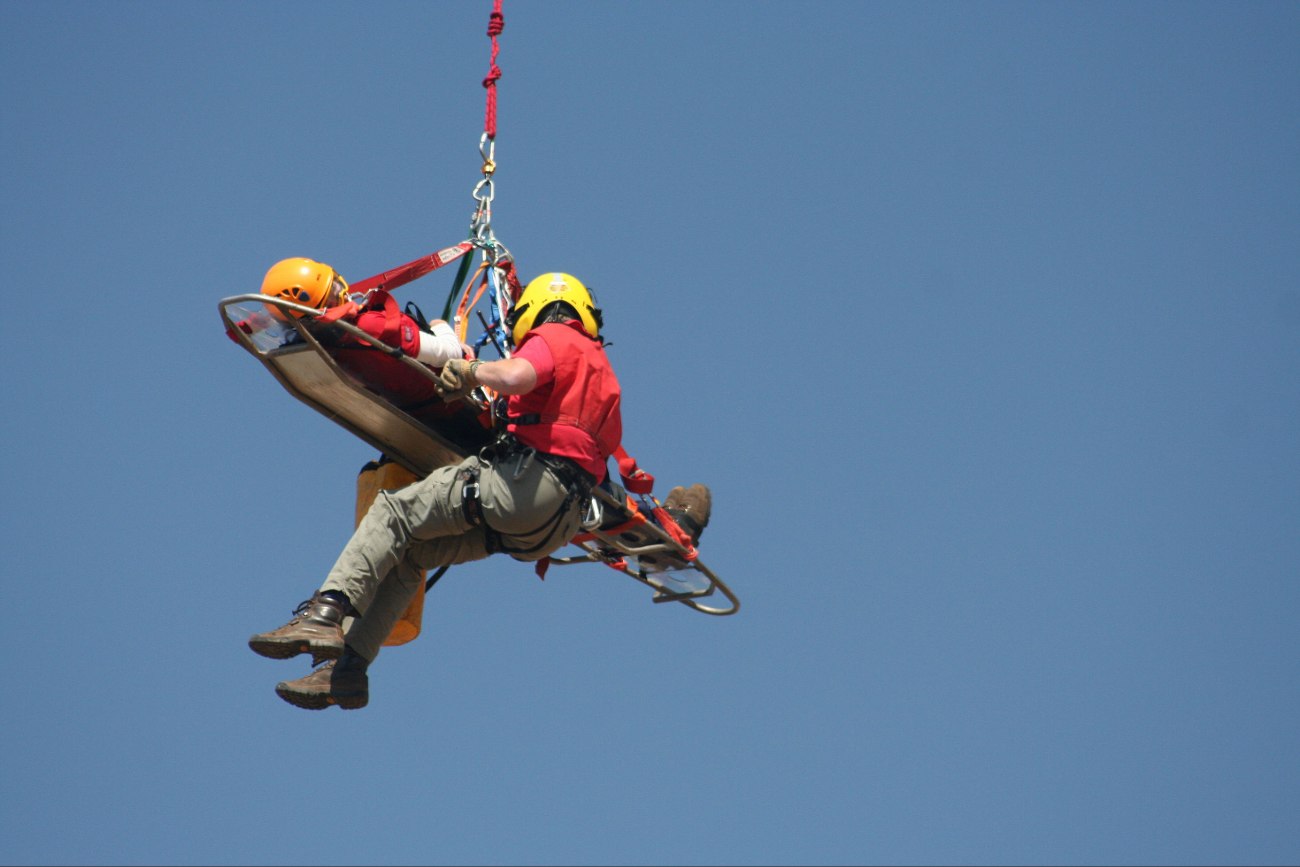
Breaking a bone on holiday is not how anyone plans to end a trip.
Whether it’s a fractured wrist from skiing in Austria, a broken collarbone from cycling in Spain, or a leg injury after a hiking fall in the Alps, many active travellers find themselves facing the same urgent question: Can you fly home with an injury?
In most cases, yes – but it depends on the type of injury, whether you’ve had surgery, how long ago the injury occurred, and whether you’re medically considered “fit to fly”.
This guide explains everything you need to know about flying after an injury abroad, including broken bones, surgery recovery, reduced mobility, airport assistance, luggage concerns, and airline medical clearance.
What does “Fit to Fly” actually mean?
This might vary between airlines, but often, yes.
Most airlines require:
- A doctor’s letter confirming fitness to travel
- A completed airline medical form (often called a MEDIF form)
- Details of surgery or hospital treatment
- Information about mobility limitations
Always check directly with your airline before travelling.
Do you need a fit to fly certificate?
When you ski, you’re stepping into a fast-moving, cold, and unpredictable mountain environment. You’re exposed to freezing temperatures, wind chill, hard snow surfaces, changing visibility, and other skiers, all while moving downhill at speed.
The clothing and equipment you choose aren’t just about comfort. They’re your protection against injury, weather exposure, and loss of control. Each item plays a specific role in keeping you safe, warm, and confident on the slopes.
How soon after surgery can you fly?
This is one of the most common questions from injured travellers. While exact timelines depend on individual circumstances, general guidance often includes:
- Minor surgery under general anaesthetic: usually wait at least 7–10 days
- Major orthopaedic surgery (e.g. leg fracture repair): often 10–14+ days
- Simple fracture in a cast (no surgery): sometimes 24–48 hours if the cast is split
- Chest injuries or lung complications: often longer delays
*Timings are based on general guidance, always consult your doctor for specific situations, as they don’t account for individual requirements.
Why the wait?
Flying increases the risk of:
- Swelling
- Compartment syndrome (if in a full cast)
- Deep Vein Thrombosis (DVT)
- Post-operative complications
Always follow the advice of your treating doctor and confirm with your airline and travel insurer before booking your return flight.
Flying with a broken leg
A broken leg is one of the most complex injuries when it comes to flying home after an accident abroad. Unlike injuries to the upper body, leg fractures affect your mobility, circulation, and ability to sit comfortably during a flight.
For active travellers injured skiing, cycling, hiking, or taking part in adventure sports, leg injuries are among the most common serious injuries treated abroad.
The type of fracture you have and how it has been treated can significantly affect whether you are considered fit to fly and how soon you can travel.
Common types of leg fractures travellers experience
Not all leg fractures are the same, and the type of injury, along with how it has been treated, can affect whether you are able to fly and what support you may need during your journey.
Some of the most common leg injuries experienced on active holidays include:
Tibia fractures (shin bone) – One of the most common skiing and snowboarding injuries. These often require surgery using rods or plates to stabilise the bone.
Fibula fractures – Breaks in the smaller bone of the lower leg. These may sometimes be treated with a cast or walking boot but can still limit mobility.
Ankle fractures – Frequently caused by hiking, climbing or watersports accidents. These injuries often require surgery and a period of non-weight bearing.
Femur fractures (thigh bone) – Less common but more serious injuries that almost always require surgery and a longer recovery before flying is considered safe.
Regardless of the exact fracture, injuries affecting the lower limb can make flying more complicated because they limit mobility and increase the risk of swelling and circulation problems during a flight.
Why flying with a broken leg requires extra care
Air travel can place additional stress on the body following a fracture. Changes in cabin pressure and prolonged sitting increase the risk of swelling and circulation problems.
Key concerns include:
- Swelling during flight due to reduced cabin pressure
- Limited ability to move, particularly in a full leg cast
- Higher risk of blood clots (Deep Vein Thrombosis)
- Inability to elevate the leg in standard aircraft seating
- Navigating the airport on crutches or with restricted mobility
Swelling is one of the biggest concerns. When a limb is in a full cast, swelling can create dangerous pressure inside the cast. For this reason, airlines often require a full cast to be split (bivalved) before flying, allowing room for expansion during the flight.
Your treating doctor should advise whether your cast needs to be modified before travelling.
Seating considerations when flying with a broken leg
Standard airline seating can be challenging when you cannot bend your knee or keep your leg comfortably positioned.
Depending on the injury, you may need:
- Extra legroom seating to allow the leg to extend
- A bulkhead seat with more space in front
- An aisle seat so you can move more easily
- Assistance boarding and disembarking
In some situations, particularly if the leg cannot bend at all, airlines may require multiple seats to allow the leg to remain extended.
For severe injuries, particularly long-haul flights, medical teams may recommend special seating arrangements or medical repatriation rather than standard economy seating.
Flying with a broken arm or shoulder
Upper limb injuries are usually easier to manage when flying, but they still present practical challenges.
Common issues
- Lifting cabin bags into overhead lockers
- Pulling wheeled luggage
- Opening heavy airport doors
- Managing seatbelts and tray tables
- Coping with turbulence if movement is restricted
If you have a sling or shoulder immobiliser, avoid lifting anything heavy. Airport staff can assist, and most UK airports offer free special assistance if booked in advance.
Flying after a back or spinal injury
Back injuries and spinal compression fractures can present additional challenges when travelling home after an accident abroad. Even when the injury does not require surgery, back and spinal injuries can make long periods of sitting uncomfortable or painful.
Travellers may also be advised to limit movement, wear a brace, or avoid twisting and bending, all of which can make navigating an airport and sitting on a flight more difficult.
Because of this, flying after a back or spinal injury often requires more careful planning than other types of fractures. Thinking ahead about seating, mobility assistance and pain management can make the journey significantly more manageable.
The main concerns are:
- Ability to sit upright for extended periods
- Pain management
- Limited mobility increasing DVT risk
- Seat comfort and lumbar support
You may need:
- Extra cushioning
- A seat with additional space
- Pre-boarding to settle comfortably
- Wheelchair assistance to minimise walking
If mobility is significantly reduced, medical clearance is essential before travelling.
The Spinal Association provides more details guidance.
Reduced mobility: Getting through the airport
For many injured travellers, the airport is more daunting than the flight itself.
Can you get airport assistance in the UK?
Yes. Under UK equality legislation, airports must provide free assistance for passengers with reduced mobility.
This includes:
- Wheelchair support
- Assistance through security
- Help with boarding and disembarking
- Transport between gates
- Use of ambulift vehicles if stairs are involved
- Assistance should be booked at least 48 hours in advance through your airline.
- Allow extra time on travel day, as mobility support can add to your journey duration.
Managing luggage after an injury
One of the biggest risks after surgery or fracture repair is re-injury caused by lifting heavy luggage.
Practical Tips
- Travel as light as possible
- Use wheeled cases if you have a leg injury
- Use a backpack if you have one functioning arm
- Do not lift cabin baggage into overhead lockers
- Ask airline staff or fellow passengers for assistance
- Consider shipping bulky items home
Many people underestimate how physically demanding airports can be. Plan conservatively.
When you might not be able to fly commercially
Although most injured travellers can return on a standard flight, there are exceptions.
Commercial flying may not be possible if:
- You have unstable fractures
- You’ve had very recent major surgery
- You cannot sit upright
- You require oxygen support
- There is high risk of complications
In these cases, you may require medical repatriation.
What is Medical Repatriation?
Medical repatriation is the organised return of an injured traveller to their home country so they can continue treatment closer to home. It is usually arranged through a travel insurance provider or medical assistance company, working with the treating doctors abroad.
Stretcher seating on a commercial flight
If a passenger cannot sit upright but is otherwise stable, airlines can sometimes convert several seats into a stretcher space, allowing the traveller to lie flat during the flight. A medical escort may accompany them.
Medical escort on a standard seat
Some travellers can sit in a normal seat but require medical supervision during the flight. A nurse, paramedic, or doctor may accompany the passenger to monitor their condition and assist if needed.
Air ambulance transport
For more serious injuries, an air ambulance may be required. These specialist aircraft are equipped with medical equipment and staffed by trained medical teams, allowing patients to lie flat and receive continuous care during the journey.
How repatriation is arranged
Repatriation is usually coordinated by your travel insurer’s emergency assistance team, who assess your condition and arrange the safest way for you to return home. It is relatively uncommon but may be necessary for complex fractures, spinal injuries, or severe trauma.
Insurance considerations travelling with an injury
If your injury occurred during skiing, cycling, mountaineering, watersports, or other adventure activities, check your travel insurance policy carefully.
Key questions:
- Was the activity covered?
- Was it declared?
- Does the policy cover medical repatriation?
- Does it cover upgraded seating if medically necessary?
- Are additional flight costs included?
Never assume cover, confirm in writing before making arrangements.
Protect yourself and your gear with Sports Travel Insurance
If you’re participating in sports abroad, a sports travel insurance policy can provide that extra layer of reassurance, covering medical expenses, emergency evacuations and cancellations. Having the right cover means you can enjoy the action, soak up the atmosphere and focus on the sport you love without the worry of unforeseen setbacks.
SportsCover Direct’s sports travel insurance has two policy options to suit your needs. Our sports travel insurance offers cover for over 500 sports while overseas, whether for leisure or competition. It includes medical and repatriation costs, cancelled and curtailed trips, and more. If you have an existing policy with another provider that doesn’t cover your chosen sport, you can opt for our sports travel insurance bolt-on policy.
Read all about it and get a quote online.
Sources:
https://www.spinal.co.uk/twc-resource-hub/information-sheets/air-travel-at-the-airport/
This blog has been created as general information and should not be taken as advice. Make sure you have the correct level of insurance for your requirements and always review policy documentation.