


Embarking on the journey to become an Ironman triathlete can be both exhilarating and daunting, especially for beginners. Fundamentally you need to understand the core disciplines of swimming, cycling, and running in an Ironman event to the unique challenges and rewards that come with crossing the finish line.
In this guide, we aim to shed more light on the world of Ironman Triathlon, providing novice athletes with the essential knowledge and insights needed to kickstart their Ironman adventure. We’ll explore the allure of international Ironman experiences, offering tips for planning and preparing for an Ironman challenge abroad. Whether you’re a seasoned runner looking to transition into triathlons or a newcomer to endurance sports, our guide aims to provide some tips and inspiration to pursue your Ironman dreams with confidence and determination. Your training starts here.
Understanding Ironman Triathlon: Distances and Disciplines
For fitness enthusiasts looking to venture into the realm of Ironman Triathlon, understanding the disciplines and distances involved is crucial for effective training and preparation. An Ironman Triathlon consists of three disciplines: swimming, cycling, and running, each demanding its own set of skills and endurance. Let’s take a closer look at all three:
Swimming
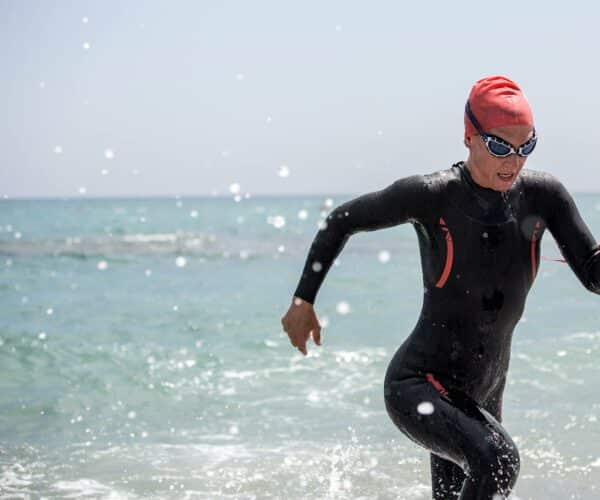
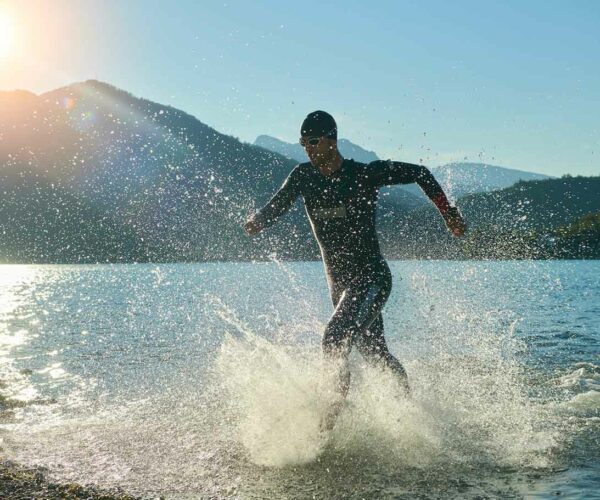
The swimming portion of an Ironman usually takes place in open water, such as a lake or sea. Participants must swim a total distance of 2.4 miles (3.86 kilometres). For beginners, mastering efficient swimming techniques and building endurance in the water are essential to tackle this challenging leg of the race.
Cycling
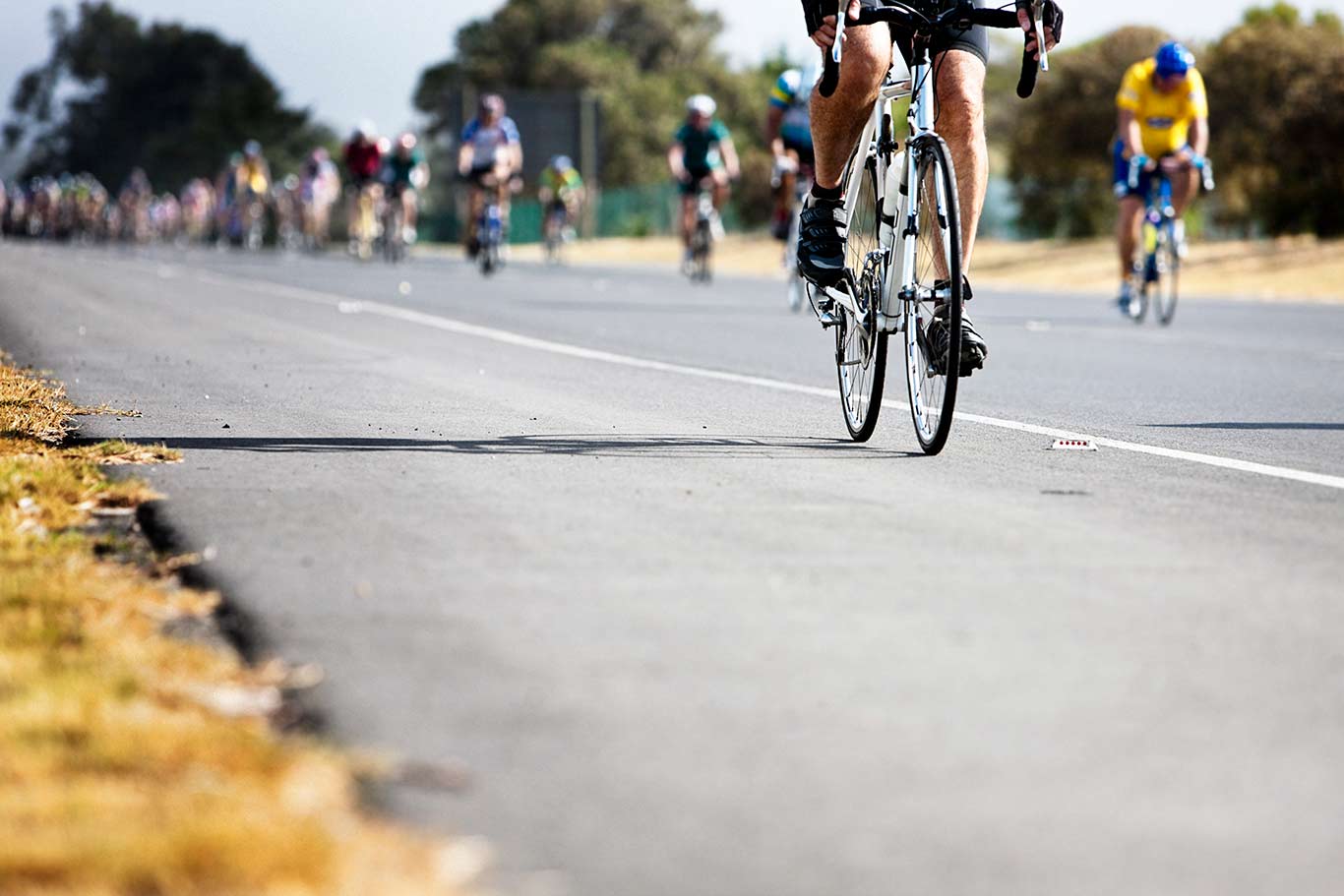
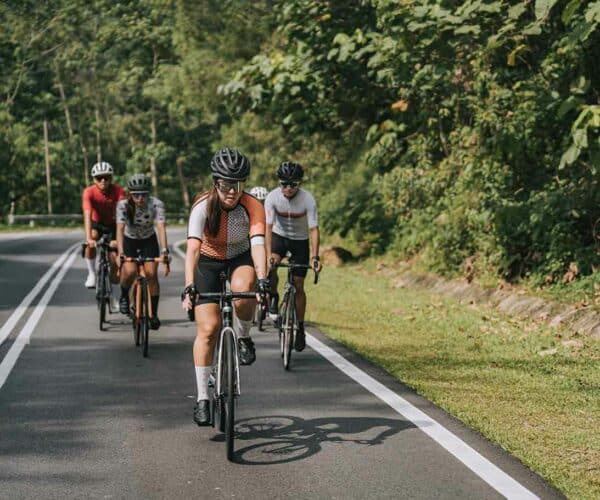
Following the swim, athletes transition to the cycling segment, where they cover a total distance of 112 miles (180.25 kilometres) on a bike. The cycling course often traverses varied terrain, including hills and flat stretches. Beginners should focus on building leg strength, mastering bike handling skills, and familiarising themselves with proper nutrition and hydration strategies to sustain energy levels throughout the ride.
Running
The final leg of an Ironman is a full marathon, requiring participants to run 26.2 miles (42.2 kilometres). Running a marathon after swimming and cycling presents a significant physical and mental challenge. Novice Ironman athletes should focus on gradually increasing their running mileage, incorporating speed and endurance workouts, and practicing pacing strategies to ensure they have the stamina to finish strong.
International Ironman Experiences
Kona, Hawaii, USA
Ironman Hawaii. Athletes endure challenging conditions, including strong ocean currents and intense heat, as they swim, bike, and run through the lava-strewn landscape. The breathtaking scenery of lava fields, palm-fringed beaches, and lush tropical forests provides a mesmerising backdrop for the ultimate test of endurance.
Cairns, Queensland, Australia
Cairns Ironman showcases the beauty of the Great Barrier Reef and the tropical rainforests of Far North Queensland. Participants swim in the warm waters of the Coral Sea, cycle along the scenic coastal roads, and run through lush rainforest trails. The vibrant atmosphere, friendly locals, and abundance of post-race activities make Cairns a popular choice for athletes seeking an unforgettable Ironman experience.
Barcelona, Spain
Ironman Barcelona offers athletes the opportunity to race in one of Europe’s most vibrant and cosmopolitan cities. The swim takes place in the Mediterranean Sea, providing a scenic backdrop of Barcelona’s coastline and iconic landmarks. Participants then embark on a flat and fast bike course through the Catalan countryside, followed by a run along the picturesque beachfront promenade.
Nice, France
Ironman France in Nice combines the beauty of the French Riviera with a challenging and scenic course. The swim takes place in the azure waters of the Mediterranean, with a backdrop of palm trees and sandy beaches. Cyclists tackle the famous climbs of the Côte d’Azur, including the Col de Vence, before descending back into Nice for the marathon run along the Promenade des Anglais.
Copenhagen, Denmark
Ironman Copenhagen offers a unique urban racing experience in the heart of Denmark’s capital city. Athletes swim in the clean and calm waters of Copenhagen Harbor, with panoramic views of the city skyline. The bike course winds through the picturesque countryside and charming coastal villages, while the run takes participants on a tour of Copenhagen’s historic landmarks and scenic waterfront.
The Challenges and Rewards of Ironman
Ironman Triathlon stands apart from other endurance events for several reasons, offering participants a truly unparalleled experience that pushes the boundaries of physical and mental endurance. Here, we delve into what sets Ironman apart and the profound impact it has on athletes:
Multidisciplinary Challenge
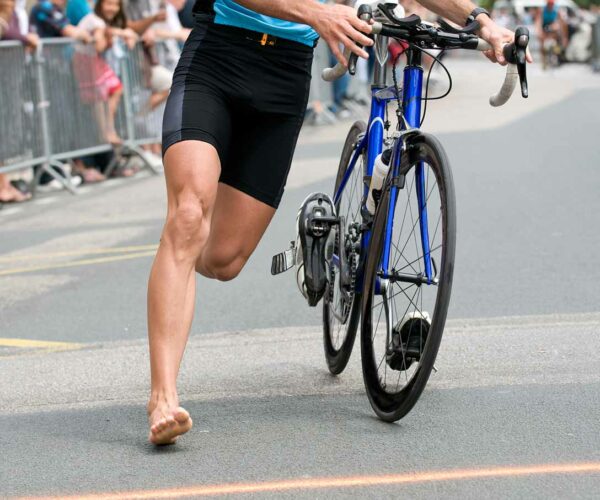
Unlike single-discipline endurance events such as marathons or cycling races, Ironman combines three demanding disciplines—swimming, cycling, and running—into one gruelling race. Participants must excel in each discipline while managing transitions, nutrition, hydration, and pacing strategies, making Ironman a multifaceted test of overall fitness and endurance.
Mental and Physical Challenges
Ironman tests not only the body but also the mind, as participants navigate through moments of doubt, pain, and exhaustion. Enduring hours of intense physical exertion requires mental resilience, focus, and the ability to push through discomfort and fatigue, often encountering unexpected obstacles along the way.
Sense of Accomplishment and Personal Growth
Crossing the finish line of an Ironman Triathlon is a transformative experience that transcends mere athletic achievement. Finishers experience a profound sense of accomplishment, having conquered a monumental challenge through perseverance, grit, and sheer determination. The journey to Ironman is as much about personal growth and self-discovery as it is about athletic performance, empowering participants to push beyond their perceived limits and unlock their full potential.
Tips for Ironman Novices

Structured Training Plans and Gradual Progression
Invest in a structured training plan tailored to your fitness level and goals, gradually increasing volume and intensity over time. Prioritise consistency and gradual progression to avoid burnout and reduce the risk of injury. Listen to your body, and don’t hesitate to adjust your training plan as needed based on how you feel.
Nutrition, Hydration, and Recovery During Training
Fuel your body with a balanced diet rich in carbohydrates, proteins, healthy fats, fruits, and vegetables to support training and recovery. Stay hydrated by drinking plenty of water throughout the day and replenishing electrolytes during workouts. Prioritise post-workout nutrition and recovery strategies, including refuelling with a combination of carbohydrates and protein, stretching, foam rolling, and adequate sleep.
Transitioning from Running to Triathlon
Start by incorporating swimming and cycling into your training routine gradually, focusing on building technique and endurance in each discipline. Seek guidance from experienced triathletes or coaches to improve your swim stroke, bike handling skills, and transition efficiency. Practice brick workouts (back-to-back sessions of cycling and running) to simulate the demands of race day and adapt to the unique challenges of triathlon racing.
Common Mistakes to Avoid for Beginners
Avoid the temptation to overtrain or ramp up mileage too quickly, as this can lead to injury and burnout. Don’t neglect recovery and rest days, as they are essential for allowing your body to adapt and grow stronger. Focus on quality over quantity in your workouts, prioritising proper form, technique, and consistency.
Motivation from Ironman Athletes
“IRONMAN is more than the world’s most challenging endurance event, IRONMAN is a lifestyle.” (Ironman YouTube channel)
Crossing the finishing line!
https://www.youtube.com/shorts/Sm57vWnYRWs
Battling the competition!
https://www.youtube.com/shorts/wDfovWj5z9c
Pure Inspiration!
https://www.youtube.com/watch?v=qjxxYoL7nSU
Planning for an Ironman challenge abroad
Destination Selection
Research potential race locations and consider factors such as climate, terrain, travel accessibility, and cultural attractions. Choose a destination that aligns with your preferences and race goals, whether it’s a scenic coastal setting, a vibrant urban environment, or a tranquil countryside backdrop.
Travel Logistics
Plan your travel itinerary well in advance, including flights, accommodation, transportation, and visa requirements. Allow sufficient time for travel to acclimate to the time zone and climate, especially if traveling across multiple time zones or to a different climate than your home environment.
Specialist Sports Travel Insurance
When travelling abroad for an Ironman you have the usual travel risks to consider such as cancellations and delays as well as emergency medical treatment, typically covered by a standard policy.
However, with a specialist sporting event like an Ironman, there are specific requirements you have not typically covered. You’ll likely be transporting equipment, which would be expensive to replace or repair should it get lost or damaged. It’s worth checking you have specialist cover to avoid finding yourself out of pocket.
Race Registration and Entry Requirements
Adjust your training plan to account for travel logistics, including potential jet lag, unfamiliar terrain, and weather conditions. Consider scheduling a pre-race training camp or reconnaissance trip to familiarise yourself with the race course and local conditions.
Equipment and Gear
Pack essential race gear and equipment, including your bike, wetsuit, running shoes, nutrition, hydration, and race day attire. Research local bike shops or rental options at your destination in case you encounter any equipment issues or need support during your stay.
Health and Safety
Ensure you have adequate travel insurance coverage for medical emergencies, trip cancellation, and personal belongings. Familiarise yourself with local health and safety protocols, emergency services, and medical facilities available in the area.
Get Ironman Triathlon Insurance with SportsCover Direct
As an endurance event, Ironman Triathlons can be extremely testing on the body and the mind. And while completing one would be an experience and achievement of a lifetime, they do also bring with them an extra layer of complexity. There’s an additional risk of your travel plans being disrupted, or of your luggage being lost, stolen or damaged in transit.
You should also give a thought to healthcare before your trip. While you may have a European or Global Health Insurance Card, this will only cover you for a basic amount of healthcare in the country you’re in. If you need extensive healthcare in the event of accident, illness or injury, then you may be liable for additional costs, unless you have insurance cover in place.
At SportsCover Direct, our affordable policies can protect you against unexpected incidents during your trip, and even compensate you for entry fees if your chosen Ironman is cancelled or curtailed.
Check out our Ironman insurance policies today, then prepare to start training!
This blog has been created as general information and should not be taken as advice. Make sure you have the correct level of insurance for your requirements and always review policy documentation.