

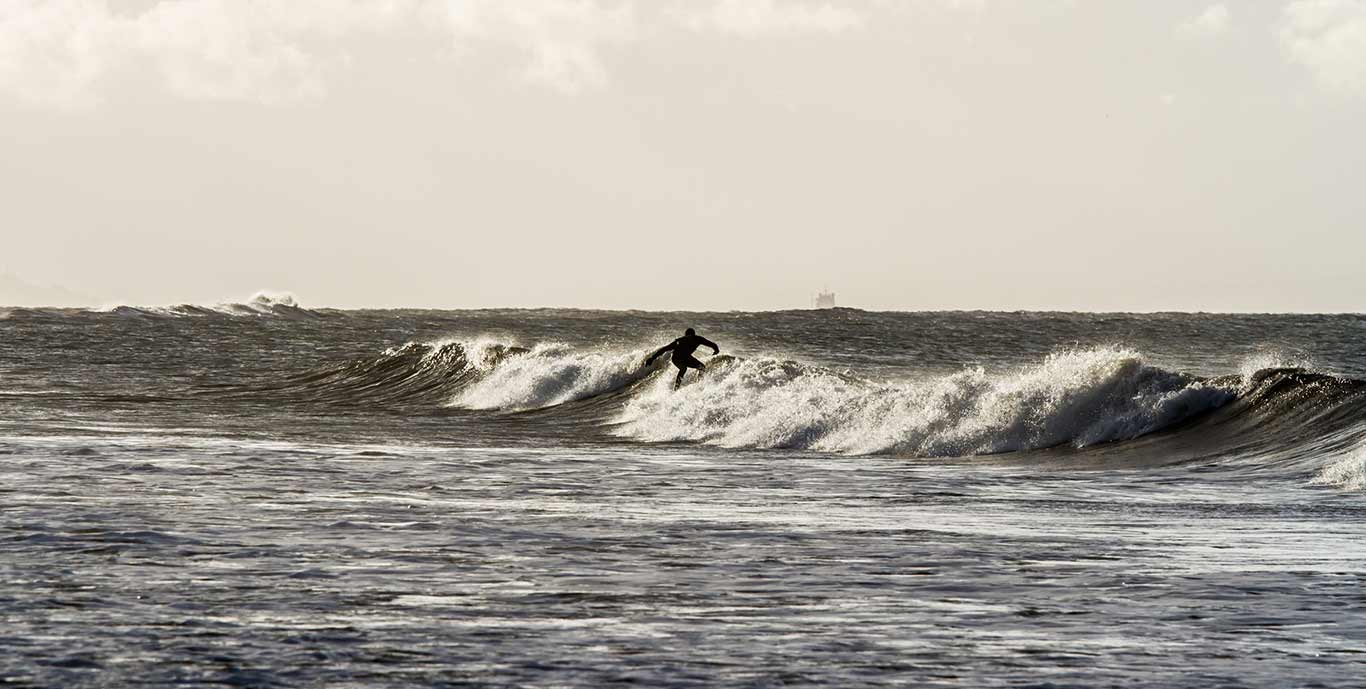
While Scotland might be more famous for its stunning landscapes, ancient castles, and rich history, it’s also a hidden gem for surfers. Surfing in Scotland has grown significantly in popularity over the years, attracting wave enthusiasts from around the globe. With its wild and rugged coastline, Scotland offers some of the best surfing conditions in Europe.
In this guide, we’ll take you on a tour of Scotland’s most famous surf spots, from the powerful waves of Thurso East to the beginner-friendly beaches of Belhaven Bay. We’ll explore the surf culture that thrives in these chilly northern waters, including notable Scottish surfers who have made their mark on the international scene.
Whether you’re an experienced surfer looking for your next big wave or a newbie eager to catch your first ride, Scotland has something to offer. We’ll also provide tips on accessibility, including the best surf schools and camps for beginners, and useful resources to make your trip smooth and enjoyable. So, grab your wetsuit, wax your board, and get ready to discover the incredible surfing opportunities that Scotland has to offer!
Where to surf in Scotland
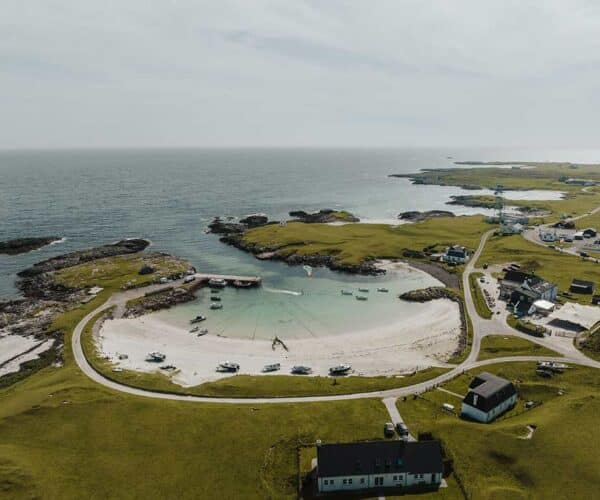
Thurso East
Thurso East, located on the northern coast of Scotland, is a renowned surfing destination celebrated for its world-class waves. The powerful right-hand reef break at Thurso East is legendary among surfers, offering long, consistent, and challenging waves that can reach up to 10 feet or more. Notable points include the impressive backdrop of Thurso Castle and the vibrant local surf community that gathers here.
The surf conditions here are best suited for experienced surfers due to the strong currents and rocky seabed.
The best time of year to surf at Thurso East is during the autumn and winter months, from October to March, when the North Atlantic swells are at their peak, providing the most thrilling and reliable surf conditions. Remember to bring a thick wetsuit, as the water can be quite cold, even during the peak surf season.
Pease Bay
Pease Bay, nestled on Scotland’s southeast coast, is a beloved spot for surfers of all levels. This picturesque bay offers a sandy beach break with relatively gentle waves, making it an excellent location for beginners and intermediates.
The surf conditions at Pease Bay are more forgiving compared to some of Scotland’s more intense breaks, with waves typically ranging from 2 to 6 feet. The stunning cliffs surrounding the bay and the welcoming atmosphere of the local surf community.
The best time of year to surf at Pease Bay is during the autumn months, from September to November, when the swells are consistent, and the water temperature is slightly warmer. Spring can also be a good time, though the conditions are less predictable.
Whether you’re just starting or looking for a mellow ride, Pease Bay offers a fantastic surf experience in a beautiful setting.
Belhaven Bay
Belhaven Bay, located near Dunbar on Scotland’s southeast coast, is a charming spot known for its beautiful sandy beach and excellent surf conditions. This beach break offers consistent, mellow waves ideal for beginners and intermediate surfers, with waves typically ranging from 2 to 5 feet.
Belhaven Bay is also known for its stunning natural scenery, including views of the Bass Rock and the surrounding dunes.
The best time of year to surf at Belhaven Bay is during the autumn and spring months, from September to November and March to May, when the swells are more consistent, and the weather is relatively mild.
The friendly local surf community and the serene landscape make Belhaven Bay a perfect destination for those looking to enjoy a relaxed and enjoyable surfing experience in Scotland.
Isle of Tiree
The Isle of Tiree, often referred to as the “Hawaii of the North,” is a premier surfing destination in Scotland known for its consistent waves and stunning scenery. Located in the Inner Hebrides, Tiree boasts a variety of beach breaks that cater to surfers of all skill levels.
The surf conditions here are remarkably reliable, with waves ranging from 2 to 10 feet, influenced by the Atlantic swells.
Notable points include the beautiful sandy beaches of Balevullin and Gott Bay, and the island’s relatively mild climate due to the Gulf Stream.
The best time of year to surf on Tiree is during the autumn and winter months, from September to March, when the swells are at their most powerful. However, the summer months also offer good waves and are perfect for beginners.
Tiree’s breathtaking landscapes, friendly surf community, and excellent waves make it a must-visit spot for any surfing enthusiast.
Sandwood Bay
Sandwood Bay, situated on Scotland’s remote northwest coast, is a hidden gem for adventurous surfers seeking pristine waves and unspoiled natural beauty. Known for its dramatic scenery, including towering cliffs, rolling dunes, and the iconic Sandwood Loch, this beach offers a unique surfing experience.
The surf conditions at Sandwood Bay can be challenging, with powerful, hollow waves often reaching 4 to 8 feet, making it suitable for more experienced surfers.
Due to its remote location, the beach is rarely crowded, allowing for a peaceful and exhilarating surf session. The best time of year to surf at Sandwood Bay is during the autumn and winter months, from October to March, when the North Atlantic swells are at their most consistent.
However, the summer months can also provide pleasant conditions for those looking for a less intense ride. With its breathtaking surroundings and thrilling waves, Sandwood Bay is a must-visit for surfers seeking adventure and solitude.
Surfing on Scotland’s West Coast
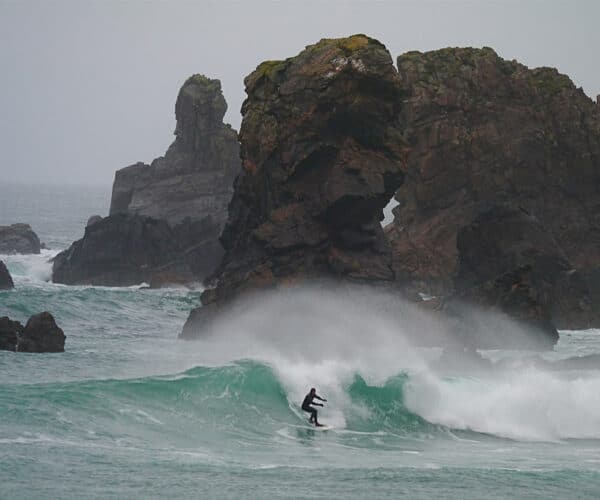
Surfing on the west coast of Scotland offers an unparalleled experience, combining rugged beauty with some of the country’s most consistent and exciting waves. Notable locations include Machrihanish, a long sandy beach on the Kintyre Peninsula, known for its powerful left-hand reef break and its variety of beach breaks catering to all skill levels.
The remote beaches of the Outer Hebrides, such as Horgabost on the Isle of Harris, also provide excellent surf conditions with fewer crowds. The west coast’s surf conditions are largely influenced by the North Atlantic swells, delivering waves that can range from 3 to 12 feet, depending on the location and time of year.
With its dramatic landscapes and diverse surf spots, the west coast of Scotland is a must-visit for any surfing enthusiast looking for adventure and natural beauty.
Where to learn to surf in Scotland
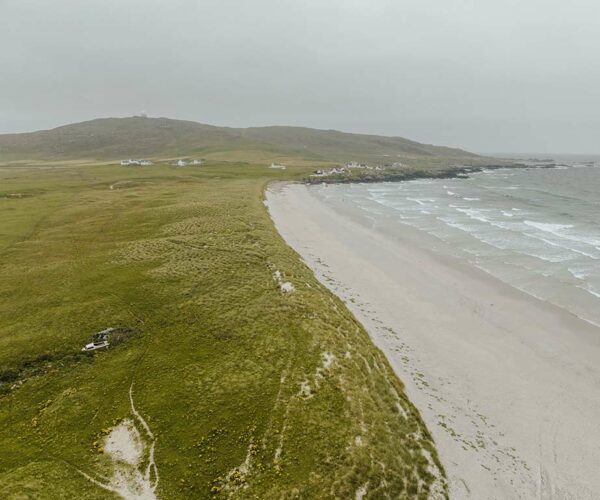
Beginner-Friendly Beaches
Some of the most beginner-friendly beaches in Scotland include Belhaven Bay, Aberdeen Beach, and the sandy shores of the Isle of Tiree. These locations are known for their gentle waves, sandy bottoms, and accessible facilities, making them perfect for those new to surfing.
Choosing a Learning Spot
When selecting a spot to learn surfing, consider the wave conditions (gentle and consistent waves are ideal), the beach type (sandy beaches are safer for beginners), the availability of professional instruction, and the presence of a supportive surf community. Additionally, check for facilities such as equipment rental and safety measures like lifeguards.
Surf Schools and Clubs in Scotland
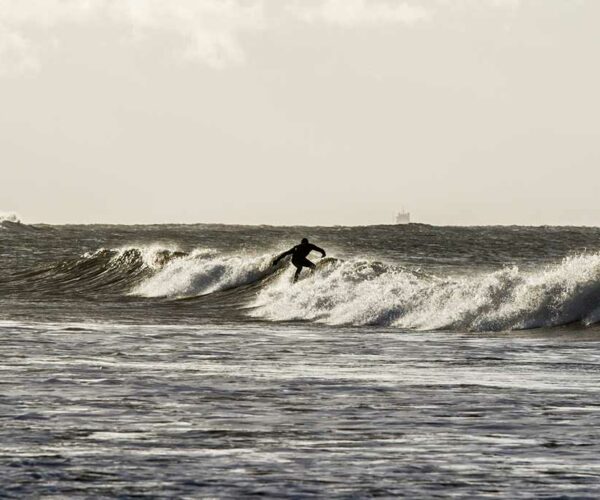
Belhaven Surf Centre, Dunbar
Belhaven Surf Centre offers beginner to advanced lessons, surf camps, and surf hire. Their experienced instructors provide a safe and friendly environment to learn.
Located at Belhaven Bay, known for its gentle waves and beautiful scenery, making it perfect for beginners.
Thurso Surf School, Thurso
Thurso Surf School offers lessons for all levels and surf camps focusing on skill improvement. They provide personalised coaching with a low student-to-instructor ratio.
Situated near Thurso East, this school gives learners a taste of Scotland’s renowned surf spot with manageable waves for beginners.
SurfLewis & Harris, Isle of Lewis
This surf school offers lessons and camps on the stunning beaches of Lewis and Harris. They provide wetsuits and boards, focusing on safety and fun.
The Outer Hebrides offers breathtaking landscapes and uncrowded waves, ideal for a unique learning experience.
Scot Surf School, Aberdeen
Located at Aberdeen Beach, Scot Surf School offers group and private lessons, as well as kids’ surf camps. They focus on building confidence and skills in the water.
Aberdeen Beach is known for its consistent waves and vibrant surf community, providing a great atmosphere for learning.
Coast to Coast Surf School, East Lothian
Surf Camps and Lessons: Coast to Coast offers a range of lessons from beginner to advanced, as well as multi-day surf camps. They also offer stand-up paddleboarding lessons.
Based in Dunbar, they have access to several beaches with varying conditions, perfect for progression.
Tiree Surf School, Isle of Tiree
Surf Tiree provides lessons, surf camps, and equipment hire. They focus on small groups to ensure quality instruction and safety.
The Isle of Tiree, known for its consistent surf and scenic beauty, offers ideal conditions for learners.
Is Scotland good for surfing?
Scotland is an exceptional destination for surfing, offering a unique blend of stunning landscapes, powerful waves, and a vibrant surf culture. The country hosts several prestigious competitions and events, such as the Scottish National Surfing Championships and the Tiree Wave Classic, attracting surfers from around the globe.
The west and north coasts are famous for big waves, with spots like Thurso East and the Isle of Lewis delivering formidable swells that challenge even the most experienced surfers.
Accessibility is also a strong point, with numerous surf schools and clubs providing lessons and equipment hire, making it easy for beginners to get started. Whether you’re chasing big waves or just starting, Scotland’s diverse surf scene has something to offer every enthusiast.
What do you need to surf in Scotland?
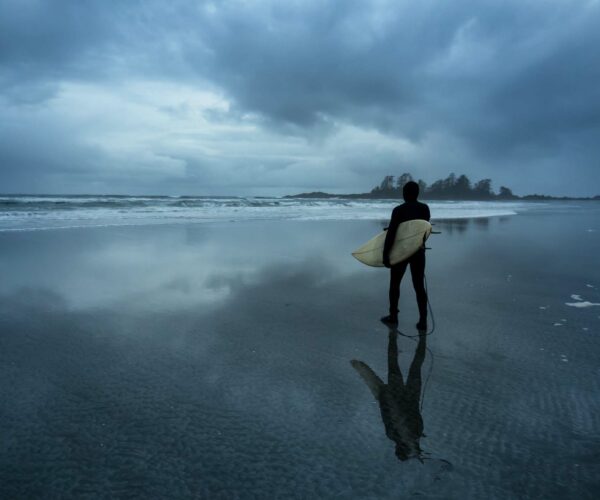
To surf in Scotland, you’ll need a few essential items to ensure a safe and enjoyable experience in the often chilly and rugged conditions. A high-quality wetsuit is crucial, ideally a 5/4mm or 6/5mm thickness, to keep you warm in the cold North Atlantic waters.
Additionally, you’ll need a hood, gloves, and boots, especially during the autumn and winter months. A suitable surfboard, typically a larger and more buoyant one for beginners, is also necessary.
Don’t forget to bring a leash to keep your board attached and wax for traction. Safety gear like a helmet can be beneficial for more challenging waves or rocky spots.
It’s also helpful to have access to a local surf shop or school for rentals, repairs, and local advice. Finally, a positive attitude and respect for the powerful Scottish waves and local surf culture will ensure a rewarding surfing experience in Scotland.
Additional resources for surfing in Scotland
Surf Clubs and Federations
Scotland’s Surfing Federation – Scotland’s Surfing Federation
Scottish Surfing Federation Facebook Page – SSF Facebook
Surf Forecast and Conditions
Local Information and Guides
Get surfing insurance with SportsCover Direct
Taking to the waves doesn’t come without its dangers, so it’s sensible to take out a suitable surfing insurance policy.
SportsCover Direct’s surfing insurance provides coverage for a variety of risks, with options tailored to your specific needs. Whether you face a collision, sustain an injury from physical activity, or experience damage to your equipment, you can have peace of mind with our financial protection.
Our travel insurance covers both leisure and competitive surfing trips abroad, including medical expenses and trip cancellations. You can add this coverage to your existing insurance policy or opt for our sports accident insurance, which includes personal liability and income protection options.
Discover more and get an online quote in minutes. If you need assistance, our friendly team is ready to help with any questions you may have.
This blog has been created as general information and should not be taken as advice. Make sure you have the correct level of insurance for your requirements and always review policy documentation.