
Are you the kind of skier who’s mastered the groomed slopes and are now wondering what else the world of skiing has to offer? Or perhaps you just wonder what the pros are up to when they perform some ski-tastic tricks or race downhill in ski tight lycra.
Skiing isn’t a one-size-fits-all sport, and that’s precisely what makes it so fascinating. From the high-speed precision of alpine racing to the serene endurance of cross-country trails, or even the thrill of backcountry touring, there’s a discipline to suit every type of skier—and every kind of adventurer.
Here we’ll break down the key ski disciplines, exploring what makes each one unique. You’ll learn about the specialised gear, techniques, clothing, and ability levels they demand, as well as the risks you need to be aware of. Whether you’re looking to expand your skillset, try something new, or just better appreciate what goes into each style of skiing, this guide has you covered.
Alpine Skiing
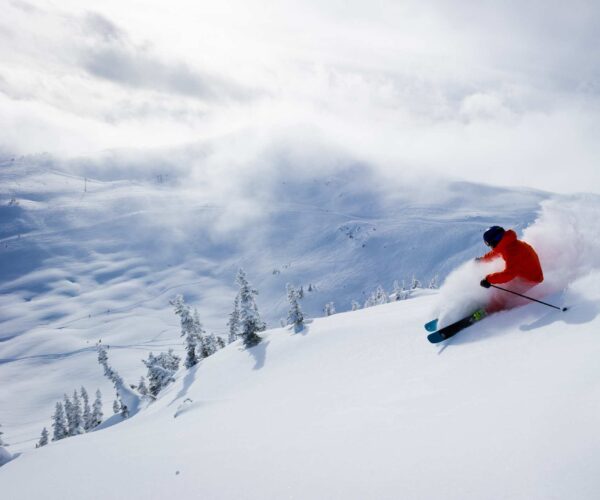
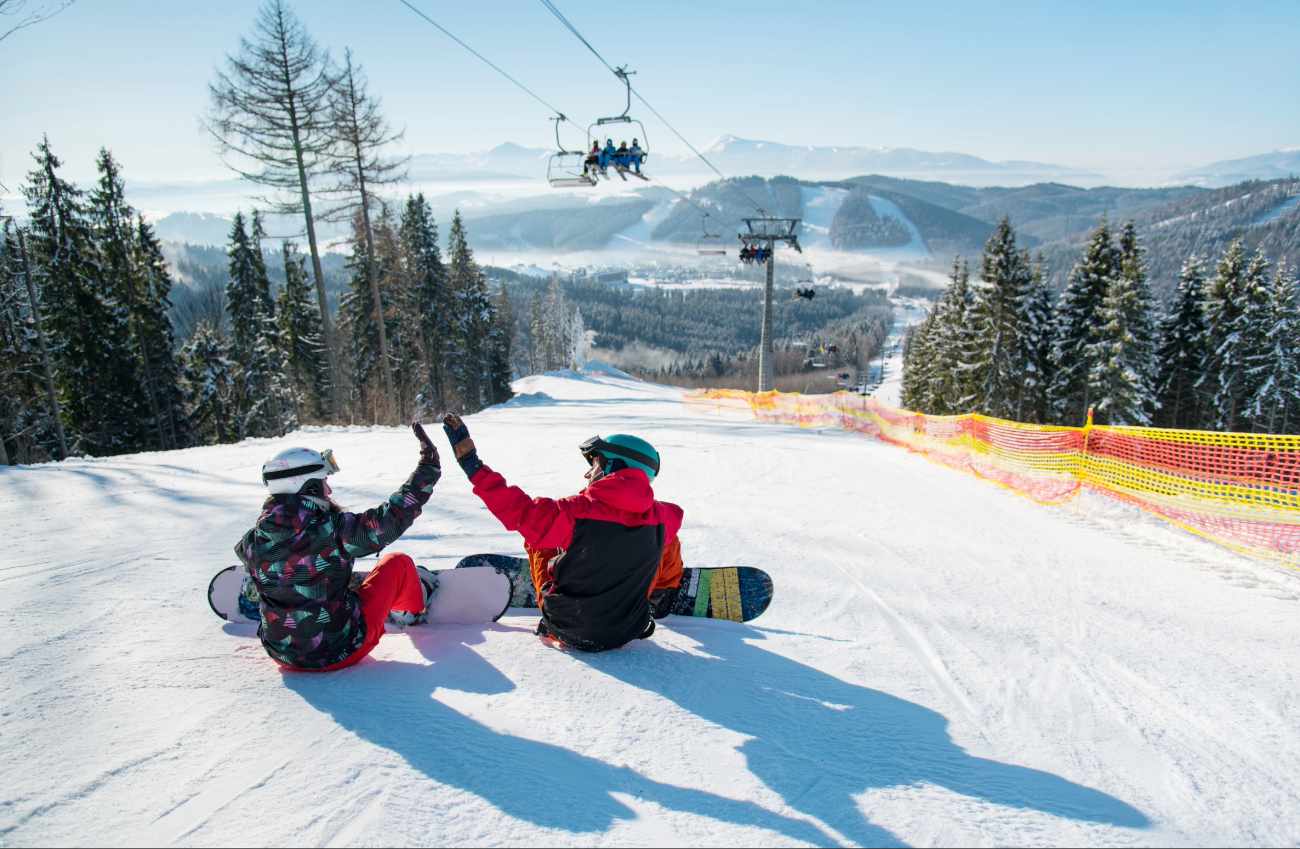
Alpine skiing is the classic downhill experience. Picture yourself zooming down groomed pistes at a ski resort, dodging moguls or carving neat turns on freshly groomed snow. It’s the most popular form of skiing and what most people picture when they hear “skiing.”
Type of Skis
Alpine skis are stiff, with a fixed binding that holds your heel in place. They’re designed to give you control at speed, with a sidecut to make turning easier.
Technique
The key to alpine skiing is mastering your stance—knees bent, weight forward, and eyes looking where you want to go. Turns are your bread and butter, so learning to carve smoothly is a must.
Clothing
Insulated ski jackets and trousers are essential, along with waterproof gloves and goggles. Don’t forget a helmet—safety first!
Ability Level
This discipline is great for all skill levels, from complete beginners to seasoned pros. You can always push yourself with steeper slopes or trickier runs.
Risk Level
Moderate. Falls and collisions with other skiers are the main risks, but good technique and awareness can minimise these.
Ski Racing
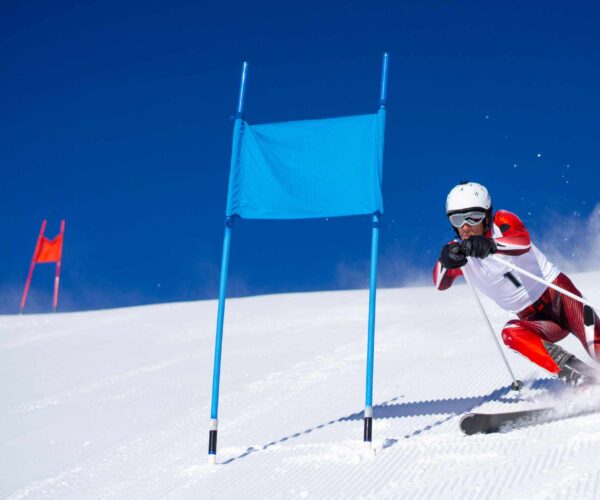
If you’ve ever watched the Winter Olympics, you’ll have seen the exhilarating world of ski racing. This is all about speed and precision, with various disciplines testing different aspects of skill and nerve.
Types of Ski Racing
· Slalom: The shortest course with tightly spaced gates, requiring quick, precise turns.
· Giant Slalom (GS): A longer course with wider gate spacing, allowing for faster speeds and broader turns.
· Super-G: A mix of giant slalom and downhill, emphasising speed with slightly fewer technical turns.
· Downhill: The fastest and most straightforward discipline, featuring long, steep runs with minimal turns.
· Combined: A mix of downhill and slalom, testing both speed and technical ability.
Type of Skis
Racing skis are tailored to the specific discipline. Slalom skis are shorter and more manoeuvrable, while downhill skis are longer and more stable at high speeds.
Technique
Each discipline demands unique skills, but carving, gate navigation, and maintaining an aerodynamic tuck are universal essentials.
Clothing
Racers wear skin-tight suits to reduce air resistance. Add a sturdy helmet and body armour to protect against falls.
Ability Level
Best suited to confident intermediates and advanced skiers who thrive on a challenge.
Risk Level
High. The speed and technical demands increase the chance of injury, so good technique and protective gear are vital.
Ski Disciplines at the Winter Olympics
The Winter Olympics is a showcase of skiing’s variety and athleticism. It features a range of disciplines, each demanding unique skills and offering thrilling spectacles.
Olympic Ski Disciplines
Alpine Skiing: Includes downhill, slalom, giant slalom, super-G, and combined events.
Cross-Country Skiing: Features both classic and skate styles, with individual and relay events.
Ski Jumping: Athletes launch themselves off a ramp, aiming for maximum distance and style points.
Freestyle Skiing: Includes moguls, aerials, halfpipe, slopestyle, and ski cross.
Biathlon: A combination of cross-country skiing and rifle shooting.
Ski Mountaineering: Recently added as an Olympic sport, testing endurance and climbing skills.
Cross-Country Skiing
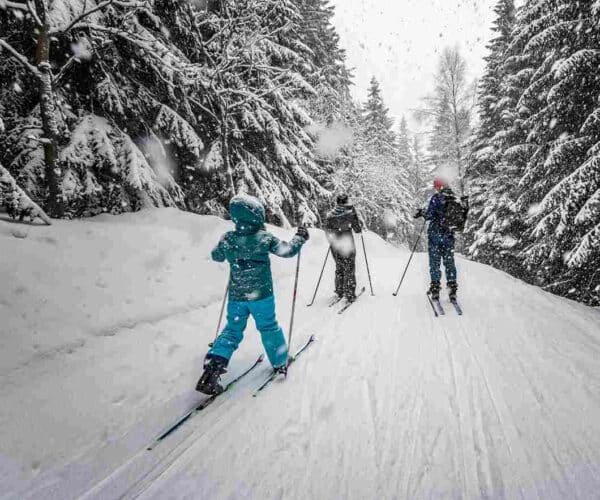
Cross-country skiing is as much about endurance as it is about technique. Instead of heading downhill, you’ll be gliding across flat or gently rolling terrain, often through stunning snowy landscapes.
Type of Skis
These skis are long and narrow, designed for maximum glide. Some have a textured base for grip, while others rely on wax for traction.
Technique
There are two styles: classic (a straight, gliding motion) and skate skiing (a diagonal stride like ice skating). Both require strong legs and core stability.
Clothing
Think breathable, layered clothing to keep you warm without overheating. You’ll be working up a sweat, so ditch the bulky jackets.
Ability Level
Accessible for all levels but progressing to longer distances requires serious stamina.
Risk Level
Low. The main risks are fatigue or getting lost, especially on longer routes.
Freestyle Skiing
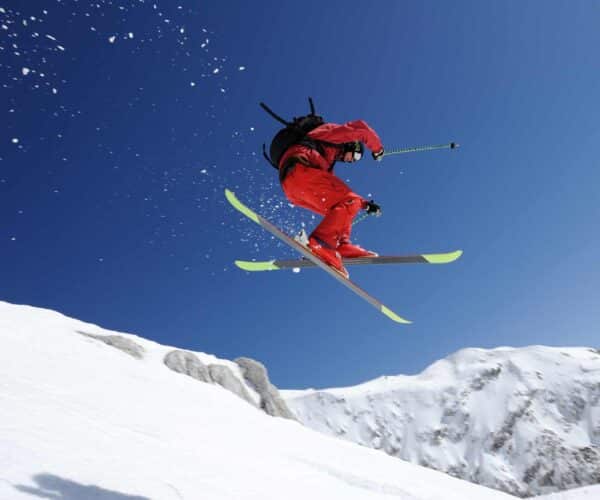
Freestyle skiing is the daredevil cousin of alpine skiing. Think jumps, spins, flips, and grinding rails in the terrain park. It’s all about creativity and flair.
Type of Skis
Twin-tip skis are a must. They’re designed to ski forwards and backwards, making them ideal for tricks.
Technique
Balance is everything. You’ll need to master popping off jumps, landing cleanly, and navigating features like rails and boxes.
Clothing
Flexible, durable outerwear is key, along with impact protection like padded shorts or knee guards.
Ability Level
Intermediate to advanced skiers will get the most out of this discipline.
Risk Level
High. Falls are part of the learning curve, so expect a few bruises.
Telemark Skiing
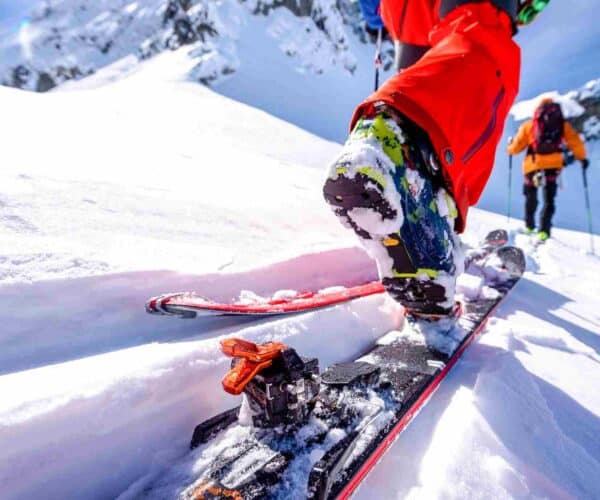
Telemark skiing is a throwback to skiing’s roots. It combines downhill and cross-country techniques, with a free heel that lets you perform graceful, lunging turns.
Type of Skis
Telemark skis are similar to alpine skis but with bindings that allow your heel to lift.
Technique
The signature move is the telemark turn, where you drop one knee as you carve. It’s a real leg workout!
Clothing
Layered clothing similar to alpine skiing, but prioritising mobility for those lunges.
Ability Level
It’s best for intermediate to advanced skiers, as the technique takes time to master.
Risk Level
Medium. The free-heel bindings can make balance tricky, especially on uneven terrain.
Ski Mountaineering
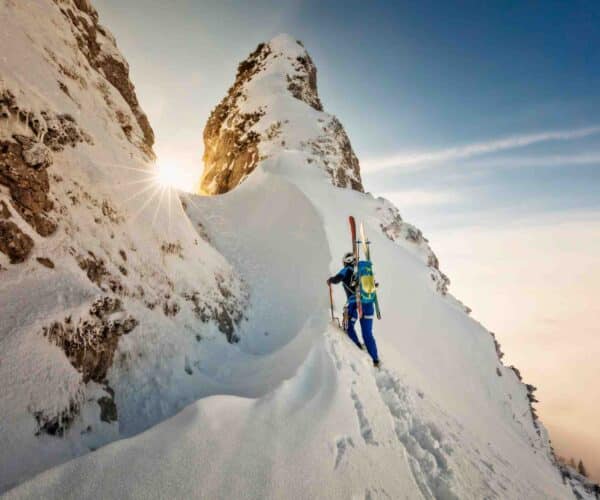
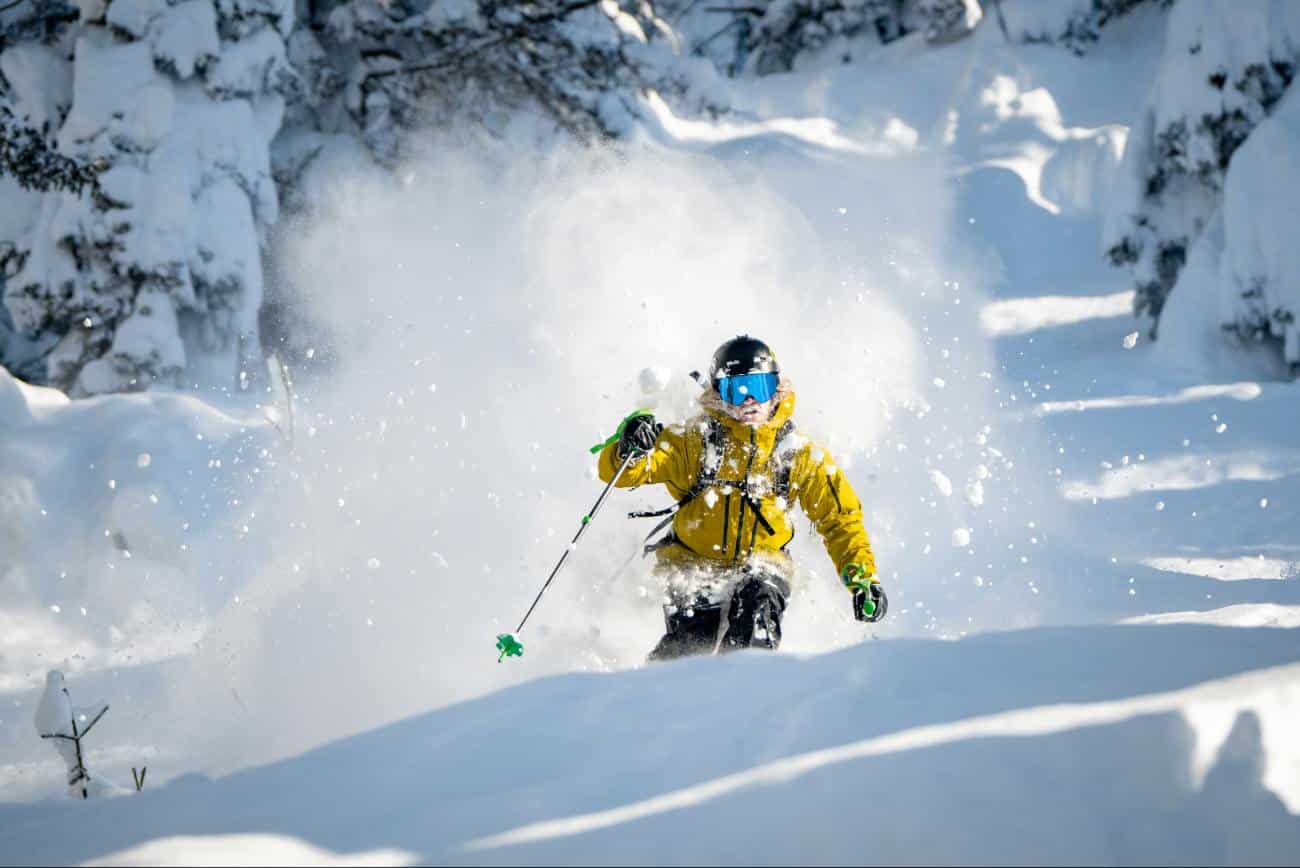
If scaling snowy peaks and skiing down untouched powder sounds appealing, ski mountaineering is for you. It’s a mix of climbing and skiing, often in challenging environments.
Type of Skis
Lightweight touring skis with climbing skins and bindings that allow for both uphill and downhill use.
Technique
You’ll need to know how to use skins for uphill climbs, as well as alpine techniques for descents. Avalanche safety knowledge is essential.
Clothing
Technical, breathable layers that can handle extreme weather. A good backpack for your gear is essential.
Ability Level
Advanced. It’s physically demanding and requires a high level of skill.
Risk Level
High. Avalanche danger, weather changes, and isolation make this one of the riskiest disciplines.
Alpine Touring/Backcountry Skiing
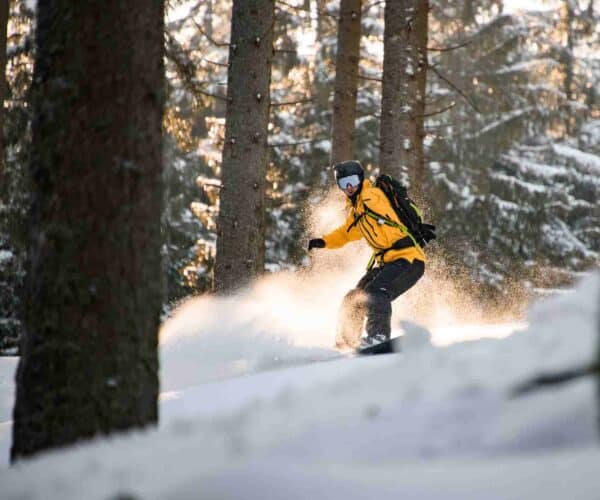
Similar to ski mountaineering but without the climbing ropes. You’ll venture off-piste into untouched terrain for a true adventure.
Type of Skis
Versatile touring skis with skins for uphill travel and sturdy bindings for downhill control.
Technique
Combines uphill skinning with downhill skiing. Avalanche awareness and route-finding skills are crucial.
Clothing
Layered clothing for variable conditions. A beacon, probe, and shovel are essential for avalanche safety.
Ability Level
Moderate to advanced, depending on the terrain.
Risk Level
High. Like ski mountaineering, the remote nature and avalanche risks make it dangerous.
A Few Extras to Think About
Safety
Whatever discipline you choose, safety comes first. Wear a helmet, know your limits, and make sure your gear is in top condition. If you’re venturing off-piste, always carry avalanche safety equipment and know how to use it.
Sustainability
Skiing in harmony with nature is vital. Stick to marked trails where possible, avoid damaging the environment, and consider eco-friendly gear.
Fitness Preparation
A bit of pre-ski fitness can make all the difference. Work on your leg strength, core stability, and cardio to get the most out of your skiing.
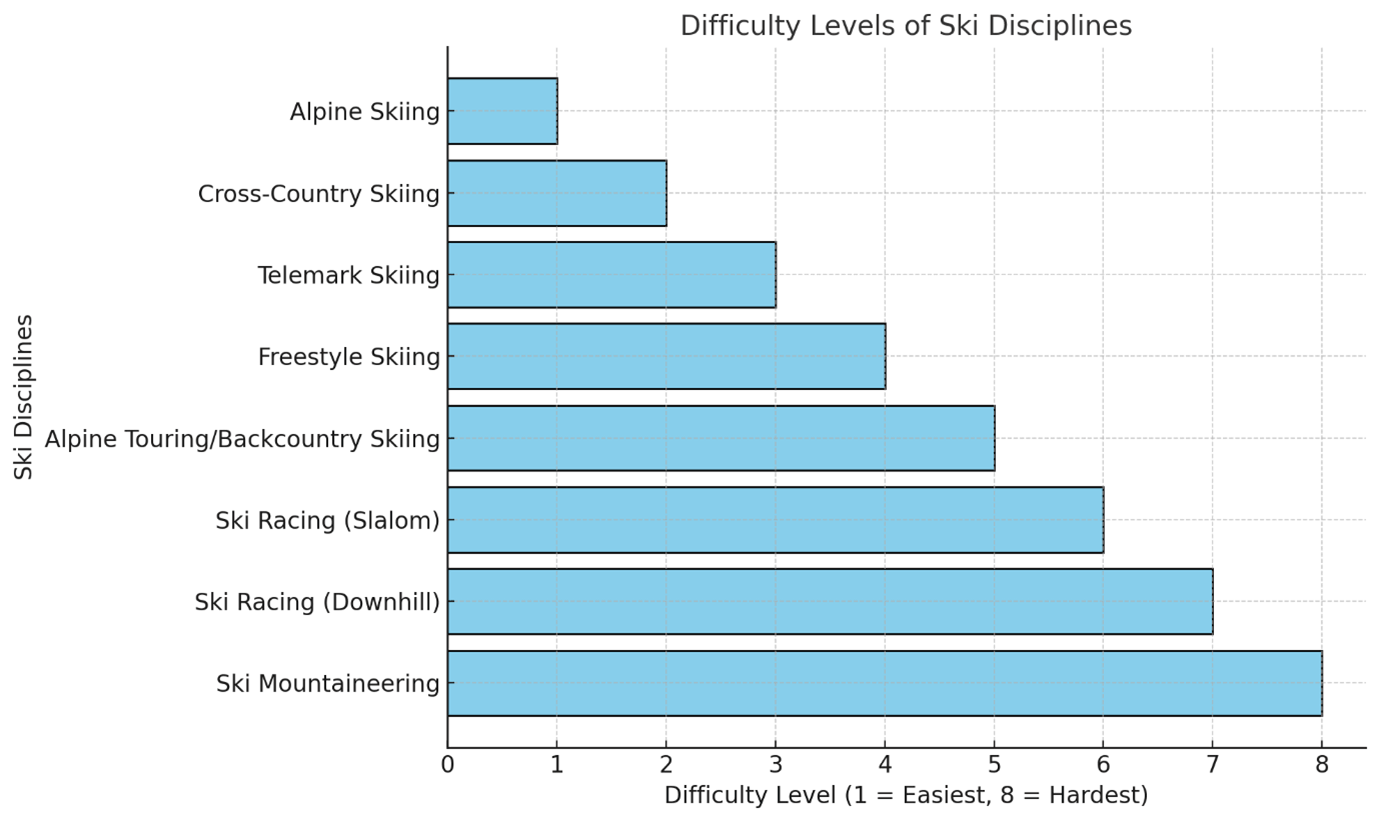
What is the hardest ski discipline to master?
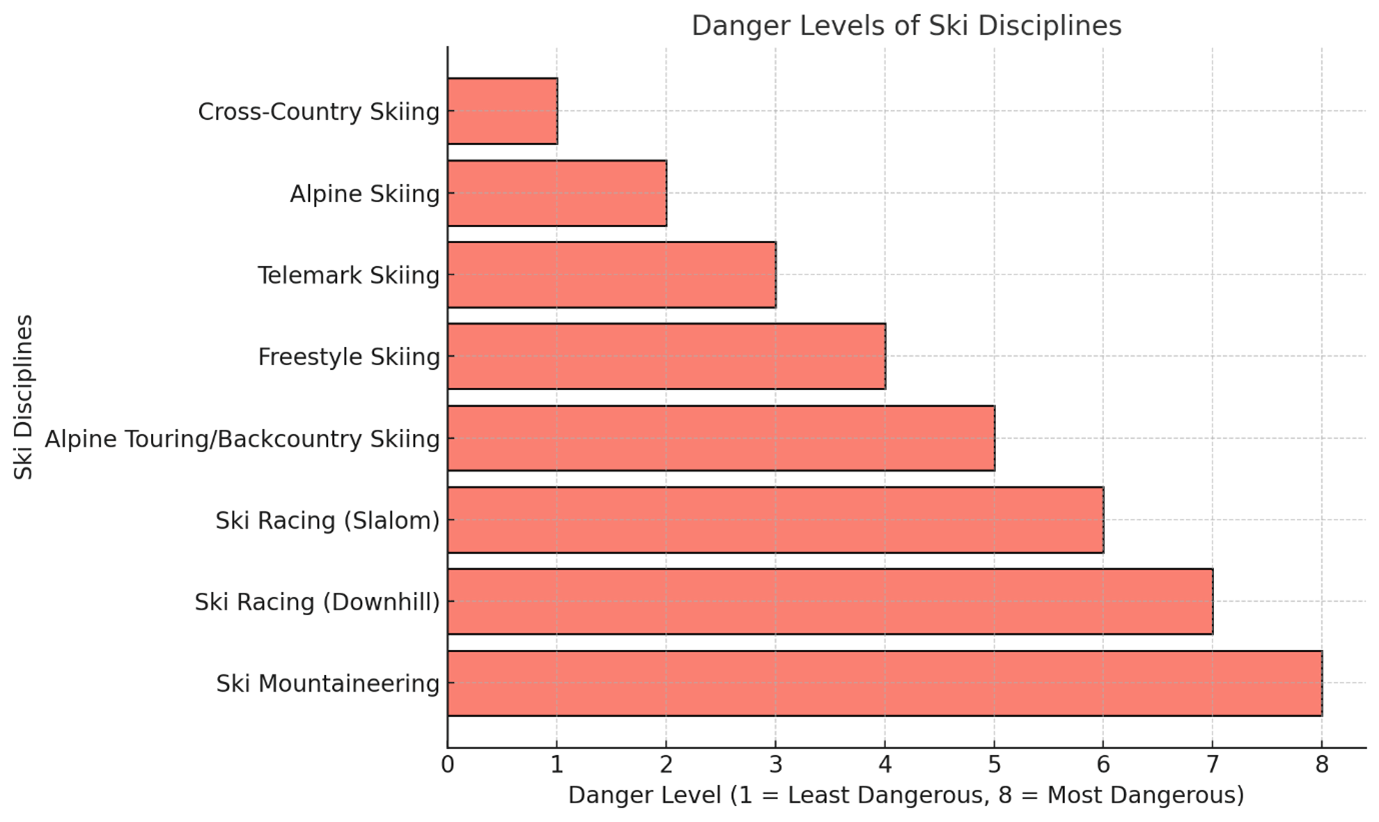
What is the most dangerous ski discipline to do?
Get Ski Insurance from SportsCover Direct
No matter your ski discipline—be it freestyle, slalom, or off-piste—insurance is an essential part of planning your adventure. Skiing is an exhilarating sport, but it comes with inherent risks that can affect both yourself and others. From injuries to unexpected mishaps, having comprehensive ski insurance ensures you’re financially protected while enjoying the slopes.
SportsCover Direct has a ski insurance policy that can be tailored to several different ski disciplines – select the activities you need when you get a quote.
Our policy includes cover for medical emergencies, cancellations, personal liability, lost or damaged equipment, search and rescue operations, and even off-piste skiing, provided you follow local advice. With the right coverage, you can focus on carving through the snow, knowing you’re prepared for whatever the mountain might throw your way.
This blog has been created as general information and should not be taken as advice. Make sure you have the correct level of insurance for your requirements and always review policy documentation.