

If you like the sound of untouched powder and the freedom to enjoy new perspectives in total peace while you ride, off-piste snowboarding is a thrilling experience. Venturing beyond the marked trails of a ski resort can bring a taste of adventure that’s hard to beat.
However, exploring this kind of terrain demands a certain set of abilities and equipment, along with the awareness and common sense to enjoy it safely. This is because while off-piste snowboarding offers a unique and exhilarating experience, it comes with increased risks. By equipping yourself with the right knowledge, skills, and gear, you can navigate the backcountry safely and enjoy the untouched beauty of the mountain landscape.
In this guide, we’ll take you through the essentials of how to snowboard off-piste, from understanding the concept to preparing for the journey.
What is snowboarding off-piste?
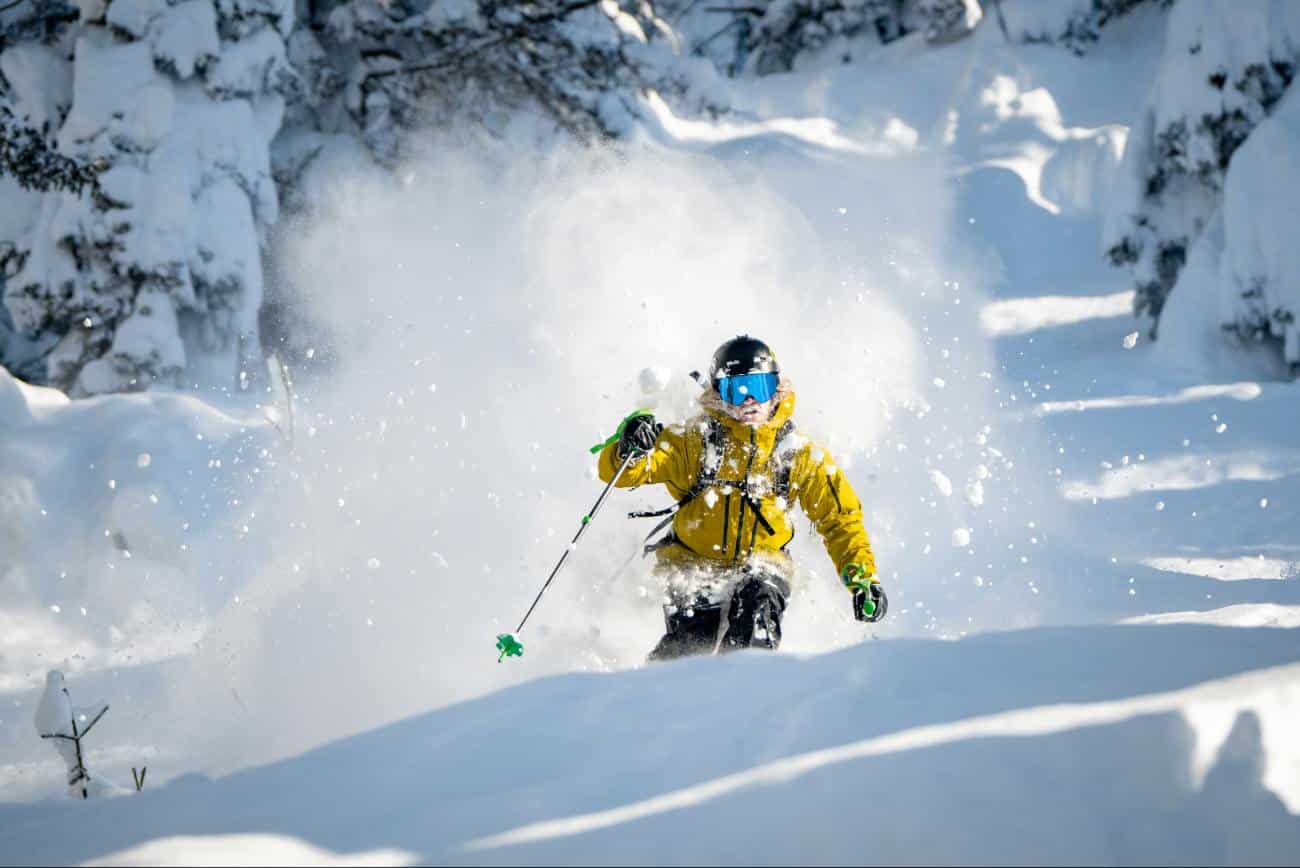
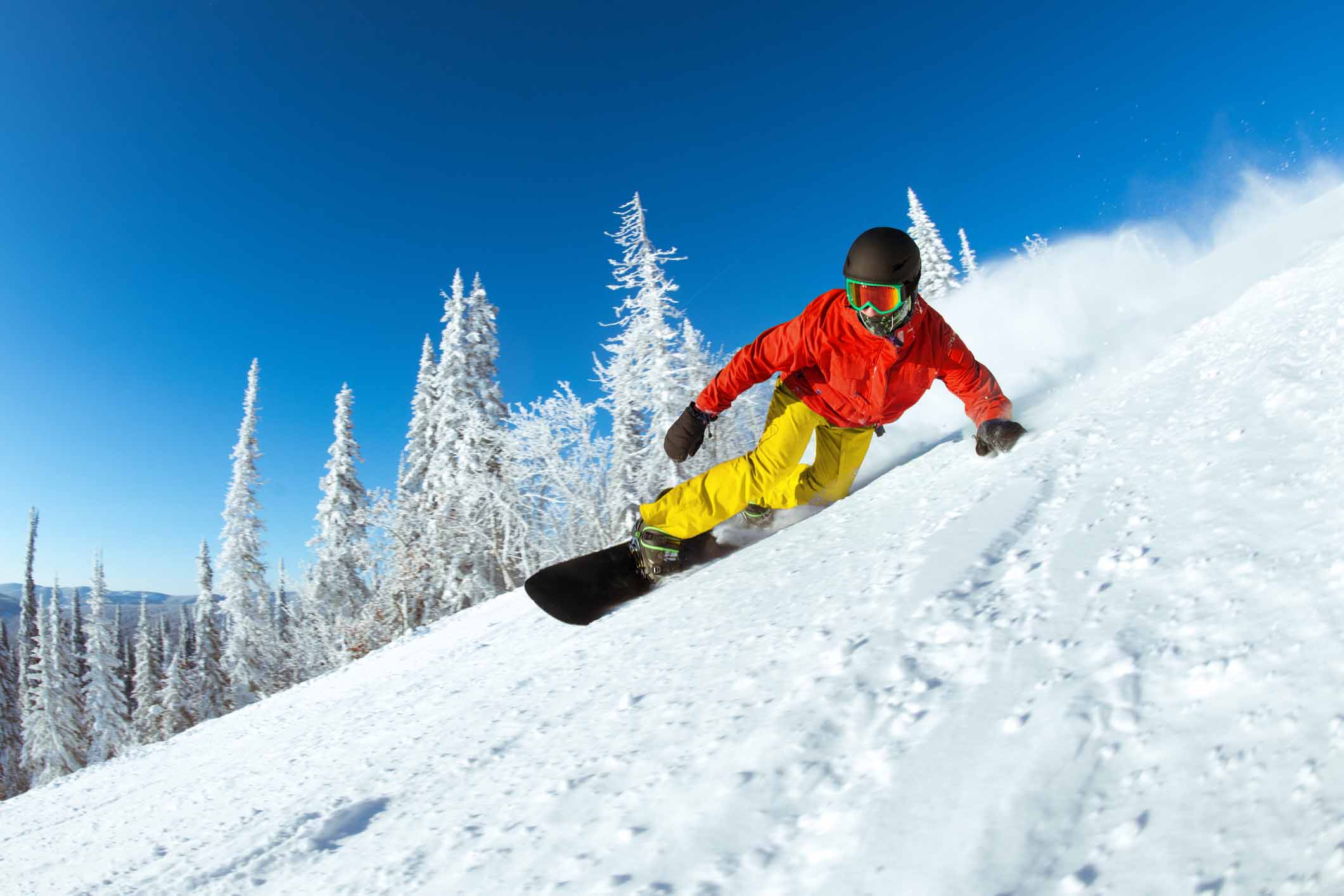
Snowboarding off-piste refers to riding in areas outside the designated and groomed trails of a ski resort. Unlike the well-maintained slopes, off-piste terrain encompasses natural, uncontrolled environments, often characterised by deep powder, trees, and challenging topography. Off-piste snowboarding attracts riders seeking a more intimate connection with the mountain, away from the crowds and into the heart of pristine, untracked snow.
What is considered off-piste snowboarding?
Off-piste snowboarding terrain can vary widely, from open bowls and glades to steep chutes and narrow couloirs (which are generally considered to be longer than chutes). Essentially, any area outside the marked boundaries of a ski resort is part of the off-piste snowboard course. While some resorts have designated off-piste areas, many enthusiasts seek out untouched powder in the backcountry, where the snow is unpatrolled, and risks are higher.
Whether you’re looking for the best off-piste snowboarding in Europe or further afield, you’ll find incredible locations everywhere from France to Austria and Switzerland, Canada to Colorado and Chile.
What does off-piste mean in slang?
In snowboarding slang, ‘off-piste’ is often colloquially referred to as ‘riding the backcountry’ or ‘earning your turns’. This terminology emphasises the adventurous and challenging nature of venturing beyond the resort boundaries.
Getting started with off-piste snowboarding
Entering the world of off-piste snowboarding can be highly rewarding and undoubtedly makes for an incredible hobby, but it requires careful preparation and a gradual progression of skills. You’ll need to always prioritise safety and do your research to fully enjoy what this sport has to offer.
The key to a successful experience lies in continuous learning, responsible decision-making, and a deep respect for the mountain environment. As you progress, you’ll discover the joy of exploring uncharted territories and forging a path through the wilderness that feels utterly freeing.
Here’s a step-by-step guide to help you get started.
Build a strong foundation
Before tackling off-piste terrain, ensure you have a solid foundation in basic snowboarding techniques. Proficiency in turning, stopping, and riding various types of snow conditions is crucial.
Take an avalanche safety course
Understanding the risks associated with off-piste riding is paramount. Enrol in an avalanche safety course to learn about snowpack assessment, route finding, and rescue techniques. This knowledge is essential for making informed decisions in the backcountry.
Invest in the right gear
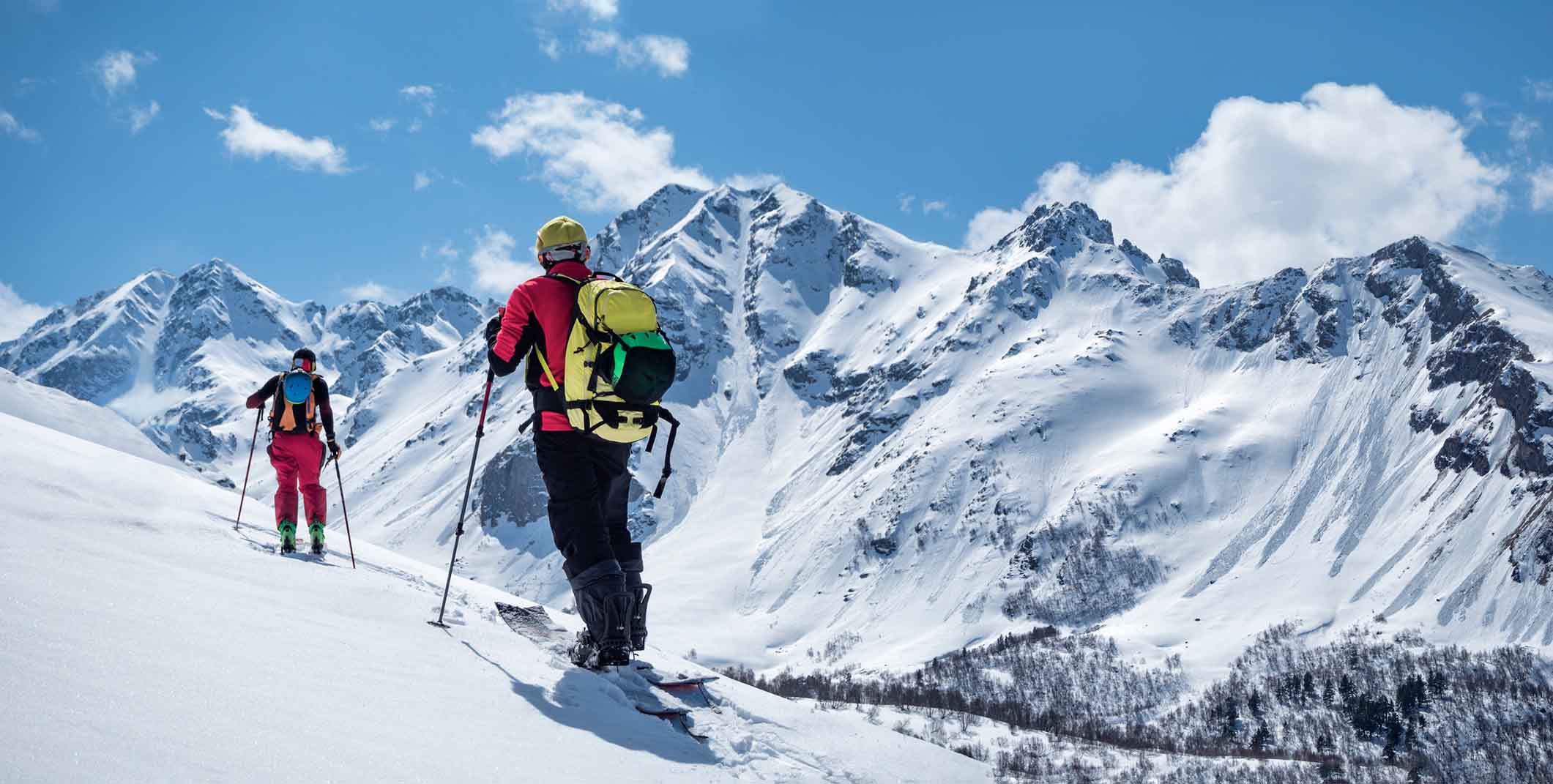
Acquire the necessary equipment, including a splitboard (or snowshoes), climbing skins, avalanche safety gear (beacon, probe, and shovel), and appropriate clothing. Invest in high-quality gear to ensure your safety and comfort in variable conditions.
Start in designated areas
Many ski resorts have designated off-piste or backcountry areas with controlled access. Begin by exploring these zones, where the risks are mitigated, and ski patrol monitors the conditions.
Ride with experienced partners
Joining more experienced off-piste riders can accelerate your learning curve. Their knowledge of terrain and conditions can provide valuable insights, and they can guide you through safe practices.
Practise efficient transitions
In off-piste riding, you’ll often need to transition between riding and climbing. Practise efficient splitboard transitions and use climbing skins to ascend slopes comfortably.
Understand snow conditions
Develop the ability to assess snow conditions. Learn to recognise signs of instability, such as recent avalanches, collapsing snow, or visible fractures in the snowpack.
Master navigation skills
Familiarise yourself with navigation tools like maps, compasses, or GPS devices. Understanding the terrain and having a reliable means of navigation is crucial when exploring unfamiliar backcountry areas.
The benefits of off-piste snowboarding
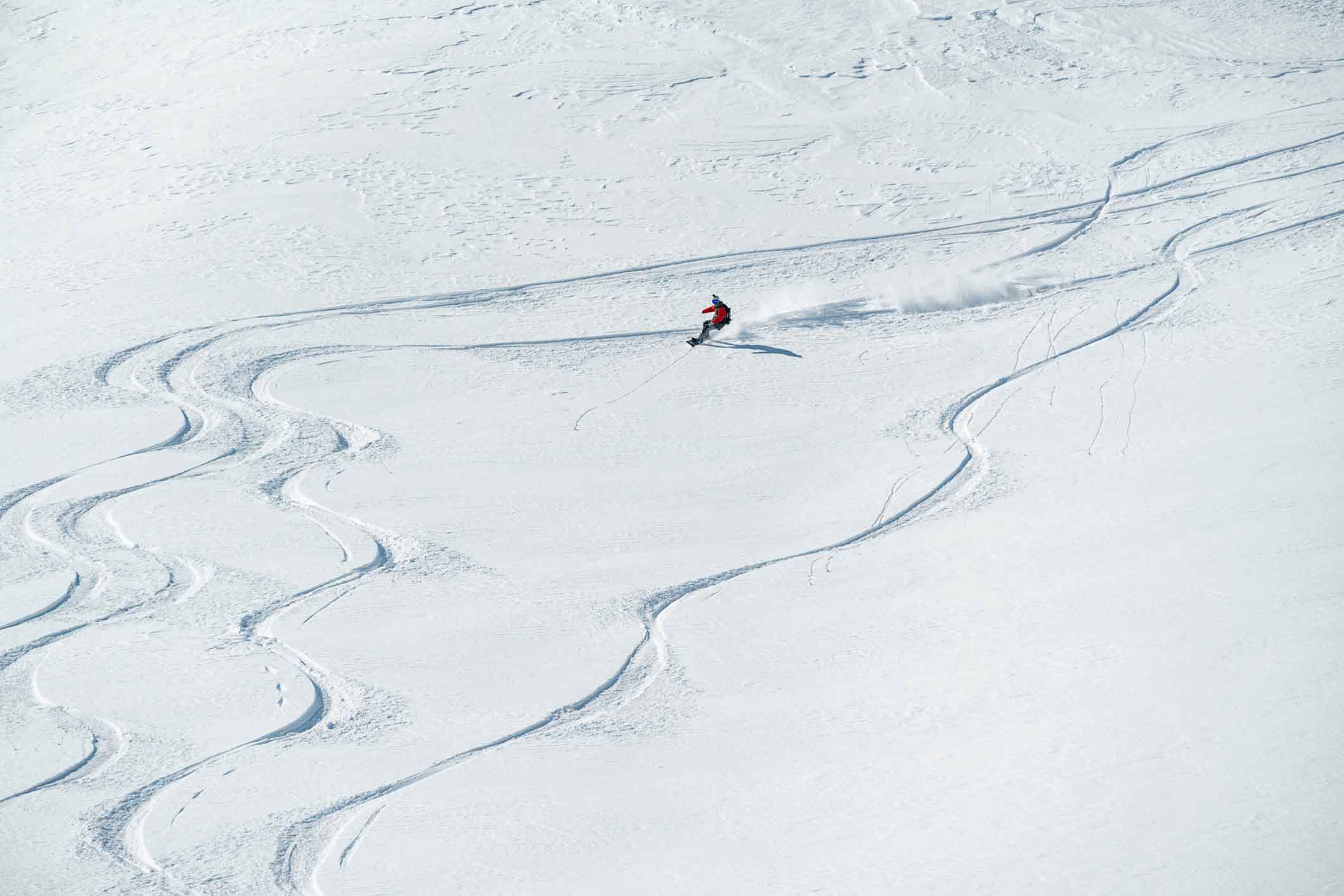
Off-piste snowboarding is a physically demanding sport that lets you fully immerse yourself in nature. There’s no feeling like hurling yourself into the snow and making your mark on fresh powder, while accomplishing feats you worked hard to achieve.
Here’s an overview of some of the many benefits of this sport.
Untouched terrain
Off-piste riding allows you to experience the joy of carving through immaculate powder. The feeling of floating on pristine snow, away from the groomed slopes, is unparalleled.
Escaping the crowds
Off-piste terrain provides a sense of solitude and escape from the crowds of the resort. Enjoy the serenity of the mountains and create a more intimate connection with nature.
Adventurous challenges
Off-piste riding introduces challenges such as navigating through trees, choosing the best line down a slope, and dealing with variable snow conditions. These challenges add an extra daring element to your snowboarding experience.
Physical fitness
The nature of off-piste riding often involves hiking or climbing to access remote areas. This provides an excellent workout, enhancing your overall physical fitness and endurance.
Connection with nature
Riding in the backcountry allows you to appreciate the beauty of the natural environment. You’ll encounter breathtaking landscapes, diverse terrain, and a sense of tranquillity that can be elusive in more crowded areas.
Personal growth
Mastering the skills required for off-piste snowboarding fosters personal growth. Overcoming challenges, taking charge of navigating your route, and honing your riding abilities contribute to a sense of accomplishment and confidence.
Essential kit for off-piste snowboarding
There are certain key elements that play a crucial role in safeguarding and helping you enjoy your journey through untamed winter landscapes, as well as supporting you to focus on honing your techniques.
Here are some of the essentials you’ll need to off-piste snowboard:
Safety equipment – You’ll need an avalanche beacon, which is a crucial tool for locating buried riders in case of an avalanche, as well as a probe, which is used to pinpoint the exact location of a buried person. A shovel will be useful for digging out someone who’s trapped in snow.
Appropriate clothing – Wear waterproof, well-insulated but breathable clothing, to stay dry and regulate body temperature. This should usually include a good, hooded jacket with secure pockets, snowboarding trousers, a mid-layer, base layer and boots.
Backcountry gear – This includes a splitboard (a snowboard that splits into two halves and acts as skis) and snowshoes for ascending, as well as climbing skins to help with grip.
Navigation tools – A map and compass, or GPS, will help you navigate unfamiliar terrain.
Point of communication – Carry a fully charged phone or a two-way radio for communication, in case of emergencies.
First aid kit – Remember basic first aid supplies for minor injuries.
Things to be aware of before off-piste snowboarding
Acknowledging potential challenges is vital for minimising stress and being fully prepared for off-piste snowboarding. You’ll need to be mindful of these factors for a responsible approach to navigating unmarked expanses.
Make sure you check or complete the following before you set out:
Avalanche risk – Consult avalanche forecasts and be aware of the current conditions.
Weather conditions – Rapid weather changes are common in off-piste snowboarding locations. Stay updated on forecasts and be prepared for variable conditions.
Terrain awareness – Understand the terrain, including potential hazards like cliffs, tree wells, and crevasses.
Establish group dynamics – Communicate effectively with your group and establish a plan before descending.
The route itself – Just because you’ll be riding on fresh terrain doesn’t mean you don’t need to plan it out. Know the established routes in advance, so that you can minimise the impact on the environment and avoid straying onto the wrong territory.
Is snowboarding less painful than skiing?
The perception of pain in snowboarding versus skiing is subjective, so the answer to this question will vary. Snowboarding tends to place more strain on the lower body, particularly the knees and ankles, while skiing distributes the load more evenly. However, advances in equipment and technique have significantly reduced the impact on the body in both sports.
Ultimately, the choice between snowboarding and skiing comes down to your own physical strengths, your personal preference, style, and the type of terrain you want to explore.
Get winter sports travel insurance with SportsCover Direct
While trying out new sports is an exciting experience, you’ll need to make sure you have preparations in place should unexpected accidents and circumstances arise. To mitigate the financial impact if anything happens, you’ll need to have the right insurance.
SportsCover Direct’s winter sports travel insurance offers various levels of cover to suit your needs. Choose travel insurance that includes emergency medical cover and trip cancellation, or select our bolt-on if you already have an insurance policy. If you’ll be doing winter sports in the UK, take out our sports accident insurance policy for personal liability and income protection.
Find out more and get a personalised quote today. If you need any help, our team are just a phone call or email away.
This blog has been created as general information and should not be taken as advice. Make sure you have the correct level of insurance for your requirements and always review policy documentation.