
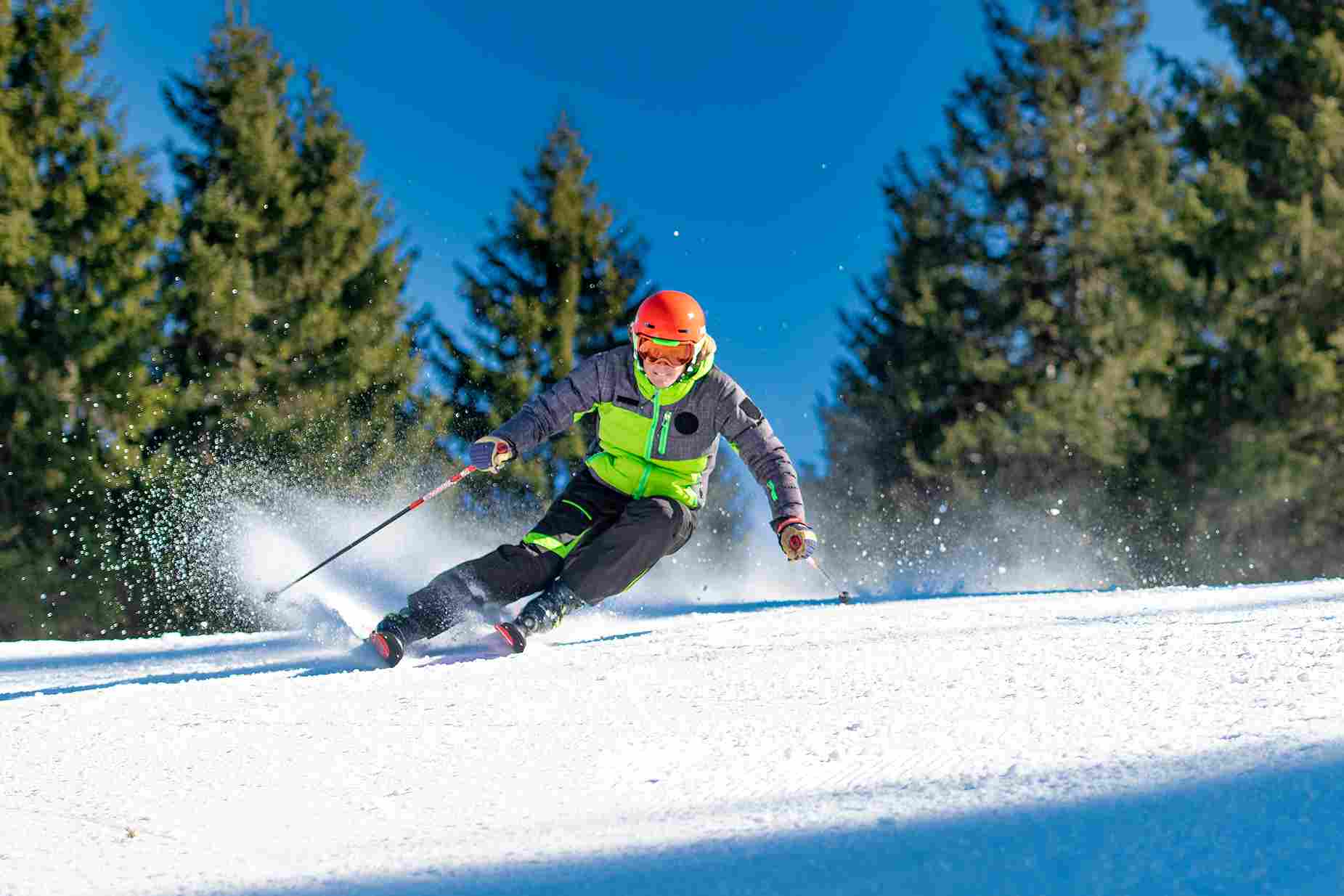
Mogul skiing is often seen as one of the more advanced and technical aspects of skiing, and for good reason. The sight of a slope covered with bumps can feel intimidating, but it’s also incredibly rewarding to master. Skiing moguls combines precision, rhythm, strength, and technique, offering a great way to elevate your skiing skills and make your time on the mountain more exciting.
Whether you’re an intermediate skier curious about tackling these bumpy slopes or an experienced skier wanting to refine your technique, this guide will cover the key tips to get you in the zone—from the basics of what moguls are to advanced techniques for skiing them like a pro.
What is a mogul in skiing?
Moguls are the small mounds of snow that form on ski slopes, either naturally or intentionally. They create a bumpy terrain that challenges a skier’s ability to balance, turn, and maintain rhythm.
Moguls add a unique element to skiing, breaking the monotony of flat pistes and providing an obstacle course to navigate that can be fun, challenging or downright exhausting depending on your level and outlook.
How do moguls form?
Natural formation
Moguls form naturally as skiers make turns. Snow is pushed into piles, and the troughs between bumps deepen over time as more skiers pass through.
Machine-made moguls
Many resorts create moguls using grooming machines, especially on slopes designed for training or competitions. These are more uniform and predictable, making them great for beginners.
Different types of moguls
Natural moguls
These tend to be uneven, with varying sizes and shapes, and are often found on less groomed trails or after snowfall.
Machine-made moguls
Uniform and evenly spaced, these are great for learning or practising. You might see these in competitions, but are unlikely to come across them on general pistes.
Snow condition variations
Moguls behave differently in various conditions:
• Soft powder moguls: Easier on your knees and more forgiving.
• Icy moguls: Harder to grip and more challenging to navigate.
• Spring moguls: Softer and slushier but can slow you down.
What level skier can ski moguls?
While moguls are often associated with advanced skiers, you don’t have to be an expert to give them a go. There are a few tips worth knowing to avoid overtiring yourself or becoming at risk of injury:
Beginner skiers
• It’s best to hold off on moguls until you’ve mastered basic parallel turns and can confidently control your speed.
• Stick to easier, groomed slopes to build a strong foundation.
Intermediate skiers
• If you can handle red runs with control, you’re ready to try gentler moguls.
• Start on slopes with small, widely spaced moguls to practise rhythm and balance.
Advanced skiers
• If you’re comfortable on black runs and steep terrain, moguls will challenge your precision and technique.
• Advanced skiers can experiment with faster descents and tighter lines through the bumps.
Mogul skiing technique
So how do you ski moguls? This technique is as much about rhythm and timing as it is about skill. It’s a dynamic style of skiing that requires constant adjustment and focus. Here’s how to nail the technique:
Core techniques
1. Stay centred
Keep your weight evenly distributed over the middle of your skis to maintain balance.
2. Upper body stability
Your upper body should stay quiet and face downhill. Let your legs absorb the motion of the bumps.
3. Pole planting
Use your poles to guide your rhythm. Plant them just above the bump you’re turning on.
4. Flexion and extension
Your knees should act like shock absorbers. Flex deeply as you go over the top of a bump and extend as you move into the trough.
Advanced technique
Once you’ve mastered the basics, advanced mogul skiing is about refining your technique, increasing your speed, and finding flow. Here are the techniques to take your skills to the next level:
Use the side of the bump to carve tighter turns
• Pick your line: Use the side of the moguls to carve controlled, precise turns. This helps you avoid skidding and maintain balance.
• Engage your edges: Edge control is crucial for tighter, more efficient turns.
• Pressure management: Apply pressure to your downhill ski to stay stable and controlled.
Increase speed and flow
• Shorten your turns: Keep your movements quick and efficient as your speed increases.
• Minimise vertical motion: Stay compact, with your legs absorbing bumps while your upper body remains steady.
• Plan ahead: Always look two or three bumps ahead to maintain momentum.
Experiment with different lines
• Top Line (Direct Route): Skiing over the tops of bumps is fast and technical but requires excellent control.
• Trough Line: Navigating the low points between bumps offers a smoother, slower ride.
• Diagonal Line: Cross over bumps for a balanced mix of speed and control.
Add dynamic movements to your turns
• Start your turns early: Initiate turns slightly before reaching the bump to stay ahead of the terrain.
• Use rebound energy: Let the natural rebound of your skis propel you into the next turn.
• Absorb efficiently: Deepen your absorption on larger bumps to improve control.
Master advanced pole planting
• Precision and rhythm: Plant your poles with minimal movement to maintain rhythm and stability.
• Timing: Plant just as your skis reach the top or side of a bump to guide your turns.
Adapt to snow and terrain
• Icy moguls: Carve into the sides for grip and keep your weight forward.
• Powder moguls: Smooth, deliberate turns help avoid sinking into the snow.
• Spring moguls: Adjust your rhythm to deal with softer, slower snow conditions.
Mental focus and visualisation
• Visualise your line: Picture your route through the mogul field before starting.
• Look ahead: Focus two or three bumps ahead to anticipate your next moves.
• Stay relaxed: Avoid tension—relaxed muscles and steady breathing improve balance.
Practise with Purpose
• One-ski drills: Practise moguls with one ski to improve balance.
• Rhythm runs: Prioritise flow and consistency, even at slower speeds.
• Speed training: Gradually increase speed, focusing on control.
Watch and Learn
• Observe professionals to study their body positioning, line choices, and transitions. Replicate short sections of their runs to develop your style.
Best type of skis for moguls
What to look for in mogul skis
• Length: Shorter skis are easier to manoeuvre in tight spaces.
• Waist width: A narrower waist allows for quicker edge-to-edge transitions.
• Flex: Softer flex helps absorb the impact of bumps, reducing strain on your legs.
• Tail shape: A rounded tail provides easier turn exits, which is helpful in moguls.
Snow conditions for mogul skiing
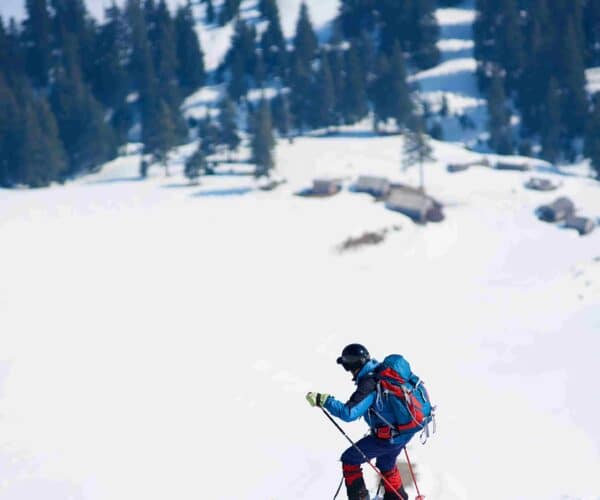
Snow conditions have a huge impact on your mogul skiing experience.
Best conditions
• Packed powder is ideal for grip and control.
• Spring skiing often provides soft moguls that are forgiving and easier to practise on.
Worst conditions
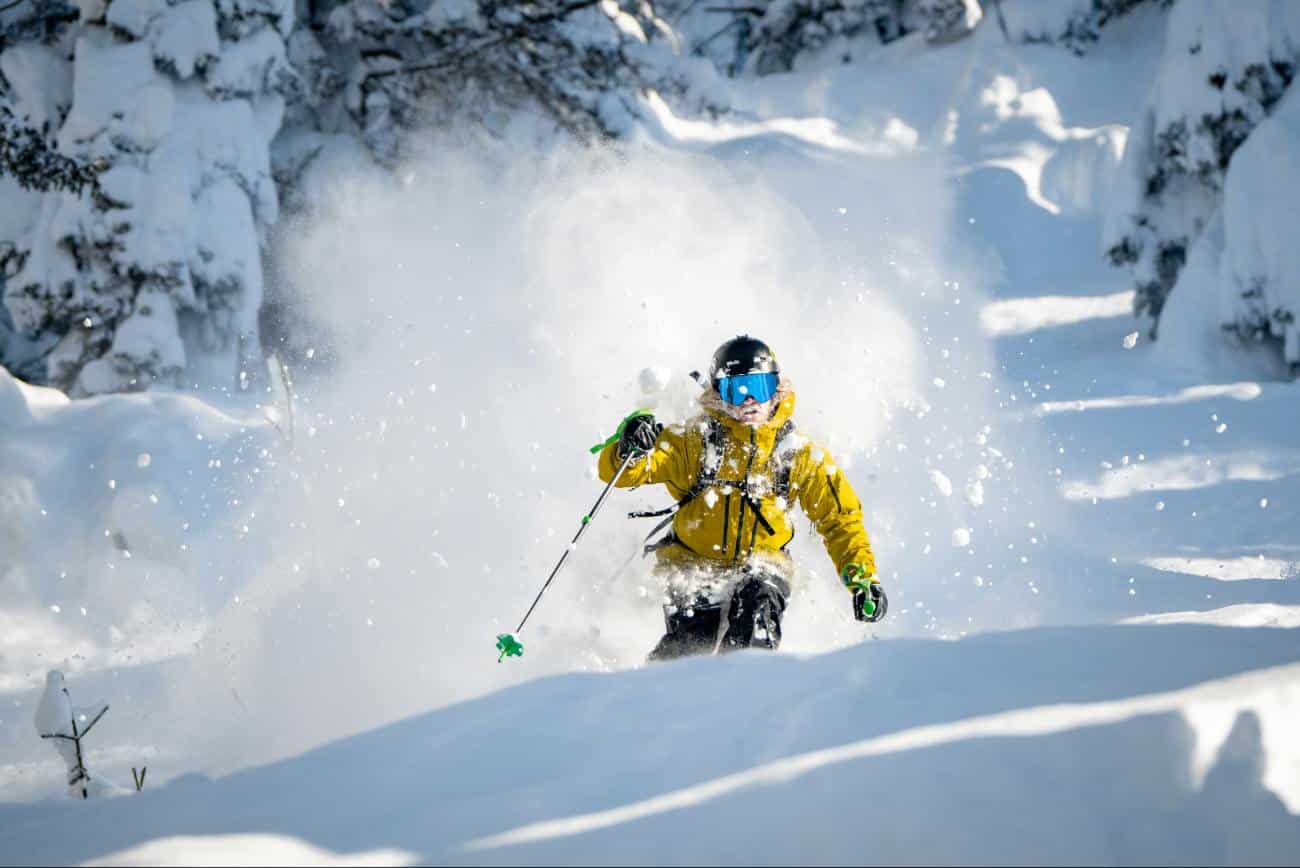
• Icy moguls are slippery and less forgiving, increasing the risk of falls and hurting yourself.
• Deep powder can obscure the bumps, making them harder to navigate.
Adapting to conditions
• In icy conditions, slow down and focus on precise turns.
• In soft snow, embrace slower speeds and larger, more deliberate movements.
Ski fitness for mogul skiing
Mogul skiing is physically demanding, requiring strength, balance, and endurance. There some core exercises that will help to engage the right muscles.
Key fitness areas
• Leg strength: Exercises like squats, lunges, and deadlifts build the power needed for absorption and stability.
• Core strength: Planks, Russian twists, and stability ball exercises improve balance and control.
• Balance training: Single-leg exercises and wobble boards are great for mimicking skiing movements.
• Cardiovascular fitness: Skiing moguls is intense—regular cardio like running, cycling, or HIIT will help you keep up your energy.
Stretching and recovery
• Focus on stretching your quads, hamstrings, calves, and hip flexors.
• Foam rolling can help with recovery and prevent soreness.
Common mistakes when skiing moguls
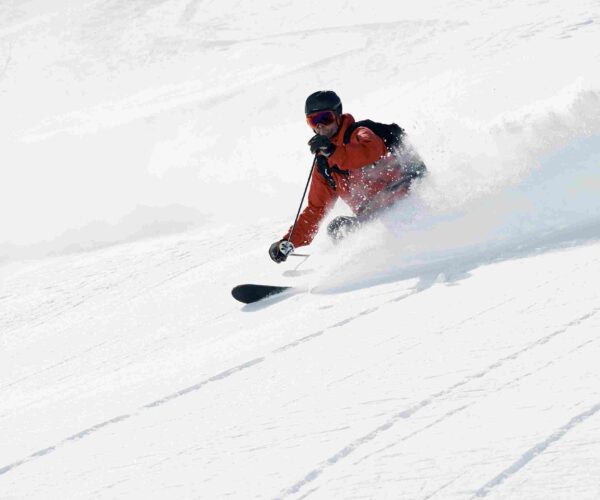
Even experienced skiers make mistakes but refining your technique and avoiding the main pitfalls can not only help you get more enjoyment but also reduce the risk of falling and hurting yourself. So, if you can try to avoid:
Leaning back: This reduces control and increases the risk of falls.
Skipping pole plants: Pole planting helps with rhythm and balance.
Skiing too fast: Speed can make moguls feel overwhelming. Start slow and build confidence.
Looking down: Always look ahead to plan your line.
Risks when skiing moguls
Mogul skiing is an exciting challenge, but it’s also one of the most physically demanding forms of skiing. The bumpy terrain and repetitive movements can put extra strain on your body, making it important to understand and mitigate potential risks.
Potential risks
Injuries: The constant impact of mogul skiing can place significant strain on your knees, ankles, and hips. Twisting injuries are common, especially if your technique falters or you lose balance.
Fatigue: Mogul skiing is exhausting, even for experienced skiers. As your muscles tire, your control and reaction times decrease, increasing the likelihood of falls or injuries.
Falls: Navigating bumps requires precision. Losing control due to misjudged turns or unanticipated mogul shapes can result in awkward tumbles, which can sometimes lead to minor or serious injuries.
Overuse Issues: Repeated mogul runs without adequate rest can lead to overuse injuries, especially in the knees and lower back.
How to minimise risks
While mogul skiing does come with risks, taking precautions can significantly reduce the likelihood of injury. Here are some strategies to stay safe and enjoy the experience:
Warm up thoroughly
A proper warm-up gets your muscles ready for the intense demands of mogul skiing. Incorporate dynamic stretches and light cardio to increase flexibility and blood flow.
Strengthen your body off the slopes
Build strength and endurance through off-season training. Focus on leg exercises (like squats and lunges), core workouts, and balance drills to enhance your skiing fitness.
Wear protective gear
Consider wearing knee braces or padded shorts, especially if you have a history of joint issues. Helmets are essential for all skiers, and wrist guards can provide additional protection.
Adjust your technique to conditions
Adapt your skiing to the terrain and snow conditions. For example, slow down and focus on control on icy or uneven moguls, and use more deliberate absorption on softer snow.
Know your limits
Don’t push yourself beyond your skill level or physical capacity. Recognising when to stop can prevent accidents caused by exhaustion or frustration.
Learn from a professional
Taking lessons from an instructor can help you develop proper technique, reducing the risk of injury caused by poor posture or incorrect movements.
Other tips for mogul skiing success
• Visualise your line: Picture your route before you start skiing.
• Practice regularly: Start on small moguls and progress gradually.
• Watch the pros: Videos of professional mogul skiers can provide inspiration and tips.
Skiing moguls is a thrilling challenge that will improve your skiing skills and boost your confidence. While it may seem daunting at first, with the right technique, equipment, and mindset, you’ll soon be navigating moguls with ease. Remember to start small, practise often, and enjoy the ride.
Get Ski Insurance from SportsCover Direct
If you embark in some mogul skiing this winter season – having the right insurance a necessity. From covering medical emergencies and equipment damage to providing assistance in case of evacuation, proper insurance ensures you’re fully protected before you hit the slopes. Make sure you have a specialist winter sports policy so you can focus on skiing without unnecessary worries.
SportsCover Direct’s ski insurance offers the essential cover to ensure you’re properly protected for your skiing premier. It offers cover for incidents such as cancellations, personal accidents, search and rescue, medical expenses, lost or stolen baggage and more.
Read more and get a quote online.
This blog has been created as general information and should not be taken as advice. Make sure you have the correct level of insurance for your requirements and always review policy documentation.