


Thinking of hitting the slopes this winter but worried about your fitness levels? You’re not alone! Skiing is an incredible way to enjoy the great outdoors, get an adrenaline rush, and even keep fit—but it does require a bit of preparation if you want to make the most of it. Luckily, you don’t need to be an athlete to get ski-fit. With a few weeks of the right exercises, you can build the strength, endurance, and balance you need to enjoy your time on the mountain.
Let’s break down some useful tips on how to get ski-fit, from the best exercises to how long it really takes to be ready.
Why ski fitness is important
You might be wondering, why bother with specific ski exercises? Well, skiing is a full-body workout that requires strong legs, core stability, balance, and a good bit of stamina. If you’re not prepared, you might find yourself out of breath halfway through a run, or worse, at risk of injury. Whether you’re tackling those steep red runs or just cruising along the blues, being in shape will make it easier, safer, and way more fun. Plus, getting ski-fit will help you recover faster after a long day on the slopes.
What are the best exercises for ski fitness?
Getting ski-fit doesn’t have to mean hours in the gym. With a few targeted exercises, you can train the key muscles and systems that skiing demands. Here are the best exercises to focus on:
Leg strength: Your legs do the heavy lifting when skiing, so exercises like squats, lunges, and deadlifts are a must. These will build your quads, hamstrings, and glutes, helping you stay stable on those steep descents.
Core stability: A strong core keeps you balanced and in control. Try planks, Russian twists, and mountain climbers to get those abs working. Skiing requires a lot of twisting and turning, so this will really pay off on the slopes.
Cardio endurance: Skiing can be surprisingly tiring, so you’ll want to boost your cardiovascular fitness. High-Intensity Interval Training (HIIT), cycling, or running are all great options to improve your endurance.
Balance and agility: Skiing is all about balance. Single-leg squats, box jumps, and lateral hops are excellent for training your stability and agility, making it easier to react quickly while skiing.
And don’t forget about flexibility! Stretching before and after workouts will help keep your muscles loose and reduce your chances of injury.
Check out some ski fitness tips from Chemmy Alcott to get you started.
Is skiing actually good exercise?
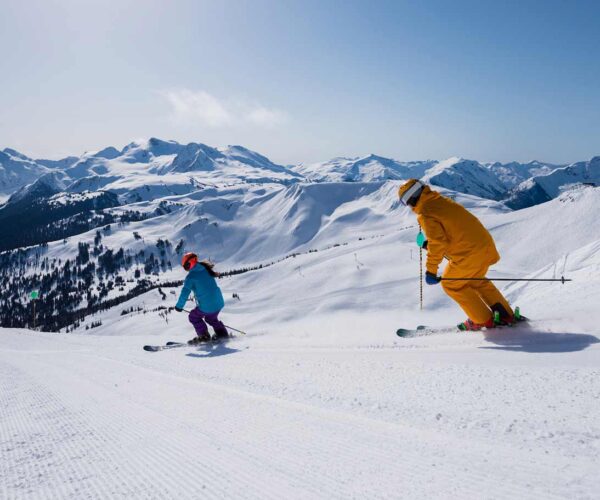
It really is! Skiing is one of the best forms of exercise out there because it works almost every part of your body. It’s a great cardiovascular workout, burns calories (around 400-600 calories per hour for an average skier), and strengthens your muscles, especially in the legs and core.
Unlike some workouts, skiing is also easy on the joints because of the smooth, flowing movements. So, not only are you working hard, but it doesn’t feel as tough on the body as running or high-impact sports. Plus, let’s be honest—skiing is way more fun than slogging it out on a treadmill.
How long does it take to get ski fit?

Ideally, you’ll want to give yourself 4-8 weeks to get properly ski-fit. This timeline gives you enough time to build strength, improve endurance, and practice your balance without overloading your body.
If you’re already reasonably active, you can get ski-fit in about a month, but for complete beginners, a couple of months will give you the best results. That said, even if you’re short on time, a few weeks of focused exercise can make a big difference. Let’s take a closer look at what’s possible in shorter time frames.
Can I get ski fit in 5 weeks?
5 weeks is a decent amount of time to build the core skills you’ll need on the slopes. Here’s a quick breakdown of what to focus on:
Weeks 1-2: Build a base with leg strength exercises (squats, lunges), core work (planks, Russian twists), and steady cardio (running, cycling).
Weeks 3-4: Increase intensity with HIIT workouts and add balance exercises (like single-leg squats or Bosu ball work).
Week 5: Fine-tune your routine, focusing on endurance and agility. If you’ve got access to a ski machine or cross-training machine at the gym, now’s the time to use it!
By the end of these 5 weeks, you should be feeling stronger, more balanced, and ready to hit the slopes with confidence.
Can I get ski fit in 2 weeks?
Two weeks isn’t ideal, but it’s better than nothing! In such a short time, you’ll want to focus on high-intensity workouts and ski-specific exercises. The goal is to maximise strength and endurance gains in a short window.
Try this two-week plan:
Days 1-7: Focus on full-body HIIT workouts that target your legs, core, and balance. Dedicate 3-4 days to strength training (squats, lunges, deadlifts) and 2-3 days to cardio (running, cycling, or using a cross-trainer).
Days 8-14: Increase the intensity. Add in plyometric moves like box jumps and lateral hops. Keep your rest periods short to boost endurance.
Remember to warm up and stretch properly to avoid injuries. Even though it’s a short timeframe, you’ll see improvements if you stick to it!
What other sports are good for ski fitness?

If the gym isn’t your thing, don’t worry—other sports can help you get ski-fit too. Here are a few that’ll help you prepare for the slopes:
Cycling: Great for building leg strength and endurance, cycling mimics some of the demands of skiing without the impact.
Running (especially trail running): Builds endurance, strengthens your legs, and improves balance, especially when running on uneven surfaces.
Swimming: Provides a full-body workout that strengthens your core, arms, and legs, while improving cardio fitness.
Rollerblading or ice skating: These activities are brilliant for balance and work many of the same muscles used in skiing.
Rock climbing: While it might not seem obvious, rock-climbing builds core strength, upper body strength, and improves grip—useful for when you’re holding ski poles.
Suggested ski workout plans

8-week plan (Beginner)
- Weeks 1-4: Focus on strength training (squats, lunges, deadlifts), core exercises (planks, crunches), and moderate cardio (running or cycling).
- Weeks 5-8: Add HIIT workouts and balance drills. Increase the intensity of strength exercises and cardio to improve endurance.
5-week plan (Intermediate)
- Week 1-2: Strength training, core stability, and moderate cardio.
- Week 3-5: Incorporate HIIT workouts, plyometrics (box jumps), and agility drills for better balance and endurance.
2-week intensive plan
- Days 1-7: Full-body HIIT workouts, focusing on legs, core, and endurance.
- Days 8-14: Increase intensity with plyometrics and fast-paced cardio sessions.
Additional tips for ski fitness success

Rest and recovery: Don’t overdo it. Make sure you rest between workouts to avoid injury and give your muscles time to recover.
Nutrition matters: Fuel your body with a good mix of carbs, protein, and healthy fats. Stay hydrated too!
Mental preparation: Skiing requires mental focus as much as physical fitness. Consider doing some balance work, yoga, or mindfulness exercises to help with concentration on the slopes.
Getting ski-fit doesn’t have to be complicated. Whether you’ve got two months or just two weeks, the right combination of strength, endurance, and balance exercises will set you up for success on the slopes. So, what are you waiting for? Start training, stay consistent, and get ready to enjoy your best ski season yet!
Get Skiing Insurance from SportsCover Direct
Of course, skiing is not something you can regularly participate in, in the UK. So, working on other fitness areas will help to give you confidence, minimise injury risk and maximise enjoyment. It is important to know that not all travel insurance policies cover winter sports, such as skiing as standard, so however fit you are, it’s important to check you’re fully protected before you embark on your first ski run.
SportsCover Direct’s ski insurance offers the essential cover to ensure you’re properly protected for your skiing premier. It offers cover for incidents such as cancellations, personal accidents, search and rescue, medical expenses, lost or stolen baggage and more.
Read more and get a quote online.
This blog has been created as general information and should not be taken as advice. Make sure you have the correct level of insurance for your requirements and always review policy documentation.