

If you’re looking for a great hiking destination, Italy can’t be beaten, not least due to its diverse environment. The country is renowned for its assortment of exciting, scenic hiking spots, with more than three-quarters of the country made up of mountains and highlands.
There’s a wide range of landscapes in what’s also known as Bel Paese, aka ‘The Beautiful Country’, including mountains, coastlines, national parks, and volcanic regions. This means you can absorb a variety of terrains and experiences. Not only this, but the network of well-marked hiking trails everywhere makes the country highly accessible for hikers of various skill levels. There are both challenging routes for experienced hikers and more relaxed paths suitable for beginners.
From hiking Italy’s Dolomites in the north to the Amalfi Coast in the south, you’ve plenty of locations to choose from. You can traverse lush meadows, explore coastal trails along the Mediterranean, and trek across volcanic terrain. The Italian Alps, including regions like the Dolomites and Gran Paradiso National Park, provide some of the most spectacular alpine hiking experiences. Trails consist of breathtaking mountain views, pristine lakes, and opportunities to spot captivating wildlife.
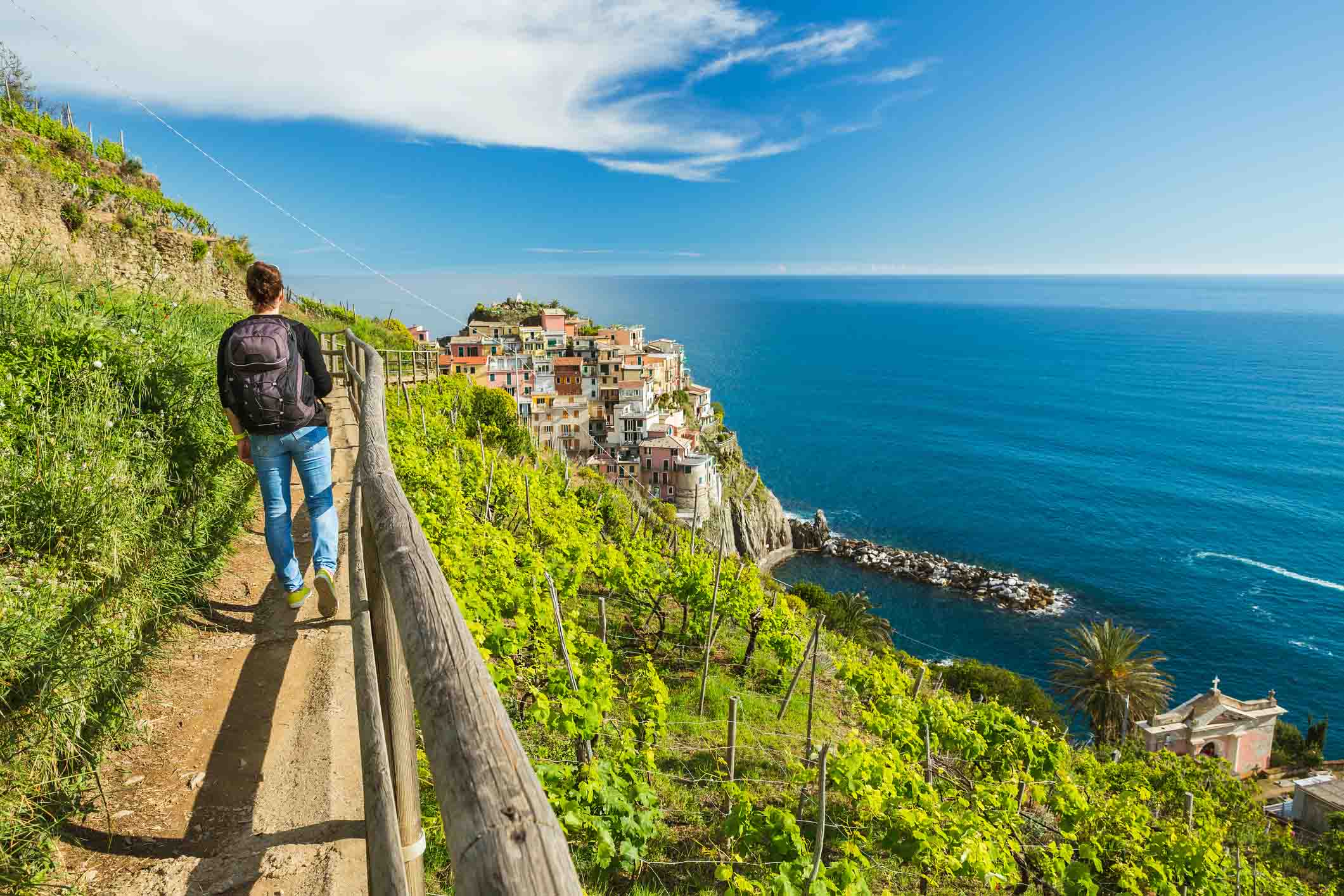
If sea views are more your vibe, the Cinque Terre on the Ligurian Coast and the Amalfi Coast are famous for their coastal hiking trails. The majority of the routes on these paths have stunning views of the ocean, picturesque villages, and cliffsides. Many hiking trails in Italy also pass through or lead to historical and cultural sites. You can explore ruins, medieval villages, and celebrated landmarks along your hiking routes.
Additionally, one of the undisputed pleasures of hiking in Italy is the opportunity to indulge in delicious local cuisine. Each region has its own specialities, and you can enjoy traditional dishes and local wines in charming villages along the way.
Find out more about where to go hiking in Italy in our complete guide, including tips and must-see landmarks.
The best hikes in Italy
Italy is home to plenty of stunning hiking destinations, so with all this incredible scenery and rich history, there are plenty of popular routes to explore. It’s essential to check trail conditions before setting out, along with weather forecasts and any local regulations. It’s also worth knowing that hiking in Italy may require permits or guided tours in some areas, especially in protected natural areas.
Here’s a guide to some of the best hiking spots in Italy, along with things to see and do in each area.
Cinque Terre National Park, Liguria
One of the most famous hikes in Italy is the Cinque Terre Coastal Trail.
Hiking trails – The Sentiero Azzurro (Blue Trail) connects the five colourful coastal villages.
Must-see – Vernazza, Manarola, and the panoramic views of the Ligurian Sea.
Tip – Try the local seafood and visit the vibrant markets.
Dolomites, Trentino-Alto Adige
Enjoy the region’s rich cultural blend of Italian and Austrian influences, against the dramatic peaks of the Dolomites.
Hiking trails – Alta Via 1 and Tre Cime di Lavaredo Circuit offer breathtaking mountain views.
Must-see – Tre Cime di Lavaredo peaks, Lago di Braies, and the charming alpine villages.
Tip -Explore the unique Ladin culture and cuisine in the region.
Gran Paradiso National Park, Aosta Valley
An unforgettable hiking adventure in this area contains magical trails, wildlife, and a variety of flora and fauna.
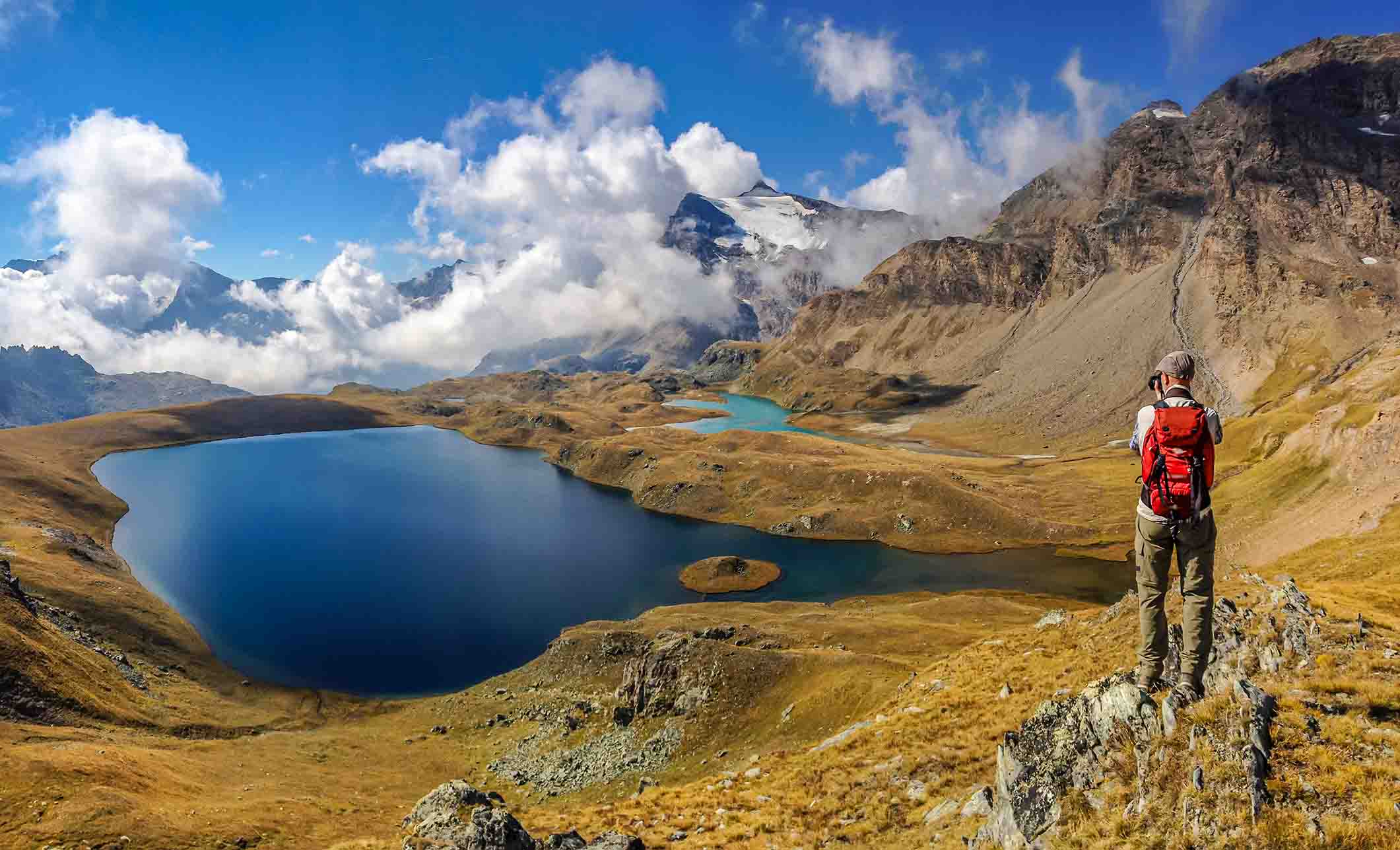
Hiking trails – Gran Paradiso Circuit and Colle del Nivolet showcase all manner of wildlife and a range of striking glaciers.
Must-see – Gran Paradiso summit, Chabod Hut, and the enchanting Orco Valley.
Tip – Keep an eye out for ibex, chamois, and marmots.
Amalfi Coast, Campania
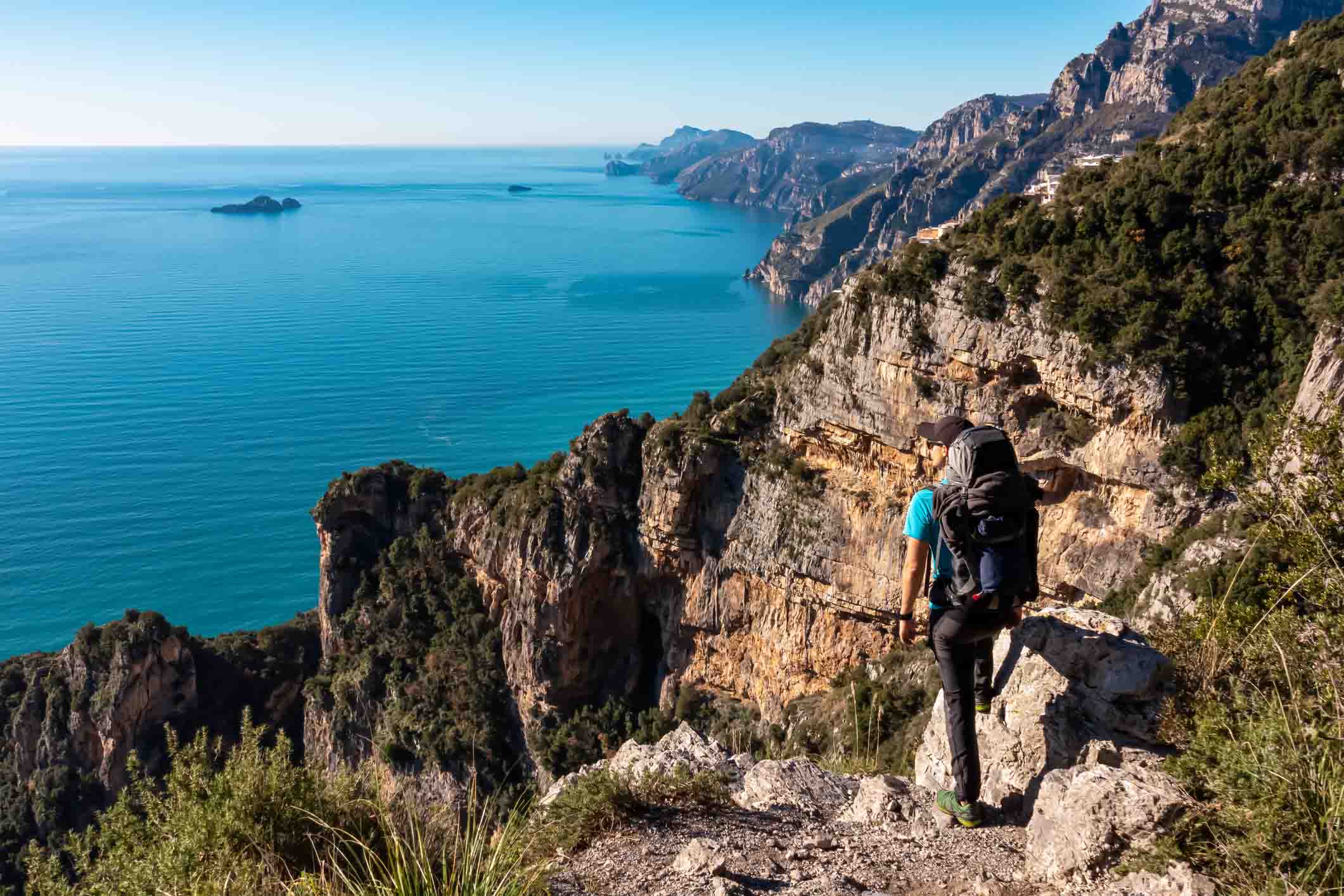
A must for hikers seeking a perfect blend of nature and culture, this area contains Italy’s iconic Walk of the Gods hike.
Hiking trails – Path of the Gods (Sentiero degli Dei) and Valle delle Ferriere offer coastal and mountainous views.
Must-see – Amalfi, Positano, and Ravello, with their stunning cliffside locations.
Tip – Indulge in local limoncello and fresh seafood.
Mount Etna, Sicily
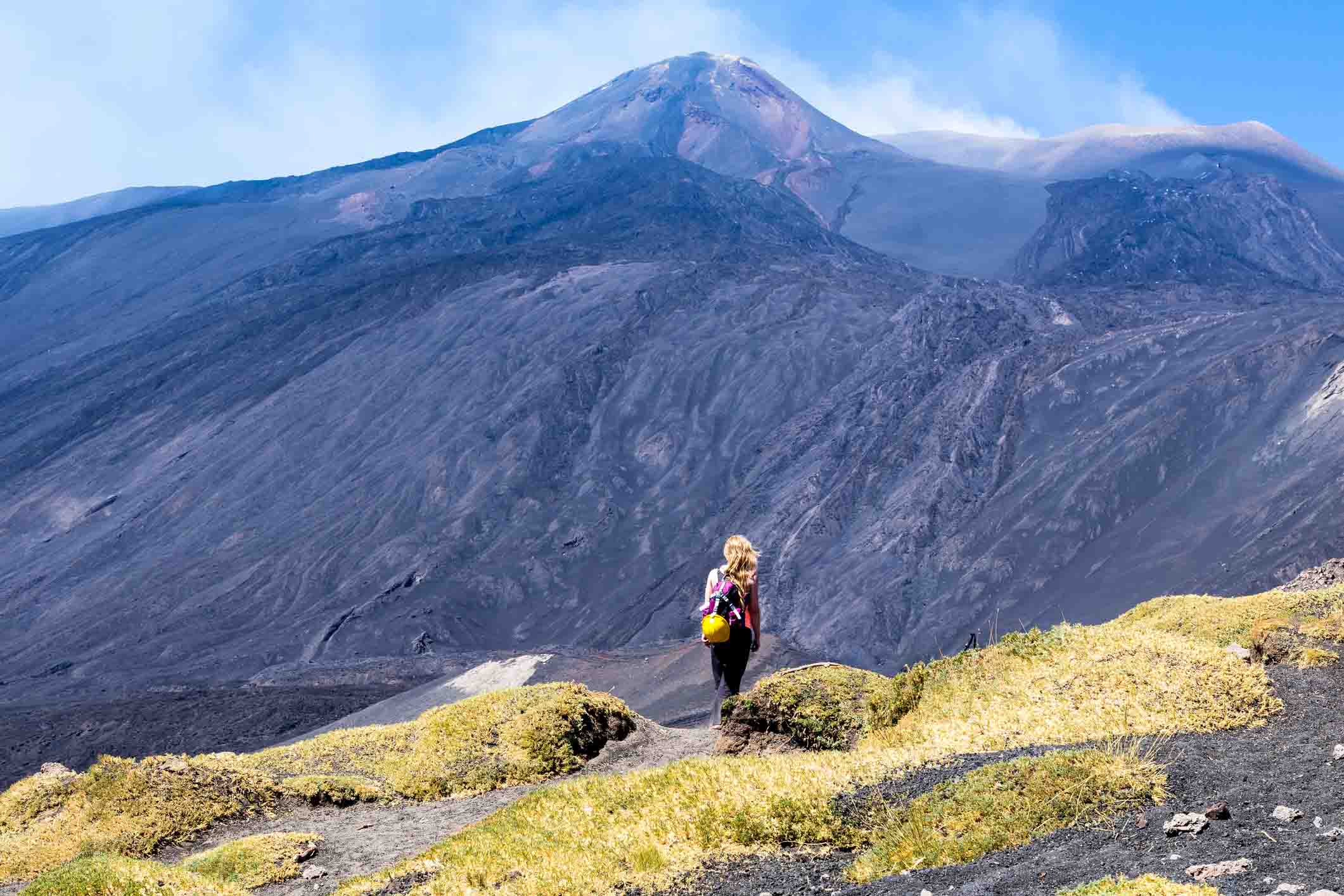
You might be surprised to hear that Mount Etna, Europe’s highest and most active volcano, offers unique hiking through lava fields, craters, and more.
Hiking trails – Summit craters and Valle del Bove provide diverse volcanic landscapes.
Must-see – Erupting craters, lava fields, and the unique flora adapted to volcanic soil.
Tip: Take a guided tour to explore safely and learn about the volcano’s geology.
Elba Island, Tuscany
Savour the tranquillity of this Mediterranean gem on the Tyrrhenian Sea.
Hiking trails: Monte Capanne offers panoramic views of the island and the Tyrrhenian Sea.
Must-see: Portoferraio, the island’s main town, and the historic Forte Stella.
Tip: Enjoy local wines and explore the island’s mining history.
Abruzzo National Park, Abruzzo
This lesser-explored region features pristine beauty and is a haven for nature enthusiasts.
Hiking trails: The Transhumance Trail and the trek to Campo Imperatore feature mixed landscapes to awe you as you walk.
Must-see: The Apennine Mountains, wildlife like wolves and bears, and traditional shepherd huts.
Tip: Try the regional cuisine, including hearty stews and local cheeses.
Val Grande National Park, Piedmont
Adventurous hikers will love the rugged beauty of this area.
Hiking trails: Alta Via dei Monti Lariani offers challenging routes in Italy’s largest wilderness area.
Must-see: Remote landscapes, dense forests, and shimmering lakes.
Tip: Plan ahead, as the area is wild and less developed for tourism.
Gargano National Park, Puglia
You won’t be disappointed with the Gargano National Park if you’re set on hiking Italy’s Puglia region, known for its breathtaking range of hiking trails.
Hiking trails: Sentiero Italia and Monte Sant’Angelo, with the ancient Forest Umbra, limestone plateaus, and secluded beaches along the Adriatic Sea.
Must-see: The historic Sanctuary of Monte Sant’Angelo, a UNESCO World Heritage Site.
Tip: Discover hidden coves and sea caves while enjoying panoramic views of the turquoise waters.
What are the longest hiking trails in Italy?
Italy contains numerous long-distance hiking trails, so if you’re a hardcore trekking enthusiast, you have more than enough opportunities to immerse yourself in the country over longer stretches. These trails vary in difficulty, so completing them requires careful planning and physical fitness.
Here are some of the longest and most notable hiking trails in Italy.
Alta Via 1 (AV1)
Location: Dolomites, Northern Italy.
Length: Approximately 120 kilometres (75 miles).
What to expect: Alta Via 1 offers classic long-distance hiking in Italy’s Dolomites, starting in Lago di Braies and ending in Belluno. The trail offers stunning views, passes through charming villages, and allows hikers to experience the unique culture of the region.
Alta Via 2 (AV2)
Location: Dolomites, Northern Italy.
Length: Approximately 150 kilometres (93 miles).
What to expect Running parallel to Alta Via 1, Alta Via 2 is another challenging trail in the Dolomites. It takes hikers through high-altitude landscapes and mountain passes, with breathtaking views of the surrounding peaks.
Sentiero Italia (Grand Italian Trail)
Location: Nationwide, covering the entire length of Italy.
Length: Approximately 6,166 kilometres (3,831 miles).
Description: Sentiero Italia is one of the longest hiking trails in Italy, spanning the entire country from the Alps in the north to the Mediterranean in the south. It offers a range of landscapes, from mountains to coastlines, allowing a pretty comprehensive exploration of Italy’s natural and cultural richness.
GTA – Grande Traversata delle Alpi (Great Alpine Crossing)
Location: Western Alps, Northern Italy.
Length: Approximately 1,000 kilometres (621 miles).
What to expect: The GTA is a long-distance trek that crosses the Western Alps, starting in the Aosta Valley and ending in Ventimiglia on the Mediterranean coast. The trail passes through remote mountainous areas with untouched natural habitats and charming villages.
Via degli Dei (Way of the Gods)
Location: Between Bologna and Florence, Central Italy.
Length: Approximately 130 kilometres (81 miles).
What to expect: Via degli Dei is a historic trail that follows the ancient Roman road connecting Bologna to Florence. It takes hikers through the Tuscan-Emilian Apennines, offering panoramic views and passing through picturesque villages.
Via Francigena
Location: Nationwide, from the Great St. Bernard Pass to Rome.
Length: Approximately 1,000 kilometres (621 miles) in Italy.
What to expect: Originally a medieval pilgrimage route, Via Francigena stretches from the Alps to Rome. The Italian section takes hikers through an assortment of landscapes, historic towns, and cultural sites.
Get trekking insurance with SportsCover Direct
Hiking in Italy is undoubtedly one of the most memorable active holidays you can take in Europe. Before taking off on any adventure, it’s good to have the arrangements in place to put your mind at ease should anything unexpected occur. That’s why taking out hiking insurance should always be an essential part of your planning.
SportsCover Direct’s trekking and hiking insurance gives you worldwide cover for peaks of up to 7,000 metres. Our travel insurance is designed to give financial protection for medical and repatriation costs, cancelled trips and more. You can also opt for a bolt-on to add to your existing policy, or sports accident insurance with personal liability.
Find out more and get a personalised quote online.