


Spain is a highly appealing cycling destination for UK cyclists, particularly in terms of safety. The country has invested significantly in cycling infrastructure, with extensive networks of dedicated bike lanes and paths, especially in urban areas and popular cycling regions like Catalonia and the Balearic Islands. Spain’s proactive safety measures and cyclist-friendly infrastructure make it an attractive and safer option for cycling enthusiasts.
Spain has specific laws for cycling and ignorance of these laws can lead to fines or accidents. Proper preparation and adherence to local laws not only protects you but also contributes to a positive reputation of tourists among locals, promoting mutual respect and safety on the roads.
Below you’ll find an overview of the basic cycling rules and laws to follow in Spain, information to help you in the event of an accident and what penalties to expect if you fail to adhere to them.
Basic Cycling Rules in Spain
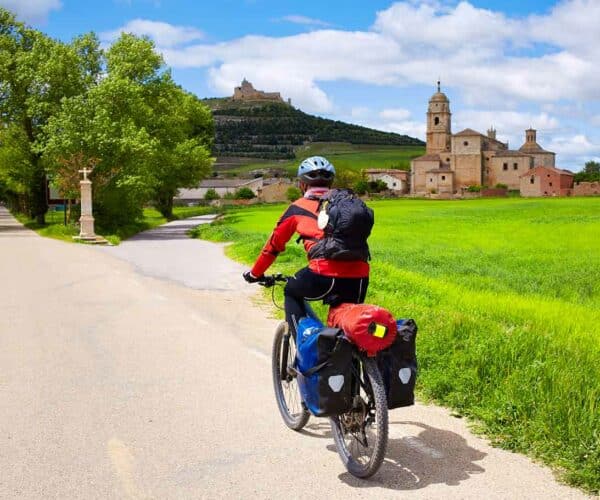
When cycling in Spain, you are generally prohibited from riding on motorways (autopistas) and some dual carriageways (autovías), except where expressly permitted by signs. It is also illegal to ride a bike on the pavement unless explicitly indicated with signs. Cyclists must obey all traffic signals and signs just like motor vehicle drivers.
When bike lanes are available, cyclists are required to use them. In the absence of bike lanes, you should ride as close to the right side of the road as possible, except when preparing to turn left, overtaking, or avoiding obstacles. Following these traffic rules is a necessary precaution for the safety of both cyclists and other road users in Spain.
Speed Limits for Cyclists
Regarding speed limits, there are no specific speed limits for cyclists on open roads, but general road safety rules apply. In urban areas, however, you must comply with local speed limits, which may be as low as 20 or 30 km/h on certain roads to enhance safety for all road users.
The maximum speed for bicycles is generally the same as for motor vehicles, but cyclists should adjust their speed to ensure safe riding conditions. These laws are enforced by local and national police, and non-compliance can result in fines. You should also be aware of any regional variations in cycling regulations.
Passing and Overtaking
Cyclists are allowed to overtake other vehicles, including cars, but must do so with caution and maintain a safe distance. When overtaking motor vehicles, cyclists should leave a gap of at least 1.5 meters to avoid collisions.
It is important to signal your intention to overtake by using hand signals to inform other road users. When overtaking another cyclist, the same rule of maintaining a safe distance applies.
Cyclists should ensure the overtaking manoeuvre is completed smoothly and safely, especially in areas with heavy traffic or narrow roads. In shared spaces, such as pedestrian zones where cycling is allowed, you must be particularly cautious. They should reduce speed, give priority to pedestrians, and use a bell or verbal warning to alert others of their presence when overtaking.
Mandatory Gear and Equipment
Helmets: When and Where They Are Required?
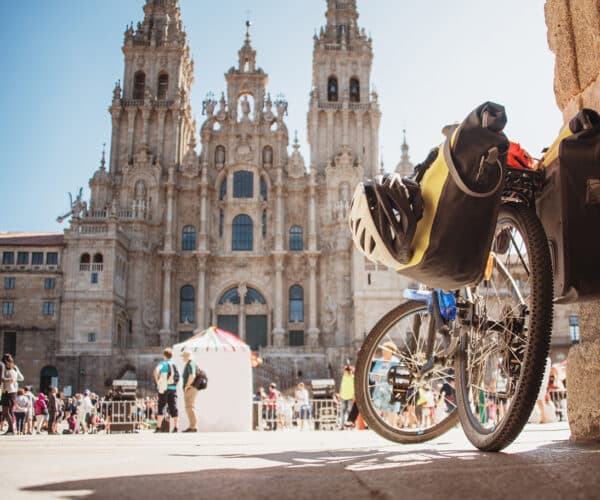
In Spain, bike helmet laws are designed to enhance safety for cyclists, with specific rules depending on the location and age of the cyclist. Helmets are mandatory for all cyclists, regardless of age, when riding outside urban areas.
In urban areas, helmet use is not mandatory for adult cyclists. However, it is highly recommended for safety. Children under the age of 16 are required to wear helmets at all times, regardless of whether they are riding in urban or non-urban areas.
Lights and Reflectors: Visibility Essentials
Bicycles must be equipped with specific lights and reflectors to ensure visibility and safety, especially during low light conditions or at night.
Front Light: Bicycles must have a white light on the front that is visible from a distance of at least 150 meters. This light helps cyclists see the road ahead and makes them visible to others.
Rear Light: A red light on the rear of the bicycle is mandatory. Like the front light, it should be visible from a distance of at least 150 meters, alerting vehicles approaching from behind.
Reflectors: In addition to lights, bicycles must also be equipped with reflectors. There should be red reflectors on the rear of the bicycle and white or yellow reflectors on each pedal.
Traffic Rules and Signals
In Spain, cyclists generally follow the same rules of the road as motor vehicles, but there are some specific regulations regarding their right of way in certain situations.
Cyclists on bike lanes:
If there are designated bike lanes, cyclists have the right of way within those lanes. Motor vehicles should yield to cyclists when they are in the bike lane.
Multi-use paths:
On paths shared with pedestrians, cyclists should yield to pedestrians and give them the right of way. They should pass pedestrians at a safe speed and distance and signal their presence when approaching from behind.
Hand Signals
These hand signals help you communicate your intentions to motorists, pedestrians, and other cyclists on the road, promoting safety and reducing the risk of accidents. It’s important for cyclists to use these signals clearly and in advance of making any manoeuvres, giving other road users ample time to react.
You must use hand signals to indicate turns or stops. The left arm is extended to indicate a left turn, and the right arm for a right turn. For stopping, the left arm is bent upwards at the elbow.
Prohibited Areas and Behaviours
In Spain, like in any country, there are certain areas and roads that you may, when cycling, want to avoid due to safety concerns or legal restrictions.
Cycling on highways and motorways is generally prohibited in Spain due to safety reasons. These roads have high-speed traffic and are not designed for non-motorised vehicles.
Some tunnels may prohibit cyclists due to safety concerns, lack of adequate shoulder space, or poor visibility. Always check signage and local regulations before attempting to cycle through a tunnel.
Certain urban areas may have restrictions on cycling, such as pedestrian-only zones, bus lanes, or areas with limited access for non-residents. Pay attention to signage and markings to avoid cycling in restricted areas.
Alcohol and Cycling
Cyclists are subject to the same blood alcohol concentration limits as drivers of motor vehicles. The legal limit for blood alcohol concentration (BAC) while cycling in Spain is 0.5 grams per litre. Exceeding this limit is considered a traffic offense and can result in fines, license suspension, and other penalties.
Cycling under the influence of drugs, including illegal substances or prescription medications that impair one’s ability to operate a bicycle safely, is also prohibited.
Law enforcement officers in Spain have the authority to conduct alcohol and drug tests on cyclists if they suspect impairment. Random checks or checkpoints may be set up to detect and deter cycling under the influence.
Dealing with Accidents and Emergencies
Prioritise Your Safety:
First and foremost, check yourself and others involved in the accident for injuries. If anyone is seriously injured, call emergency services immediately by dialling 112, which is the emergency number in Spain.
Exchange Information:
Exchange contact and insurance information with any other parties involved in the accident, including drivers, pedestrians, or other cyclists. Collect names, addresses, phone numbers, vehicle registration numbers, and insurance details.
Document any details:
Take photos of the accident scene, including any damage to your bicycle, vehicles involved, road conditions, and any relevant signage or landmarks. This documentation may be useful for insurance claims or legal proceedings.
Report the Accident:
Depending on the severity of the accident, you may need to report it to the local police. They can assist with documentation, investigation, and filing a report, which may be necessary for insurance claims or legal proceedings.
Contact Your Insurance Provider:
Notify your travel insurance provider or any relevant insurance companies about the accident as soon as possible. Provide them with all necessary information and documentation to initiate a claim.
Contacting Emergency Services in Spain
Call 112! If anyone is injured in an accident, call emergency services immediately by dialling 112 in Europe. Provide details about the location of the accident, the number of people involved, and the nature of any injuries. Follow any instructions provided by emergency dispatchers and provide assistance to injured parties while waiting for help to arrive.
What are the penalties in Spain for breaking cycling laws?
The fines for breaking cycling laws in Spain can vary depending on the specific offense and the severity of the violation. Here are some common examples of cycling violations and their associated fines:
Cycling Under the Influence
If caught cycling under the influence of alcohol or drugs, cyclists may face fines ranging from 500 to 1,000 euros, depending on the severity of the offense and any resulting accidents or injuries.
Running Red Lights or Stop Signs
Failure to obey traffic signals or stop signs while cycling can result in fines ranging from 200 to 500 euros, depending on the specific circumstances and whether the violation leads to a collision or endangers others.
Riding on Pavements
Cycling on pavements where it is prohibited can lead to fines ranging from 30 to 200 euros, depending on local regulations and the level of enforcement.
Riding Without Lights
Cycling without proper lights and reflectors, especially at night or in low-light conditions, can result in fines ranging from 30 to 200 euros, depending on the severity of the violation and local regulations.
Ignoring Pedestrian Crossings
Failing to yield to pedestrians at crossings while cycling can lead to fines ranging from 30 to 200 euros, depending on the circumstances and any resulting accidents or injuries.
Riding in a Reckless or Dangerous Manner
Cycling in a reckless or dangerous manner that endangers others or causes property damage can lead to fines ranging from 200 to 1,000 euros, depending on the severity of the offense and any resulting consequences.
Further Resources for Cycling in Spain
One official website where you can find information on cycling laws in Spain is the website of the Dirección General de Tráfico (DGT), which is the Spanish Directorate-General for Traffic. They provide comprehensive information on traffic regulations, including laws and safety guidelines related to cycling.
The website is available in Spanish, but you can use translation tools or browser extensions to translate the content into your preferred language.
Get Cycling Travel Insurance with SportsCover Direct
Preparing for cycling abroad includes knowing about the countries rules and regulations to protect yourself as well as other people. Cycling Travel Insurance should also be part of your preparation.
Even if your cycling would be considered relatively low risk, taking out comprehensive insurance cover is so important. At SportsCover Direct, we provide affordable cycling insurance to riders of all levels of ability and experience, and all types and value of bikes. So, if you get injured while riding, injure someone else, suffer damage to your bike or equipment, or your cycling trip is disrupted, we can make sure you don’t end up out of pocket.
Our policies are available through flexible payment plans and start at just a few pounds a month. Take a closer look at our cycling insurance options today.
This blog has been created as general information and should not be taken as advice. Make sure you have the correct level of insurance for your requirements and always review policy documentation.