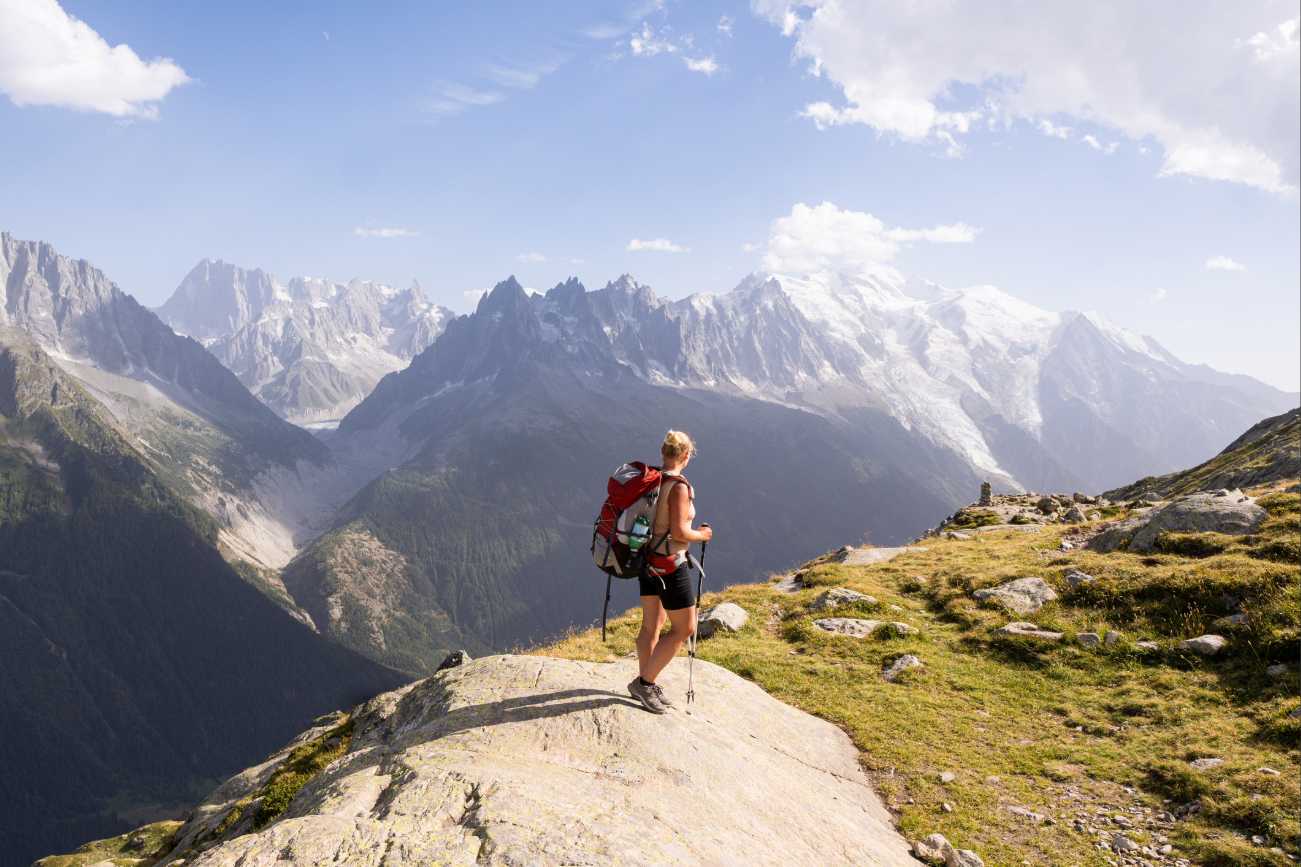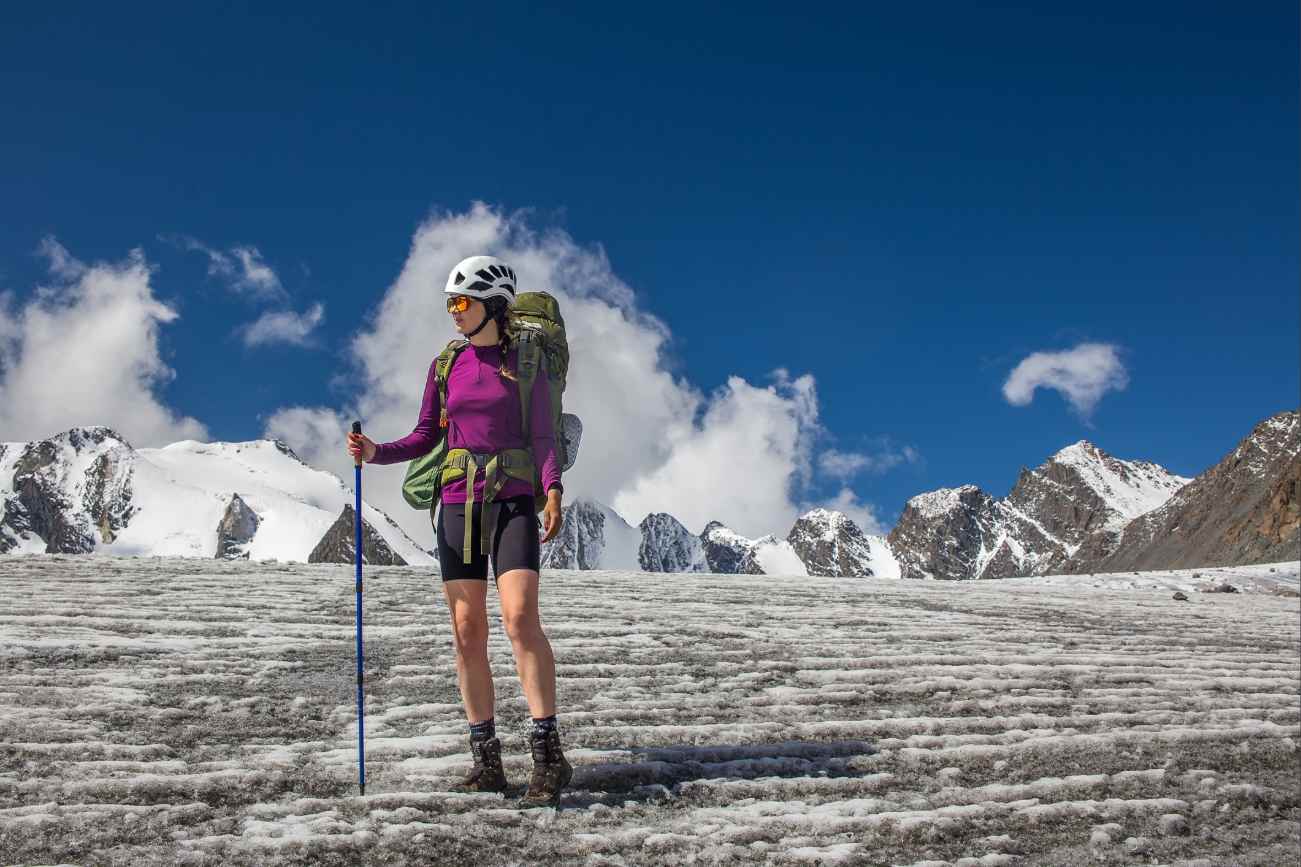


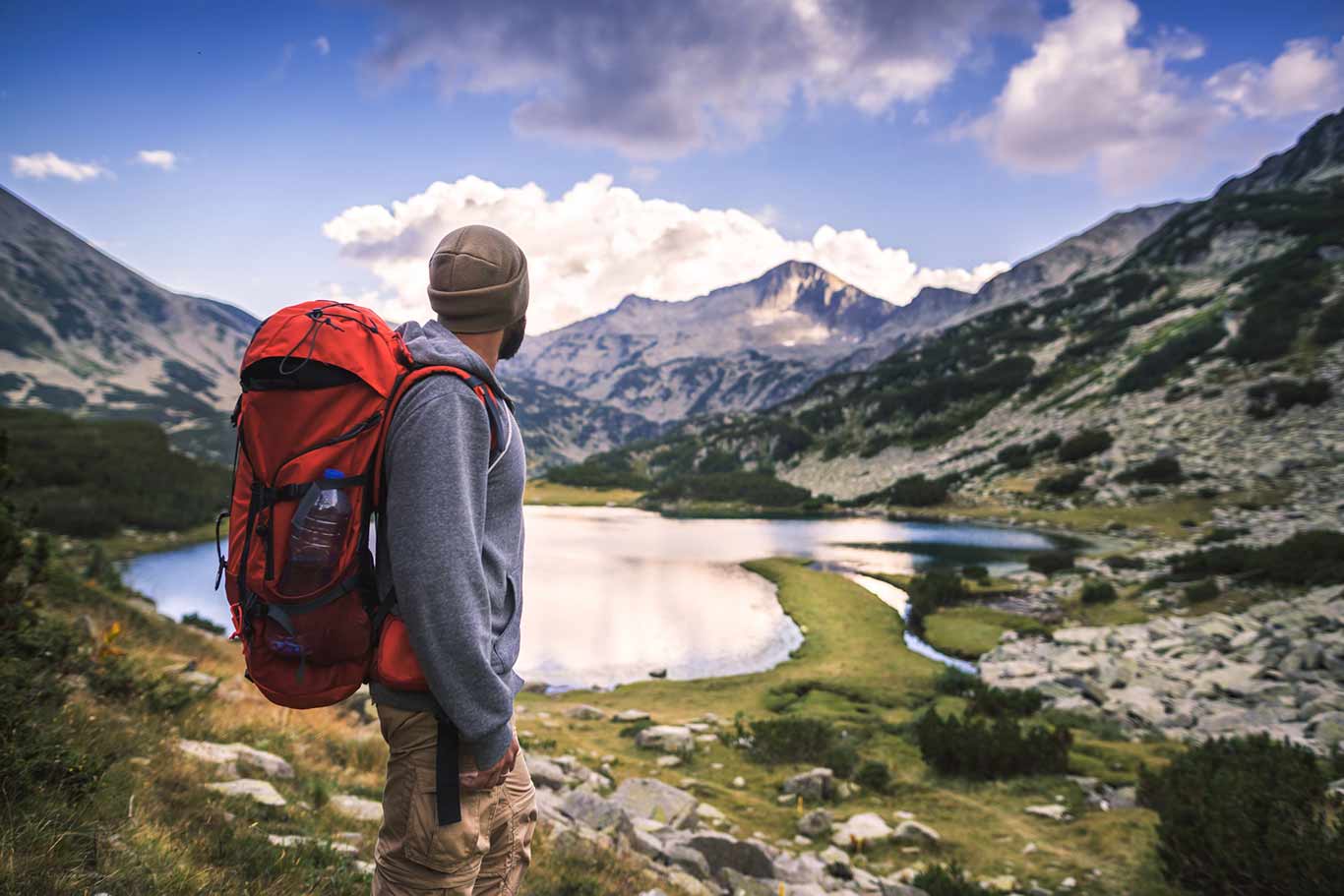
Planning to tackle a long hike? Whether you’re heading out to conquer the scenic peaks of the UK or embarking on an adventurous trek abroad, preparing your body is key to making the journey both enjoyable and safe. This blog will take you through what you need to know to prepare for a hike, from fitness tips and gear essentials to altitude prep and safety considerations.
So, whether you’re a newbie or an experienced hiker looking to level up, we’ve got you covered. Let’s get you ready for your next big adventure!
How to get in shape for a long hike
First things first—building up your fitness level is crucial for a successful hike, especially if you’re planning something long or challenging. Here’s how to start:
Building Endurance
Hiking is a serious workout, especially for your legs and lungs. To build endurance, try cardio exercises like brisk walking, running, swimming, or cycling. Start with shorter walks and gradually increase the distance.
Aim for 3-4 cardio sessions a week and make sure to include one long walk each week, gradually extending the distance.
Strength Training
It’s not just about cardio—strength training is just as important. Exercises that focus on your legs (think lunges, squats, and step-ups) will help you power up hills, while core and back exercises (planks, bridges) will prepare you for carrying a heavy backpack. A couple of strength sessions a week can make a huge difference.
Flexibility and Balance
Flexibility is your secret weapon for preventing injuries. Include yoga or regular stretching into your routine, especially focusing on your calves, hamstrings, and hips. Balance exercises will help you handle uneven terrain with ease—simple things like standing on one leg or using a balance board work wonders.
How to prepare for a 40km walk
A 40km walk is no joke, and it’s a solid milestone for anyone looking to get into long-distance hiking. So, how do you prep for such a challenge?
Setting Realistic Training Goals
Start small and work your way up. Begin by walking shorter distances, around 10-15km, and gradually increase this by about 10% each week. Your goal should be to comfortably walk about 30-35km before attempting the full 40km. Break up your training over 8-12 weeks for the best results.
Backpack Training
Make sure you train while carrying the gear you plan to bring on your hike. Start with a lighter pack and add weight as your training progresses. This way, your body gets used to carrying the extra load, and you’ll avoid nasty surprises on the day.
Pacing and Rest
Long walks require smart pacing. Don’t burn out in the first few hours—start slow, find a rhythm, and make sure to incorporate regular breaks for snacks, hydration, and stretching.
How to prepare for a long trek
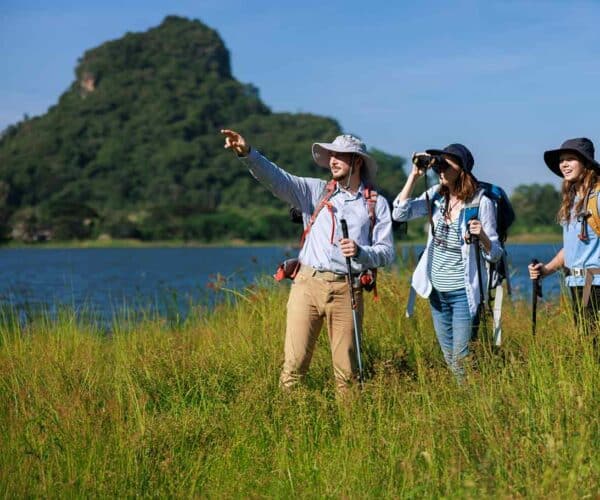
So, you’ve tackled long day hikes and are now eyeing multi-day treks? Great! Here’s how to build up the stamina and mental toughness for that:
Building Multi-Day Stamina
Multi-day treks are a different beast because you’re pushing your body day after day. To prepare, mix in consecutive training days, where you walk long distances on back-to-back days. This will mimic the demands of a multi-day trek and help your body adjust to constant use.
Trekking-Specific Exercises
Hills and stairs are your best friends for this one. Hill repeats and stair climbing will get your legs ready for steep, relentless ascents. Try to find some real terrain to train on—this will not only boost your fitness but also give you confidence on uneven paths.
Mental Preparation
Long treks are as much a mental game as a physical one. Prepare for the mental challenge by embracing discomfort during training, like walking in less-than-ideal weather or on challenging terrain. Also, practice mindfulness or breathing exercises to help you stay focused when things get tough.
How to train for a hike
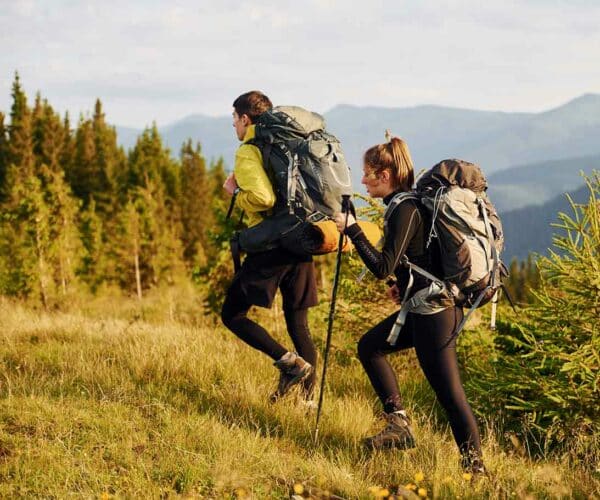
Getting into shape for a long hike takes time. Here’s a step-by-step approach:
Gradual Progression
Set a training schedule and increase your walking distance and intensity gradually. If you have 12 weeks to prepare, start with easy walks and work your way up. Make sure to include at least one challenging hike each week to simulate the real thing.
Incorporating Rest Days
It’s easy to overdo it, so don’t forget to rest. Your body needs time to recover, especially after long hikes or strength training. A good rule of thumb is to take one or two rest days each week.
Cross-Training Activities
Adding activities like swimming, cycling, or even Pilates into your routine can strengthen muscles that don’t get as much attention when walking. Plus, cross-training can reduce the risk of overuse injuries from too much repetitive walking.
Hiking at Altitude
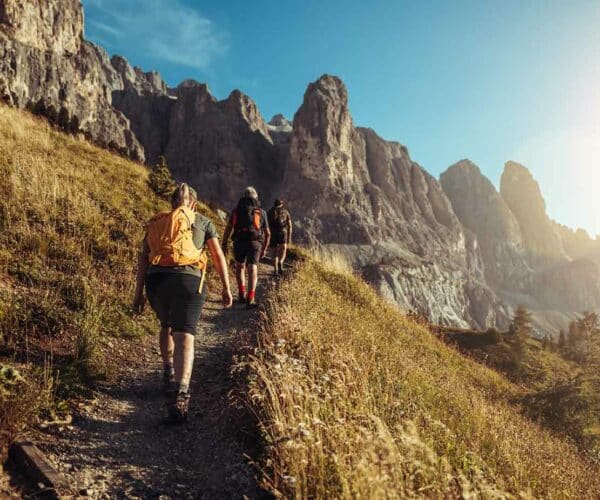
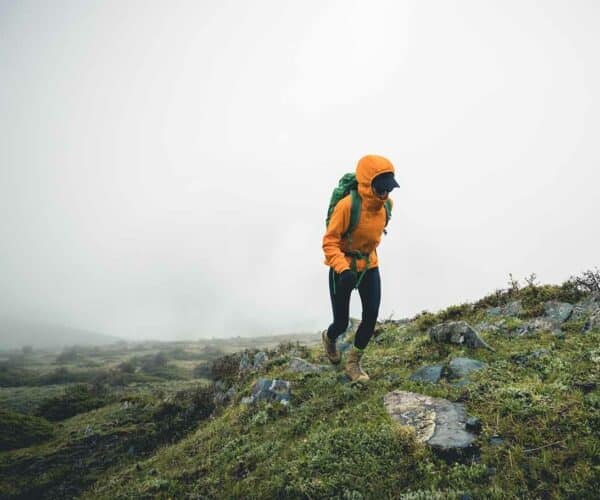
Altitude adds a new level of challenge to hiking, especially for those who are used to sea-level hikes in the UK.
What to Expect When Hiking at High Elevations
At higher elevations, the air is thinner, which can lead to breathlessness and fatigue. Even the fittest hikers can struggle, so don’t be surprised if you need to slow down.
How to acclimatise to high-altitude hiking
To prevent altitude sickness, spend time acclimatising by climbing slowly, staying hydrated, and taking regular breaks. If possible, spend a few days at a higher altitude before tackling a big ascent. Training at higher elevations in the weeks leading up to the hike can also help.
Preventing Altitude Sickness
Common symptoms include headaches, dizziness, and nausea. The best way to avoid this is to take your time and listen to your body. If you start to feel unwell, descend to a lower altitude immediately.
What to take on a hike
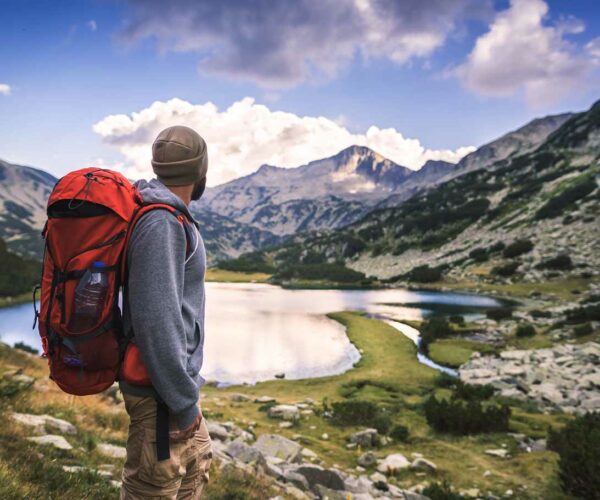
Packing the right gear is just as important as training. Here’s a breakdown of what to bring on your long hike:
Essential Gear for a Long Hike
Footwear: Sturdy hiking boots or shoes are non-negotiable. Make sure they’re well broken in!
Clothing: Layering is key. Start with a moisture-wicking base layer, add an insulating layer, and top it off with a waterproof jacket.
Navigation Tools: Even if you’re familiar with the route, carry a map, compass, or GPS.
Hydration System: Bring enough water or a filtration system if you’re hiking somewhere remote.
Headlamp: Even if you don’t plan to hike in the dark, emergencies happen.
Packing Smart
Keep your pack light, but make sure to carry enough food, water, and safety gear. Always have a first-aid kit, multitool, and some form of emergency shelter (a lightweight tarp or emergency blanket). Practice packing and carrying your bag during training hikes to avoid unnecessary strain on your back.
Nutrition and Hydration
Aim to drink water regularly, not just when you’re thirsty. Electrolyte tablets or sports drinks can help replenish what you lose through sweat. Pack snacks like trail mix, energy bars, or dried fruits to keep you fuelled.
Other preparations for hiking
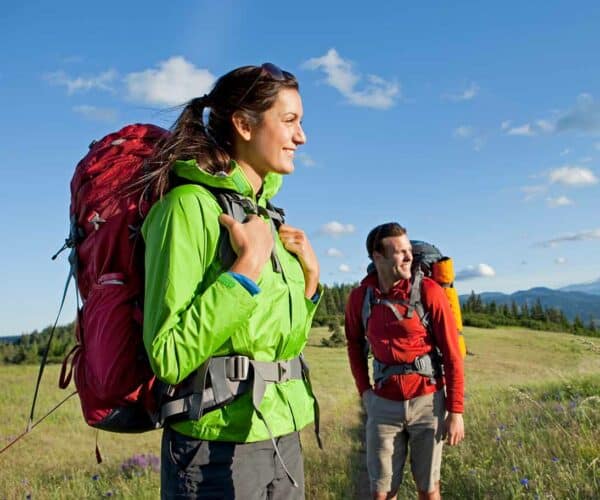
Planning Your Route
Whether you’re hiking in the UK or abroad, always plan your route ahead of time. Know the trail conditions, estimated hiking times, and available resources along the way. Apps like OS Maps or Komoot can be handy, but always have a backup plan, like a printed map, in case your phone dies.
Weather Awareness
UK weather is unpredictable, so be prepared for anything. Check the forecast before you set out, but also be ready for sudden changes. Carry waterproofs even on sunny days and make sure your clothing is suitable for both hot and cold conditions.
Footwear and Clothing Choices
Hiking boots are essential, but so are proper socks. Look for moisture-wicking, anti-blister socks, and make sure they fit snugly with your boots. Layers are key when it comes to clothing, as they allow you to adjust based on the weather.
Safety Considerations
First Aid on the Trail
A small first-aid kit is essential. Make sure it includes bandages, blister treatments, antiseptic wipes, and painkillers. Know how to use everything in your kit and consider taking a basic first-aid course if you’re heading into more remote areas.
Emergency Preparedness
Always tell someone your route and expected return time before heading out. Carry an emergency whistle and know how to signal for help if needed. If you’re going into more remote areas, consider bringing a personal locator beacon (PLB) for added safety.
Hiking Alone vs. in a Group
Solo hiking can be peaceful, but it comes with risks. Make sure you’re well-prepared and confident in your abilities. In a group, designate a leader and stick together, especially in challenging conditions.
Foot Care for Long Hikes
Your feet are your most important asset on a hike, so take care of them!
Preventing Blisters and Injuries
Blisters are a common hiking woe. To prevent them, make sure your boots fit properly, and wear moisture-wicking socks. Applying blister tape or moleskin to hot spots before they become an issue can save your hike.
Stretching and Cooling Down
After a long hike, spend a few minutes stretching your feet and legs. This will help prevent soreness and keep your muscles in good condition for the next day.
Hiking Nutrition: What to Eat Before, During, and After
Pre-Hike Nutrition
Before a big hike, fuel up with a meal rich in complex carbs—think porridge, whole grain toast, or a banana. You’ll want slow-release energy to sustain you for the day.
Trail Snacks and Meals
For long hikes, pack energy-dense snacks like trail mix, energy bars and dried fruits. On multi-day hikes, consider freeze-dried meals for a lightweight, hearty dinner.
Post-Hike Recovery
After a long day on the trail, it’s important to refuel with a mix of protein and carbs. A protein shake, some nuts, or even a big meal will help your muscles recover and get you ready for the next adventure.
Get Hiking & Trekking Insurance from SportsCover Direct
It’s important to be aware of the risks associated with hiking as well as the benefits it can bring. Situations can occur that are beyond your control whether you’re hiking in the UK or on a trip abroad.
This is why specialist hiking and trekking insurance is essential, and why we’ve been insuring hiking enthusiasts like you for more than a quarter of a century. We can support you financially if your luggage is lost, stolen or damaged; if your travel plans are disrupted; if you suffer an accident or injury and need emergency rescue; and if you require healthcare over and above the limits of your European or Global Health Insurance Card.
Take a closer look at our affordable, flexible hiking and trekking insurance policies today.
This blog has been created as general information and should not be taken as advice. Make sure you have the correct level of insurance for your requirements and always review policy documentation.