


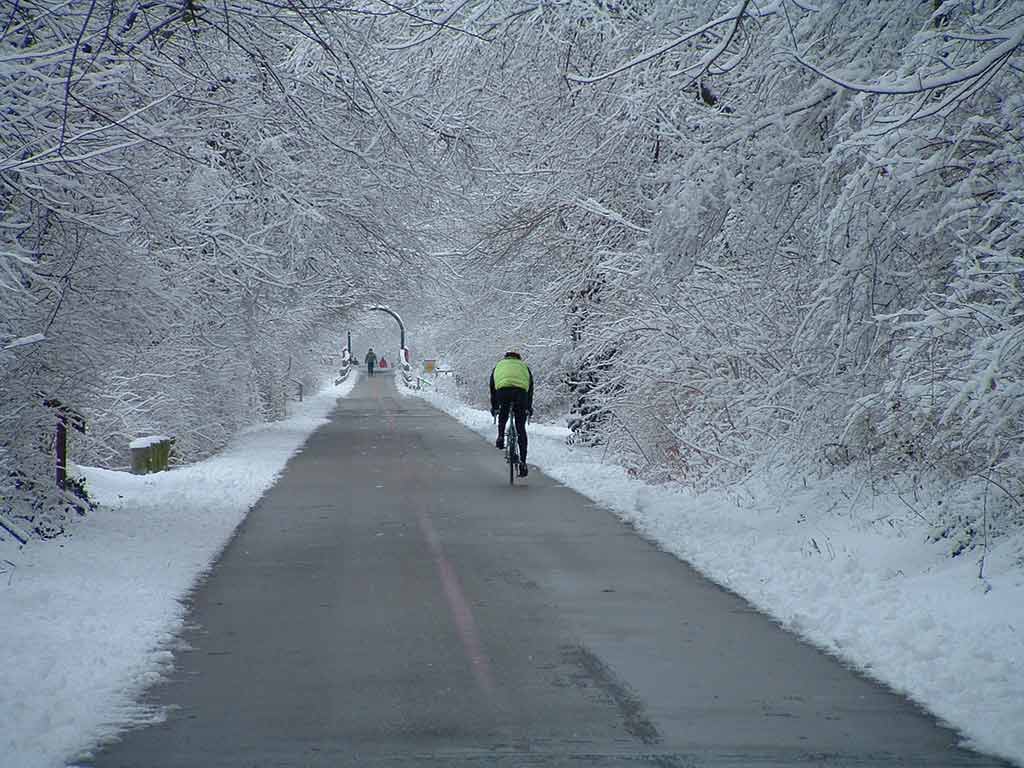
Winter can be an intimidating time to ride your bike, especially if you’re new to the sport. However, with the right preparation, equipment, and mindset, road biking during the winter months can be not only manageable but also enjoyable.
Cycling remains a popular sport throughout the winter with hardy cyclists committed to the road in the coldest months, so there’s no reason this shouldn’t be you. There are some safety considerations not to ignore and it’s worth knowing where to get the most suitable clothing.
To avoid being daunted by road biking in winter, this guide will answer common questions about winter cycling and provide you with the tips you need to keep riding through the colder months safely and comfortably.
Can I ride a road bike in winter?
Absolutely! Winter riding is possible with a few adjustments. Many cyclists continue their regular rides throughout the year, despite the colder, wetter conditions. With the right clothing and some smart bike modifications, road cycling in winter can be a great way to stay fit, maintain your riding routine, and challenge yourself in new ways.
Of course, winter riding does come with its unique set of challenges, such as wet roads, shorter daylight hours, and cooler temperatures. But it’s also rewarding. You’ll find quieter roads, and you’ll strengthen your resilience as a cyclist by braving the elements.
Is it good to cycle in winter?
Yes, cycling in winter has plenty of benefits. For starters, you’ll maintain your fitness and be in great shape when spring rolls around. Winter cycling helps build mental resilience and improves your handling skills. You’ll also become more confident dealing with adverse weather conditions, which can be a real bonus in unpredictable UK weather.
In addition to the fitness benefits, there’s something quite peaceful about winter cycling. With fewer cyclists and less traffic on the roads, you can enjoy quieter routes and a different perspective on familiar rides.
How cold is too cold for cycling in the UK?
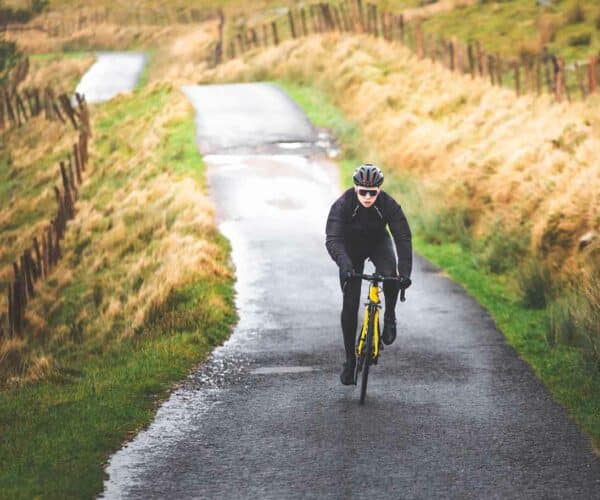
UK winters are generally mild compared to other countries, but it can still get cold enough to make road cycling uncomfortable or even unsafe. Anything below freezing (0°C) is where caution is really needed. Not only does the cold bite harder, but you also have to contend with ice, frost, and sometimes snow on the roads, especially in rural areas.
The decision of when it’s too cold often comes down to road conditions. Icy patches can be hard to spot and can make cycling hazardous. Many cyclists find that between 0°C and 5°C is their lower limit, but some ride happily below this, provided the roads are clear of ice.
Wind chill can make a significant difference. Even if the temperature says 3°C, wind and moisture in the air can make it feel much colder. A good rule of thumb is that if you’re finding it hard to keep warm, or the road conditions are becoming dangerous due to frost or ice, it might be time to reconsider.
What adjustments to make on your road bike in winter
Winter weather can be tough on your bike, so it’s important to make a few adjustments to keep it running smoothly and safely.
Mudguards (Fenders)
These are a must-have for winter riding in the UK. They’ll protect you from the spray of wet and muddy roads, keeping you and your bike cleaner and dryer. Full mudguards offer the most protection.
Lower tyre pressure
Reducing tyre pressure slightly gives you better grip on wet or slippery surfaces. Aim for around 10-15 psi lower than usual.
Check your brakes
Wet roads can reduce braking efficiency, so make sure your brake pads are in good condition. Disc brakes are particularly good in winter conditions, but rim brakes work too if properly maintained.
Lubricate your chain
Winter weather can be harsh on your drivetrain. Clean and lubricate your chain regularly to prevent rust and keep everything running smoothly.
Do you need winter tyres on a road bike?

Winter tyres aren’t essential, but they can be a good idea if you’re planning to ride a lot through the colder months. Winter-specific tyres are designed with extra grip and puncture resistance, which is useful on slippery or debris-covered roads.
If you don’t want to invest in new tyres, consider using wider tyres (25-28mm or more) with more tread. They offer better grip and stability, especially in wet conditions. Tubeless tyres or tyres with puncture protection can also save you from those frustrating roadside repairs in the cold.
What to wear for road biking in winter
The secret to winter cycling comfort is layering. You’ll need to stay warm without overheating, and layers give you the flexibility to adjust your clothing as your body warms up.
Base layers
Start with a moisture-wicking base layer to keep sweat off your skin. Merino wool is a great option as it stays warm even when damp.
Mid-layer
Add an insulating mid-layer, such as a thermal jersey, to trap warmth.
Outer layer
Top it off with a windproof and waterproof jacket to protect you from the elements. Make sure it’s breathable to avoid overheating.
Gloves, hats, and overshoes
Keeping your extremities warm is key. Wear insulated gloves, a thermal hat or headband under your helmet, and waterproof overshoes to protect your feet from cold and wet conditions.
Visibility
Winter days are short, and visibility can be poor due to fog or rain. Wear high-visibility clothing and use bright lights (both front and rear) to ensure you’re seen on the road.
Dangers of road biking in winter
Ice and frost
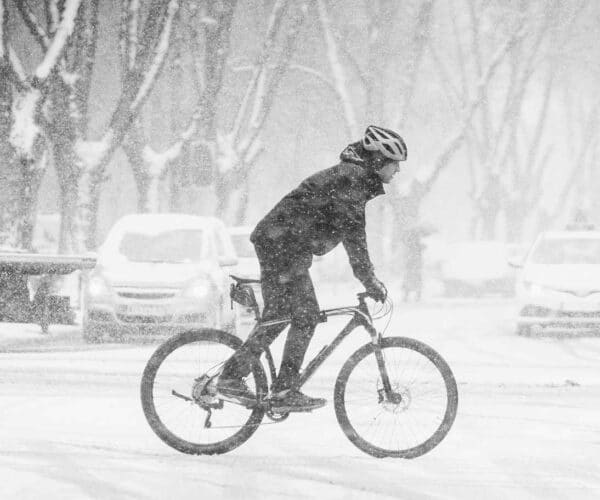
Roads can be slippery and dangerous, especially in the early morning or late evening when temperatures drop.
Tips to follow:
- Check the weather forecast and consider delaying your ride if freezing temperatures are predicted.
- Opt for roads that are more likely to be gritted or cleared of ice, such as main roads.
- Fit your bike with winter tyres or studded tyres to improve grip on icy surfaces.
- Ride at a slower speed and be cautious when turning, as sudden movements can lead to slips.
Reduced visibility
Shorter daylight hours, fog, and rain can reduce how well you see and are seen by others on the road.
Tips to follow:
- Use front and rear lights, even during the day, to make yourself more visible.
- Wear bright or reflective clothing to increase your visibility to other road users.
- Keep a pair of clear or light-tinted glasses handy to protect your eyes in low-light conditions without obscuring your vision.
- Avoid riding close to the kerb where visibility to other drivers is even lower.
Wet leaves and debris
Wet leaves can be as slippery as ice, and winter roads are often strewn with debris like gravel, which can cause punctures or slips.
Tips to follow:
- Avoid riding directly over wet leaves or piles of debris; instead, steer around them when safe.
- Slow down and keep your bike more upright when you encounter potentially slippery patches.
- Consider using wider tyres with more tread for better grip on wet surfaces.
- Regularly check and clean your tyres to ensure they’re free of debris that could cause a puncture.
Hypothermia
Prolonged exposure to cold without the right gear can lead to hypothermia, which is dangerous and can impair your ability to ride safely.
Tips to follow:
- Wear layers of moisture-wicking and insulating clothing to stay warm and dry.
- Invest in a good pair of waterproof gloves and overshoes to keep extremities warm.
- Cover your face, neck, and head with a balaclava or scarf to retain heat.
- Take breaks indoors if you’re on a long ride, and bring warm drinks in a thermos to stay hydrated and warm.
Safety tips for road biking in winter
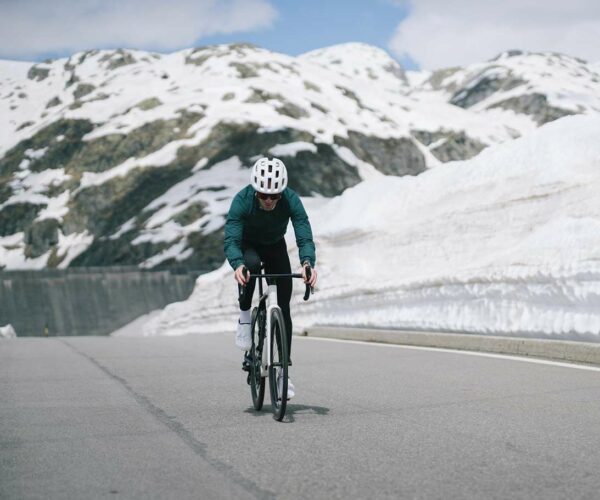
We’ve mentioned how to avoid some of the dangers on the road but let’s look at some other ways to stay safe while cycling in winter:
- Check the weather forecast before heading out and avoid riding in icy conditions.
- Use lights and reflective gear to ensure you’re visible in low-light conditions. A powerful front light and a flashing rear light are essential.
- Ride cautiously – wet roads reduce braking performance, and slippery surfaces can be unpredictable. Brake earlier and take corners slowly.
- Stick to familiar routes that are well-lit and well-maintained. Avoid rural backroads that may be more prone to ice and debris.
- Layer up to stay warm, but make sure your clothing allows for ventilation to avoid overheating.
For more weather specific tips you can read an article from the Met Office on How to cycle in Winter.
Staying bike fit in the winter
When it’s too cold or unsafe to ride outside, you can still stay bike fit. Indoor cycling is a great option, whether it’s using a turbo trainer or a smart trainer connected to apps like Zwift. Spin classes at the gym are another fun way to maintain your cycling fitness.
If you prefer variety, cross-training with other sports like running, swimming, or strength training can help maintain your cardiovascular fitness and build strength that will benefit your cycling.
Winter cycling in the UK might seem daunting at first, but with the right preparation, it can be an incredibly rewarding experience. By making a few adjustments to your bike, wearing the right gear, and staying cautious on the road, you can continue cycling all year round. So, don’t let the cold weather stop you from getting out there and enjoying the ride. Stay warm, stay safe, and keep pedalling!
Get Cycling Insurance with SportsCover Direct
SportsCover Direct’s cycling insurance has been designed to give protection for worldwide cycling travel, whatever cycling challenge you’re pursuing make sure you have the right insurance to cover you for injuries and other travelling incidents.
Our cycling travel insurance covers you abroad, whether you’re enjoying the sport for leisure or cycling competitively. It offers cover for medical costs, equipment, cancelled trips and more. If you already have travel insurance, our bolt-on allows you to add the protection you need for cycling. You can also opt for our sports accident insurance, which has been created to protect you while cycling in the UK.
Find out more and get an instant quote designed to suit you.
This blog has been created as general information and should not be taken as advice. Make sure you have the correct level of insurance for your requirements and always review policy documentation.