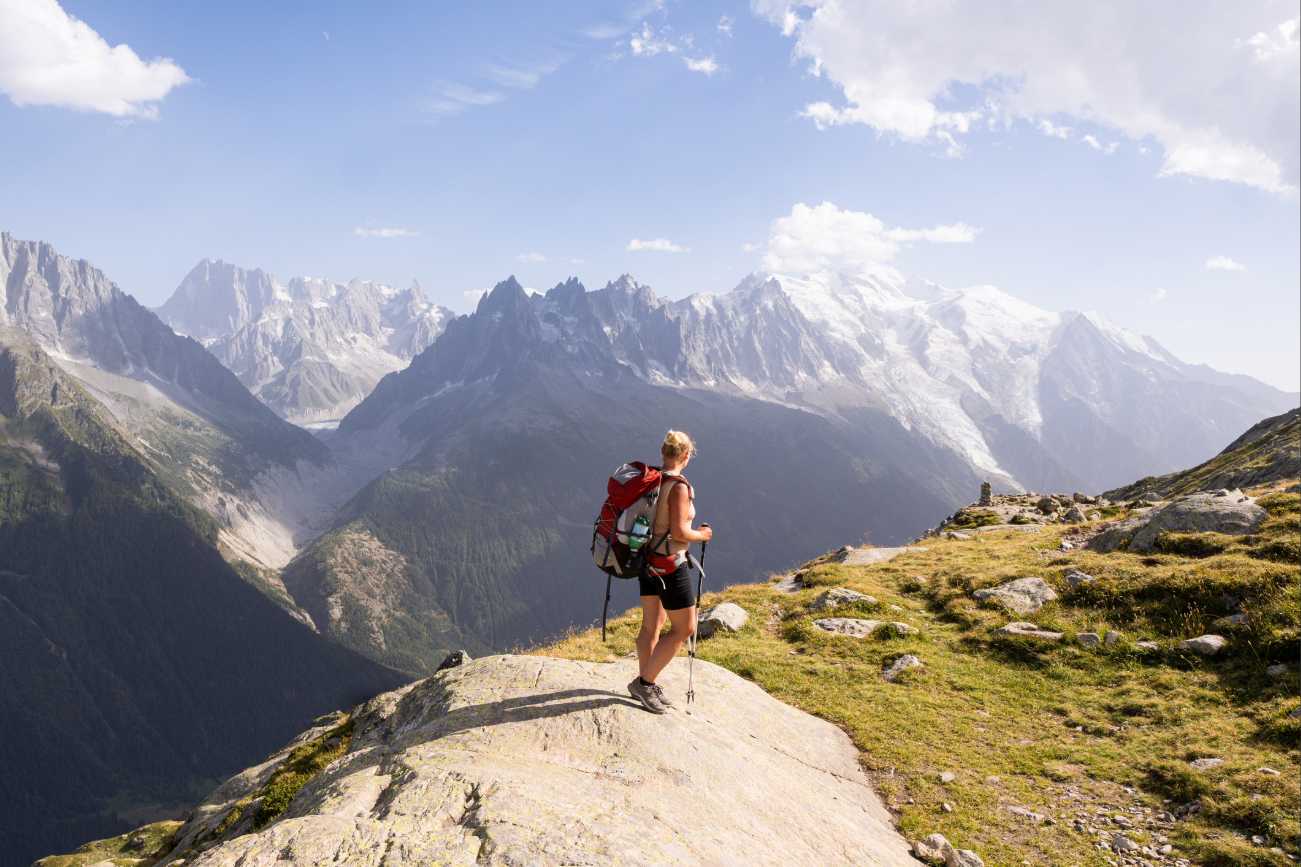


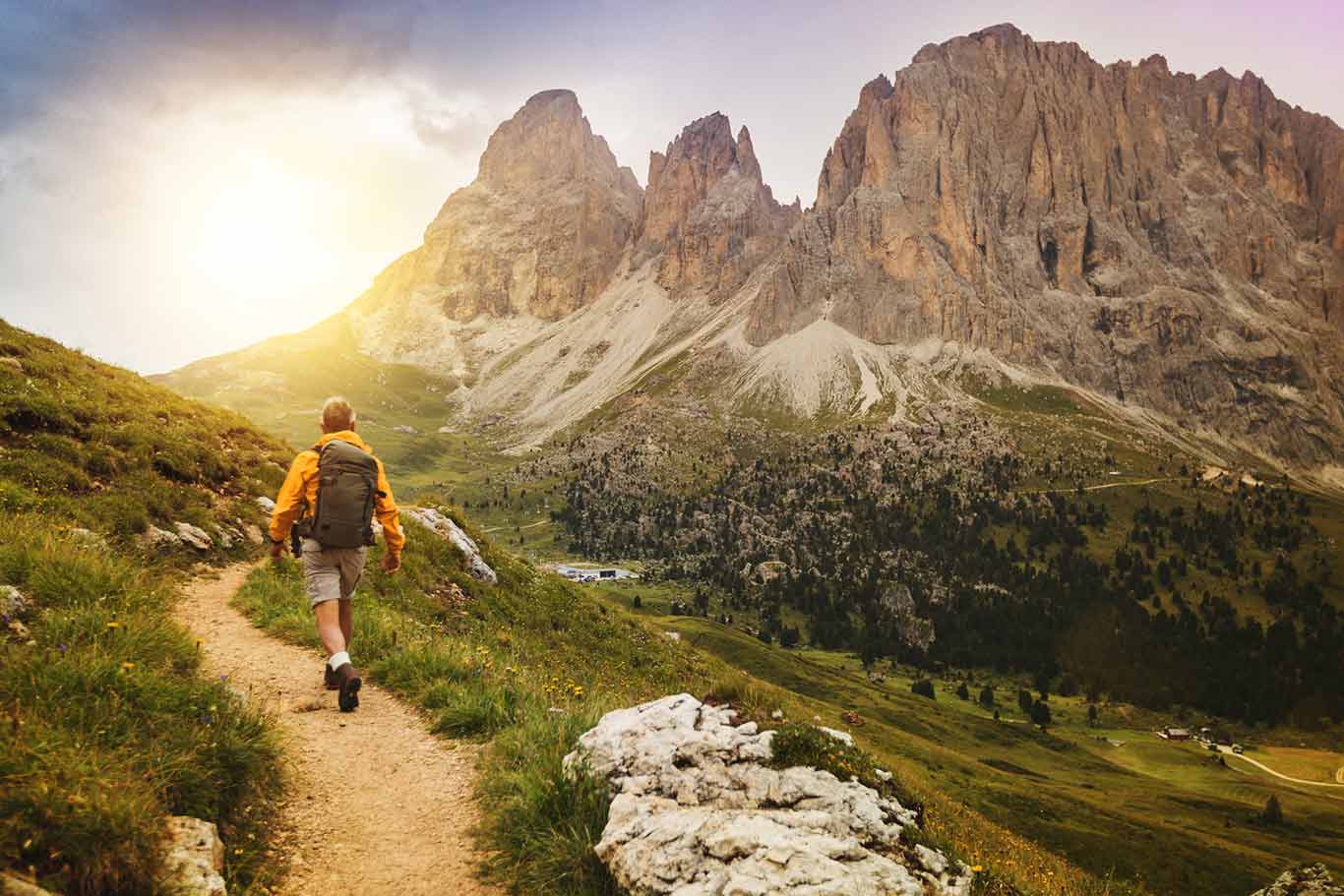
The Dolomites, a breathtaking mountain range nestled in northeastern Italy are a hiker’s paradise. Designated as a UNESCO World Heritage site for their unique geological and cultural significance, these mountains offer dramatic limestone peaks, lush valleys, and vibrant meadows, making hiking in the dolomites a popular spot for visitors from around the globe.
Whether you’re a seasoned trekker seeking challenging trails or a family looking for scenic walks amidst alpine landscapes, the Dolomites cater to all levels of hiking enthusiasts. We’ll cover some useful tips to plan your trip, including trail suggestions and some safety essentials.
Famous Hiking Trails in the Dolomites
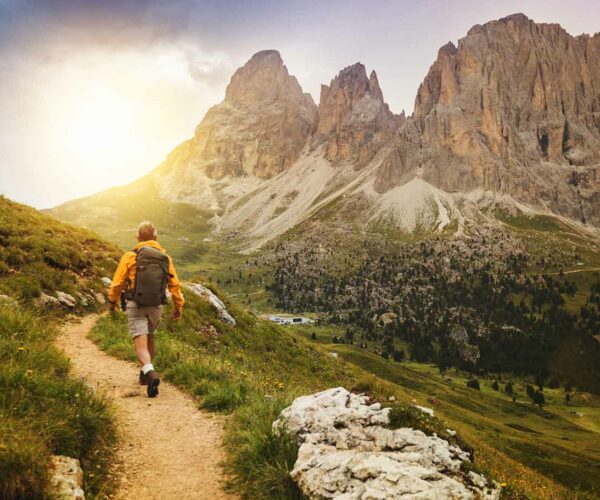
When planning your hike in the Dolomites, it’s essential to honestly assess your fitness and experience level: easy trails are great for beginners and families, moderate trails suit those with some hiking experience, and difficult trails are best left to seasoned hikers with advanced skills and endurance.
Alpe di Siusi (Seiser Alm)
Distance: Varies (many loop options)
Duration: 1-4 hours
Highlights: Panoramic views, lush meadows, and gentle slopes.
Description: Perfect for beginners and families, this hike offers stunning views of the Dolomite peaks and the expansive alpine meadows.
Level: Easy
Lago di Braies (Pragser Wildsee)
Distance: 3.5 km (2.2 miles) loop
Duration: 1-2 hours
Highlights: Crystal-clear lake, surrounding forest, and mountain scenery.
Description: A picturesque and relatively flat hike around one of the most beautiful lakes in the Dolomites.
Level: Easy
Tre Cime di Lavaredo (Drei Zinnen)
Distance: 10 km (6.2 miles) loop
Duration: 3-4 hours
Highlights: Iconic views of the Three Peaks, rocky landscapes, and alpine scenery.
Description: This moderately challenging hike is one of the most famous in the Dolomites, offering breathtaking views and a well-marked trail.
Level: Moderate
Seceda to Rifugio Firenze
Distance: 6 km (3.7 miles) one way
Duration: 2-3 hours
Highlights: Spectacular ridge views, wildflowers, and panoramic landscapes.
Description: Starting from the Seceda summit, this hike offers dramatic views and leads to the cozy Rifugio Firenze.
Level: Moderate
Val Gardena to Alpe di Siusi
Distance: 14 km (8.7 miles)
Duration: 5-6 hours
Highlights: Meadows, mountain huts, and panoramic views.
Description: A moderately difficult hike with varied terrain and stunning vistas.
Alta Via 1
Distance: 120 km (75 miles)
Duration: 10-12 days
Highlights: High mountain passes, diverse landscapes, and historical sites.
Description: A long-distance trail that showcases the best of the Dolomites, from rugged peaks to serene valleys. Suitable for experienced hikers due to its length and elevation changes.
Level: Difficult
Via Ferrata Ivano Dibona
Distance: 8.5 km (5.3 miles)
Duration: 6-8 hours
Highlights: Historical WWI sites, exposed ridges, and challenging via ferrata sections.
Description: A demanding and thrilling hike that involves climbing along fixed steel cables, ladders, and bridges, offering spectacular views and a sense of adventure.
Level: Difficult
Cinque Torri
Distance: 9 km (5.6 miles) loop
Duration: 3-4 hours
Highlights: Rock formations, WWI trenches, and panoramic views.
Description: A fascinating hike that combines natural beauty with historical significance, featuring impressive rock towers and remnants of WWI fortifications.
Planning a hiking trip to the Dolomites
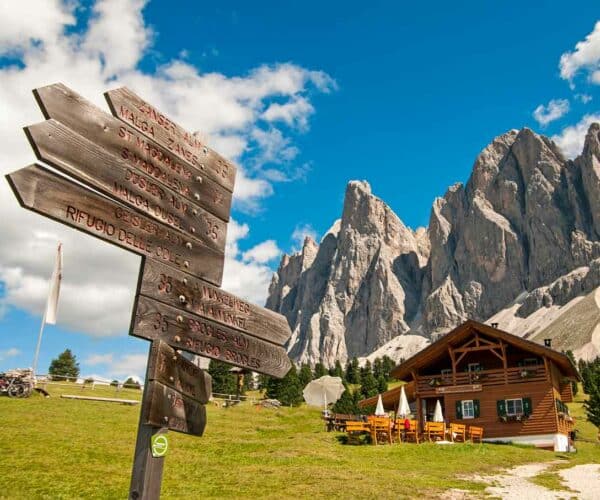
Planning a hiking trip to the Dolomites from the UK is an exciting adventure that requires a bit of preparation to ensure everything goes smoothly.
Travel to the Dolomites
The easiest way is to fly from major UK airports like London Heathrow or Manchester to either Venice, Verona, or Innsbruck, which are the closest airports to the Dolomites. From there, you can rent a car or take a train and bus combination to reach your destination.
Accommodation options in the Dolomites
There are a range of cozy mountain huts (rifugi) and charming guesthouses to more luxurious hotels, depending on your preference and budget. Several UK tour operators also offer packages including flights and transfers with group itineraries.
Packing
Make sure you have sturdy hiking boots, a good quality backpack, layered clothing to handle the varying weather, a waterproof jacket, and plenty of water and snacks. Don’t forget essentials like a map or GPS device, sunscreen, and a first aid kit. With these logistics in place, you’ll be ready to enjoy the stunning trails and breathtaking views that the Dolomites have to offer.
Sustainable hiking in the Dolomites
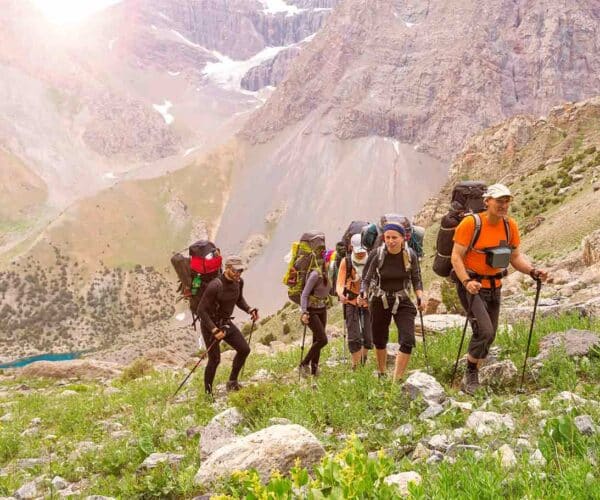
Sustainable hiking is crucial to preserving the region’s stunning natural beauty and cultural heritage. Following the Leave No Trace principles is essential: pack out all your waste, stick to established trails to avoid damaging vegetation, and respect wildlife by observing from a distance and not feeding animals.
Supporting local businesses and communities also plays a significant role in sustainable tourism. Choose to stay in locally owned accommodations, dine at local restaurants, and purchase goods from local artisans. By doing so, you help sustain the local economy and encourage the preservation of cultural traditions.
Respecting the environment includes minimising your impact by reducing waste, conserving water, and being mindful of your energy use. Together, these practices ensure that the Dolomites remain a pristine destination for future generations of hikers to enjoy.
Best Time to Go Hiking
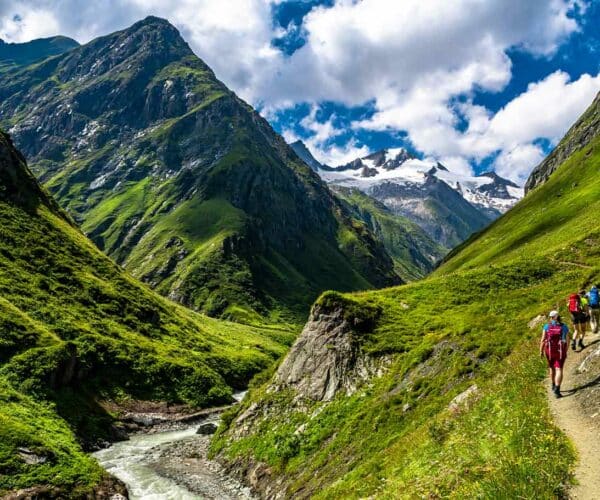
The best time to go hiking in the Dolomites largely depends on what you’re looking for in your hiking experience:
Spring (April to June)
Spring offers blooming wildflowers and lush greenery, making it a beautiful time for scenic hikes. However, some higher trails might still be snow-covered, and the weather can be unpredictable.
Summer (July to August)
This is the peak hiking season, with warm temperatures, long daylight hours, and fully accessible trails. The alpine meadows are at their most vibrant, but popular trails can be crowded, and accommodation may be more expensive and harder to book.
Autumn (September to October)
Autumn is an excellent time for hiking, with cooler temperatures, fewer crowds, and stunning autumn foliage. The weather is generally stable, and most trails are still accessible. However, some mountain huts and facilities start to close in mid to late October.
Each season has its own charm, so choosing the best time depends on your preferences for weather, scenery, and crowd levels.
Weather Considerations
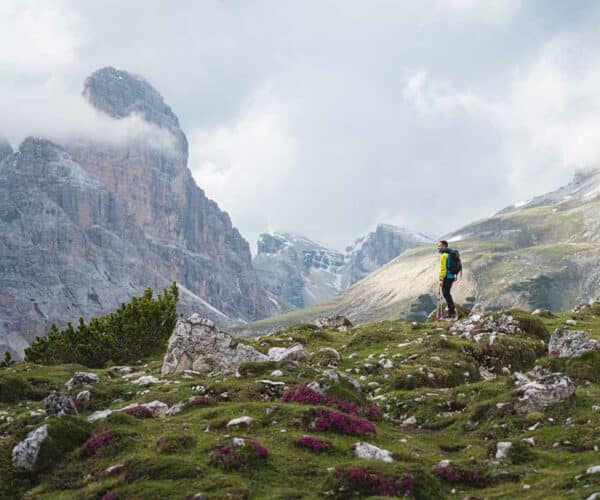
When hiking in the Dolomites, weather considerations are crucial for a safe and enjoyable experience. Typical weather patterns vary by season: summer offers warm, sunny days with occasional afternoon thunderstorms, while spring and autumn can bring more unpredictable conditions, including rain and cooler temperatures. Winter often sees heavy snowfall, making many trails inaccessible.
Prepare for sudden changes
To prepare for sudden weather changes, it’s essential to dress in layers, carry a waterproof jacket, and pack extra clothing. Bringing a map, compass, or GPS device is also wise, as weather can sometimes obscure trails.
Check weather forecasts
Checking the weather forecast in the Dolomites before heading out is vital to anticipate any adverse conditions and adjust your plans accordingly. Local weather reports and mountain-specific forecasts provide the most accurate information, ensuring you’re well-prepared for whatever nature throws your way.
Safety tips for hiking in the Dolomites
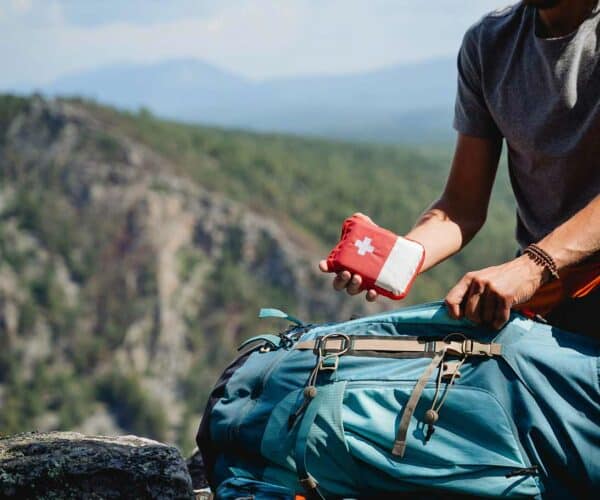
Hiking in the Dolomites is a breathtaking experience, but safety should always be your top priority. This magnificent mountain range offers diverse trails that cater to all skill levels, from easy walks to challenging climbs. To ensure you have a safe and enjoyable hike, here are some essential safety tips and guidelines.
Gear and equipment
The right gear can make all the difference on your hike. Here’s what you need to bring:
- Footwear: Invest in a good pair of hiking boots with ankle support and a solid grip. The trails can be rocky and uneven, so proper footwear is crucial.
- Clothing: Dress in layers to adapt to changing weather conditions. Start with moisture-wicking base layers, add insulating layers for warmth, and top it off with a waterproof jacket.
- Backpack: A sturdy, comfortable backpack is essential. Ensure it has enough space for your gear and supplies, and consider one with a built-in hydration system.
- Navigation Tools: Carry a detailed map of the area and a compass or GPS device. While trails are generally well-marked, it’s always good to have a backup.
- Safety Gear: Include a first-aid kit, a whistle, and a multi-tool. A headlamp or flashlight is also important, even if you plan to finish your hike before dark.
- Trekking Poles: These can provide extra stability, especially on steep or uneven terrain.
Stay hydrated
Hydration is key to maintaining your energy and focus during a hike:
- Start Hydrated: Drink plenty of water before you set out on your hike.
- Carry Water: Bring at least 2 litres of water per person. If you’re going on a longer hike, consider bringing a portable water filter or purification tablets.
- Regular Sips: Don’t wait until you’re thirsty to drink. Take small sips regularly to keep your hydration levels steady.
- Electrolytes: On particularly strenuous hikes, consider bringing electrolyte tablets or sports drinks to replenish the salts lost through sweat.
Keep within your limits
Understanding and respecting your physical limits is vital to a safe hiking experience:
- Know Your Fitness Level: Choose trails that match your fitness level and experience. If you’re new to hiking or haven’t been active recently, start with easier trails and gradually work your way up.
- Pace Yourself: Hiking is not a race. Maintain a steady, comfortable pace and take breaks as needed. Listen to your body and avoid pushing yourself too hard.
- Weather Awareness: Check the weather forecast before your hike. The weather in the Dolomites can change rapidly, so be prepared for all conditions. If the forecast looks bad, it’s best to postpone your hike.
- Trail Etiquette: Stick to marked trails to avoid getting lost and to protect the fragile mountain environment. If you’re hiking in a group, stay together and keep an eye on each other.
Sports travel insurance
It’s wise to have travel insurance that covers hiking and outdoor activities, including potential rescue operations in remote areas. By adhering to these guidelines and preparing for situations beyond your control, you can ensure a safe and enjoyable hiking experience in the Dolomites.
Get Hiking & Trekking Insurance from SportsCover Direct
As demonstrated, there’s plenty of planning to do to make sure you and your companions stay safe and have a great time when you hike in the Dolomites. One thing that you certainly shouldn’t forget is insurance, taking out suitable sports travel insurance can protect you in case things go wrong.
SportsCover Direct has been providing hiking and trekking insurance to intrepid explorers like you for decades. Our policy provides protection for unforeseen circumstances, including medical care, emergency rescue, repatriation, disruption to travel plans, or any loss, theft or damage that occurs to your luggage.
Cover starts from just a few pounds a month – a small consideration financially, but an important one ahead of a trip to remember. Explore our hiking and trekking insurance policies in more detail today.
This blog has been created as general information and should not be taken as advice. Make sure you have the correct level of insurance for your requirements and always review policy documentation.