



Planning a trip to Europe in 2025? Get ready for some changes that could affect everything from your pre-travel checklist to the way you cross the border. The EU is rolling out a new system called the Entry/Exit System (EES), and it’s a pretty big deal. Designed to modernise border management, EES will completely transform how UK citizens—and all other non-EU nationals—enter and leave EU countries.
Gone are the days of collecting passport stamps as a travel memento. Instead, digital records and biometric data will take their place, making border crossings more high-tech than ever. While the system promises to be faster and more secure in the long run, it’s a change that will require a little extra planning and preparation on your part.
So, whether you’re a frequent flyer jetting off for work, a family planning your annual summer holiday, or an independent traveller seeking out hidden gems in Europe, this guide is for you. We’ll break down what EES is, how it works, what it means for your travel plans, and—most importantly—how to navigate the new rules without breaking a sweat.
From understanding the 90/180-day rule to knowing which borders will require extra time, we’ve got you covered. Keep reading to stay ahead of the game and make your next European adventure as smooth as possible.
What is the Entry/Exit System (EES)?
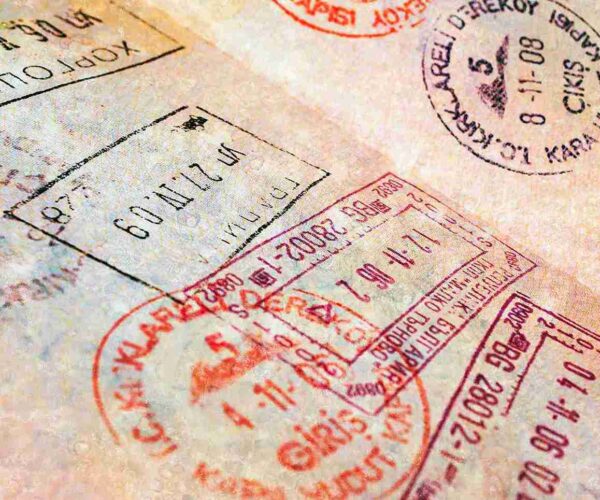
First things first: what is EES?
The Entry/Exit System is the EU’s shiny new digital border system. Essentially, it will replace the old-fashioned way of stamping passports with a more efficient, high-tech solution. Think of it as the EU going digital with its border controls.
Here’s what it’ll do:
• Track your entries and exits: Every time you cross an EU border, the EES will record it electronically.
• Log your travel dates: It’ll automatically calculate how long you’ve stayed in the Schengen Area (more on this later).
• Collect biometric data: This means scans of your fingerprints and a photo of your face.
The goal? To improve security and make border crossings smoother (eventually).
What’s changing for UK travellers?
If you’ve travelled to the EU post-Brexit, you know things are already different. With EES, it’s all changing again! Here’s what to expect:
1. Goodbye passport stamps, hello digital tracking
No more romantic stamps in your passport (sorry, nostalgia lovers). Instead, every time you enter or leave the EU, the system will log your details.
2. Biometrics required
Be prepared to provide fingerprints and have your mugshot taken at border kiosks. This will be a one-time thing, but it’s an extra step to factor into your journey.
3. Automatic enforcement of the 90/180-day rule
Remember that as a Brit, you’re only allowed to spend 90 days within a 180-day period in the Schengen Area. The EES will track this for you—no more fudging the dates!
How will EES work?

EES will be rolled out across all EU borders, so whether you’re flying, driving, or arriving by sea, here’s how it’ll work:
At Airports
• You’ll use an automated kiosk to scan your passport.
• The kiosk will take your fingerprints and snap a quick photo.
• A border official may still ask to check your documents or ask a few questions.
At Land Borders

Driving into Europe? The process might take longer at first. You’ll stop at a border checkpoint, provide your passport and biometrics, and wait for the system to log your details. A bit more patience might be required here!
At Sea Borders (Ferries and Cruise Ships)
Before you disembark, expect border checks where you’ll go through the same biometric process. Make sure you have all your documents ready to avoid holding up the queue.
What do you need to do if you’re travelling?
Travelling under the EES will require a bit of preparation. Here’s a handy checklist to make sure you’re sorted:
Before You Travel:
• Check your passport: Make sure it’s valid for at least 3 months after your trip and is less than 10 years old.
• Prepare for biometrics: If you’re squeamish about fingerprints or hate having your photo taken, brace yourself—it’s unavoidable.
• Plan your travel dates: The 90/180-day rule is now non-negotiable, so keep track of how long you’ve stayed in the Schengen Area.
At the Border:
• Be ready to use the kiosks and follow instructions.
• Be patient—there might be teething problems as the system rolls out.
After Your Trip:
• Double-check your travel history on your EES record if needed. Keeping a log of your trips can save you hassle down the line.
Which countries are affected by EES?
The EES applies to all countries in the Schengen Area, which includes most of the EU plus a few extras like Norway, Switzerland, and Iceland.
Here’s the full list of affected countries:
Austria, Belgium, Czech Republic, Denmark, Estonia, Finland, France, Germany, Greece, Hungary, Iceland, Italy, Latvia, Liechtenstein, Lithuania, Luxembourg, Malta, Netherlands, Norway, Poland, Portugal, Slovakia, Slovenia, Spain, Sweden, and Switzerland.
Keep in mind, countries like Ireland are not part of Schengen, so the EES won’t apply there.
FAQs for UK travellers

1. Do I need a visa to visit the EU under EES?
No, the EES doesn’t change your visa-free access to the EU. You can still stay for up to 90 days in any 180-day period.
2. What happens if I exceed the 90-day limit?
The EES will flag overstayers automatically, so you could face fines, deportation, or even a ban from re-entering the EU. Don’t risk it!
3. Will EES work with ETIAS?
Yes, EES and ETIAS (the EU’s new travel authorisation system) are complementary. ETIAS will be your “pre-approval” to enter, while EES logs your movements once you’re there.
4. What if there’s a mistake in my EES record?
You’ll need to contact the relevant authorities to correct it. Keep proof of your travel dates (like tickets or receipts) in case of any disputes.
5. Will border queues be longer?
At first? Probably. But as the system becomes familiar, it’s expected to speed things up.
Top tips for stress-free travel under EES

1. Arrive early at the border to allow time for any delays.
2. Keep your documents handy and follow instructions at the kiosks.
3. Use apps or tools to track your days in the Schengen Area—overstaying isn’t worth the hassle.
4. Stay informed: check for updates before every trip to see how EES is working at your chosen border.
The new Entry/Exit System might sound a bit daunting, but with a little preparation, you’ll breeze through. Think of it as a step towards more modern, secure travel—once you’ve got the hang of it, it’ll be second nature.
Ready to plan your next European adventure? Make sure you’re EES-ready, and don’t forget to pack your sense of adventure (and patience) along with your passport!
See also…
For further information on these changes visit the official government websites to ensure you’re up to date on the latest announcements.
Get Sports Travel Insurance from SportsCover Direct
If you’re planning to travel abroad in 2025, staying informed about the latest EU entry and exit requirements is crucial to avoid delays at borders. But beyond paperwork, ensuring peace of mind while pursuing your favourite sports is just as important.
With our sports travel insurance, you can focus on enjoying your hobbies or competing without the worry of unexpected setbacks. Our specialist cover provides financial protection for medical expenses, emergency evacuations, and cancellations—ensuring you’re fully prepared for any surprises.
We offer two flexible policy options to suit your needs, covering over 500 sports for both leisure and competition. Whether you need full cover for your trip or a bolt-on activity top-up to supplement an existing policy, we’ve got you covered. Our policies include benefits like medical and repatriation costs, trip cancellation or curtailment, and more—so you can pursue your passion worry-free.
Find out more and get a quick online quote today!
This blog has been created as general information and should not be taken as advice. Make sure you have the correct level of insurance for your requirements and always review policy documentation.